




Oriental Decorative Plates
Oriental decorative plates encompass hand-painted porcelain chargers and intricate enamel trays spanning the eighteenth to early twentieth centuries.
Oriental Decorative Plates
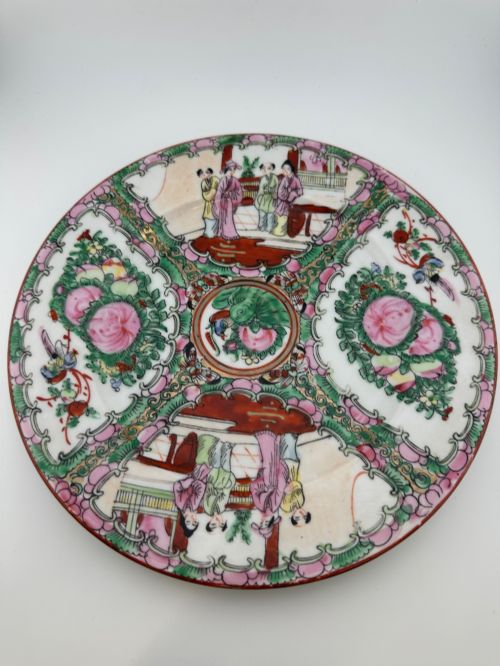
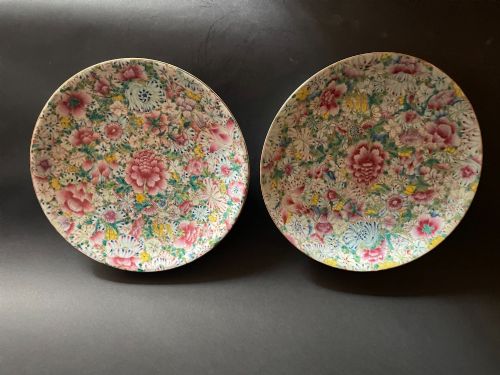
Oriental decorative plates comprise charger plates, dishes, and trays originating from Chinese and Japanese kilns and workshops. These display surfaces frequently depict floral motifs, birds, landscapes, and figurative scenes.
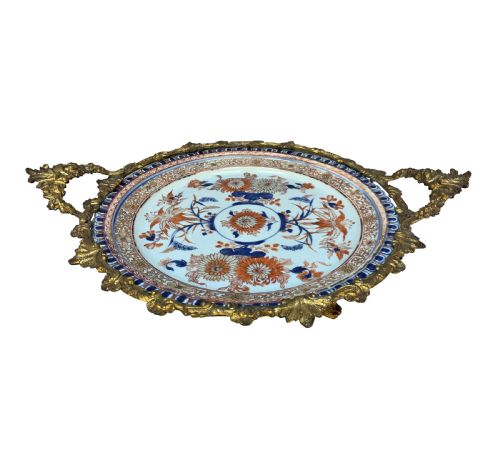
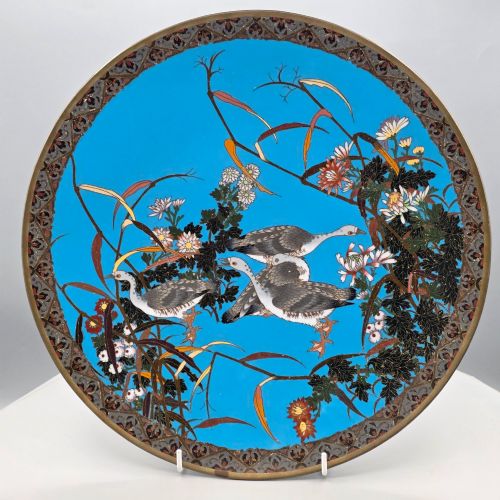
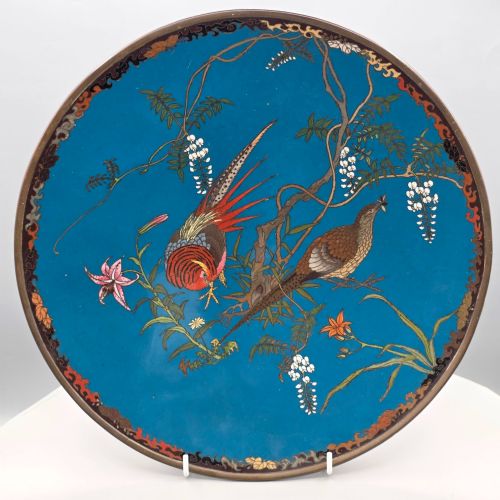
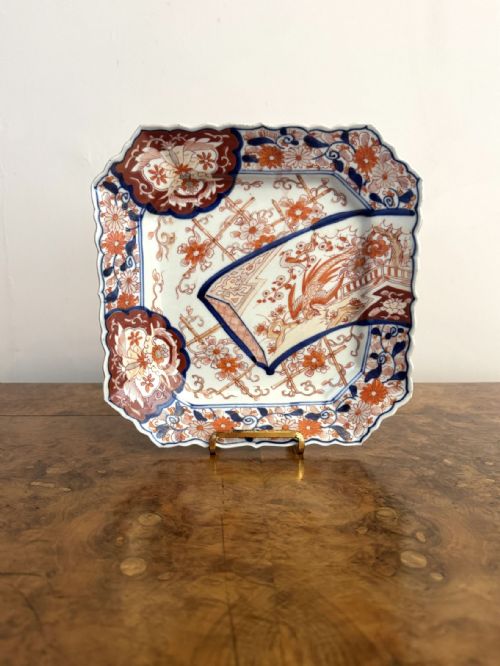
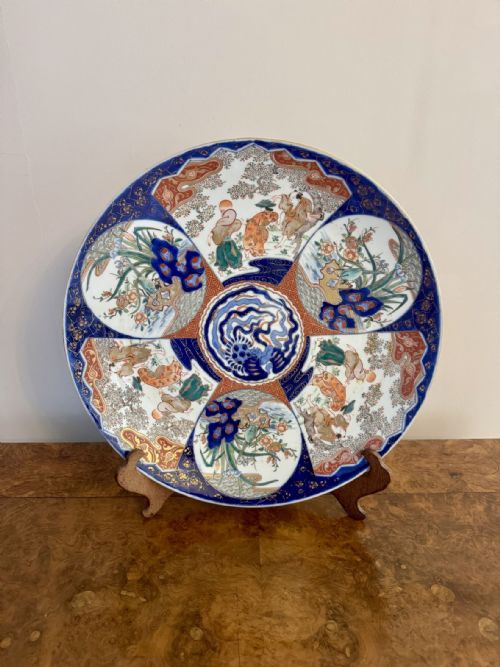
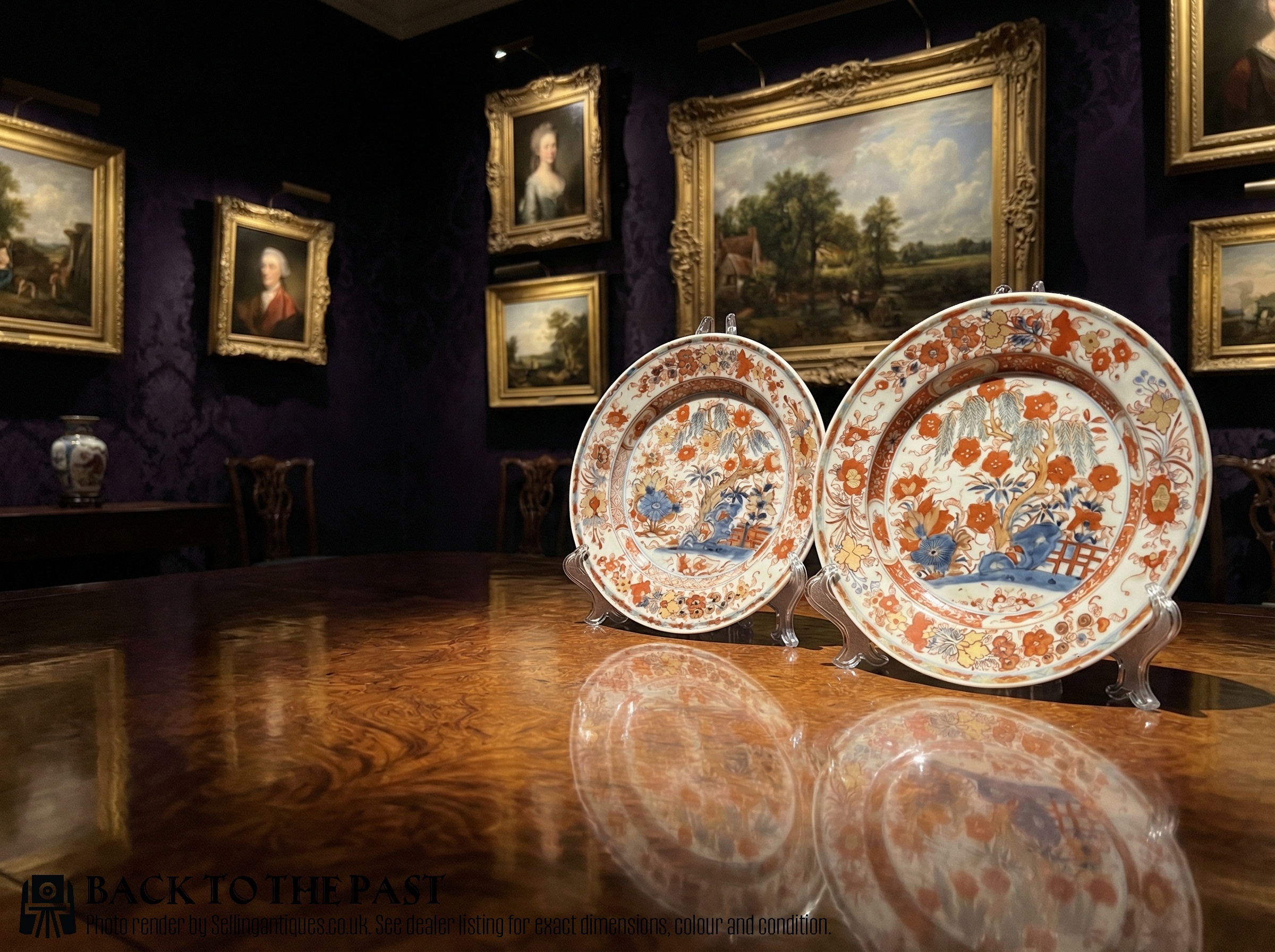
The selections available here lean heavily towards Japanese Imari and Meiji period cloisonne enamel chargers from the late nineteenth and early twentieth centuries. Pieces range from large scalloped display dishes to square trays and lobed bowls.
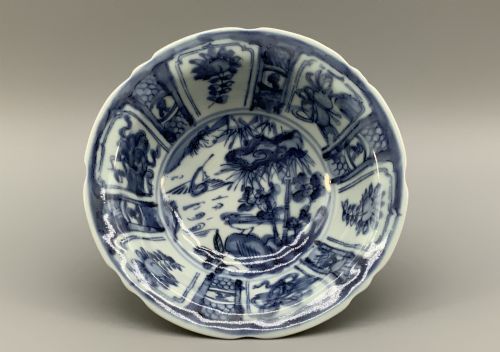
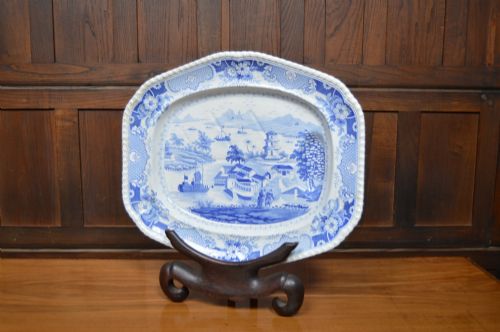
Earlier examples extend back to the eighteenth century, including Chinese blue and white porcelain and Imari plates with ormolu mounts. Makers utilised porcelain, white metal, iron, and copper as bases for detailed hand painting and enamel work.
How they were made
Porcelain pieces employ high-fired clay bodies finished with glaze and painted in underglaze blue, enamel colours, and gold leaf. Japanese Imari examples combine deep cobalt blue with iron red and gilt highlights.
Cloisonne enamel items utilise copper or brass bases fitted with thin wire cells. Artisans packed these compartments with coloured enamel pastes before firing and polishing the surface to a smooth finish.
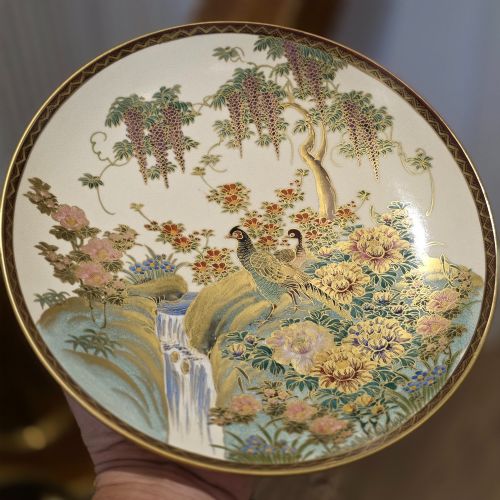
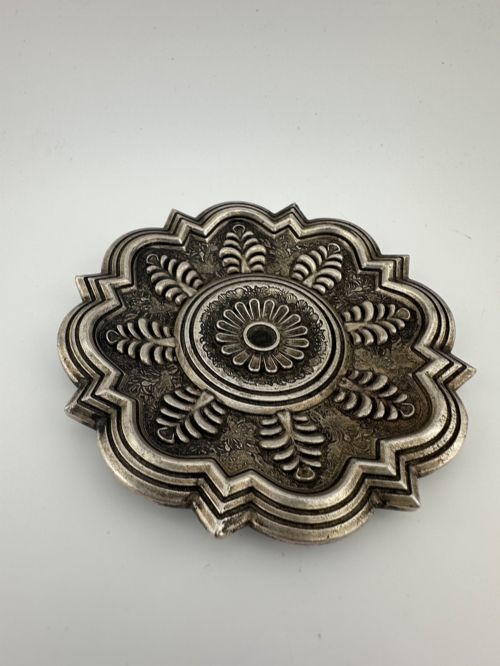
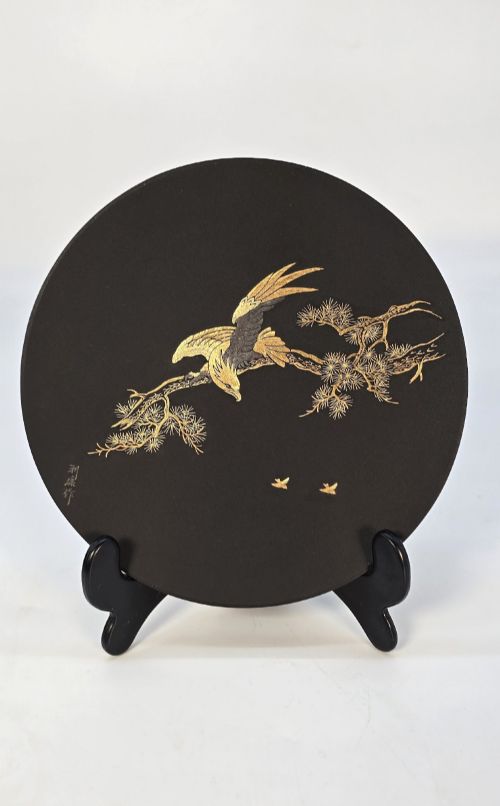
Metalwork plaques incorporate iron substrates treated with patination and inlaid with gold and silver wire. Satsuma earthenware wares apply raised moriage decoration over creamy crackle-glazed surfaces.
What varies in quality
Workmanship in hand painting and cloisonne wirework establishes the primary tier of distinction. Finer examples display precise brushwork, balanced composition, and flawless enamel distribution without pitting.
Complexity of subject matter and technical execution separate standard productions from masterworks. Depictions involving multiple animals, intricate landscapes, or complex Moriage relief demand higher skill from the maker.
Condition of the glaze, metal mounts, and enamel surfaces heavily influences the standing of a piece. Intact gilding and minimal wear to the decorative pigments indicate superior preservation over time.
Koshida
The Oriental Decorative Plates Glossary
- Charger
- A large decorative plate intended for display rather than table service. These substantial dishes measure thirty centimetres or more across.
- Cloisonne
- An enamel technique where metal wires form raised cells on a copper or brass body to hold coloured pastes. Artisans fire and polish the assembly until smooth.
- Imari
- A style of Japanese export porcelain originating from Arita, characterised by a palette of cobalt blue, iron red, and gold. Designs typically feature dense floral and geometric compartments.
- Moriage
- A ceramic decoration method applying raised slip or enamel to create tactile relief patterns on pottery. This technique is frequently seen on Satsuma earthenware.
- Ormolu
- Gilded bronze mounts applied to the edges or bases of ceramic vessels. French makers often added these metal fittings to imported Asian porcelain during the eighteenth century.
Oriental Decorative Plates: Frequently Asked Questions
How were oriental chargers displayed?
Oriental chargers were primarily intended for visual display on walls, cabinets, or sideboards rather than dining use. Their large scale allowed them to serve as focal points in a room.
Collectors and interior designers utilise stands or wall brackets to exhibit the decorated surfaces safely.
How do you date a meiji period plate?
Dating a Meiji period plate involves examining the materials, manufacturing techniques, and stylistic markers associated with Japanese production between eighteen sixty-eight and nineteen twelve. Cloisonne and Satsuma wares from this era often bear signature plaques or distinct structural traits.
Comparison with documented examples helps narrow the period of manufacture down to specific decades.
What is the difference between imari and satsuma?
Imari refers to porcelain decorated in blue, red, and gold with a smooth, vitreous finish. It was produced predominantly in Arita for export.
Satsuma describes earthenware pottery featuring a crackle glaze and decorative hand painting, frequently enhanced with raised moriage work.