



Chinese Imari Porcelain
Chinese imari porcelain pieces are vibrant export wares combining cobalt blue, iron red, and gold, offering a striking bridge between eastern making and western tastes.
Chinese Imari Porcelain
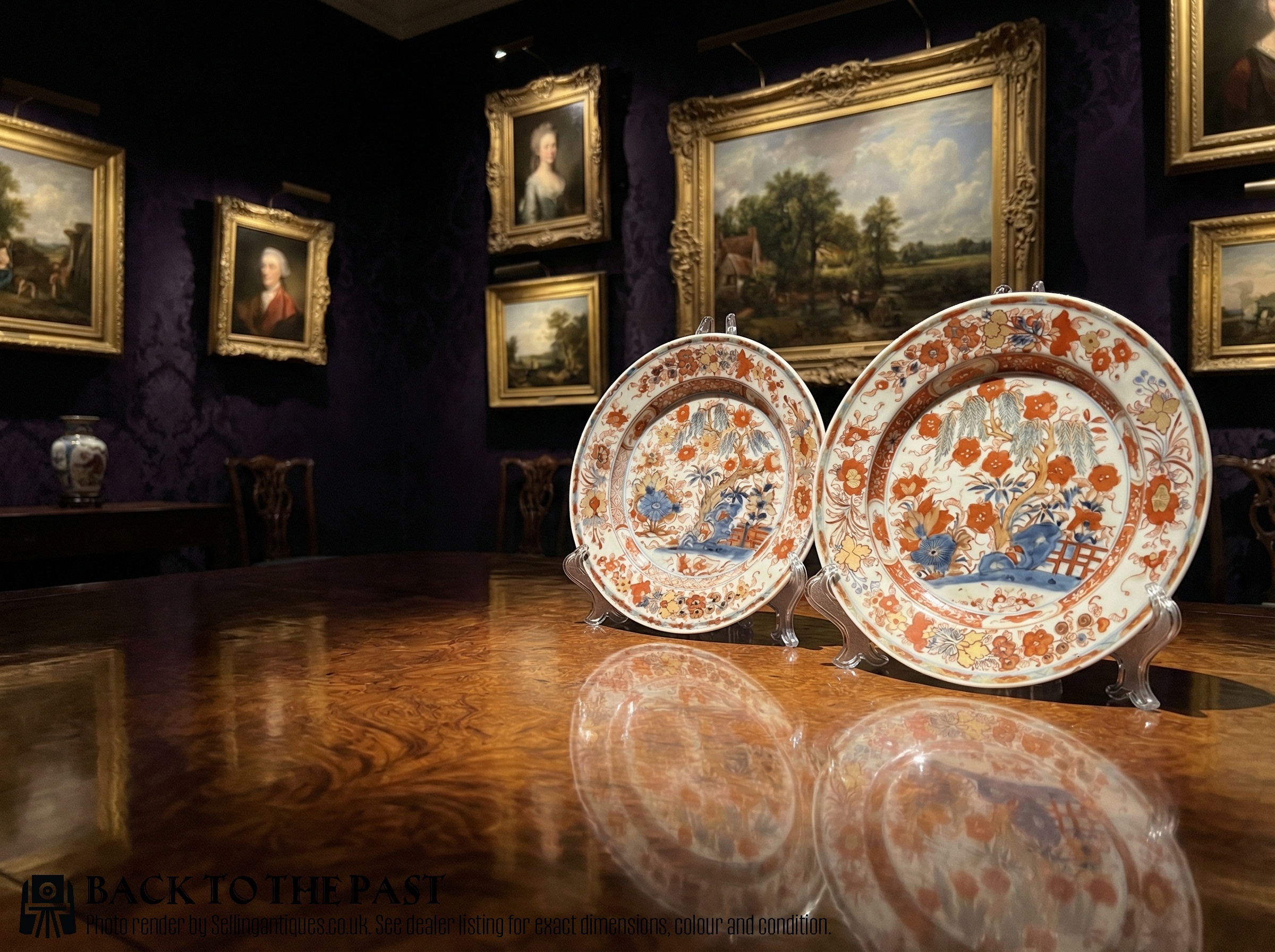
Chinese imari porcelain comprises decorative plates, bowls, chargers, jardinières, teapots, and mugs created for export during the Qing dynasty, particularly the Kangxi and Qianlong periods. Buyers encountering this selection will find domestic vessels and display pieces shaped by international trade channels operating across the seventeenth and eighteenth centuries.
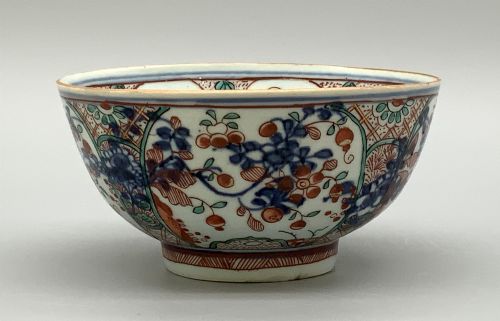
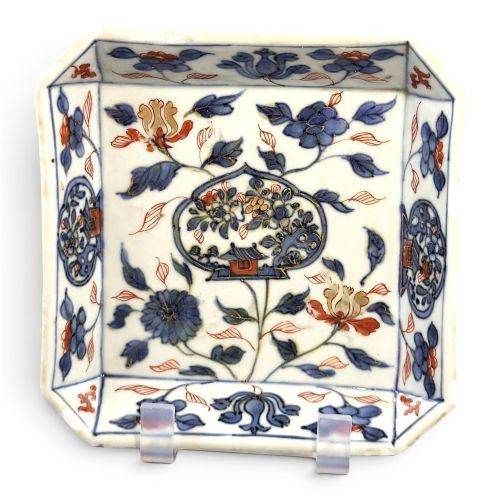
The objects take familiar forms such as chamfered square bowls, circular dishes, octagonal teapots, and large tankards adapted for European households. These functional and decorative items demonstrate how Chinese kilns met foreign demand while retaining distinctive ornamental traditions.
How they were made
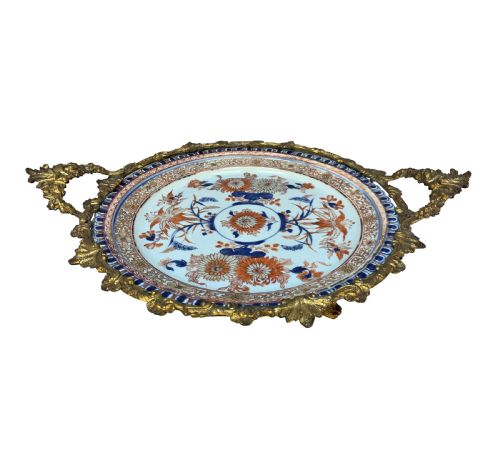
Makers utilised high-fired porcelain bodies coated in translucent glaze, painted underneath with cobalt pigment before adding overglaze iron red enamel and gold leaf. Some later examples received metal, ormolu, or gilt bronze mounts in Europe to elevate their status as interior ornaments.
Kiln workers executed intricate chinoiserie designs by combining underglaze blue painting with supplemental enamel colours and gilding, fired multiple times to fix the palette.
Some eighteenth-century tea drinkers apparently needed tankards large enough to double as small decorative vases.
What varies in quality
The standard of these ceramics is distinguished by the crispness of the cobalt painting, the stability and richness of the iron red enamel, and the preservation of the gold leaf. Superior examples display precise control over multiple kiln firings, resulting in a harmonious palette without blurring or pitting.
Artisanal execution in the potting and the refinement of supplementary mounts, such as ormolu or gilt bronze, separates standard export wares from pieces commissioned with exceptional care and decorative ambition.
William Reid
The Chinese Imari Porcelain Glossary
- Imari
- A decorative palette of cobalt blue, iron red, and gold applied to porcelain. This style originated in Japan before being adopted by Chinese kilns for the export market.
- Chinoiserie
- European interpretations of Chinese artistic motifs, or European-influenced designs produced within Chinese export workshops. It reflects a mutual exchange of decorative ideas between east and west.
- Ormolu
- Finely ground and cast gold applied to a bronze base, frequently utilised as decorative mounts on eighteenth-century porcelain vessels. This technique was added in European workshops to enhance the display value of imported wares.
- Kangxi Period
- A reign within the Qing dynasty spanning from sixteen sixty-two to seventeen twenty-two. Ceramics from this era are noted for vibrant cobalt pigments and fine potting.
- Export Porcelain
- Wares manufactured in China specifically for shipment to European and American markets. These objects often combine traditional domestic forms with shapes and patterns requested by foreign buyers.
Chinese Imari Porcelain: Frequently Asked Questions
How do I identify a Kangxi period piece?
Kangxi period items are typically dated between sixteen sixty-two and seventeen twenty-two, featuring deep cobalt underglaze blue paired with iron red and gold.
Examination of the porcelain body and the crispness of the painted details helps separate these early objects from later nineteenth-century interpretations.
What is the difference between Chinese and Japanese imari?
Chinese imari porcelain was produced in the kilns of Jingdezhen for export, often displaying thinner potting and different blue tones compared to Japanese wares.
Makers in China adapted the imari palette of blue, red, and gold to suit foreign trade demands while maintaining local ceramic traditions.
Why do some plates have metal mounts?
Ormolu or gilt bronze mounts were added to certain porcelain plates and bowls by European craftsmen during the eighteenth century.
These metal additions transformed functional export wares into luxury decorative objects for wealthy interiors.