


Blue White Red Plates
These blue white red plates combine vibrant enamel palettes with centuries of global ceramic tradition.
Blue White Red Plates
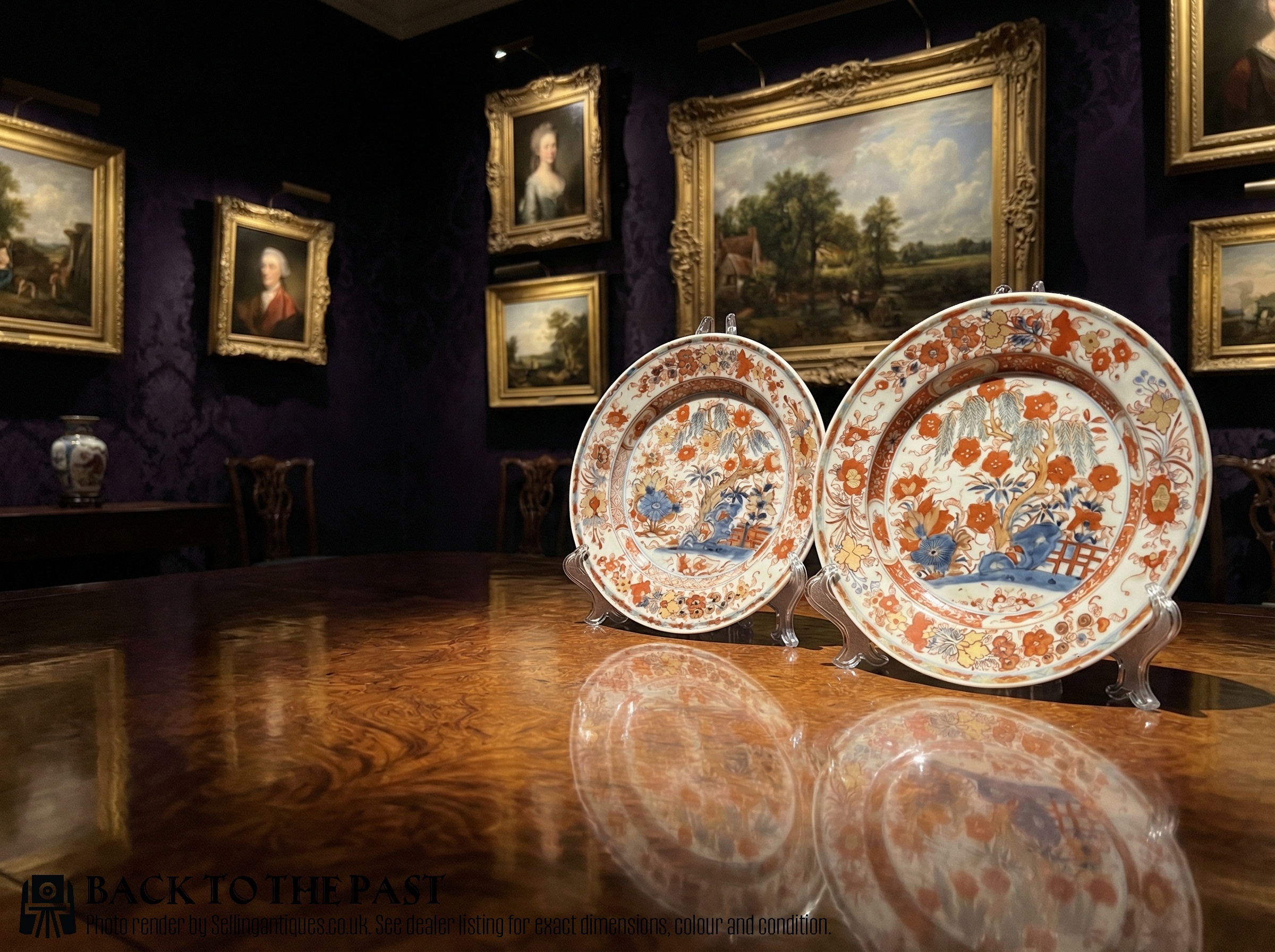
When you search for blue white red plates, you encounter an array of decorative plates, dishes, and chargers crossing multiple centuries and continents. The selection spans 18th Century production through the 19th Century and 1900, drawing on Japanese Imari, Japanese Meiji, Georgian, Chinese Export, and Chinese Export Imari traditions.
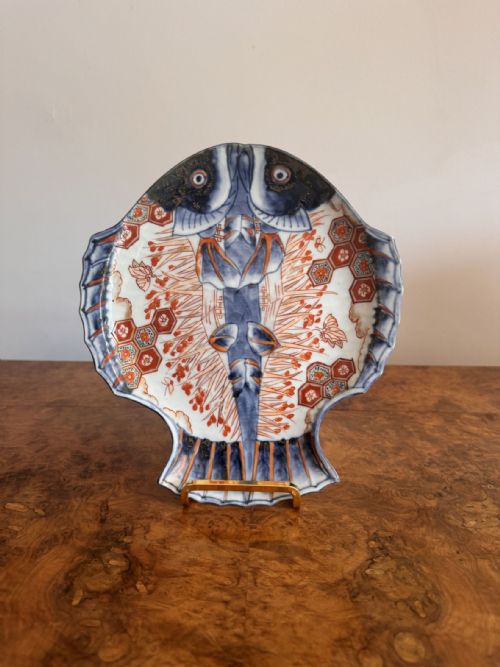
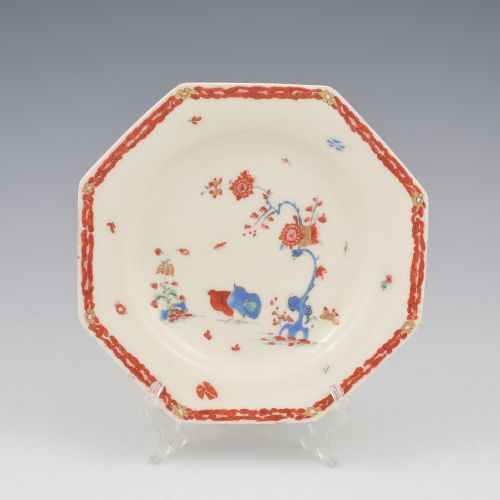
The objects themselves take various forms, from standard round decorative plates and chargers to unusual shapes like a fish or an octagonal plate. Most examples you meet on this page originate from Japanese Imari or Chinese workshops, featuring classic tripartite colour schemes that catch the eye instantly.
Georgian and 18th Century British factories also contributed to this aesthetic, notably through soft-paste porcelain decorated with bird motifs like the Kakiemon quail or partridge pattern. Each piece serves primarily as a decorative dish, designed to command attention on a wall or cabinet shelf.
How they were made
The makers utilised porcelain and soft-paste porcelain as the primary body for these items, shaping them into octagonal, fish, and circular forms. Potters threw or moulded the clay before applying underglaze blue pigments and vibrant overglaze enamels.
Gold leaf and additional metal accents frequently embellished the designs, contrasting sharply against the white ceramic ground and deep blue cobalt. Firing these pieces required precise temperature control in kilns to fuse the glaze, blue underglaze, and red enamel colours together.
At least one ambitious potter decided a standard round plate simply would not do, turning a ceramic fish into a dinner service.
What varies in quality
The distinction between standard production and exceptional work lies in the crispness of the underglaze blue and the vibrancy of the red enamel and gold leaf application. Finer specimens display meticulous brushwork and balanced compositions, particularly visible in complex Japanese Imari or Kakiemon bird patterns.
Unusual forms, such as plates shaped like fish or specific octagonal geometries, generally indicate higher ambition from the maker. Condition of the glaze and enamel also dictates standing, with clean surfaces and intact gilding separating superior examples from heavier wear.
The Blue White Red Plates Glossary
- Imari
- A style of Japanese porcelain originating from the port of Arita, traditionally characterised by a palette of underglaze blue, iron red, and gold. This aesthetic heavily influenced European and Chinese export ceramic production during the eighteenth and nineteenth centuries.
- Kakiemon
- A style of Japanese enamelled porcelain featuring asymmetrical, delicate pictorial designs of birds and flowers. British factories like Bow adopted these exact patterns on soft-paste porcelain bodies.
- Soft-paste porcelain
- A ceramic material composed of clay and various glass-like frits, fired at lower temperatures than true hard-paste porcelain. Eighteenth-century English potteries frequently utilised this formula for decorative plates.
- Charger
- A large ornamental plate used historically for formal display rather than dining. These substantial pieces provide a wider canvas for complex blue, white, and red decorative schemes.
- Chinese Export
- Porcelain manufactured in China specifically for Western markets, often merging traditional Eastern motifs with shapes requested by European buyers. These items frequently employ Imari colour palettes.
Blue White Red Plates: Frequently Asked Questions
Are these plates meant for dining?
These pieces function primarily as decorative plates, dishes, and chargers rather than everyday tableware. Their rich enamel and gold leaf decorations suit display in cabinets or on walls.
Using them for meals risks damaging fragile historic surfaces, particularly the delicate red enamels and metallic highlights applied over the glaze.
What is Chinese Export Imari?
Chinese Export Imari refers to porcelain made in China during the eighteenth and nineteenth centuries using the Japanese Imari colour scheme for Western buyers. These items bridge two distinct manufacturing traditions.
They combine Chinese porcelain bodies and throwing techniques with the familiar blue, white, and red aesthetic popular across global markets.
How should I display my plates?
Display these items using sturdy plate hangers or dedicated stands that support the entire weight of the porcelain or soft-paste body. Keep them away from direct sunlight to protect the stability of the red enamel.
Grouping different forms, such as octagonal plates alongside standard circular dishes, creates visual contrast in a cabinet or on a shelf.
What does soft-paste mean?
Soft-paste porcelain is a ceramic composite fired at lower temperatures than true hard-paste porcelain, common in eighteenth-century English factories like Bow. It possesses a slightly warmer tone and a softer glaze texture.
Pieces made from this material often feature delicate bird patterns, such as the Kakiemon quail or partridge designs seen on domestic plates.