



Pair Chinese Plates
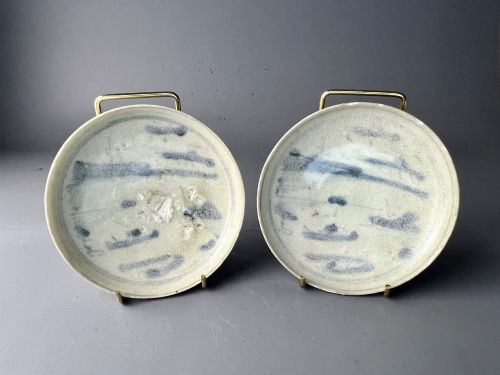
A pair chinese plates brings twin centuries of kilns straight to the table, offering matched symmetry and hand-painted artistry that catches the eye.
Pair Chinese Plates
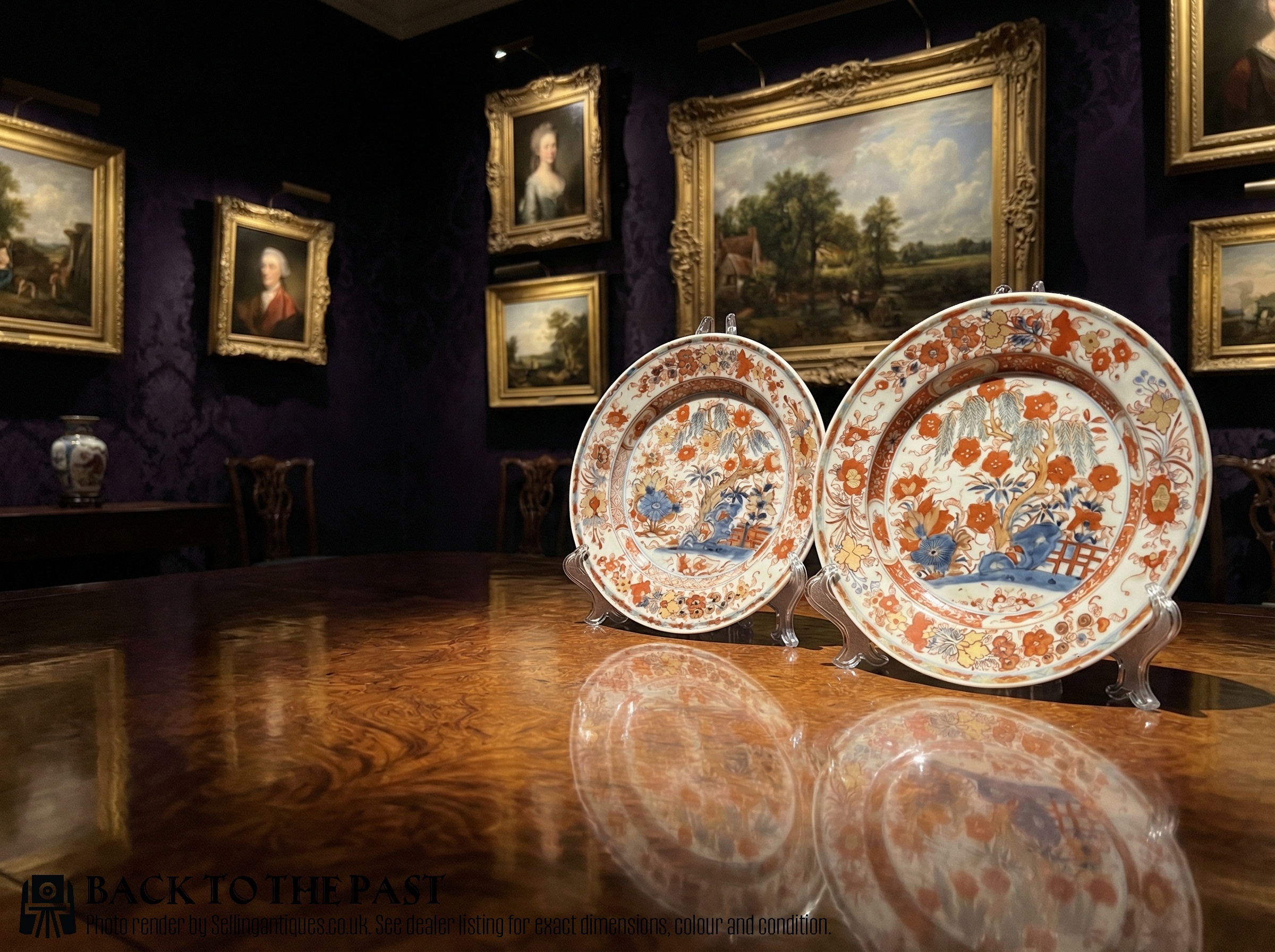
When you search for a pair chinese plates, you encounter matched sets of circular or rectangular platters originating from diverse periods like the eighteenth century and the Victorian era. These objects function primarily as decorative chargers, serving dishes, and display plates rather than everyday tableware.
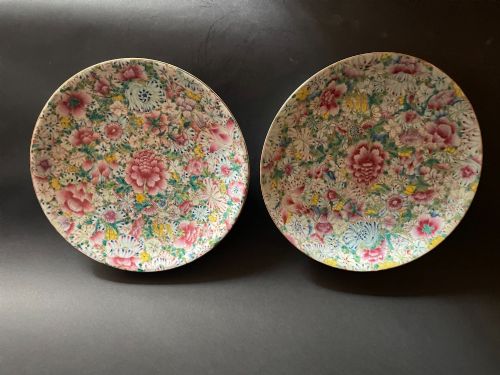
The versions you meet most frequently on this page span eighteenth-century blue and white export ware and nineteenth-century famille rose pieces. Certain examples display specific reign marks and imperial styles, while others arrive from later periods including nineteen-hundred and nineteen-thirty.
Collectors seek these matching pairs for their balanced visual weight and historical depth, often displaying them on walls or dresser plate racks. Each pairing reveals subtle variations in hand-painted motifs that reflect the individual brush of the period artisan.
Materials and manufacture
The manufacture relies primarily on fine ceramic porcelain shaped into plates and chargers, then fired at high temperatures. Artisans applied cobalt pigment under the glaze for classic blue and white designs.
Polychrome decoration incorporates coloured enamel and gold leaf or gilt details added over the glaze. Certain alternative examples utilise brass or bronze metalwork.
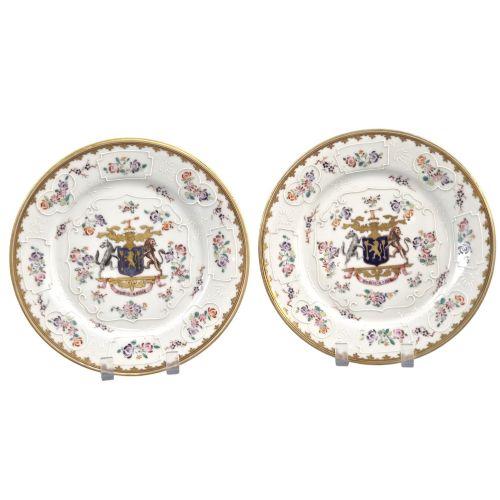
Hand-painted techniques define the surface imagery, with specific pieces enhanced by iron-red pigments and intricate armorial motifs.
Listings on this site range from eighteenth-century porcelain and nineteenth-century brass to twentieth-century decorative chargers.
Assessing quality and execution
Quality rests in the precision and crispness of the hand-painted brushwork across both matching pieces, where superior examples exhibit confident lines and balanced composition. The consistency of the glaze and the purity of the porcelain body also separate standard production from finer creations.
The complexity of the palette influences distinction, moving from straightforward blue and white designs to intricate famille rose schemes enriched with gold leaf. Imperial marks and period-specific attribution add further layers of distinction to individual items.
Edmé Samson & Cie
The Pair Chinese Plates Glossary
- Famille Rose
- A major palette of Chinese ceramic glazes introduced in the Qing dynasty, characterised by opaque pink or rose enamel colours. This pigment allowed for nuanced shading of floral and figural scenes.
- Blue and White
- A decoration style employing cobalt oxide pigment applied beneath a transparent glaze to produce blue designs on a white porcelain ground. The technique reached high artistic levels during multiple imperial reigns.
- Charger
- A large decorative plate utilised historically for ceremonial dining or sideboard display rather than individual service. These substantial vessels often carry the most ambitious painted programmes.
- Export Ware
- Porcelain produced in China specifically for overseas markets in Europe and the West, combining traditional Eastern techniques with Western heraldic or domestic shapes.
- Armorial
- A ceramic design incorporating specific family coats of arms or crests, typically commissioned by European buyers through export trade channels.
Pair Chinese Plates: Frequently Asked Questions
How are these plates displayed safely?
Matched pairs look best mounted on walls using coated spring hangers or placed securely in deep plate grooves on a dresser.
Keep them away from direct sunlight and high-traffic walkways to protect the fragile enamel and gilt surfaces.
Can I use them for food?
Antique ceramic and porcelain platters from eighteenth and nineteenth-century periods are generally reserved for display rather than active dining.
Cleaning should be limited to gentle dusting or very careful hand washing with lukewarm water, avoiding modern detergents.
What does famille rose mean?
Famille rose refers to a ceramic decorative style dominated by opaque pink enamel colours introduced during the Qing dynasty.
This palette allowed artisans to paint delicate flowers and figures with soft tonal gradations.
How do I spot eighteenth-century pieces?
Eighteenth-century examples often exhibit characteristic export blue and white decoration or early famille rose painting on resonant porcelain bodies.
Comparing the potting weight, foot ring finish, and pigment depth helps distinguish these earlier vessels from later twentieth-century interpretations.