





Hand Painted Imari Dishes
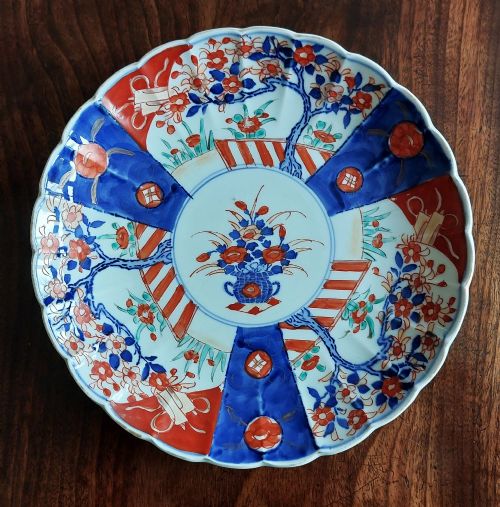
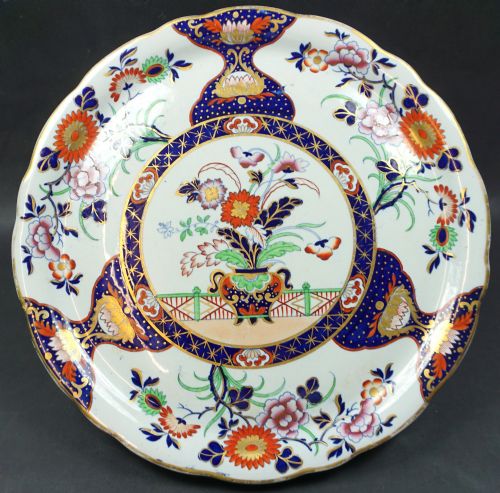
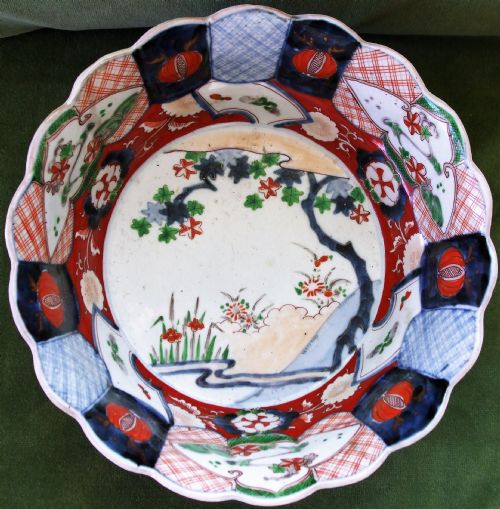
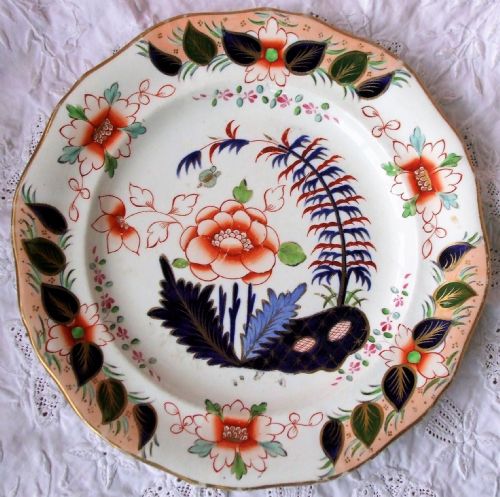
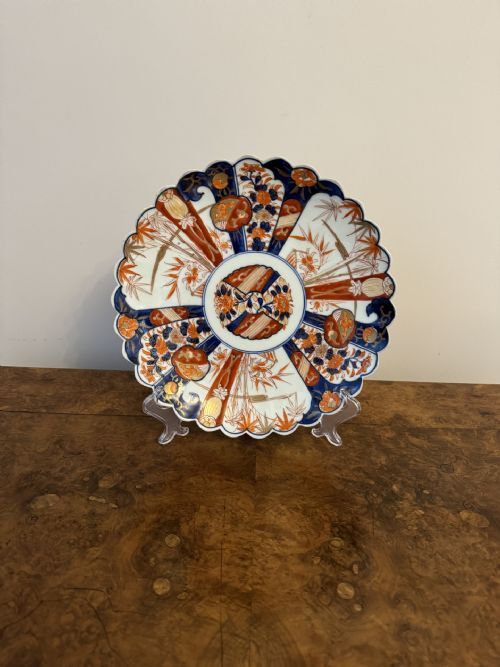
These hand painted imari dishes combine iron red, cobalt underglaze, and gold leaf on porcelain to bring rich colour and detailed panels into a room.
Hand Painted Imari Dishes
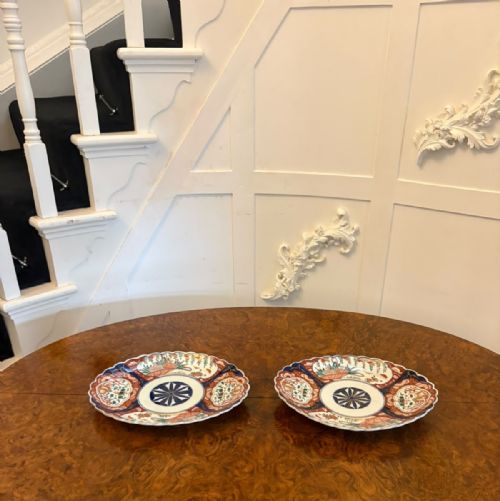
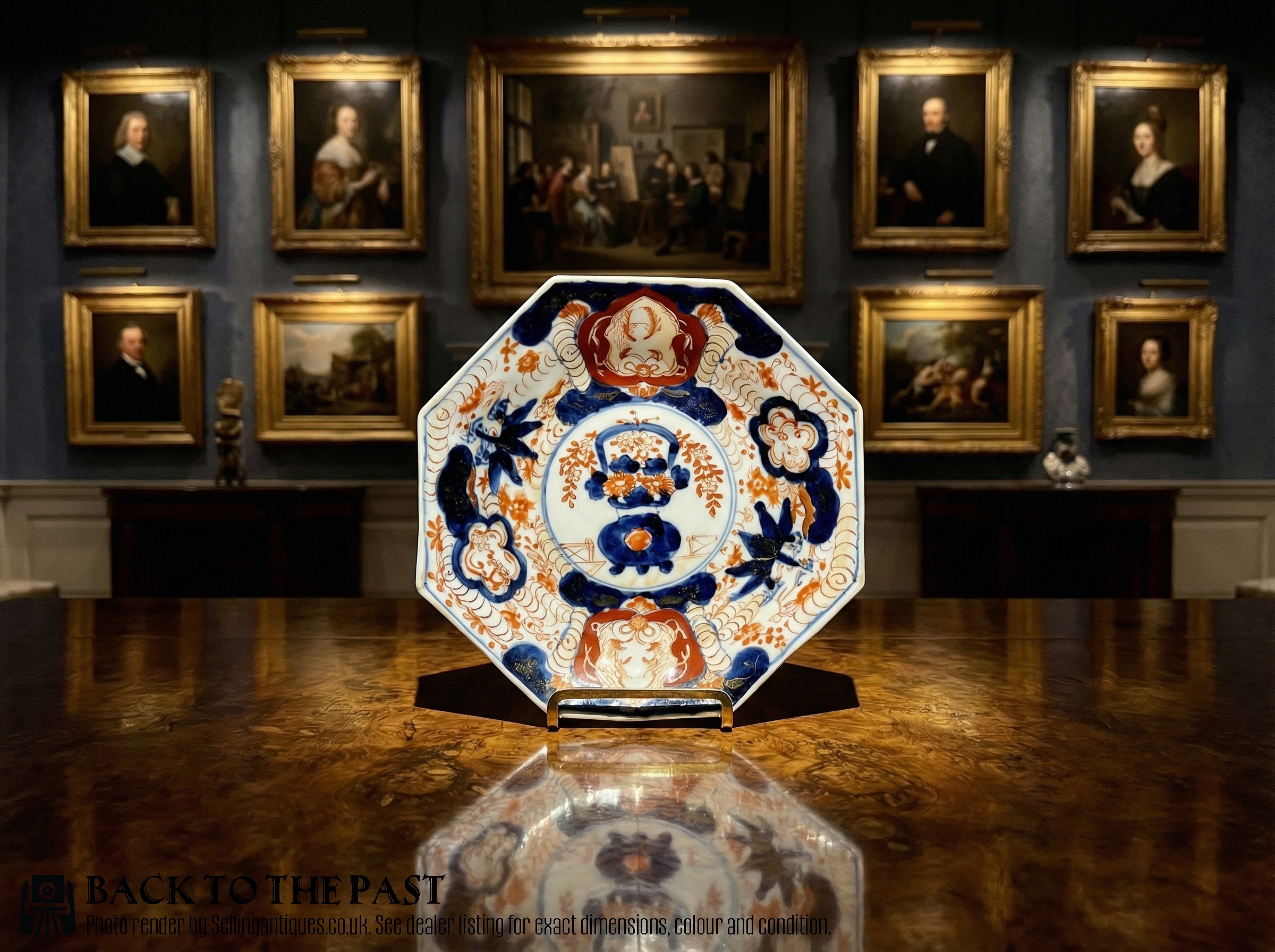
Hand painted imari dishes appear primarily as chargers, plates, bowls, and serving dishes originating from Japanese Meiji period workshops and 19th-century makers.
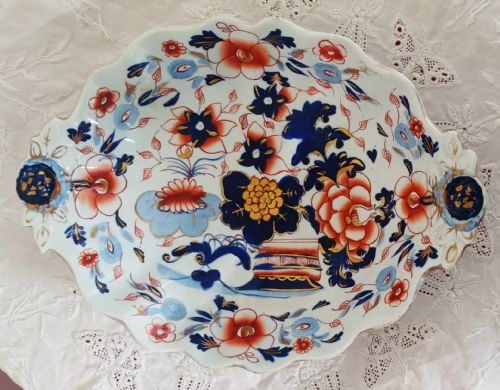
Buyers will encounter Japanese examples alongside Chinese export pieces and English ironstone interpretations bearing the distinct palette.
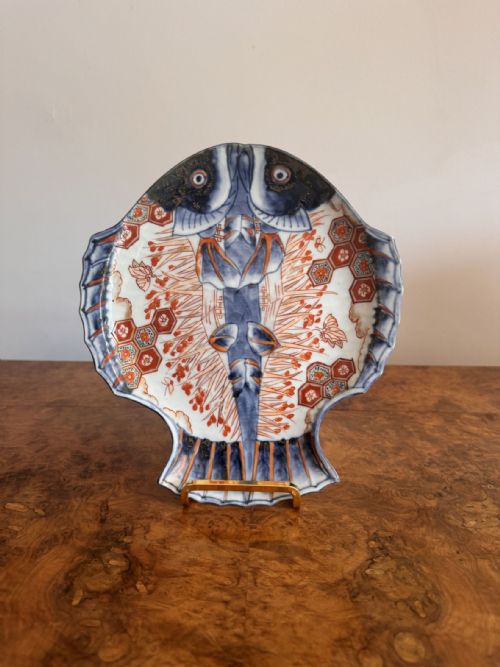
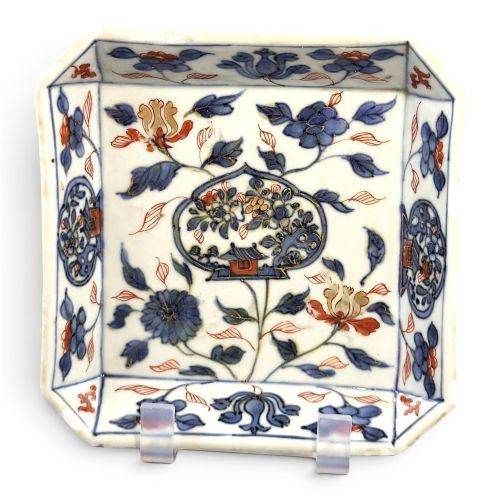
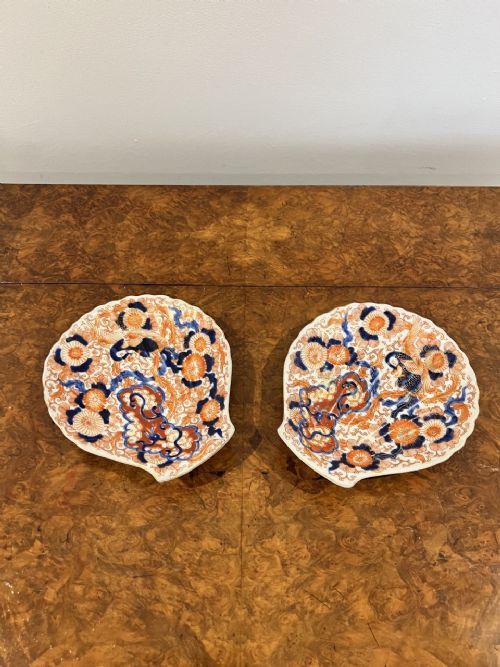
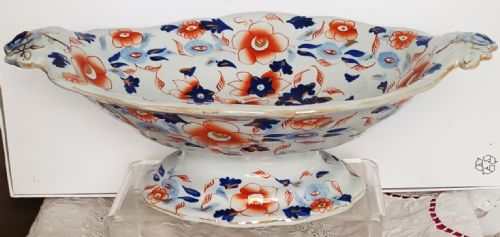
Forms range from standard round plates to scalloped edges, hexagonal shapes, fish forms, and oval dishes.

How they were made
Potters shaped ceramic and porcelain bodies before applying cobalt underglaze for deep blue details and iron red enamel for contrasting motifs.
Gilding and gold leaf highlights were added during secondary firings to catch the light across floral and bird designs.
Hand Painted Imari Dishes Retail Price Guide 2026
Typical asking prices for hand painted imari dishes among the pieces listed under this phrase on Sellingantiques today, from the lower quarter to the upper quarter. They describe what is for sale here now, not the wider market.
Among the standard round plates, occasional pieces take the form of swimming fish and scalloped shells.
What varies in quality
Precision and density of the hand painted brushwork separate standard production wares from pieces with crisp, deliberate detailing.
The vibrancy of the enamel colours and the preservation of the gold leaf across scalloped and shaped edges dictate the overall presence of each piece.
Hicks & Meigh·John Davenport of Longport·Royal Crown Derby·Spode
The Hand Painted Imari Dishes Glossary
- Imari
- A style of ceramic decoration originating in Japan, characterised by a palette of cobalt blue, iron red, and gold.
- Meiji Period
- The era in Japanese history spanning from 1868 to 1912, responsible for much of the export porcelain seen today.
- Cobalt Underglaze
- A blue pigment applied to ceramic before glazing and firing, producing a durable cobalt design beneath the surface.
- Ironstone
- A heavy, durable type of ceramic developed in England as a robust alternative to porcelain.
- Charger
- A large decorative plate or dish intended for display rather than standard dining use.
Hand Painted Imari Dishes: Frequently Asked Questions
How do I display a charger?
Large chargers and decorative plates work well mounted on walls using appropriate secure fixings or stood upright on dedicated plate stands within cabinets.
Position them away from direct sunlight to protect the enamel colours and gold leaf over time.
Are these pieces safe for food?
Most antique pieces function primarily as decorative items due to their age and delicate hand painted surfaces.
Hand washing in warm water without harsh detergents preserves the glaze and gilding if used occasionally for serving.
How do I tell Japanese from English pieces?
Japanese examples usually feature traditional porcelain bodies with cobalt underglaze and iron red floral or bird motifs characteristic of the Meiji period.
English interpretations often utilise heavier ironstone bodies marked by specific nineteenth-century potteries.
What is the Kangxi period?
The Kangxi period covers a major era of Chinese porcelain production spanning from 1661 to 1722.
Pieces from this time often display fine potting and distinct export styles that influenced later Japanese and European makers.