

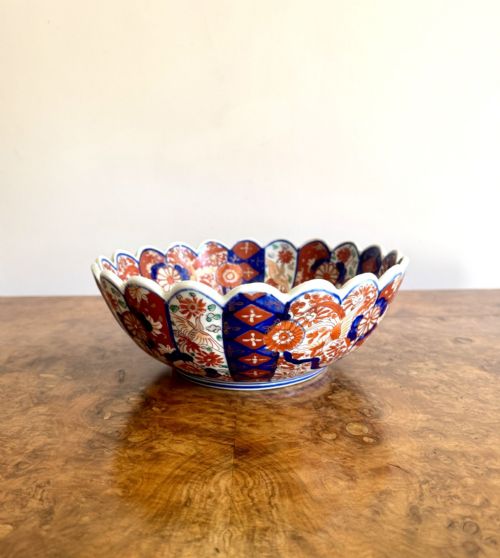


Oriental Blue White Bowl
An oriental blue white bowl brings centuries of ceramic tradition into a room, offering hand-painted cobalt patterns on crisp porcelain that collectors seek for display.
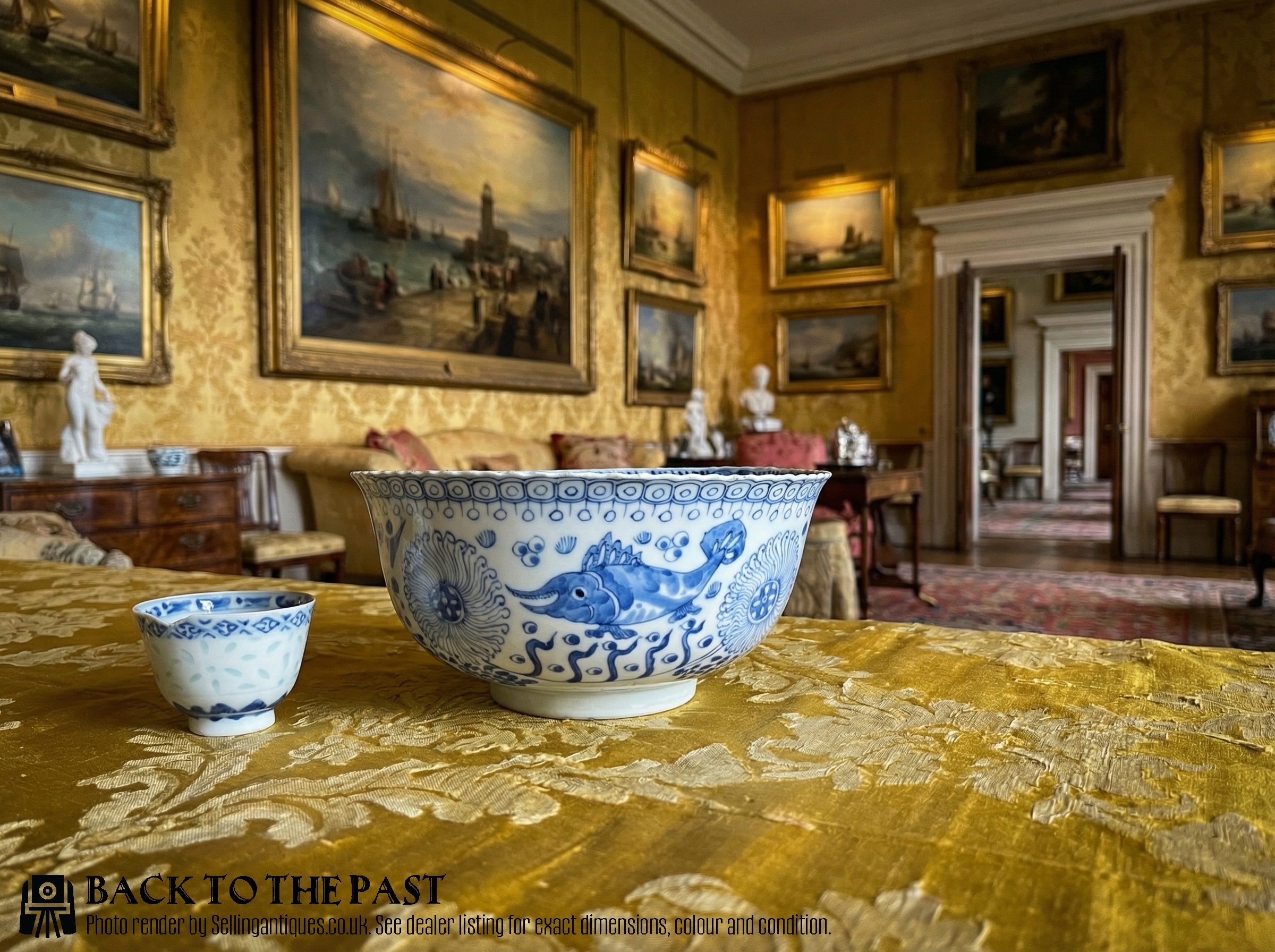
Oriental Blue White Bowl
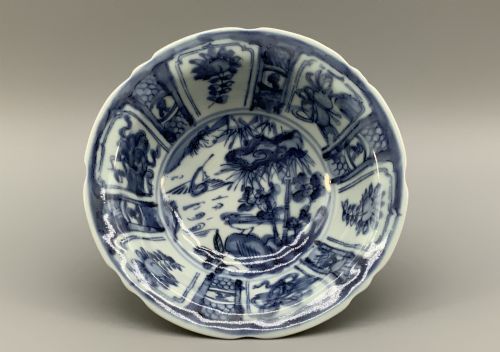
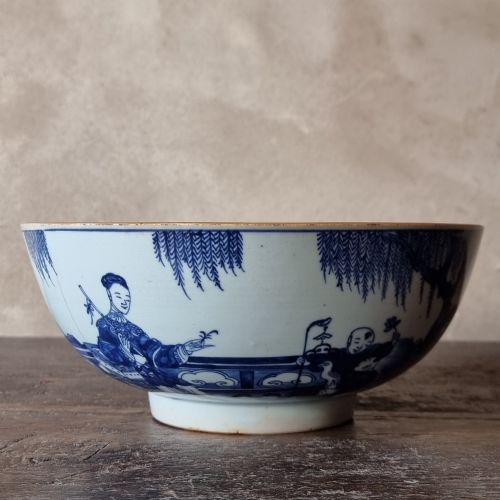
An oriental blue white bowl encompasses centuries of ceramic production across China and Japan, taking forms from small tea vessels to large punch bowls and garden planters. When you search for an oriental blue white bowl, you encounter pieces spanning from the Ming dynasty through the Qing dynasty and the Japanese Edo and Meiji periods.
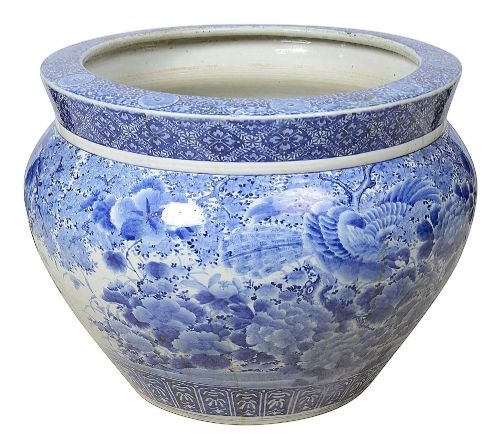
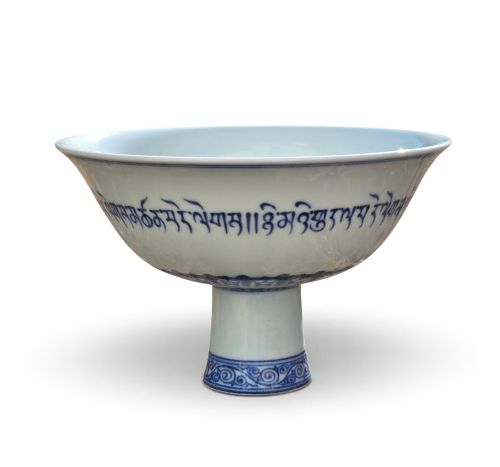
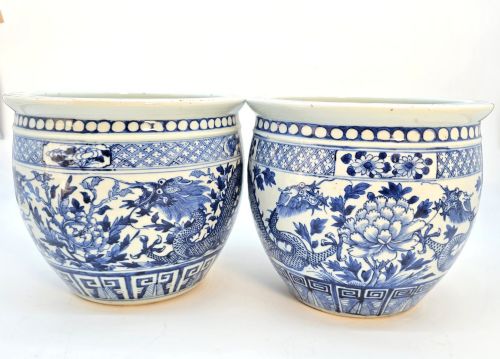
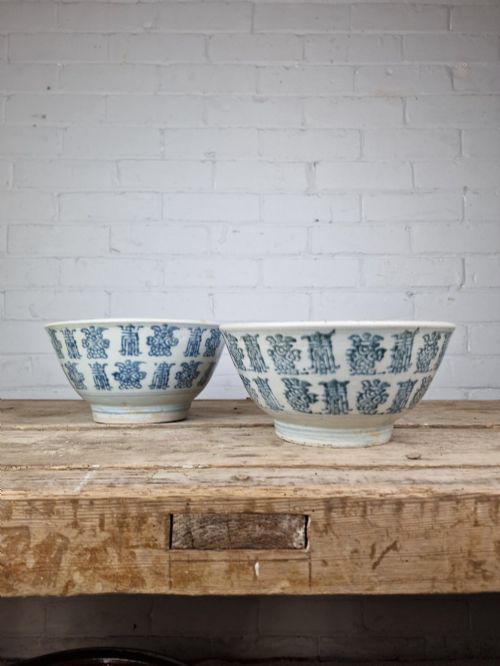
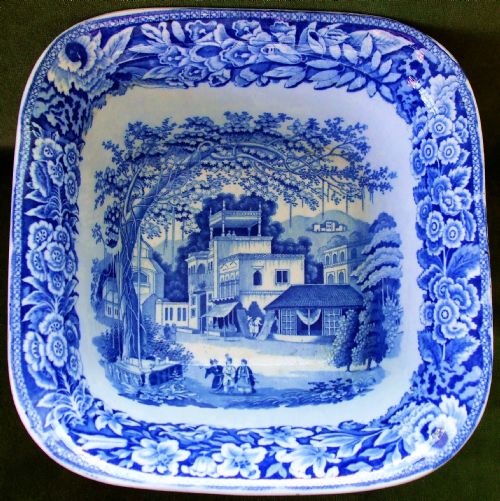
The objects listed here range widely in scale and purpose, including decorative dishes, stem cups, brush washers, and large jardinières. Chinese export wares and Japanese Arita Imari pieces appear frequently alongside provincial bowls and punch bowls.
Earlier examples date back to the sixteenth century, while nineteenth-century items bring different stylistic interpretations and script markings. Each oriental blue white bowl reflects the specific kiln traditions and decorative motifs of its era of origin.
Materials and construction
Potters created these vessels using fine porcelain or ceramic bodies shaped by hand or on the wheel. Cobalt pigment served as the primary colourant, applied directly to the unglazed clay before the application of a clear glaze.
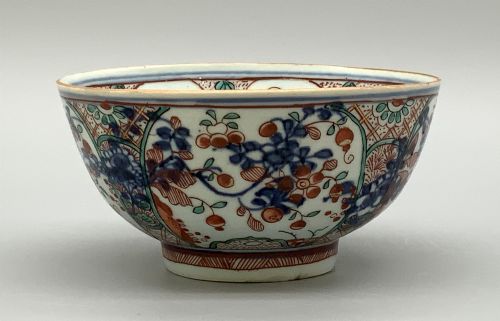
The pieces underwent high-temperature firing in kilns, which fused the cobalt underglaze into the porcelain body to produce deep blue tones. Some examples incorporate additional elements such as enamel colours or gold leaf highlights over the glaze.
Oriental Blue White Bowl Retail Price Guide 2026
Typical asking prices for oriental blue white bowl among the pieces listed under this phrase on Sellingantiques today, from the lower quarter to the upper quarter. They describe what is for sale here now, not the wider market.
A few bowls carry marks and scars left behind simply for the sake of restoration.
Assessing quality in the range
The precision and fluidity of the hand-painted cobalt brushwork define the upper tier of these vessels, where painters executed intricate scenes of scholars, flora, and fauna with immense control. Lesser pieces show heavier, more hurried application with less definition in the motifs.
The purity of the porcelain body and the success of the kiln firing also separate standard items from finer examples, as optimal heat control prevents warping and produces a clear, bright white ground that contrasts sharply with the deep blue pigment.
J. & R. Riley
The Oriental Blue White Bowl Glossary
- Cobalt underglaze
- Pigment applied to the ceramic body beneath a transparent glaze before firing. This technique protects the blue decoration from wear over centuries of use.
- Imari
- A style of Japanese export porcelain featuring underglaze blue combined with iron red and gold. Arita kilns produced the majority of these vibrant wares.
- Doucai
- A Chinese ceramic technique where outlines are painted in underglaze blue, fired, and then filled in with overglaze enamels before a second lower-temperature firing.
- Jardiniere
- A large ornamental pot or bowl designed to hold plants or flowers. These substantial vessels often require sturdy ceramic bodies to support soil and moisture.
- Stem cup
- A drinking vessel raised on a tall, slender foot rather than a flat base. This traditional form appears in several Asian ceramic traditions.
Oriental Blue White Bowl: Frequently Asked Questions
How were these large bowls used?
Large bowls and jardinières served practical and decorative functions in households, holding punch at gatherings or housing plants indoors. Their substantial capacity made them central pieces for entertaining or interior decoration.
Smaller vessels functioned as tea bowls, brush washers, or scholar's items. Their varied scales reflect the diverse domestic and ritual requirements of historical homes.
How do I date a blue and white bowl?
Dating relies on examining the painting style, clay body, glaze characteristics, and any reign marks present on the base. Stylistic shifts between the Ming and Qing dynasties or the Japanese Edo and Meiji periods provide clear chronological markers.
Associated wooden stands, rim shapes, and cobalt tones further assist in narrowing the period of production. Comparing pieces against documented kiln examples confirms their era.
What is the difference between Chinese and Japanese pieces?
Chinese wares often focus on symbolic narratives, scholarly scenes, and refined underglaze cobalt painting across various dynasties. Japanese equivalents, such as Arita wares, frequently incorporate distinct colour palettes like Imari or different floral arrangements.
Clay composition and glazing techniques also vary between regions, reflecting distinct kiln technologies and local aesthetic preferences. Both traditions influenced global export markets over centuries.
How should I display an antique bowl?
Place bowls on stable surfaces away from high traffic areas to protect their edges from accidental knocks. Using traditional carved hardwood stands supports the base and elevates the vessel for better viewing.
Keep pieces out of direct sunlight to protect any overglaze enamels or delicate surface details from fading over time. Gentle dusting maintains the porcelain surface safely.