


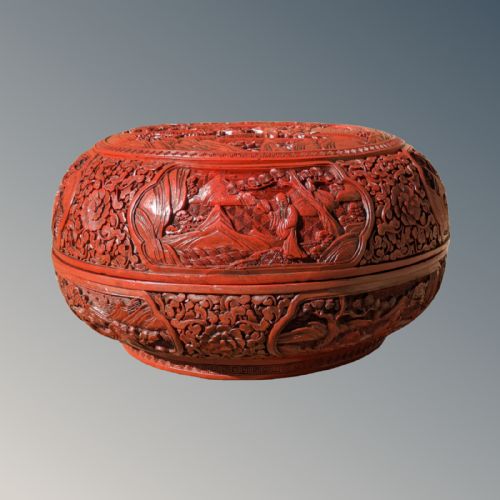


Qing Dynasty Style Bowl
A qing dynasty style bowl brings centuries of imperial craftsmanship and distinctive ceramic artistry straight into a modern interior.
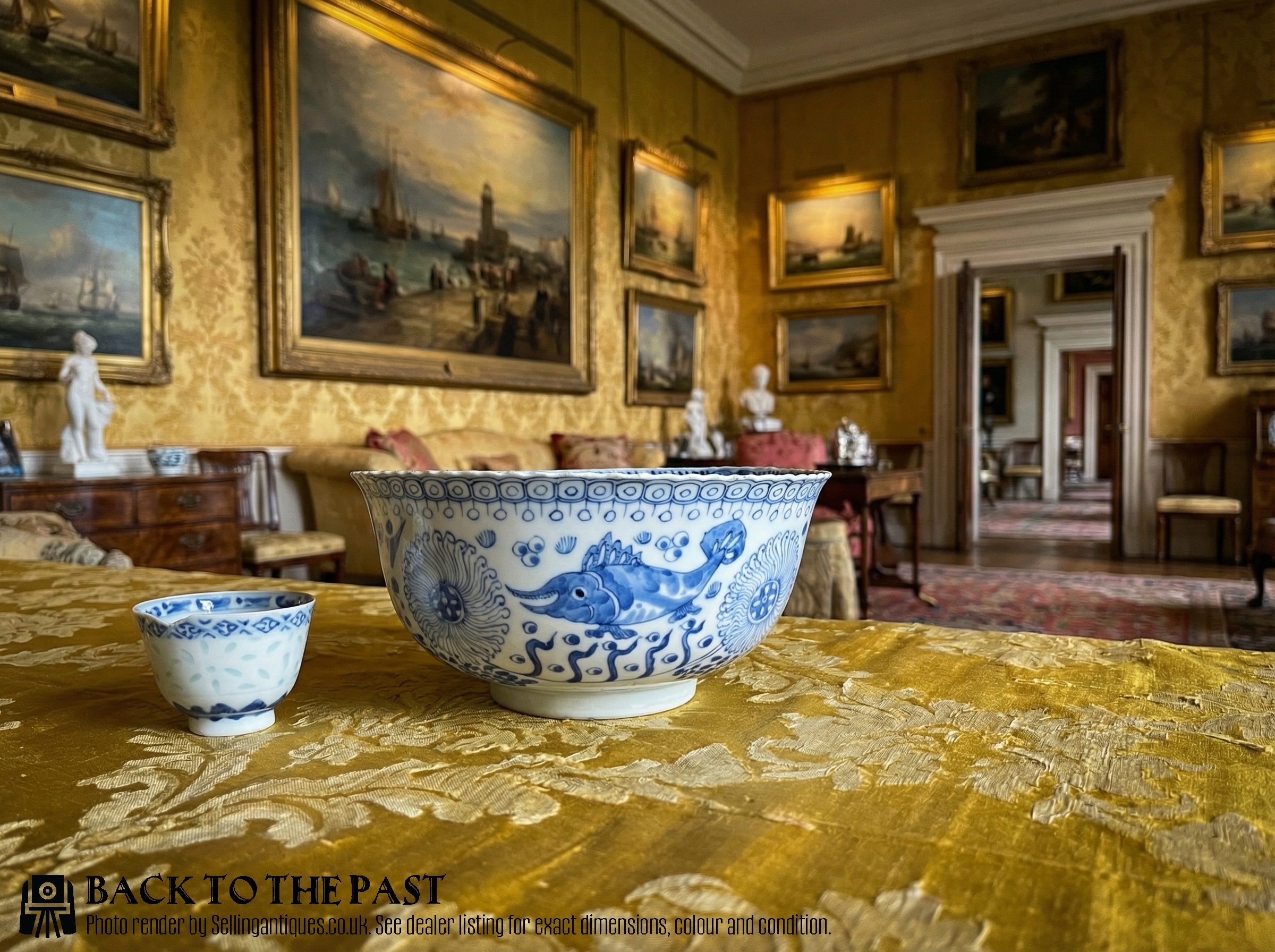
Qing Dynasty Style Bowl
A qing dynasty style bowl encompasses a range of decorative vessels drawing upon the aesthetics and forms of the Qing era, spanning the eighteenth and nineteenth centuries as well as later periods.
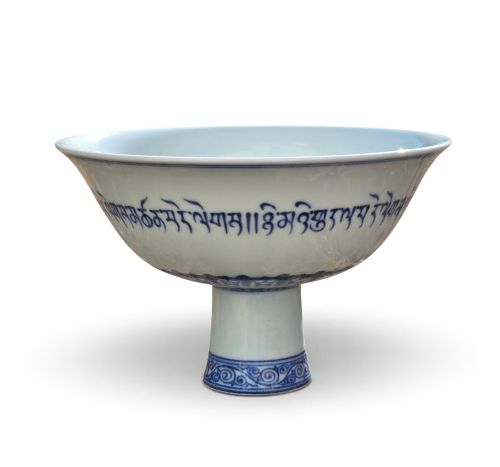
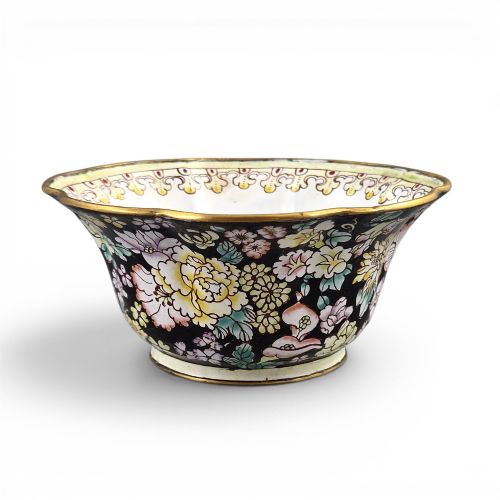
The selections on this page most frequently present porcelain vessels alongside painted enamels, celadon grounds, and stem cups reflecting historical Chinese export and imperial traditions.
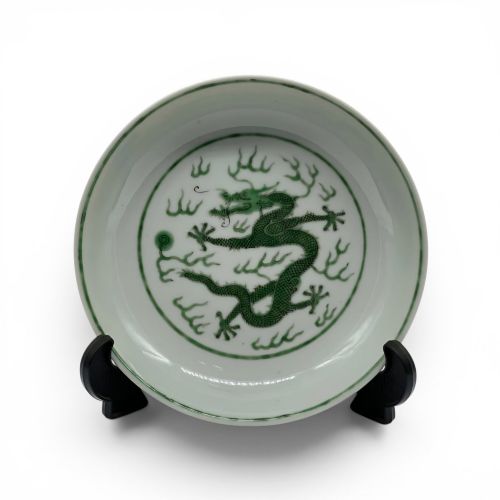
Collectors encounter diverse forms including punch bowls, brush washers, and jardinieres, each carrying traditional motifs such as dragons, phoenixes, and bats.
Materials and methods of construction
The pieces rely primarily upon ceramic traditions utilising porcelain bodies finished with cobalt underglaze, turquoise glazes, or famille rose enamel work.
Artisans also worked with copper foundations for painted enamel pieces, alongside carved cinnabar and occasional hardwood elements.
Decoration often involved intricate hand-painted cobalt blue motifs, delicate gold leaf accents, and specialised doucai techniques combining underglaze blue with overglaze enamels.
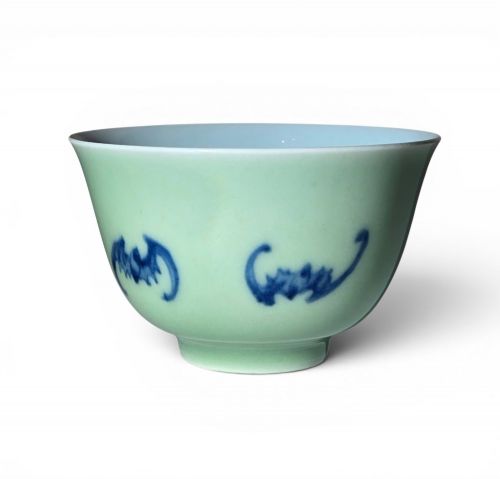
Bats appear frequently in the decoration not as creatures of fright, but as traditional symbols of boundless good fortune and happiness.
Distinctions in quality and execution
The upper tier of these vessels displays precision in hand-painted detail, particularly in complex motifs like dragons and floral sprays executed with clear control over cobalt and enamel pigments.
Execution of glazes creates a visible difference, where even celadon or turquoise surfaces show depth and uniform coverage rather than flat application.
The refinement of the underlying porcelain form and the crispness of imperial-style marks or character bases distinguish finer examples from standard decorative pieces.
The Qing Dynasty Style Bowl Glossary
- Celadon
- A pale green jade-like glaze originating in China. It provides a subtle, translucent finish over porcelain.
- Doucai
- A decorative technique featuring underglaze blue outlines filled in with contrasting overglaze enamels. This method creates a vibrant multi-coloured effect on the surface.
- Famille Rose
- A palette of opaque overglaze enamels dominated by pink or rose colours. It gained prominence during the Qing dynasty for detailed floral and figurative scenes.
- Underglaze Blue
- Cobalt pigment applied directly to the raw clay body before glazing and firing. The process seals the blue design permanently beneath a clear glossy surface.
- Stem Cup
- A small cup raised upon a tall hollow foot or pedestal. These forms have ancient origins and appear in ritual and decorative contexts.
Qing Dynasty Style Bowl: Frequently Asked Questions
What is a qing dynasty style bowl?
A qing dynasty style bowl is a ceramic or enamel vessel created in the aesthetic tradition of China's final imperial dynasty. These pieces reflect historical forms and decorative motifs originating from the eighteenth and nineteenth centuries.
Such vessels range from utilitarian tea bowls and punch bowls to decorative dishes and brush washers. They serve as both historical study pieces and decorative focal points.
How were these bowls used historically?
Historically, these vessels served various domestic, scholarly, and ritual functions within Chinese society. Brush washers cleaned scholar's brushes, while large punch bowls held liquids for communal dining.
Many pieces also functioned purely as decorative objects or imperial presentation items. Their motifs often carried auspicious meanings for prosperity and longevity.
How do I identify different periods?
Identifying periods involves examining the character marks, glaze characteristics, and painting style. Reign marks often indicate the intended stylistic reference rather than a strict production date.
Material composition and pigment depth also help separate eighteenth-century examples from nineteenth-century interpretations. Consulting the specific physical details of the glaze and body provides further guidance.
How do I care for antique porcelain?
Antique porcelain requires gentle handling and stable environmental conditions. Dusting with a soft dry cloth is usually sufficient for regular maintenance.
Avoid using harsh chemical cleaners or exposing the pieces to rapid temperature changes. Displaying them away from direct sunlight protects delicate enamel and gold leaf details.