


Asian Ceramic Punch Bowl
An asian ceramic punch bowl brings centuries of East Asian craftsmanship into a room, offering deep vessels made for display and service.
Asian Ceramic Punch Bowl
When searching for an asian ceramic punch bowl, you find substantial vessels created in China and Japan across several centuries. These bowls serve as decorative centrepieces or serving pieces, originating from periods such as the Ming dynasty, the Qing dynasty, and the Meiji period.
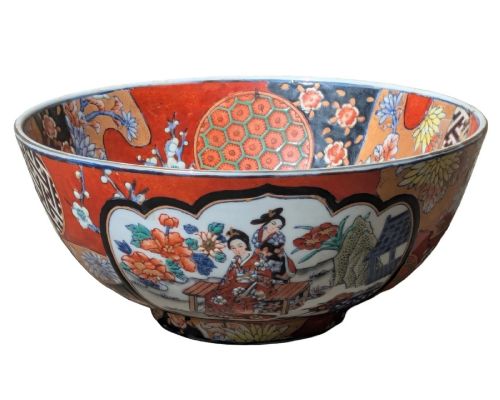
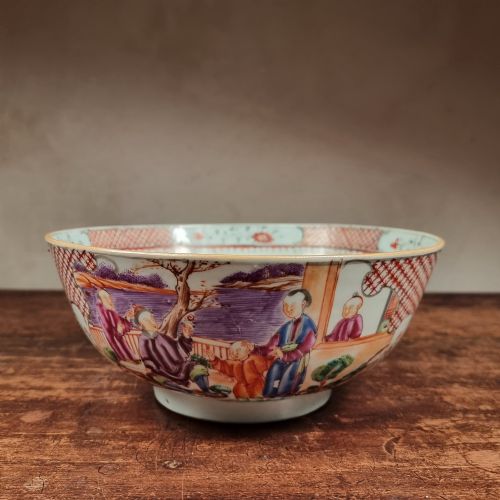
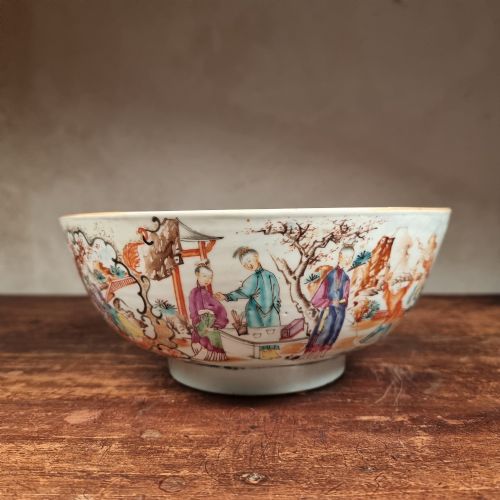
The pieces appearing most frequently on this page include Japanese Imari porcelain bowls from the late nineteenth and early twentieth centuries. Alongside these, Chinese export and Famille Rose bowls demonstrate the range of Far Eastern ceramics available to collectors.
Forms vary from standard circular bowls to scallop-edged designs, sometimes accompanied by hardwood stands. Makers such as Ryuzan produced notable examples, whilst other pieces bear signatures indicating their origin.
How they were made
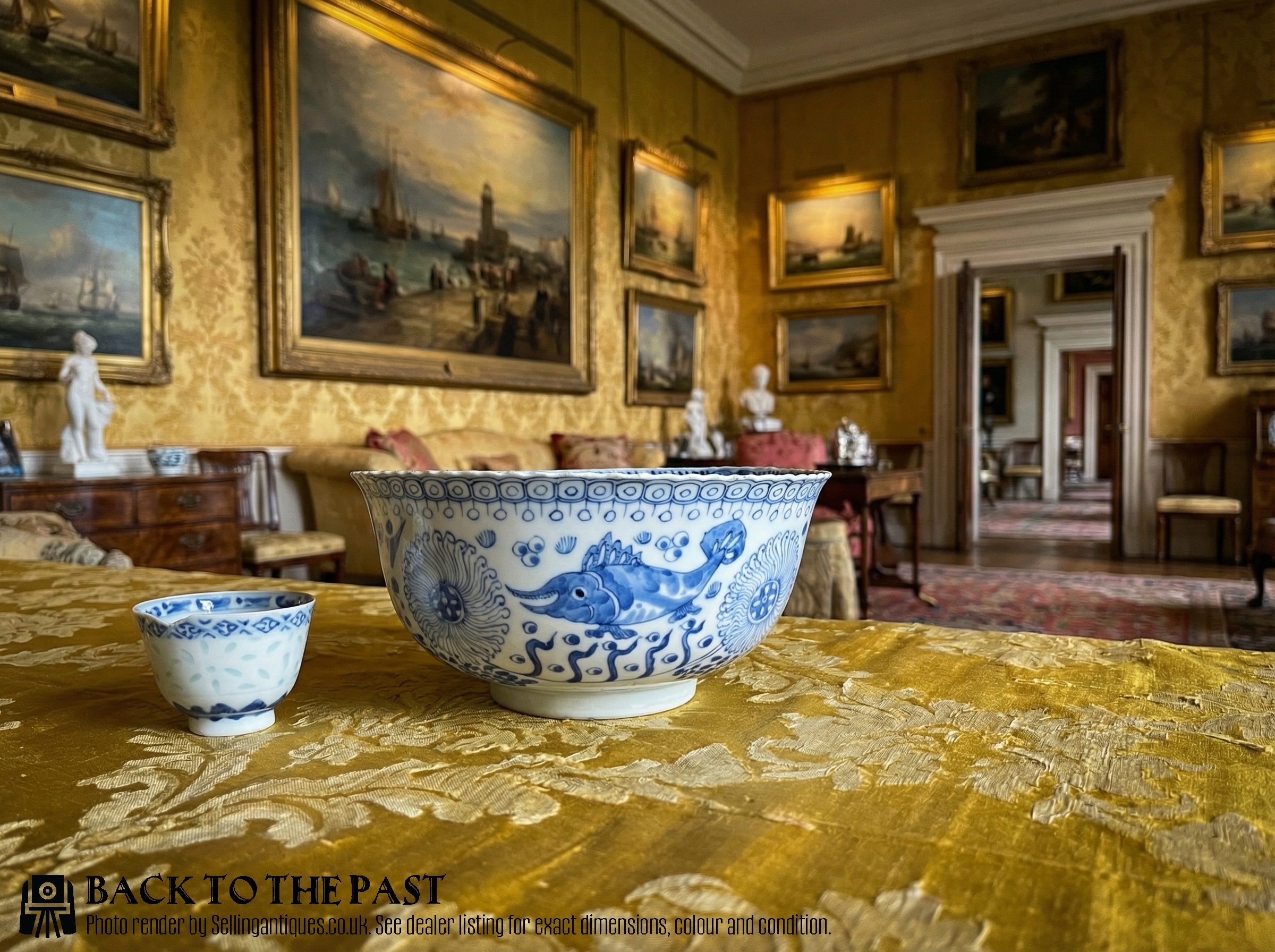
Potters utilised ceramic, earthenware, and fine porcelain as the primary bases for these vessels. Cobalt underglaze provided deep blue decoration beneath the surface before firing.
Artists applied colourful enamel and gold leaf over the glaze to build intricate patterns, particularly visible on Imari and Satsuma wares. Skilled hands shaped each bowl, resulting in heavy bodies and robust structures designed for practical use or ornamental display.
Listings span from the 17th Century to the 1930s, featuring porcelain, earthenware, enamel, and cobalt underglaze.
What varies in quality
Quality rests in the precision of the hand-painted brushwork and the richness of the enamel and gold leaf details. Earlier pieces from the Ming or Genroku periods demonstrate historical significance, whilst later Edwardian and Showa period items reflect changing decorative tastes.
Condition alters desirability, as demonstrated by bowls requiring restoration alongside intact examples. The clarity of cobalt underglaze and the complexity of patterns, such as millefleur designs, separate standard vessels from superior works.
Ryuzan
The Asian Ceramic Punch Bowl Glossary
- Imari
- A style of Japanese porcelain featuring a distinct palette of cobalt blue, iron red, and gold. This ware gained popularity for export to European markets.
- Satsuma
- A type of earthenware from Japan featuring a crackled ivory glaze decorated with polychrome enamels and gilding. It often depicts elaborate figurative and floral scenes.
- Famille Rose
- A palette of Chinese porcelain decoration dominated by opaque pink enamel introduced in the Qing dynasty. The style allowed for delicate shading and botanical motifs.
- Cobalt Underglaze
- A blue pigment applied to ceramic bodies before glazing and firing at high temperatures. This technique ensures the colour remains permanent and protected beneath the glassy surface.
Asian Ceramic Punch Bowl: Frequently Asked Questions
How were punch bowls used originally?
These large bowls held mixed beverages for social gatherings, combining spirits, water, citrus, and spices. Guests served themselves directly from the central vessel using ladles.
Over time, many of these bowls transitioned into purely decorative objects, displayed on tables, sideboards, or dedicated hardwood stands within formal rooms.
How do I distinguish Imari from Satsuma?
Imari pieces consist of hard porcelain decorated with cobalt blue, iron red, and gold in striking geometric and floral patterns. They usually have a resonant ring when tapped gently.
Satsuma pieces utilise an earthenware body with a characteristic creamy, crackled glaze. The decoration relies on dense polychrome enamels and raised gilding rather than underglaze blue.
Can I use these antique bowls for serving food?
Whilst structurally sound, older ceramic and earthenware bowls often bear microscopic age cracks in the glaze that absorb liquids and stains. Historic enamels and gold leaf can also wear away with acidic contents or modern dishwashing.
Collectors generally preserve these pieces for dry display or gentle use rather than everyday dining or liquid service.
How do I date an antique ceramic bowl?
Dating relies on stylistic clues, glaze characteristics, and potting techniques specific to periods like the Meiji era or Qing dynasty. Some pieces carry period marks, signatures, or associated reign names on the base.
Comparing the weight of the ceramic, the brightness of the enamel colours, and the manufacturing style helps place the bowl within its historical window.