



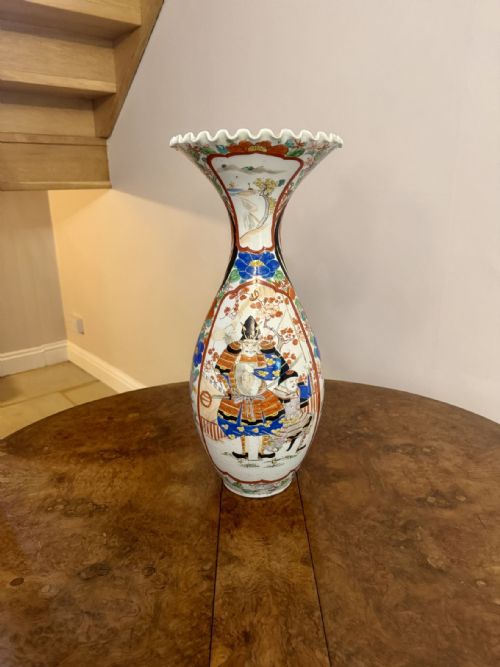
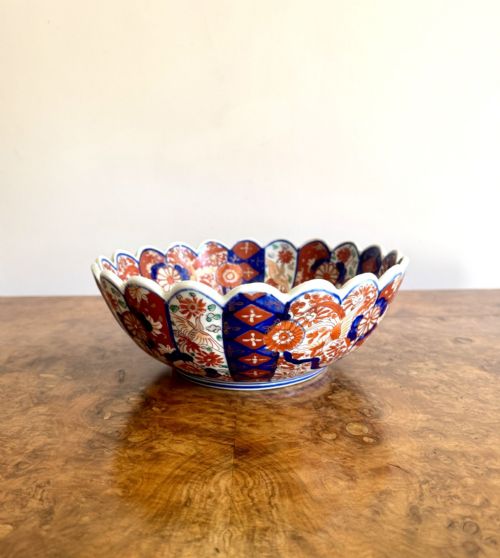


Hand Painted Arita Ware
Hand painted arita ware brings Japanese porcelain history into your rooms through vibrant chargers, bowls, and vases shaped by centuries of tradition.
Hand Painted Arita Ware
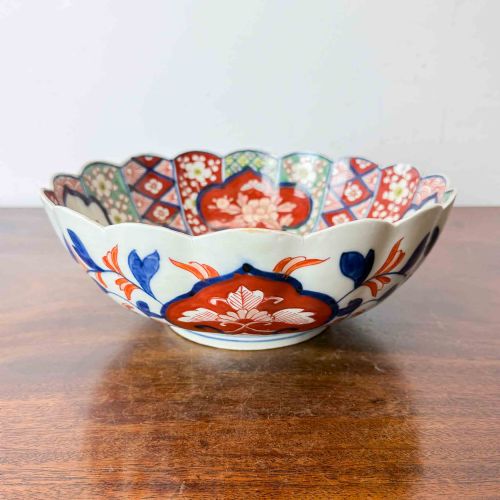
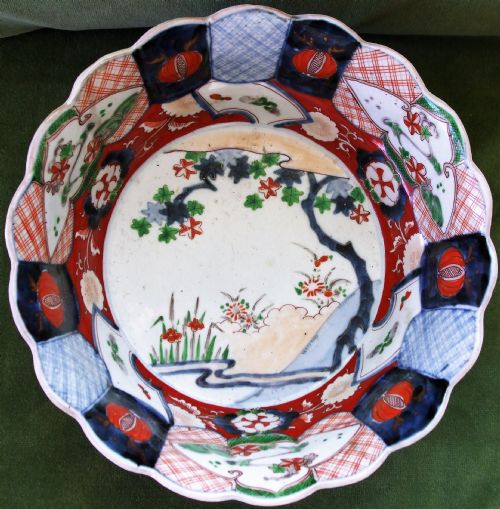
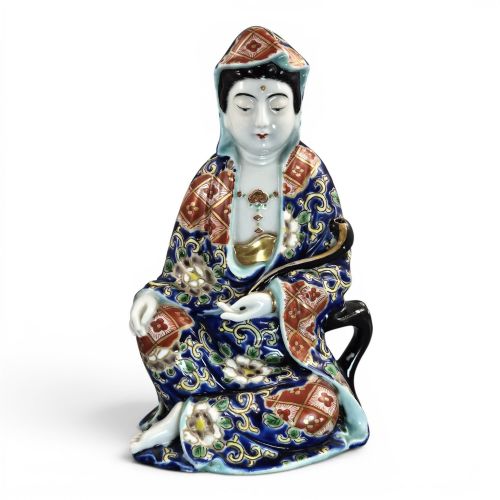
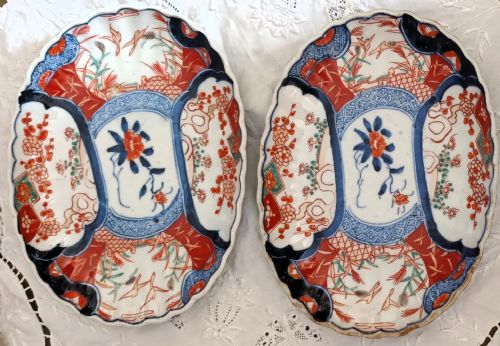
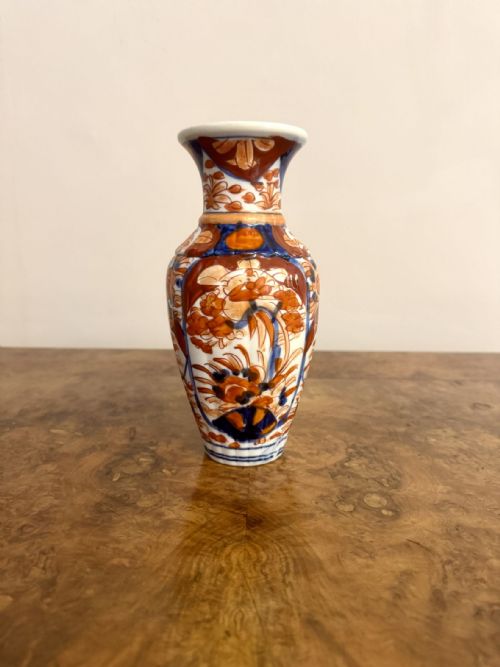
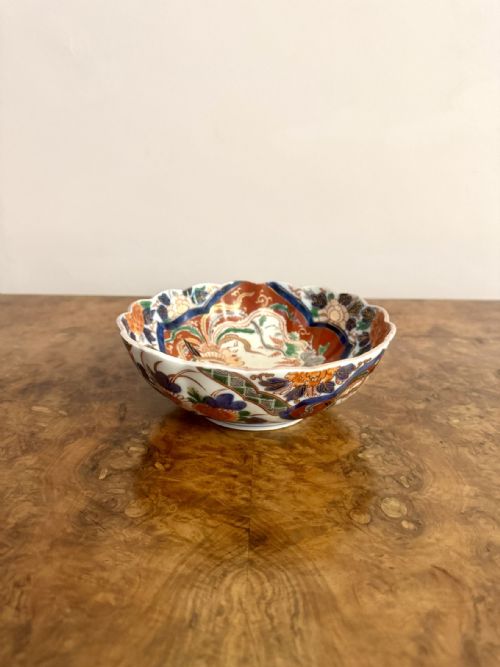
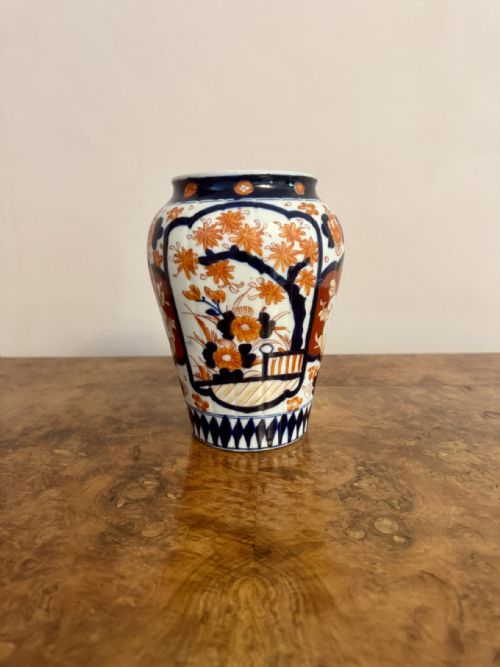
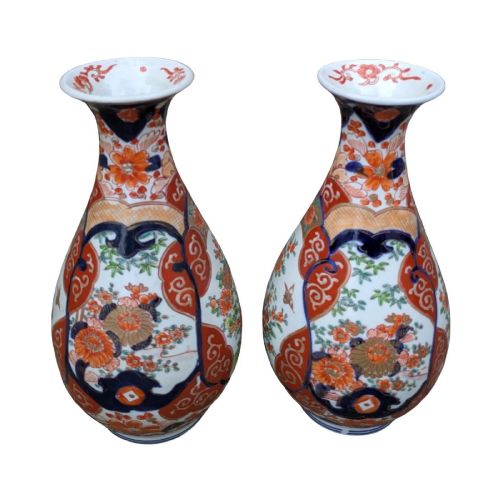
Hand painted arita ware encompasses decorative plates, bowls, chargers, and vases originating from Japan across the eighteenth, nineteenth, and early twentieth centuries. These objects range from large jardiniere planters and hexagonal bowls to delicate fan shaped plates and ceramic figures.
Buyers on this page most frequently encounter nineteenth century items, particularly pieces from the Meiji period alongside Edo and Taisho examples. The selection spans utilitarian vessels transformed into decorative items and elaborate garniture sets designed for prominent display.
Materials and technique
Potters shaped fine porcelain bodies before applying cobalt underglaze pigments to create deep blue designs beneath the clear surface layer. Artisans then added enamel colours, gold leaf, and gilding over the glaze during subsequent firings.
The combination of cobalt underglaze with vibrant enamel and gold gilt defines the distinctive Japanese Imari palette seen across bowls, plates, and vases.
Current listings feature porcelain works spanning the eighteenth, nineteenth, and early twentieth centuries, including Edo and Meiji period examples.
What varies in quality
Quality rests upon the precision of the hand painted brushwork and the richness of the palette, where layered enamel and gold leaf create depth. The clarity of the cobalt underglaze and the crispness of moulded forms like scallop edges and hexagonal shapes distinguish finer items.
The harmony between the iron red, cobalt blue, and gilt details separates standard production pieces from exceptional garnitures and chargers.
The Hand Painted Arita Ware Glossary
- Arita ware
- Japanese porcelain produced around the town of Arita in Hizen province. This ceramic tradition encompasses various decorative styles including blue and white and Imari.
- Imari
- A style of Japanese export porcelain characterised by a distinctive colour palette of cobalt blue, iron red, and gold. Artisans painted these pigments over and under the glaze.
- Charger
- A large decorative plate intended for display on a sideboard or wall rather than for dining use. These large surfaces often display complex floral and bird motifs.
- Garniture
- A set of three or more matching vases designed to be displayed together on a mantelpiece or shelf. These matched groupings show consistent painting styles across different vessel shapes.
- Jardiniere
- A large ceramic pot or bowl used to hold live plants or flowers. These heavy vessels often feature substantial porcelain walls decorated with hand painted designs.
Hand Painted Arita Ware: Frequently Asked Questions
How do I date arita ware?
Dating relies on stylistic markers, materials, and historical periods associated with Japanese ceramic production. Pieces span the Edo, Meiji, and Taisho eras.
Changes in glaze clarity, enamel vibrancy, and painting style help specialists assign items to specific centuries.
What is the fuku mark?
The Fuku mark is a character painted on the base of certain Japanese porcelain pieces. It translates to good fortune or luck.
Collectors find this mark on nineteenth century blue and white wares from Arita.
Are these pieces dishwasher safe?
These antique porcelain objects feature delicate overglaze enamels and gold leaf that require careful manual cleaning. Modern dishwashers will damage the historic surfaces.
Wash them gently by hand in lukewarm water without harsh detergents to preserve the painted decoration.
How were chargers displayed?
Large decorative chargers were traditionally set upon tables or mounted on walls to showcase their intricate hand painted designs. Their substantial scale made them focal points in domestic interiors.
Today they serve similar decorative purposes in cabinet displays or specialised plate stands.