
Antique Asian Porcelain Bowl
When you handle an antique asian porcelain bowl, you touch centuries of kiln craft from Chinese dynasties and Japanese periods.
Antique Asian Porcelain Bowl
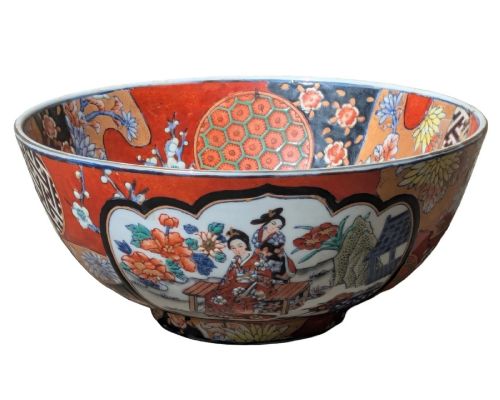
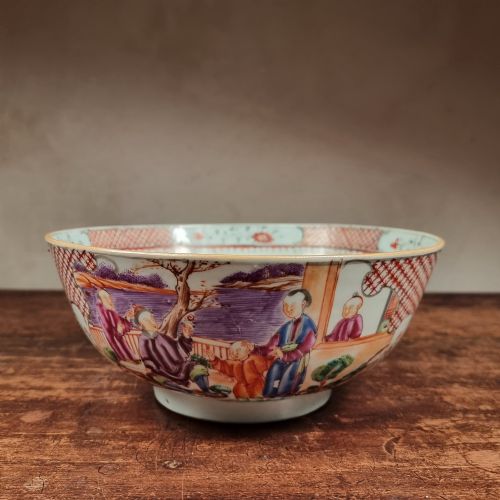
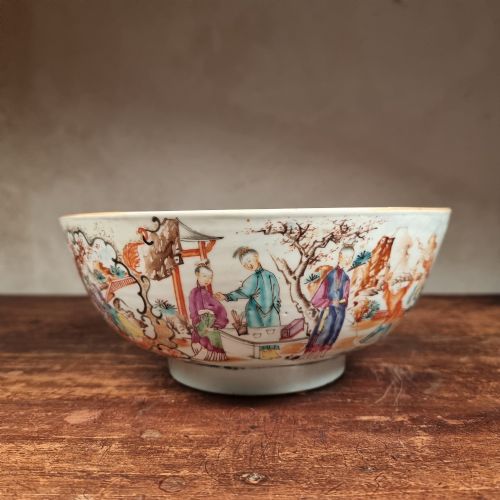
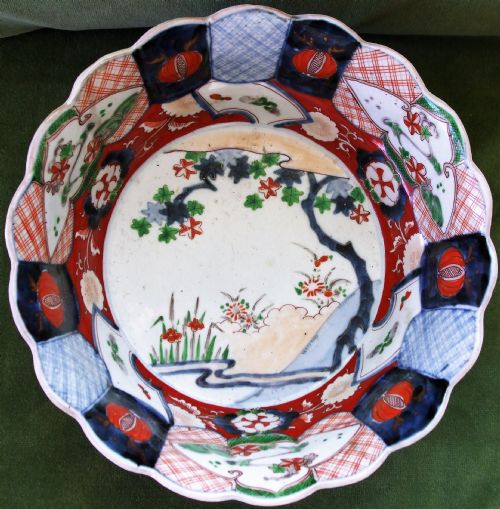
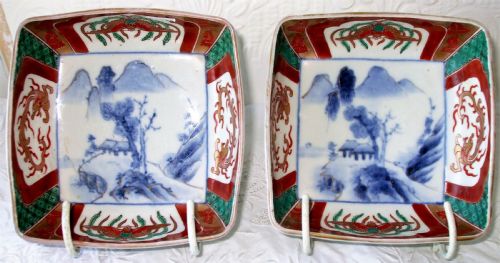
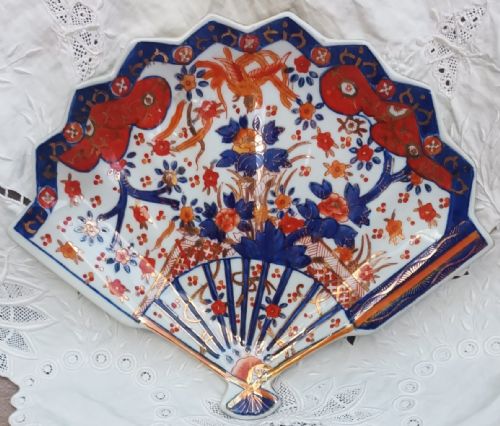
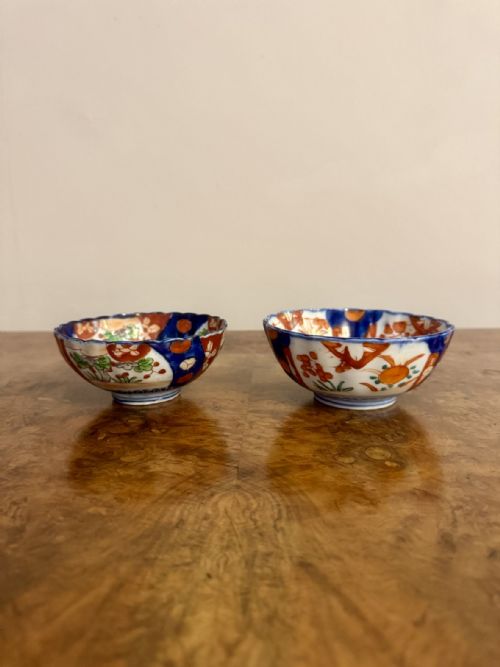
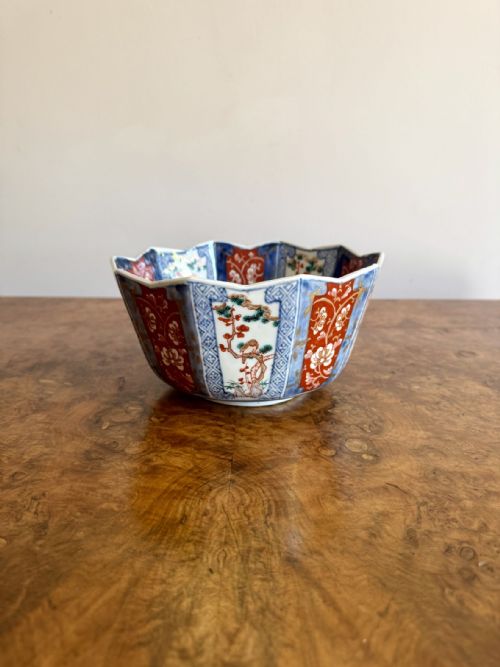
An antique asian porcelain bowl encompasses a diverse array of vessels originating from China and Japan across multiple centuries. Buyers most frequently encounter Japanese Imari wares from the Meiji period alongside Chinese pieces dating from the Ming and Qing dynasties.
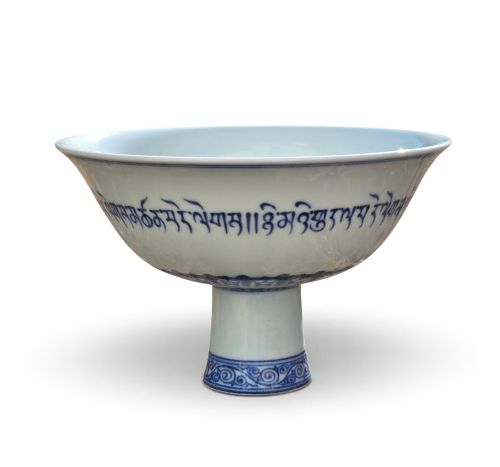
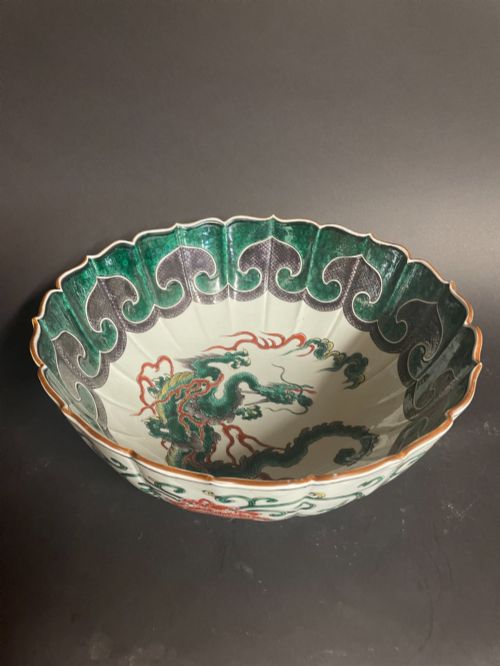
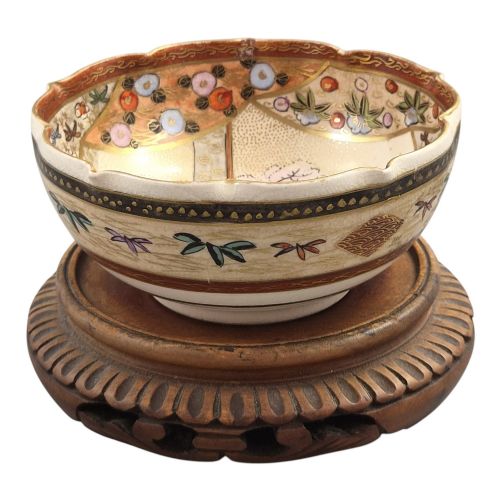
The selection ranges from large decorative bowls and scalloped dishes to smaller Satsuma tea wares and stem cups. These vessels served both utilitarian dining purposes and display functions within Eastern and Western interiors.
Dating spans from seventeenth-century productions up to early twentieth-century Showa period items. Each piece reflects the specific aesthetic priorities of its era, whether provincial utility or imperial court commissions.
Materials and production methods
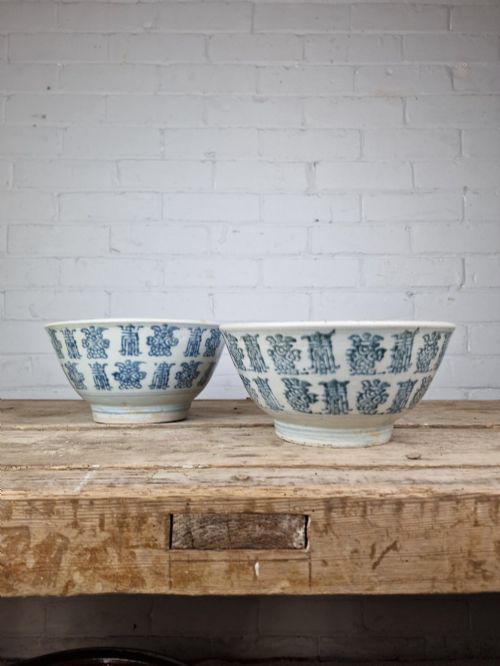
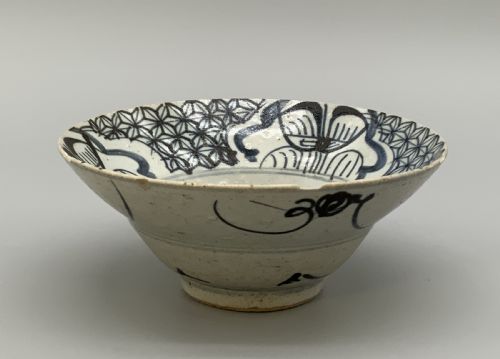
Potters shaped fine porcelain, earthenware and ceramic bodies before applying liquid glazes and cobalt underglaze pigments. Many pieces received secondary overglaze enamel applications and gold leaf detailing, fixed through multiple kiln firings.
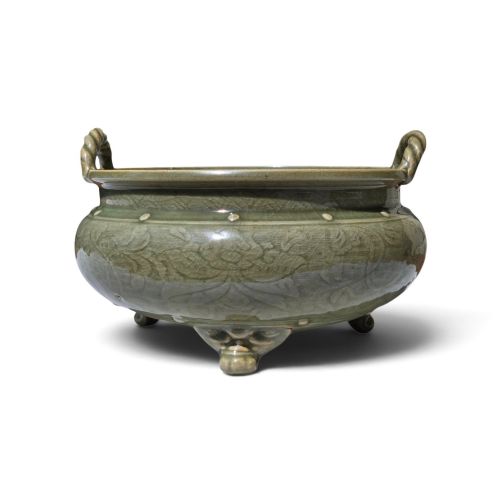
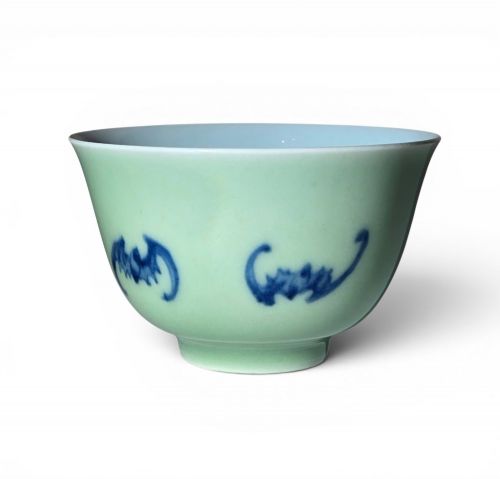
Japanese Satsuma wares utilise an earthenware body covered in a crackle-glaze, painted meticulously with enamels and gilt. Chinese workshops mastered high-fired celadon glazes, doucai palette work and controlled cobalt painting on white porcelain.
Materials represented across the selection include porcelain, earthenware, cobalt underglaze, enamel and gold leaf.
Assessing craftsmanship and execution
Execution of painted detail separates standard workshop output from master works. Precision in cobalt underglaze lines, fineness of gold leaf application, and complexity of pictorial motifs indicate the skill level of the maker.
Control during the firing process dictates the success of the glaze, whether achieving an even celadon hue or a crisp crackle. The weight of the porcelain body, throwing symmetry, and clarity of reign marks further define the hierarchy of these vessels.
Gyokkō·Kozan·Shizan·Ryuzan·Hododa·Shozan
The Antique Asian Porcelain Bowl Glossary
- Imari
- Japanese export porcelain decorated in underglaze blue, iron red and gold. This style originated in Arita and gained immense popularity across Europe during the Edo period.
- Satsuma
- Japanese pottery characterised by an ivory-coloured crackle-glaze and intricate polychrome enamel and gilt decoration. Kyoto studios produced many fine examples during the Meiji period.
- Celadon
- A pale green or grey-green transparent glaze over a white porcelain or stoneware body. The colour results from iron oxide reacting within a reduction kiln atmosphere.
- Doucai
- A Chinese porcelain decorating technique combining underglaze blue outlines with overglaze enamel infill. Workers applied the contrasting colours across separate kiln firings.
- Kutani
- Japanese coloured porcelain and ceramic ware originating from Kaga province. These pieces often feature bold pictorial scenes painted in vibrant mineral enamels.
Antique Asian Porcelain Bowl: Frequently Asked Questions
How do I identify Chinese versus Japanese bowls?
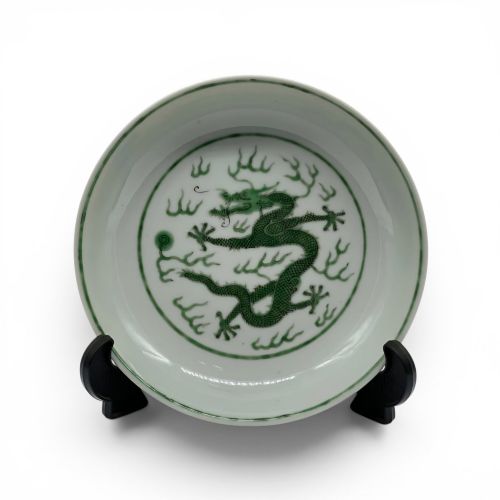
Examination of the paste, palette and motifs generally reveals the geographic origin. Chinese pieces frequently display dynastic references, imperial dragon designs or specific celadon and doucai glazing techniques.
Japanese vessels often exhibit characteristic Imari iron-red colour schemes or the distinct crackle-glaze and gilt-heavy decoration associated with Satsuma production.
How were these bowls originally used?
Many larger bowls served as centrepieces for food presentation or decorative display within elite households. Smaller vessels functioned as rice bowls, wine cups, or specialised ritual objects.
Incense burners and stem cups fulfilled specific ceremonial and scholarly duties. Export items primarily satisfied Western desires for exotic table art.
How should I care for antique porcelain?
Wash porcelain bowls by hand in warm water using mild soap, avoiding abrasive sponges or harsh chemical detergents. Sudden temperature changes can stress aged ceramic bodies.
Display vessels securely away from high-traffic edges where accidental knocks might occur. Gilt and overglaze enamel details require particularly gentle handling to prevent surface wear.