
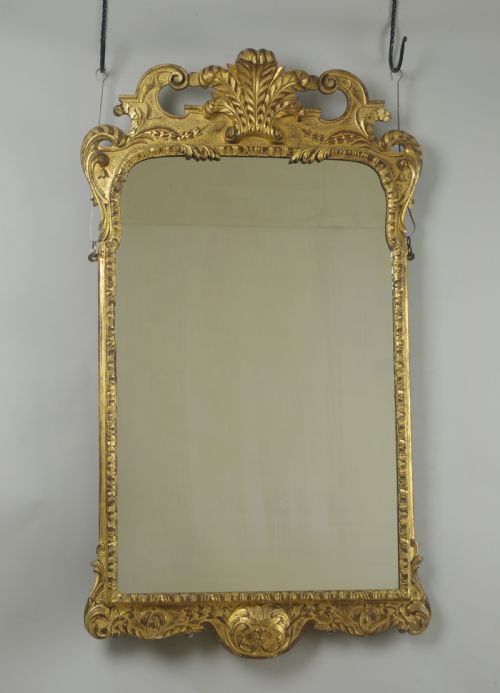
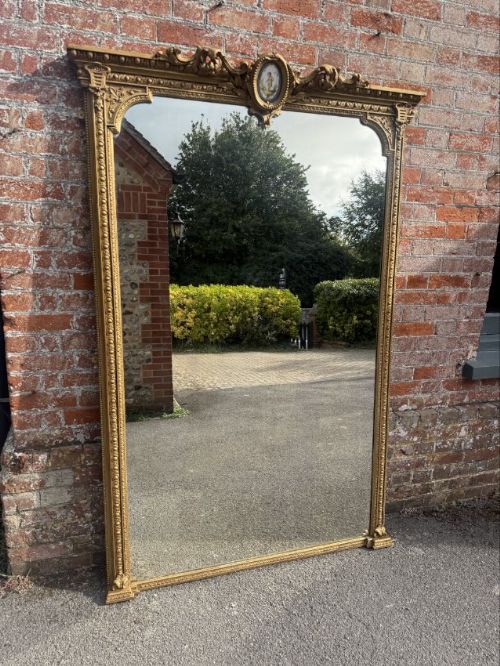
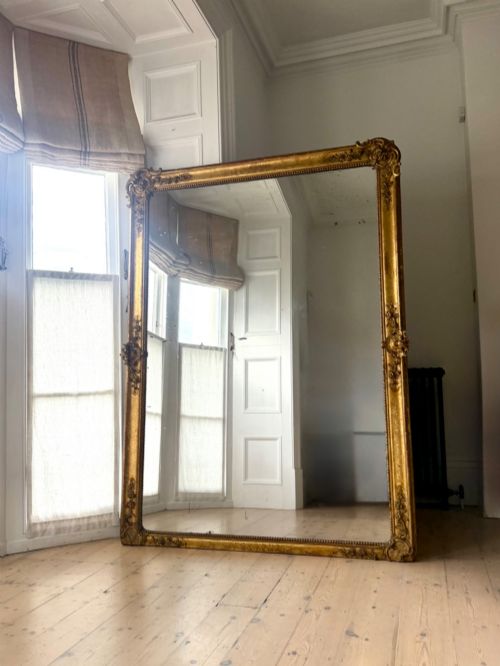
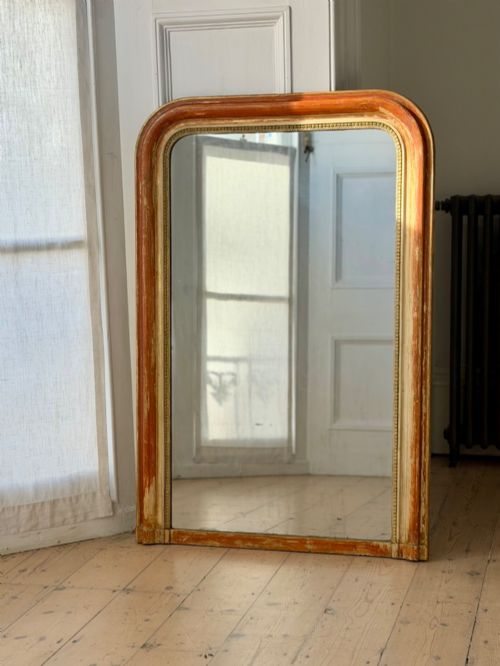
Mirrored Glass Wall Mirror
A mirrored glass wall mirror opens up a room by catching the light, bringing centuries of craftsmanship directly into your home.
Mirrored Glass Wall Mirror
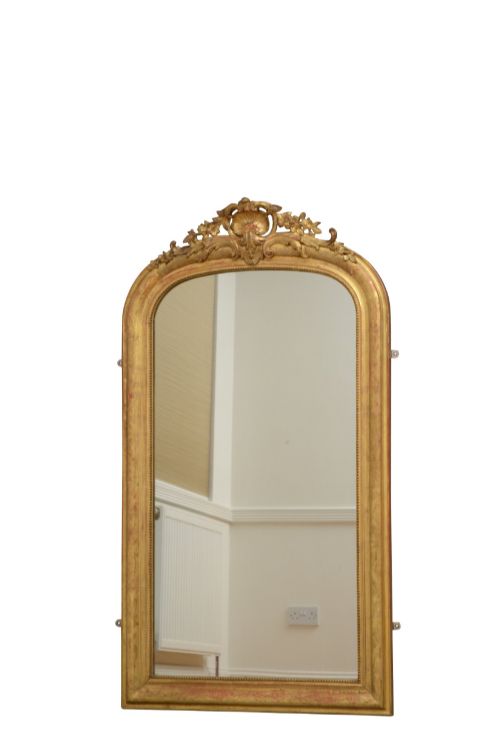
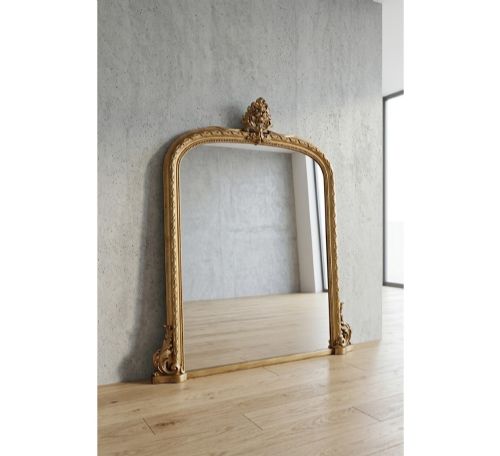
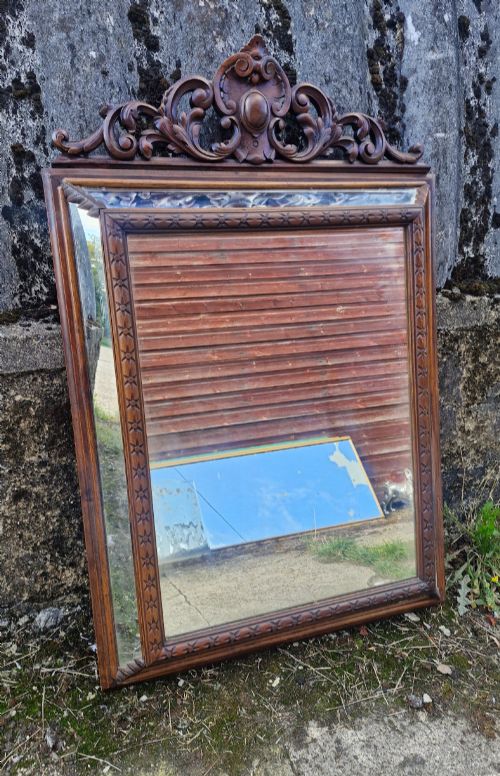
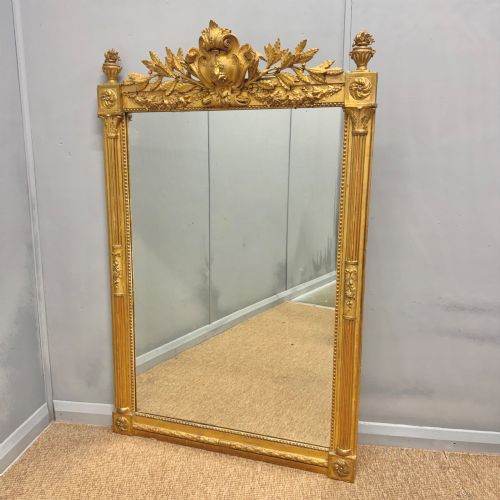
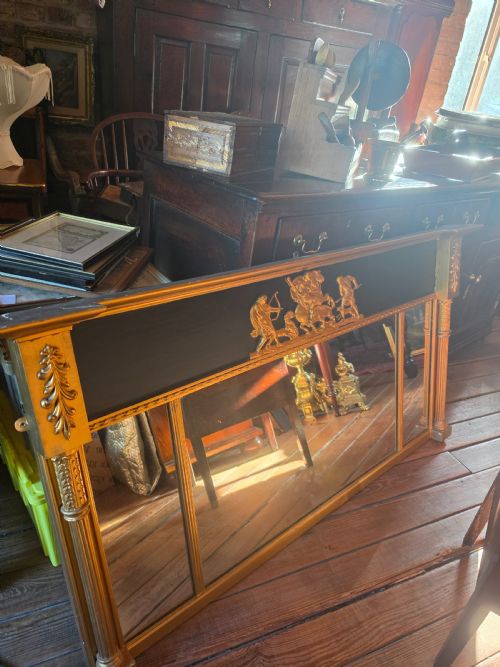
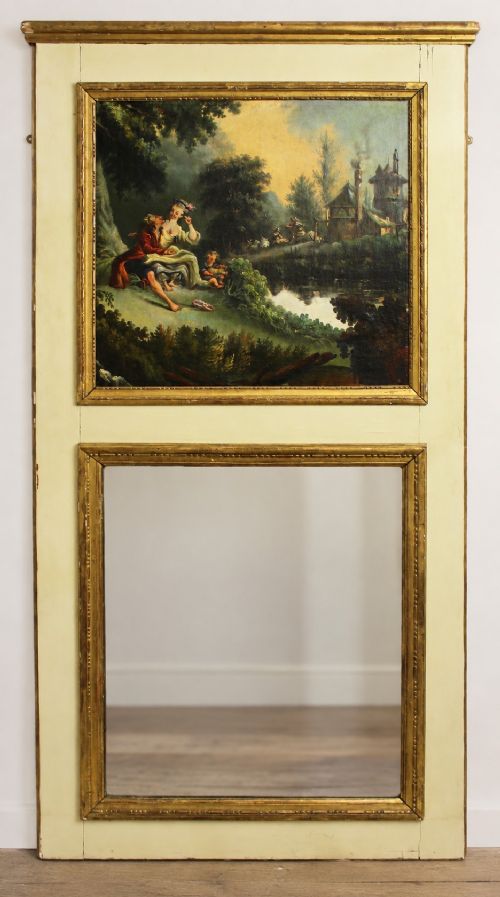
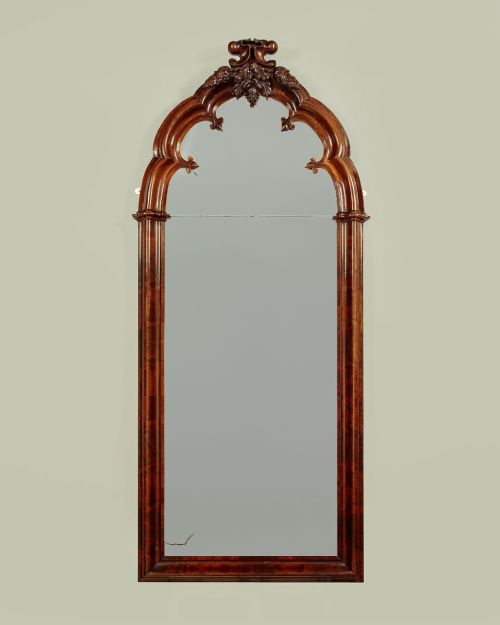
When searching for a mirrored glass wall mirror, buyers encounter a diverse range of historical periods spanning the eighteenth and nineteenth centuries, alongside early twentieth-century examples. These pieces serve primarily as functional wall decor and overmantel centrepieces, designed to amplify light within domestic spaces.
Originating from various European traditions including Italian, French, and English workshops, these mirrors incorporate distinctive regional aesthetics. From simple timber frames to elaborate carved gesso compositions, each piece reflects the interior design priorities of its respective era.
Materials and construction techniques
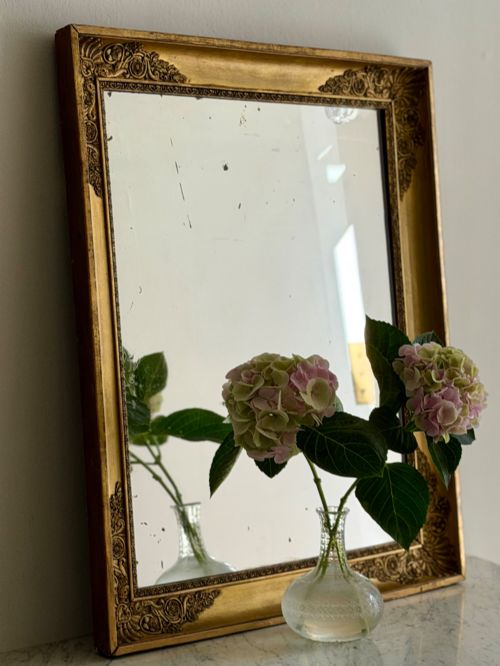
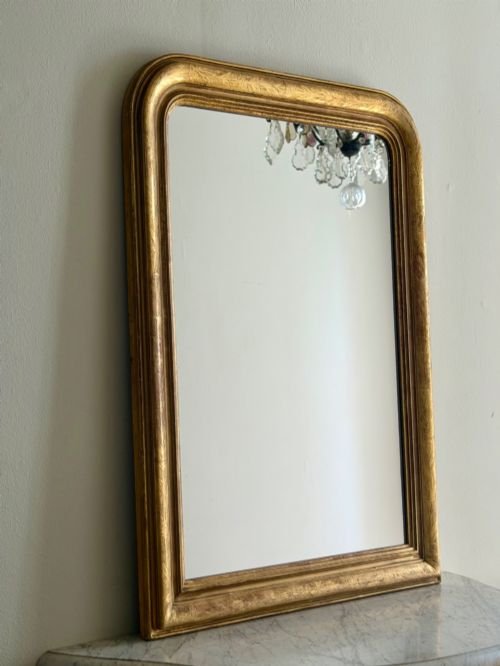
Makers utilised traditional construction methods involving carved wood, gesso, and mahogany, often applying gold leaf or parcel gilt finishes to the wooden substrates. Frames were meticulously shaped from timber before receiving decorative surface treatments such as gilding or eglomise detailing.
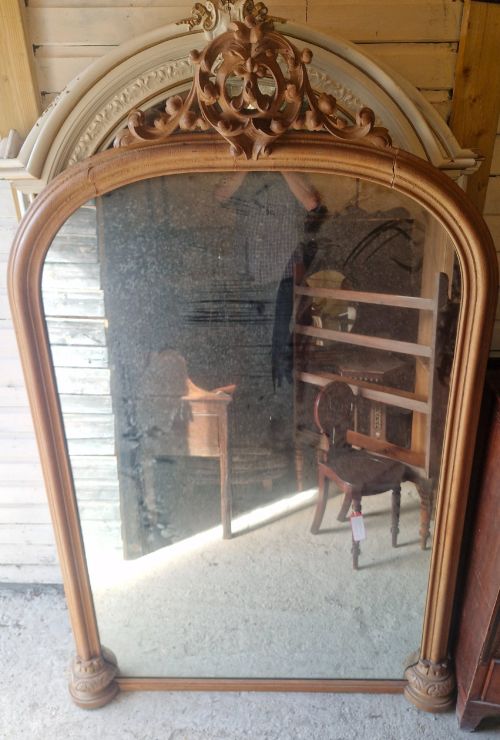
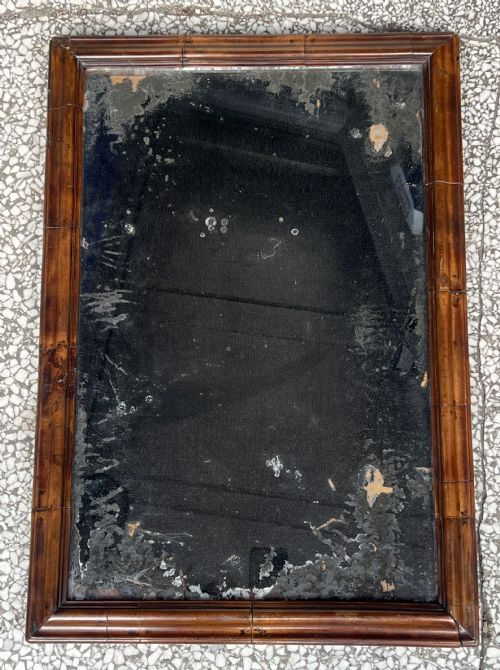
The glass plates themselves vary in origin, with historic pieces occasionally featuring mercury glass or original silvering that displays characteristic age spots. Etched glass and specialised framing techniques like faux bamboo further demonstrate the diverse artisanal skills employed.
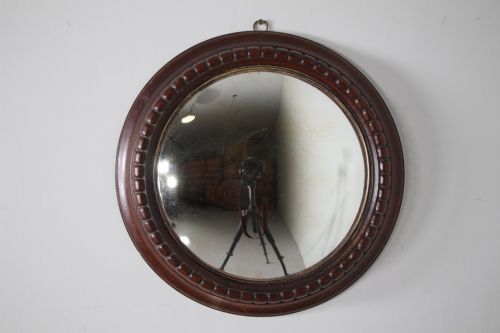
Sorcerer mirrors from the early twentieth century bring a delightfully distorted, convex perspective to interior spaces.
Distinguishing quality in craftsmanship
Quality in these mirrors rests upon the depth of the carving and the integrity of the original materials, distinguishing master-carved giltwood from simpler commercial production. The crispness of detail in the gesso work and the preservation of the original glass plate heavily influence the character of the piece.
Proportion and balance define the superior examples, where pediments, urns, and fretwork remain harmonious with the main frame. The sympathetic ageing of the gilding and the clarity of the reflection also separate standard decorative items from exceptional examples of period artistry.
The Mirrored Glass Wall Mirror Glossary
- Giltwood
- Wood that has been coated with gold leaf or a gold-coloured finish. This technique was widely utilised on frames throughout the eighteenth and nineteenth centuries to impart a rich, luminous appearance.
- Gesso
- A plaster-like mixture applied to wood frames to create a smooth surface for carving and gilding. Artisans built up layers of gesso before incising intricate decorative motifs.
- Eglomise
- A technique where glass is gilded on the rear face with gold or silver leaf and then painted or etched. It creates a distinctive, reflective decorative panel often found in antique mirrors.
- Overmantel mirror
- A large mirror specifically designed to hang above a fireplace mantelpiece. These pieces frequently feature arched tops and substantial proportions to dominate the chimney breast.
- Pier mirror
- A tall mirror designed to hang on the wall space between two windows. They were often paired with console tables to maximise light reflection in period reception rooms.
Mirrored Glass Wall Mirror: Frequently Asked Questions
How do I hang a heavy overmantel mirror safely?
Heavy overmantel mirrors require professional wall fixings secured directly into structural studs or masonry. Due to their substantial wooden and gesso frames, weight distribution must be carefully managed using heavy-duty brackets.
Ensuring the wall structure can support the downward and outward pull prevents accidental displacement. Consulting a specialist installer is recommended for antique mirrors of significant size.
What is mercury glass in an antique mirror?
Mercury glass refers to a specific type of double-walled silvered glass popular in the nineteenth century. Although actual mercury was rarely used after the early decades, the term describes the mottled, reflective backing characteristic of period pieces.
This ageing process creates dark spots and an uneven reflection that collectors prize for authenticity. It distinguishes older plates from modern, uniform mirror glass.
How do I clean antique mirror glass?
Cleaning antique mirror glass requires gentle maintenance to protect fragile silvering and delicate frame finishes. Avoid harsh chemical sprays that might seep behind the plate and damage the original backing.
Use a soft, dry microfibre cloth to remove dust gently. If moisture is necessary, apply a mild solution to the cloth rather than directly onto the glass.
Can I place an antique mirror in a bathroom?
Placing an antique mirror in a bathroom exposes the wooden frames and historic glass to high humidity. Moisture can cause gesso to soften, giltwood to flake, and original silvering to degrade rapidly.
If positioned in a bathroom, ensure adequate ventilation and keep the piece away from direct water splashes. Dry environments remain vastly superior for preserving nineteenth-century materials.