




Reverse Painted Glass Mirror
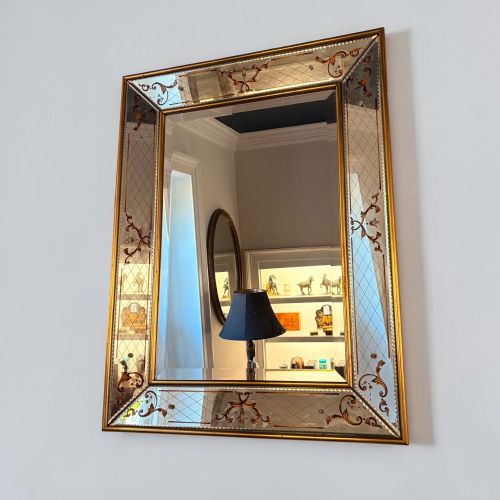
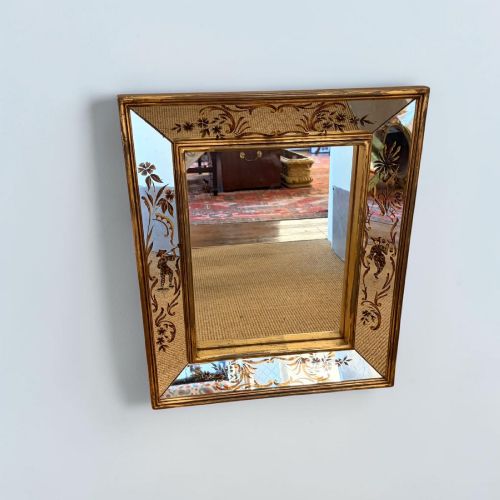
These reverse painted glass mirror pieces combine decorative panels with reflective surfaces, offering historical charm and distinct visual depth for any room.
Reverse Painted Glass Mirror
When you search for a reverse painted glass mirror, you encounter a fascinating intersection of fine art and functional reflection. These items span various periods from the Regency era through to the Edwardian period and the 1920s. The forms range from traditional pier mirrors and trumeau panels to advertising signs and decorative wall art.
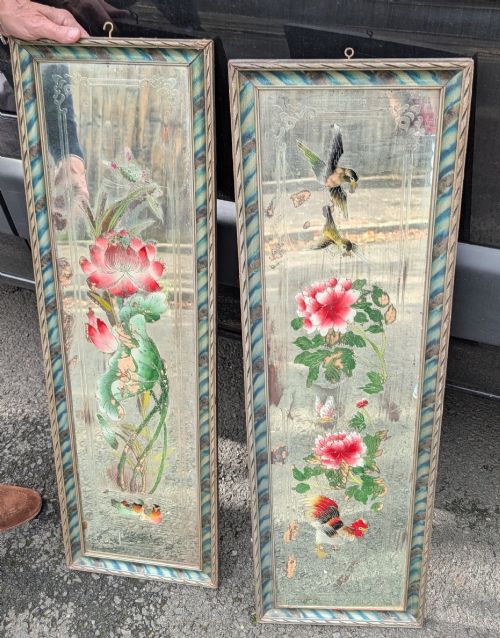
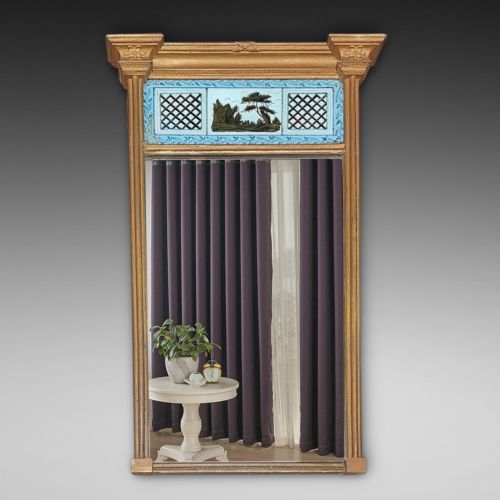
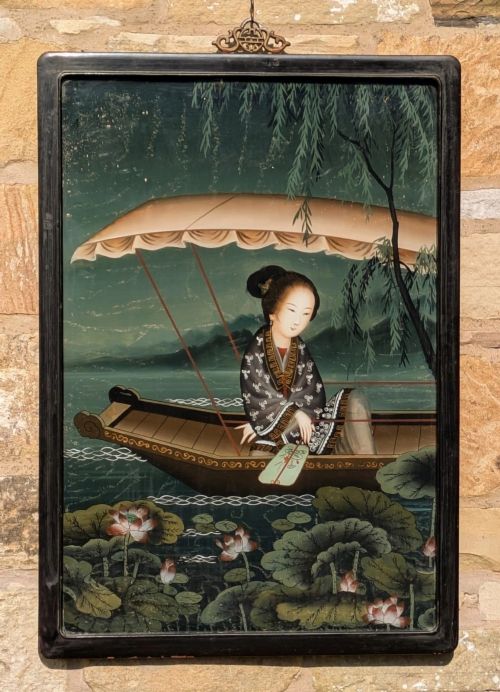
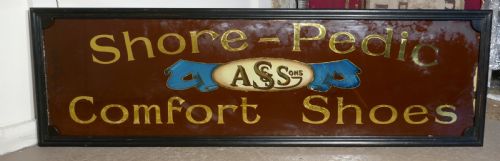
You are most likely to meet Chinese Export and Qing Dynasty Chinoiserie examples alongside British Regency giltwood pier mirrors on this page. Many feature divided two-section designs where an upper glass panel displays a painted scene above the main looking glass. Others take the form of gypsy style mirrors or commercial shop displays.
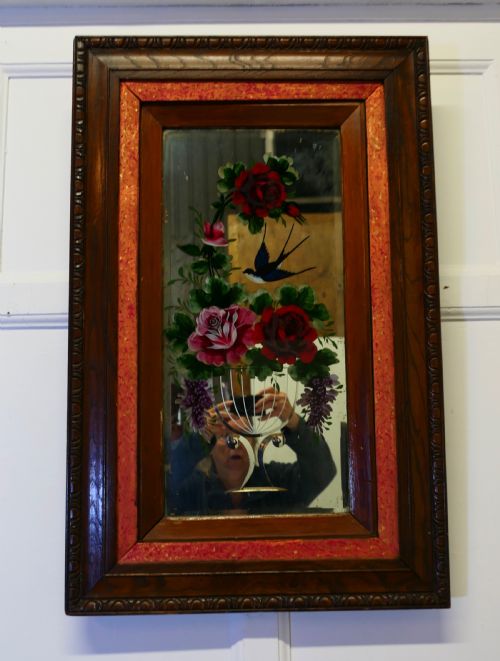
The aesthetic output draws heavily on distinct cultural traditions, encompassing both intricate oriental court scenes and European maritime engagements. Makers utilised traditional techniques to apply paint directly to the rear of the glass plate, creating a polished front surface that protects the pigments underneath.
How they were made
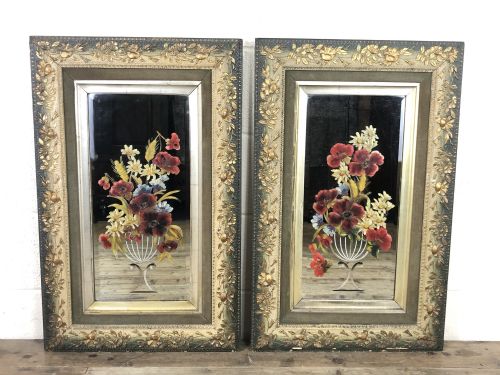
Craftsmen applied paint, gold leaf, and eglomisé panels directly onto the reverse side of glass plates, reversing the composition so it appeared correctly from the front. This delicate technique required immense precision, as any error in the initial brushstrokes remained permanently visible through the transparent sheet.
Frames were constructed from wood, frequently finished with giltwood or gold leaf to create opulent borders around the glass. Brass fittings and maple framing also appear among the materials, providing structural support and contrasting textures for the reflective and painted surfaces.
Listings feature items spanning the 1800s, Victorian, Edwardian, and Regency periods, constructed from glass, wood, brass, and giltwood.
What varies in quality
The fineness of the hand-painted detail separates standard commercial items from superior examples. Elaborate Chinese export panels or finely executed Regency eglomisé work display a level of artistic execution that elevates the object far beyond a simple looking glass.
The preservation of the original gilding and the stability of the glass plate itself dictate the overall integrity of the piece. High-quality framing, whether carved giltwood or polished maple, complements the complexity of the reverse painting without overwhelming the composition.
The Reverse Painted Glass Mirror Glossary
- Verre Eglomise
- A process of cold painting and gilding on glass by gluing metal leaf to the rear surface and engraving details through it. This method provides the shimmering metallic backgrounds seen in Regency pier mirrors.
- Pier Mirror
- A tall looking glass designed to hang on the wall between windows or above a pier table. These often incorporate painted panels or eglomisé sections in the upper portion.
- Chinoiserie
- The European interpretation and imitation of Chinese and East Asian artistic traditions, popular in decorative arts. It frequently appears on export mirrors featuring figures and landscapes.
- Trumeau
- A decorative wall mirror or panel that incorporates an artwork above the glass plate. The upper section typically holds an oil painting or a reverse glass subject.
- Gypsy Mirror
- A type of small, decorative hanging glass popular in the late nineteenth and early twentieth centuries. They often feature painted frames and eclectic ornamentation.
Reverse Painted Glass Mirror: Frequently Asked Questions
What is a reverse painted glass mirror?
A reverse painted glass mirror is a decorative piece where artists paint directly onto the back of a glass sheet, viewed from the untainted front.
These items frequently combine a reflective surface with a pictorial panel, such as a landscape, portrait, or historical scene.
How do I date a reverse painted glass mirror?
Dating relies on examining the frame style, the construction of the wooden backboards, and the specific materials utilised by the maker. Regency pier mirrors and Victorian advertising signs each possess distinct stylistic markers characteristic of their respective eras.
Changes in glass manufacture and framing techniques also help narrow down the period of production.
Where were these mirrors used?
These mirrors hung in formal reception rooms, parlours, and hallways to reflect light and display artistic panels. Commercial variants also served a functional purpose in shops as advertising signs.
Their decorative qualities made them central focal points in period interiors.
How should I clean a reverse painted glass mirror?
Cleaning requires extreme caution because the paint sits on the reverse side of the glass and can be easily damaged by moisture seeping behind the plate. Use a dry, soft microfiber cloth to gently dust the surface.
Avoid spraying liquids directly onto the glass or letting moisture reach the edges of the panel.