




Italian Glass Wall Mirror
An italian glass wall mirror brings light and decorative carving into a room, spanning Venetian rococo flourishes to nineteenth-century giltwood forms.
Italian Glass Wall Mirror
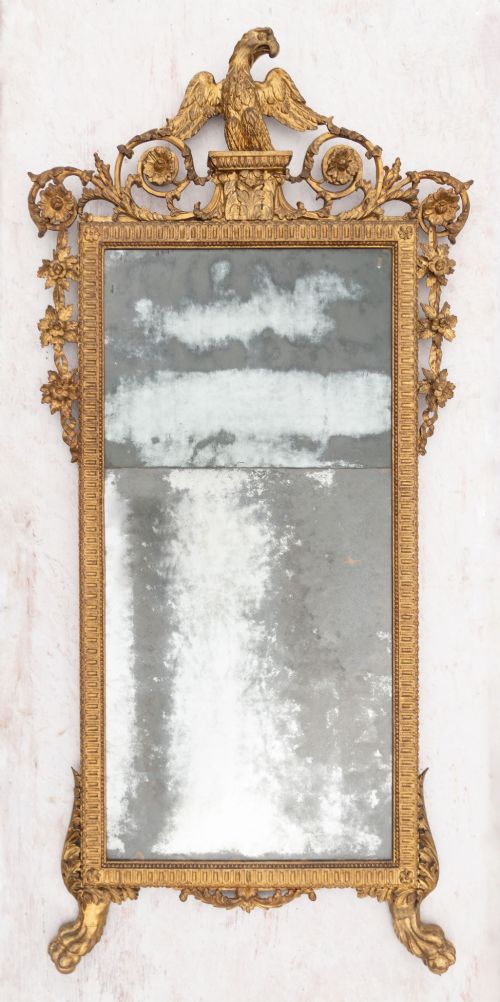
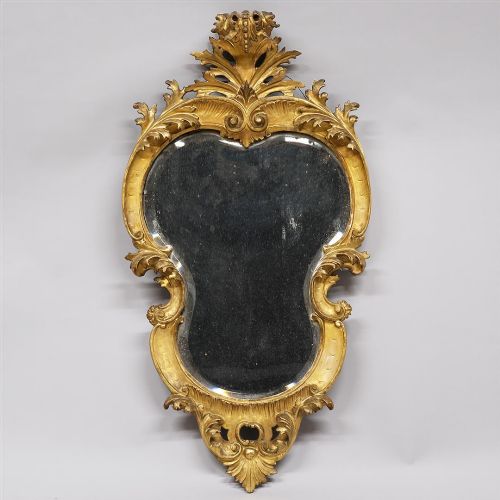
When you search for an italian glass wall mirror, you encounter pieces spanning the eighteenth century to the twentieth century, with nineteenth-century examples appearing frequently on this page. The forms range from grand pier mirrors and overmantles to cartouche and cushion shapes rooted in Venetian and Baroque traditions.
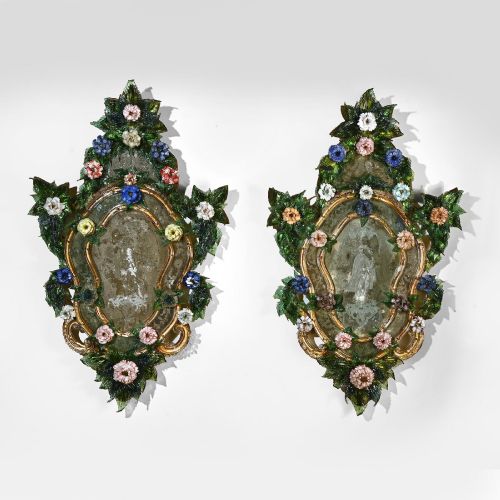
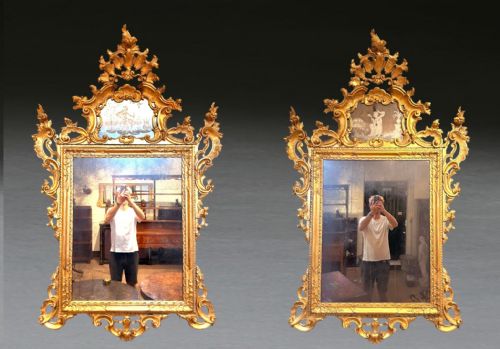
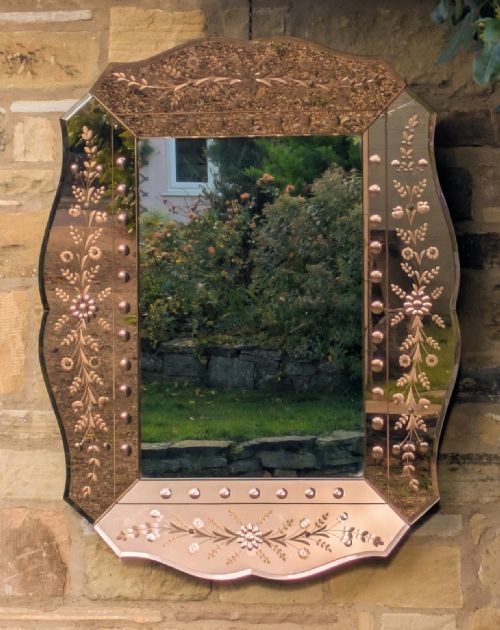
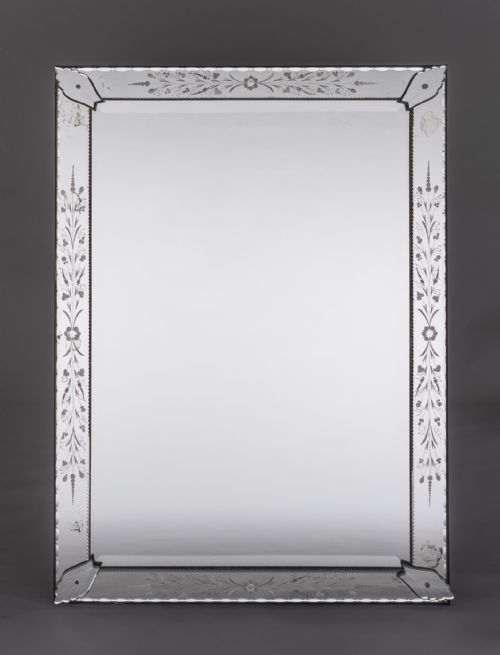
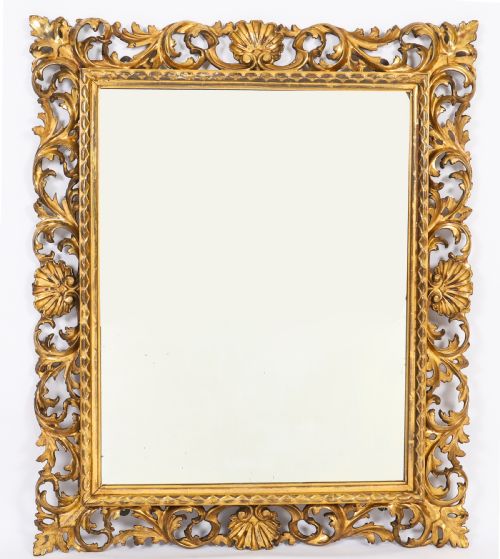
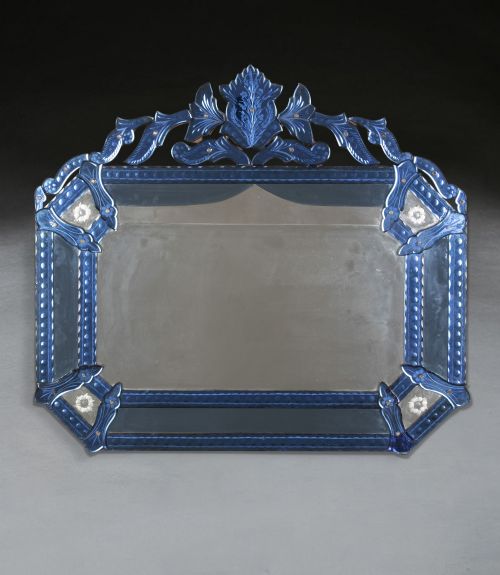
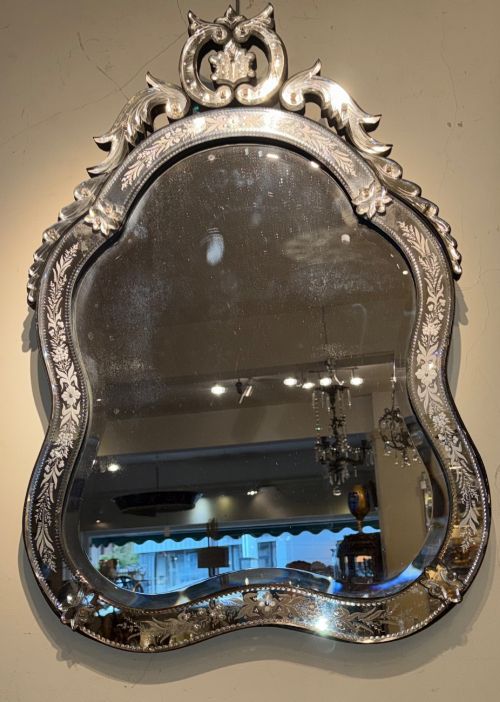
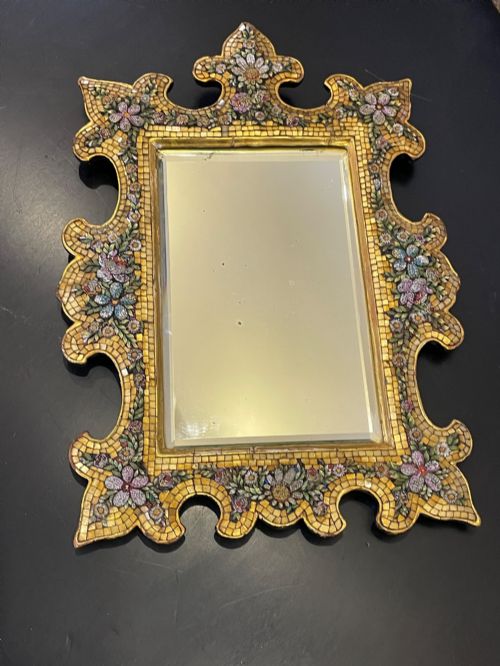
Venetian and Florentine influences dominate the selection, often taking the form of carved giltwood frames, peach or blue tinted glass panels, and etched plates. Buyers also find console tables paired with mirrors, alongside painted wood and micro mosaic decorative borders.
The regional origins stretch across Italy, with Murano glasswork representing a distinct category of craftsmanship. These objects function as primary decorative foci in domestic interiors, combining mirrored glass with elaborate wooden structures.
How they were made
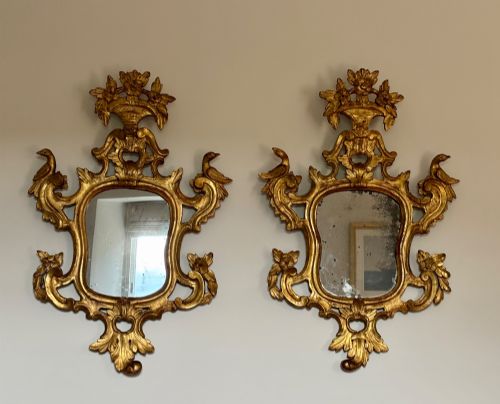
Makers shaped frames from carved wood, limewood, and gesso, applying gold leaf or silver-leaf to the surfaces. Gilding techniques provided a reflective, luminous foundation that complemented the glass components.
Glaziers produced mirror glass, marginal plates, and engraved or etched plates, sometimes incorporating ruby red or coloured glass borders. Artisans assembled these elements into cushion and cartouche configurations, securing the plates within carved wooden frameworks.
A ruby red border catches the morning light just as an artisan intended back in nineteen hundred.
What varies in quality
The depth and intricacy of the wood carving distinguish the standard of a frame, particularly on rococo and baroque examples where hand-chiseled gesso and giltwood show greater definition. Simpler moulded frames contrast with deeply undercut foliage and scrollwork executed by skilled carvers.
The integrity of the glass plate and the precision of the engraving alter the character of the piece. Original plates featuring foxing or hand-etched details carry a different visual weight compared to later replacements, while coloured glass elements like peach or ruby borders reflect specific regional production standards.
Ciceri & Co
The Italian Glass Wall Mirror Glossary
- Giltwood
- Wood carved and coated with gold leaf. This material defines the majority of classical frames on this page.
- Cushion mirror
- A looking glass with a convex profile sloping towards the inner and outer edges. This design reflects light across multiple angles.
- Cartouche
- An ornamental frame resembling a scroll or paper sheet with rolled edges. Eighteenth-century Italian pieces frequently adopt this asymmetrical form.
- Foxed plate
- Mirror glass displaying dark spots and degradation resulting from age. Collectors value this patination as evidence of original age.
- Pier glass
- A tall mirror designed to hang on the wall between windows. These pieces often coordinate with console tables placed below them.
Italian Glass Wall Mirror: Frequently Asked Questions
How do I hang a heavy italian glass wall mirror?
These pieces require secure wall fixings distributed evenly across the wooden backing frame to support the weight of the timber and glass.
Professional installation is recommended for large giltwood or overmantle examples to ensure the wall structure bears the load safely.
Are the glass plates original?
Many eighteenth and nineteenth-century examples retain their original engraved or foxed plates, showing characteristic signs of age and atmospheric wear.
Some pieces feature replacement glass where the original plate has degraded beyond structural stability.
What is a Venetian style mirror?
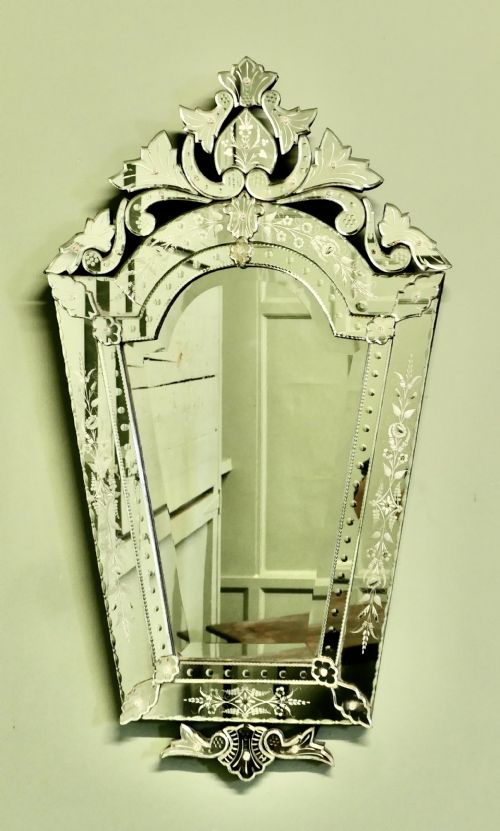
Venetian mirrors typically feature etched glass frames composed of multiple glass sections secured with decorative floral glass pins over a wooden base.
They emphasise glass-on-glass construction rather than prominent wood or gilt frames.
How do I clean an antique mirror plate?
Use a dry microfibre cloth to remove dust gently from the surface of the glass and the surrounding carved wood frame.
Avoid liquid cleaners running behind the edges of the plate, as moisture damages the silvering and accelerates foxing.