





19th Century Venetian Mirror
A 19th century venetian mirror brings extraordinary light and theatrical Italian style into a room.
19th Century Venetian Mirror
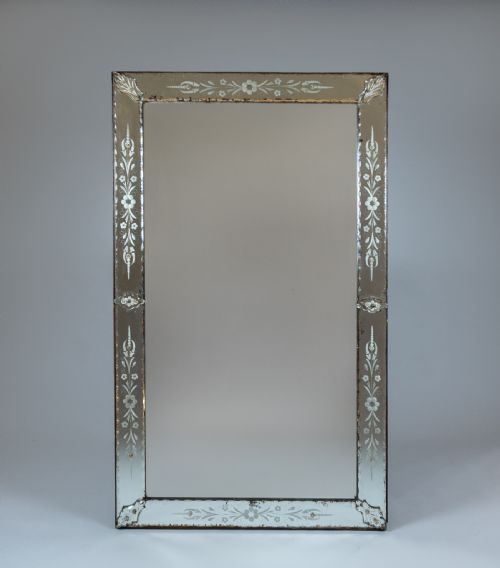
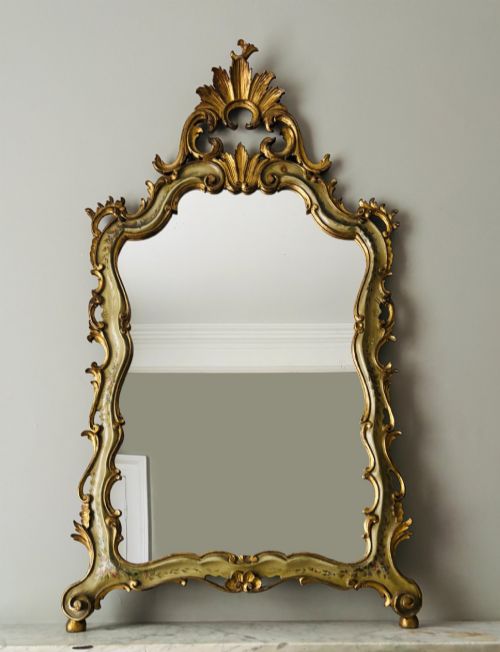
A 19th century venetian mirror is a decorative wall-hanging looking-glass originating from Italy, typically adopting Venetian or Italian Rococo styles. These pieces combine elaborate glasswork with traditional forms to create striking focal points.
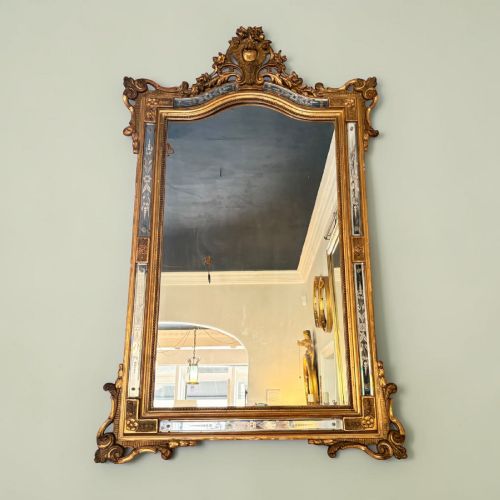
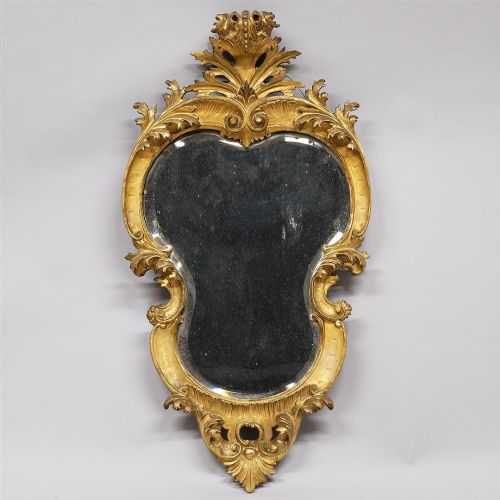
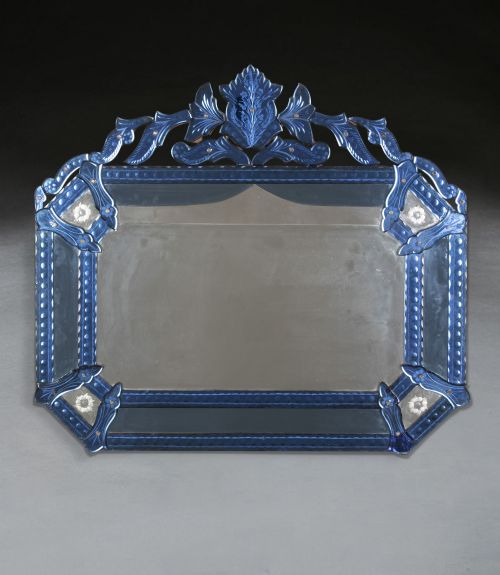
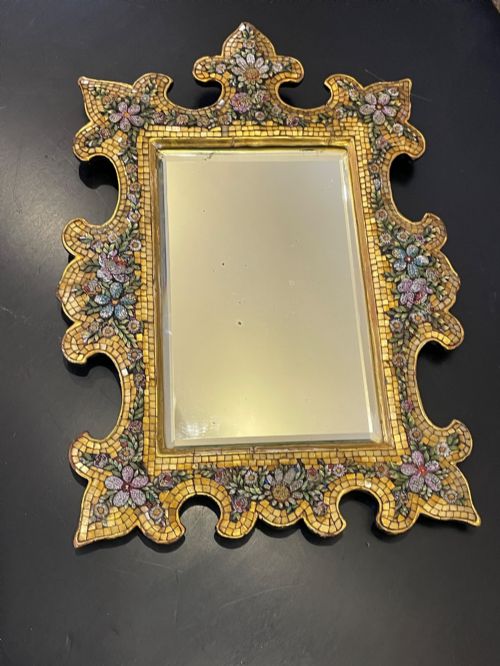
You will most commonly encounter wall mirrors, overmantles, and cushion mirrors within this category. Many examples feature specialised shapes including shields, ovals, and rectangular plates framed in timber, giltwood, or blue glass.
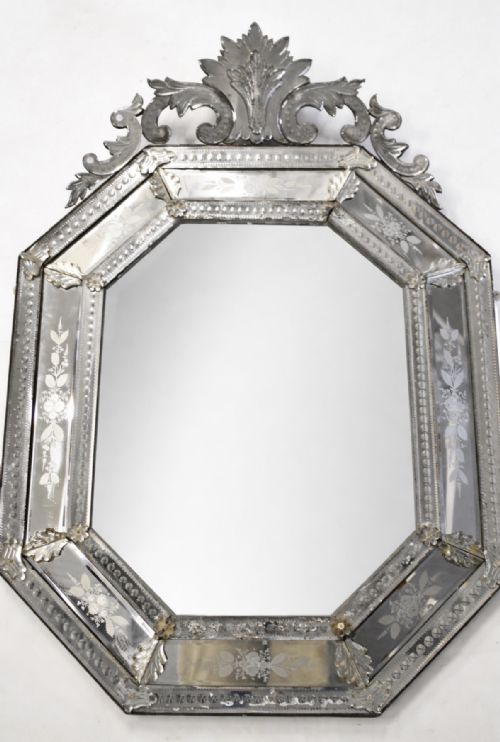
The aesthetic bridges functional optics and decorative art, often incorporating engraved or etched patterns across the glass surface. Surviving examples range from small wall pieces to grand overmantle proportions suited for larger reception rooms.
How they were made
Maker construction relies on timber frameworks, often finished in giltwood, gold leaf, painted highlights, or parcel gilt accents. Wooden substrates support the reflective plates and intricate glass surrounds.
Glass components include mirrored glass, silvered glass, and blue glass, treated with historical silvering techniques. Artisans applied cut, etched, and enamelled surface decorations directly onto the glass panels.
19th Century Venetian Mirror Retail Price Guide 2026
Typical asking prices for 19th century venetian mirror among the pieces listed under this phrase on Sellingantiques today, from the lower quarter to the upper quarter. They describe what is for sale here now, not the wider market.
What varies in quality
Quality differences emerge through the ambition and execution of the glass cutting and etching. Superior pieces display deep, crisp wheel-cut motifs and complex border elements rather than simple surface scratches.
The integration of the frame dictates overall refinement, distinguishing standard timber supports from heavily sculpted giltwood or cushion-moulded surrounds. The harmony between the central plate and surrounding decorative glass panels establishes the visual weight of the piece.
The 19th Century Venetian Mirror Glossary
- Cushion mirror
- A mirror style featuring a raised, sloping central section or border that projects outward like a cushion. This design catches ambient light from multiple angles.
- Giltwood
- Timber carved and coated with a thin layer of gold leaf or gilt preparation. It provides a luminous, warm metallic border for decorative mirrors.
- Overmantle mirror
- A large horizontal looking-glass designed specifically to hang above a fireplace mantel. These pieces traditionally amplify light and visually expand room proportions.
- Silvering
- The reflective metallic coating applied to the rear surface of glass. Historical mirrors utilise traditional silvered glass formulations.
- Etched glass
- Glass decorated by applying acid or mechanical abrasion to create opaque patterns against a reflective background. This technique produces detailed floral or geometric motifs.
19th Century Venetian Mirror: Frequently Asked Questions
Where should I hang a Venetian mirror?
These mirrors suit prominent locations where they can reflect natural light, such as above a mantelpiece or on a principal drawing-room wall. Their decorative frames make them natural focal points in entryways or dining spaces.
Ensure the wall structure securely supports the weight of the timber and glass components. Positioning the glass opposite a window maximises its ability to brighten the interior.
How do I identify a 19th-century piece?
Examine the construction of the wooden backing, the composition of the frame, and the characteristics of the silvered glass. Nineteenth-century examples often display period-specific giltwood finishes and hand-cut glass components.
Look for authentic signs of age within the glass plates, such as subtle foxing or hand-etched detailing. Comparing the overall style against documented Italian Rococo and Venetian revival forms helps confirm the period.
Are these mirrors suitable for daily use?
They function effectively as working looking-glasses while serving primarily as decorative art objects. The reflective surfaces provide clear illumination despite their historical age.
Care should be taken to avoid moisture exposure and harsh cleaning chemicals that could damage the antique silvering or giltwood frames.
What causes foxing on old mirrors?
Foxing refers to the small dark spots and speckling that develop on antique silvered glass over decades. This chemical reaction occurs as atmospheric moisture interacts slowly with the backing materials.
Many collectors value this natural ageing process as evidence of genuine history and period authenticity.