





Antique Eglomise Mirror
An antique eglomise mirror brings reverse-painted glass and gilded warmth into a room, offering both depth and decorative history.
Antique Eglomise Mirror
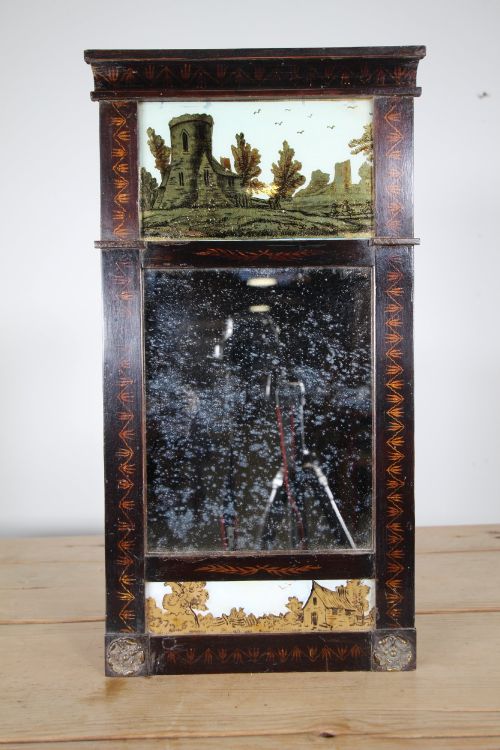
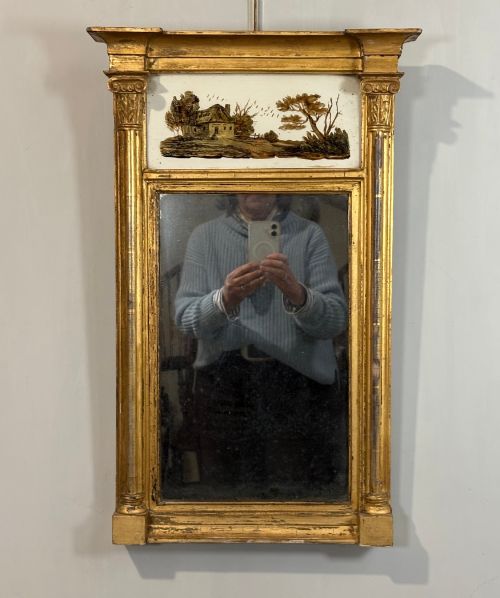
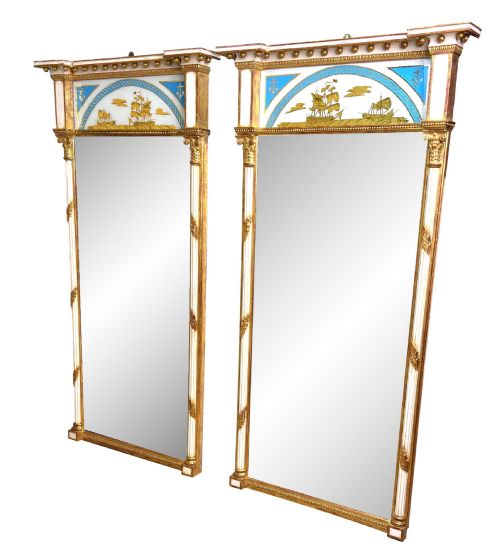
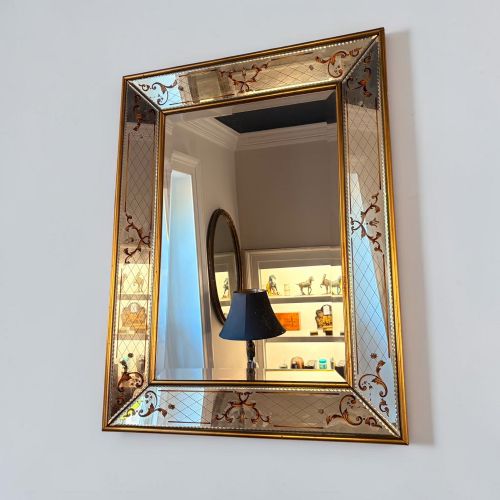
When you search for an antique eglomise mirror, you encounter wall-hung pier glasses, trumeau panels and decorative frames designed to catch and reflect light. These pieces combine traditional frame-making with reverse glass painting, creating surfaces that mix reflectivity with opaque metallic or coloured decoration.
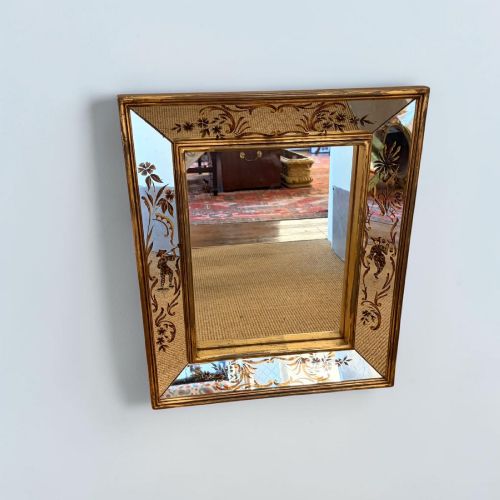
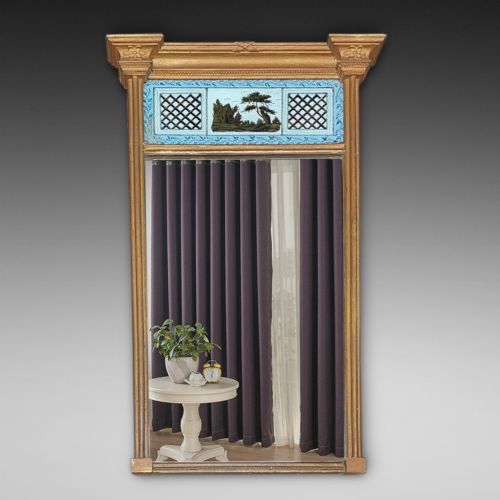
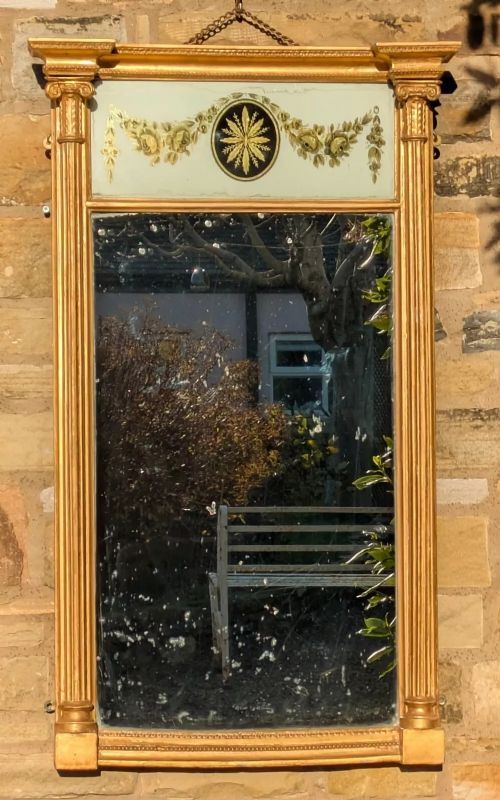
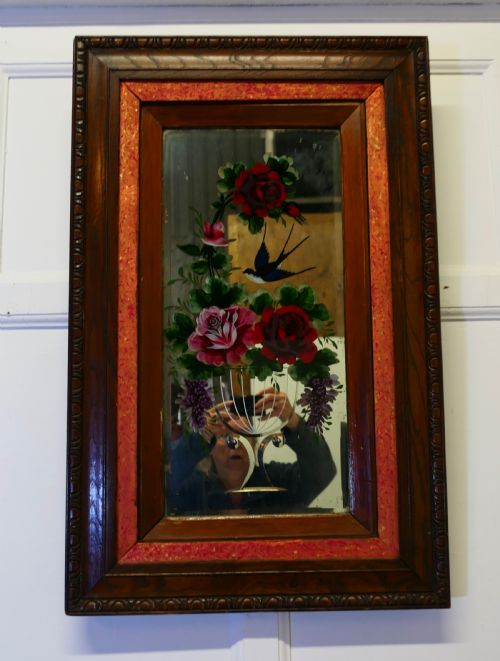
The examples found on this page span the Regency period, the nineteenth century, the Victorian era, and early twentieth-century interpretations such as Venetian style and French Chinoiserie. Pier mirrors dominate the selection, often carrying painted glass panels above the main reflecting plate.
Origin and period heavily dictate the character of each piece, ranging from the classical restraint of Regency giltwood frames to the ornate flourishes of French Rococo revival and Venetian designs. Buyers meet works that function simultaneously as mirrors and as detailed panels of reverse-painted artwork.
Materials and construction
The physical build of these pieces relies on wood frames finished with gesso, gold leaf, and giltwood to provide a rich, reflective border. Craftsmen built the primary structures from timber before applying layers of gesso to sculpt decorative mouldings and relief details.
The distinguishing feature - verre eglomise - involves painting and applying gold or silver leaf directly onto the reverse side of glass panels. This technique creates a glossy, preserved image when viewed from the front, often incorporating floral motifs, figures, or architectural scenes.
Original mirror plates and glass panes are set within these frames, sometimes accompanied by etched or reverse-painted sections depicting roses, figures, or scenic vignettes. The combination of mercury or early silvered plates with reverse-painted panels defines the craftsmanship of the period.
Antique Eglomise Mirror Retail Price Guide 2026
Typical asking prices for eglomise mirror among the pieces listed under this phrase on Sellingantiques today, from the lower quarter to the upper quarter. They describe what is for sale here now, not the wider market.
Listings span the Regency period, the Victorian era, and early twentieth-century revivals, utilising materials such as giltwood, gesso, and reverse-painted glass.
Distinctions in quality
Quality in these mirrors rests upon the precision of the reverse painting and the crispness of the giltwood carving on the frame. Finer panels show meticulous detail in the gold leaf and pigment application, whereas simpler examples rely on broader, less intricate brushwork.
The condition and integrity of the original glass plates and eglomise panels establish a major division in the tier of a piece. Original mirror plates showing natural foxing and intact reverse paintings hold greater integrity than later replacements or heavily restored surfaces.
The architectural harmony of the frame, particularly in pier mirrors and trumeau panels with integrated eglomise sections, separates standard decorative pieces from finer examples. Balanced proportions and sharp relief in the gesso and wood carving indicate superior workshop production.
The Antique Eglomise Mirror Glossary
- Verre eglomise
- A French technique of cold painting and gilding on the back of glass to produce a mirror-like or metallic image. The process dates back to antiquity and saw a significant revival during the eighteenth and nineteenth centuries.
- Pier mirror
- A tall, vertical mirror traditionally hung on the pier, the solid wall space between two windows. These pieces frequently incorporate eglomise panels in the upper section.
- Trumeau
- An ornamental mirror or painted panel designed to fit the wall space between windows or above a fireplace. They often feature an eglomise panel positioned directly above the main glass plate.
- Gesso
- A plaster-like mixture applied to wood frames to create a smooth surface for gilding. It allows craftsmen to carve intricate relief decorations before applying gold leaf.
- Giltwood
- Wood that has been coated with gold leaf or gold paint. It provides the bright, reflective framing typical of Regency and Victorian wall mirrors.
Antique Eglomise Mirror: Frequently Asked Questions
What is verre eglomise?
Verre eglomise is a method where artists paint and apply metal leaf to the reverse side of a glass sheet. Viewed from the front, the design appears through the glass with a glossy, metallic finish.
This technique creates decorative panels featuring motifs such as landscapes, flowers, or figures. It frequently appears on the upper sections of Regency pier mirrors.
Where should I hang a pier mirror?
Pier mirrors are traditionally designed for the narrow wall space between two windows. Their tall, vertical proportions help bounce natural light deeper into a room.
They also work effectively above mantelpieces or console tables. The inclusion of an eglomise panel draws the eye upward, adding height and vertical presence to interior walls.
How do I date an eglomise mirror?
Dating relies on examining the frame construction, the style of the carving, and the characteristics of the glass. Regency frames often feature classical motifs like rope twists or reeding, while Victorian examples show different decorative preferences.
Inspect the reverse of the frame and the backing boards for signs of age. Original fixings, hand-cut nails, and the quality of the silvering on the mirror plate provide further chronological clues.
Are the glass panels original?
Many antique mirrors retain their original glass plates and eglomise panels, though some have experienced replacement over the centuries. Original glass often exhibits characteristic foxing, minor pitting, and slight distortion in the reflection.
Reverse-painted panels should be examined closely for signs of flaking or stabilization. Natural ageing differs from modern restoration, helping to distinguish period glass from later repairs.