
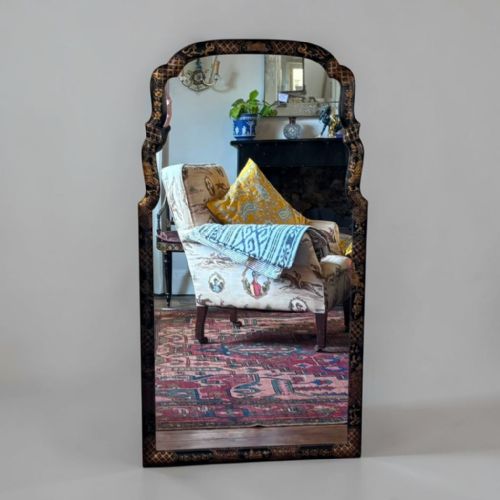
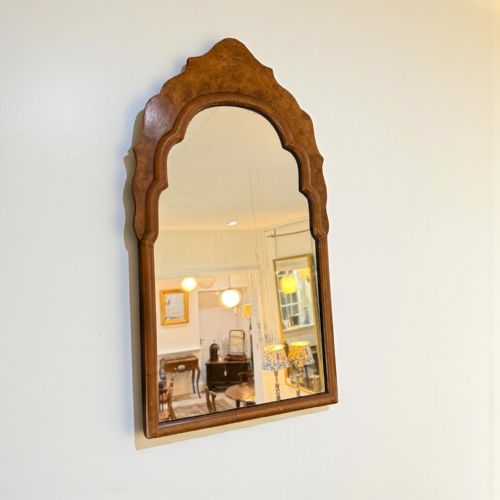
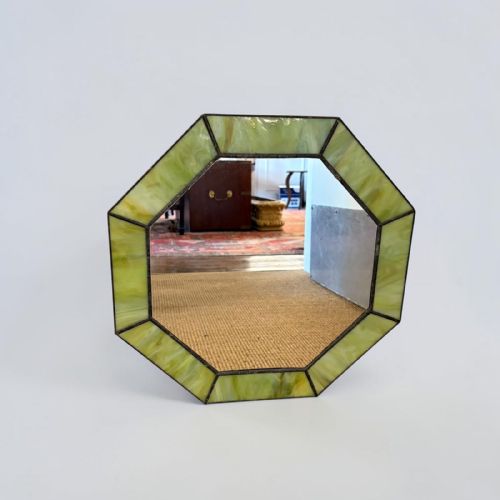
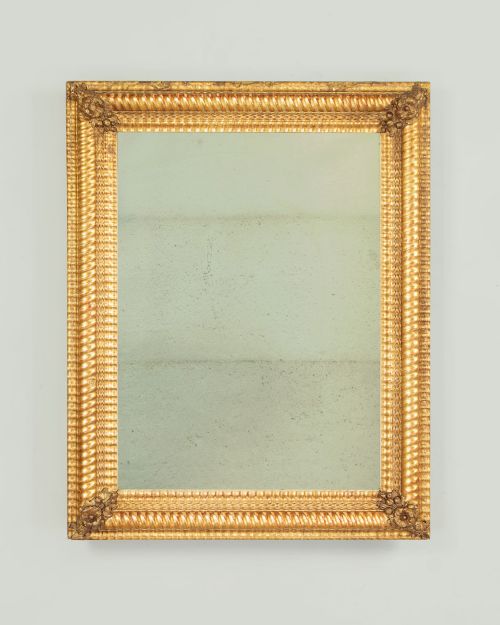
Decorative Glass Frame Mirror
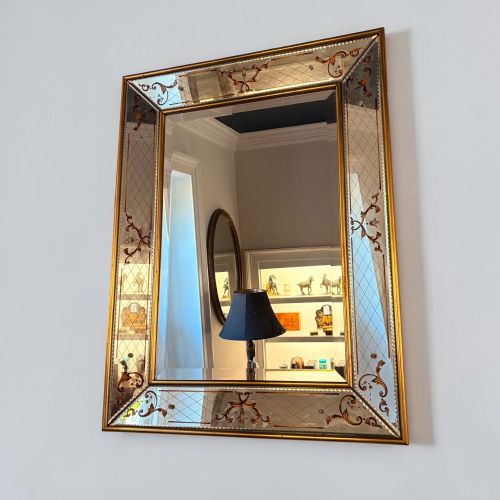
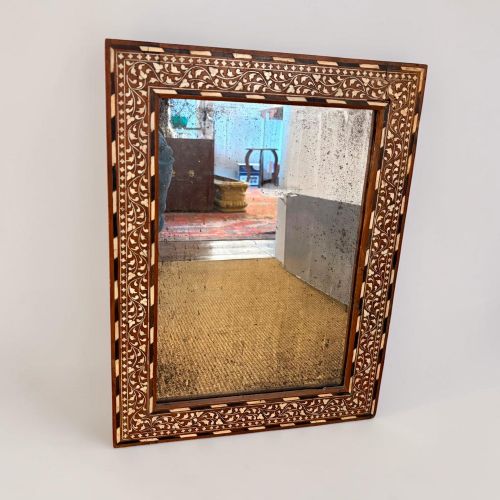
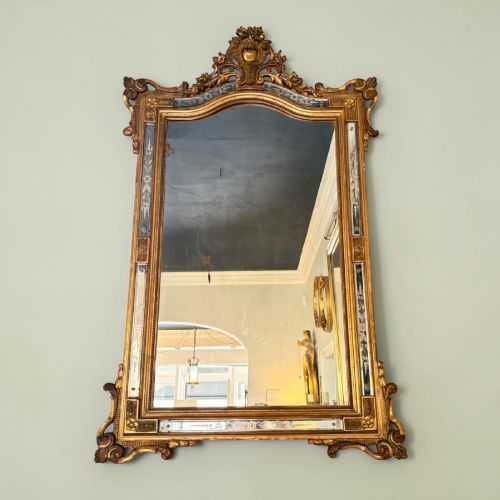
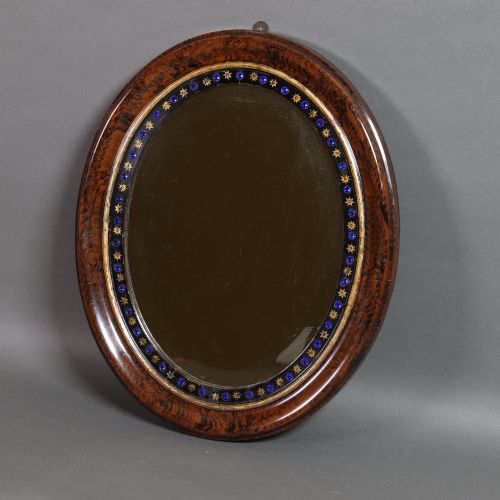
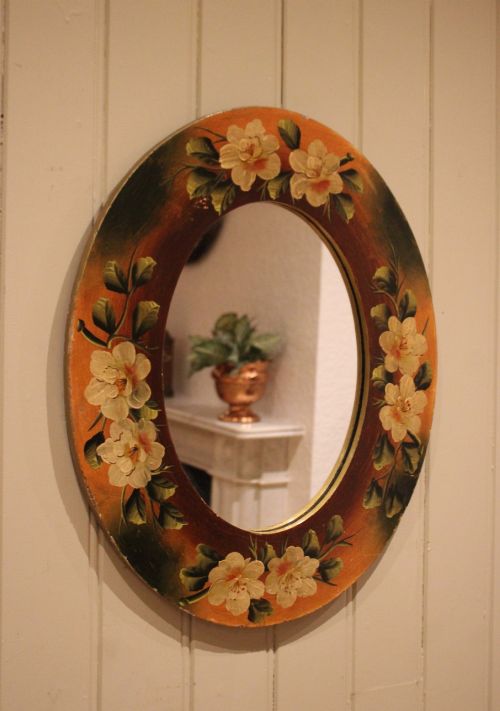
These decorative glass frame mirror examples combine structural wood or metal with mirrored plates and glass borders to catch the light in any room.
Decorative Glass Frame Mirror
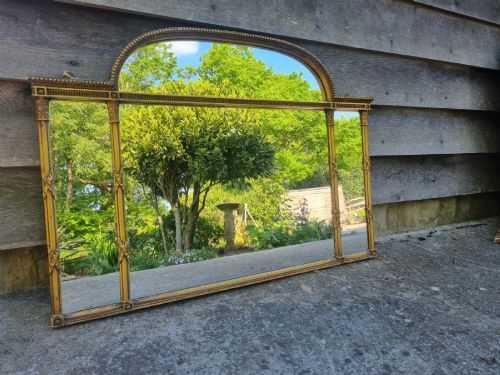
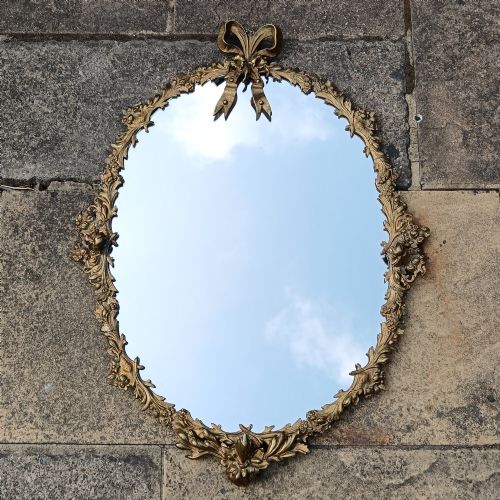
A decorative glass frame mirror brings together traditional wall hanging forms and reflective surrounds, often taking the shape of large overmantels, round wall pieces, or upright dressing mirrors. Buyers looking for a decorative glass frame mirror will find pieces spanning from the eighteenth century through the twentieth century, with nineteenth-century examples appearing frequently.
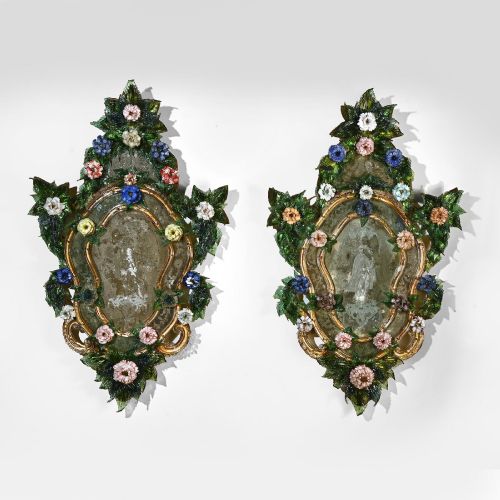
The variety spans regional schools including Venetian cushion frames, French Rococo giltwood, and British Victorian designs. Many incorporate glass elements into the actual outer frame alongside the central reflective plate, creating layered dimensions of reflection.
Materials and construction methods
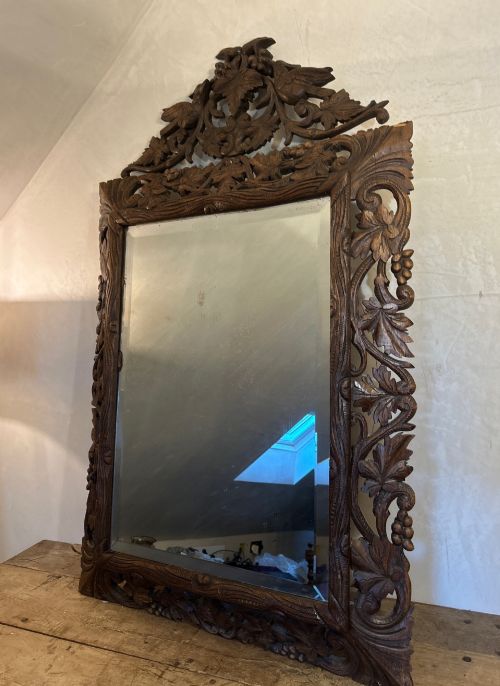
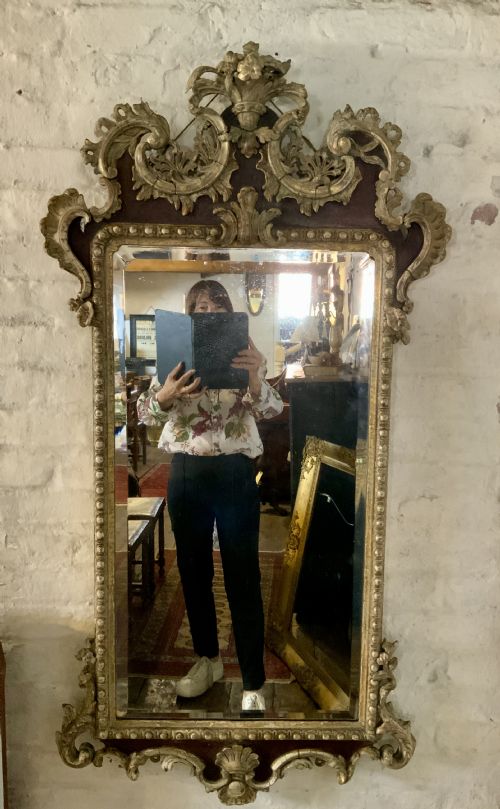
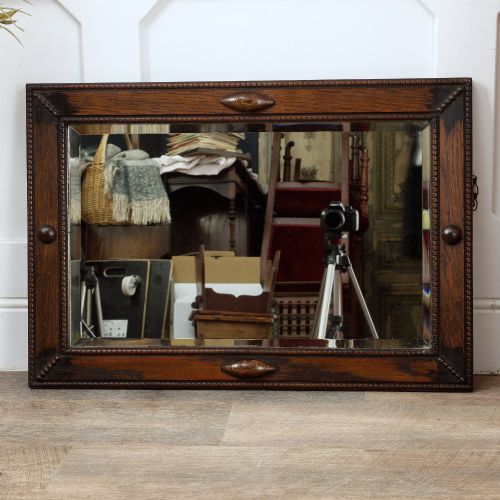
Frames rely on carved timber substrates such as oak, walnut, rosewood, and mahogany, which receive applications of gesso, gold leaf, or paint. Gilding techniques apply thin sheets of gold to prepared surfaces, while other frames utilise ebonised finishes or tortoiseshell ripple mouldings.
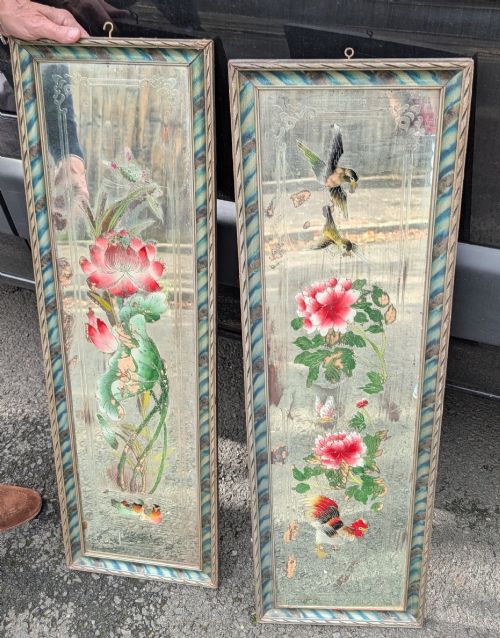
Mirrored components involve traditional glass plates, some featuring hand etching, engraving, or reverse painting known as eglomise. Outer decorative frames frequently employ cut and shaped glass segments held by metal pins or brass fixings onto a wooden backing.
Some Venetian frames include tiny glass flowers wired by hand into the corners.
Distinguishing quality in period mirrors
Quality rests upon the crispness of hand-carved wooden details beneath the gilding and the integrity of the original glass plates. Superior examples display depth in etched or bevelled glass borders and secure joinery on complex frames.
The preservation of original mercury or silvered backing on the mirror plates indicates higher craftsmanship, whereas replaced glass alters the historical character. The intricacy of applied glass elements, such as ruby red borders or micro-mosaic details, marks the distinction between standard production and fine atelier work.
The Decorative Glass Frame Mirror Glossary
- Eglomise
- A technique involving cold painting and gilding on the rear face of glass to produce a metallic, reflective design. This process appears frequently on borders and upper panels of antique mirrors.
- Giltwood
- Timber, commonly pine or oak, that has been coated with gold leaf over a prepared gesso layer. It provides the bright, reflective framing seen in many period pieces.
- Cushion Mirror
- A style featuring a convex or sloping outer frame constructed from sections of glass that angle inward toward the central plate. These frames reflect light from multiple directions.
- Overmantle Mirror
- A wide mirror designed specifically to hang on the wall directly above a fireplace mantel. They often feature extended horizontal proportions to match the width of the fireplace below.
- Parcel Gilt
- A finishing method where only specific carved portions of a wooden frame receive gold leaf, leaving the contrasting wood grain visible elsewhere.
Decorative Glass Frame Mirror: Frequently Asked Questions
Where should I hang a heavy wall mirror?
Mount heavy frames directly into wall studs or use appropriate masonry fixings depending on your wall construction. Ensure the hanging wire or brackets on the back match the total weight of the timber and glass structure.
Position the piece at eye level or opposite a window to maximise natural light distribution throughout the room. Proper weight distribution protects the structural integrity of the antique frame over time.
What causes foxing on mirror glass?
Foxing appears as small dark spots or cloudy patches on antique mirror plates caused by the oxidation of the reflective backing over decades. This natural ageing process happens when moisture slowly reacts with the silver or mercury compounds behind the glass.
Many collectors value light foxing as proof of age and authenticity rather than a defect. It adds a soft, atmospheric quality to the reflection that modern glass cannot replicate.
How can I date an old mirror?
Examine the construction methods of the wooden backboards, frame joinery, and the type of screws or nails used to secure the components. Hand-cut wood and older fastening techniques typically point to nineteenth-century or earlier origins.
Inspect the edges and thickness of the glass plate, as older manufacturing methods often left slight irregularities or bevels. Comparing the stylistic motifs, such as Regency gilt or Art Deco geometric lines, narrows down the manufacturing decade.