




Meiji Period Imari Ceramics
These meiji period imari ceramics bring vibrant patterns and rich palettes to collectors seeking traditional Japanese porcelain.
Meiji Period Imari Ceramics
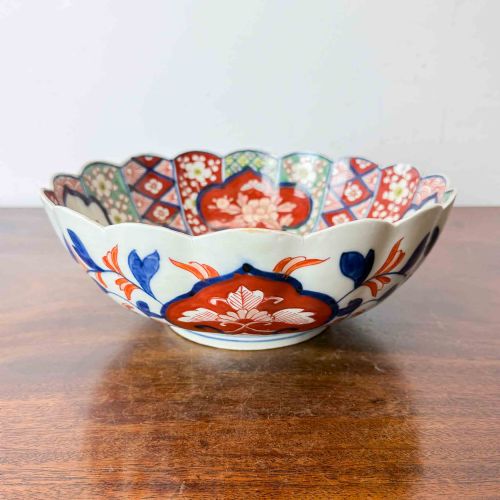
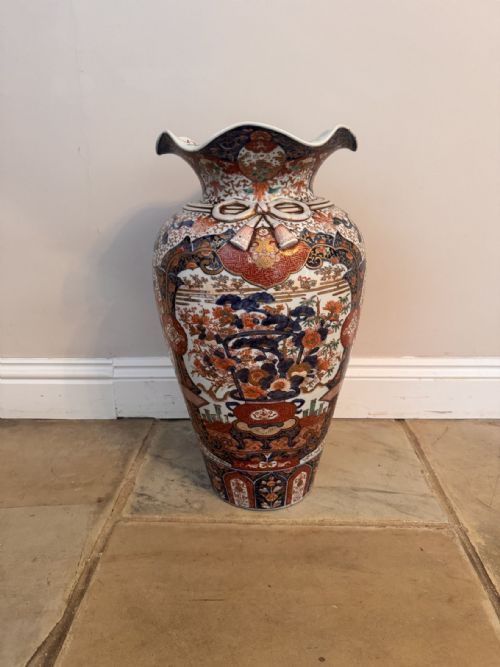
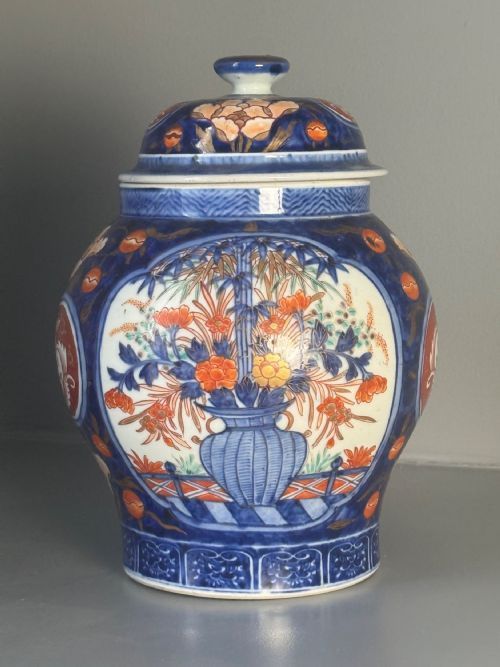
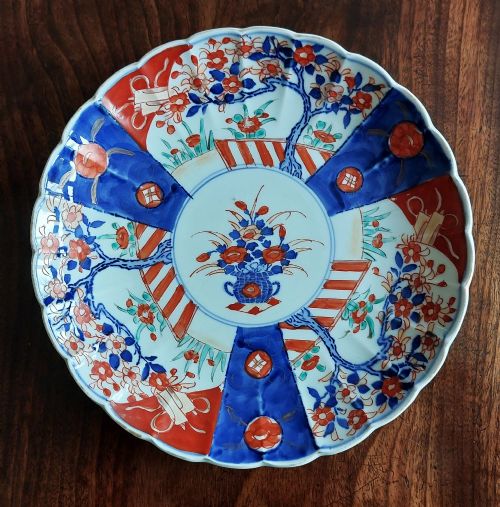
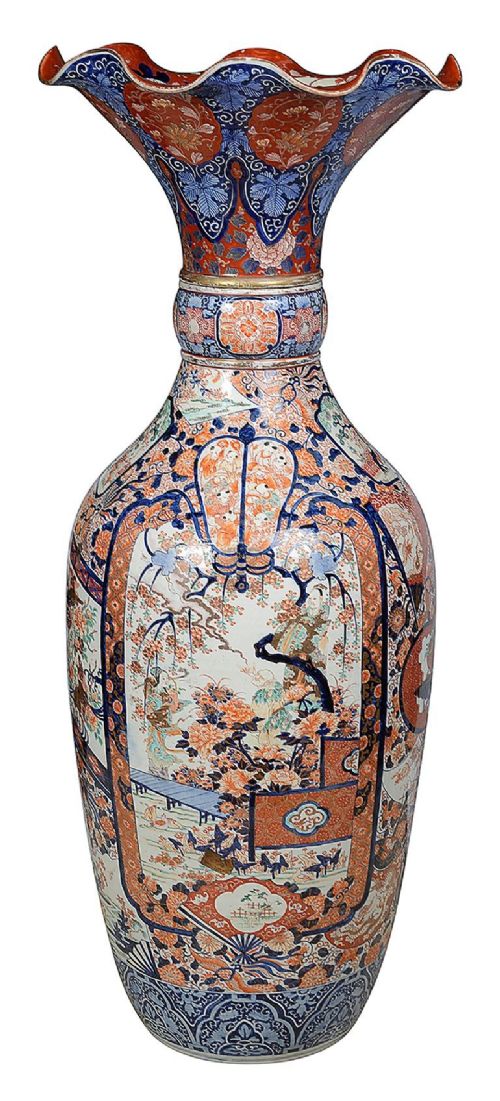
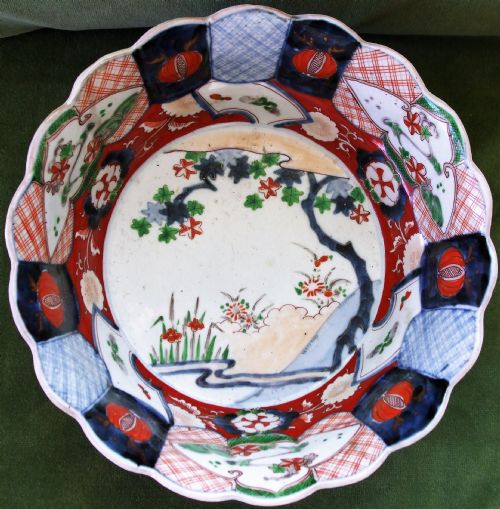
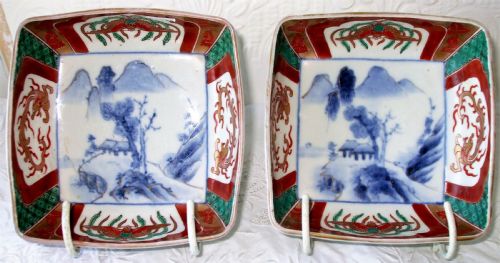
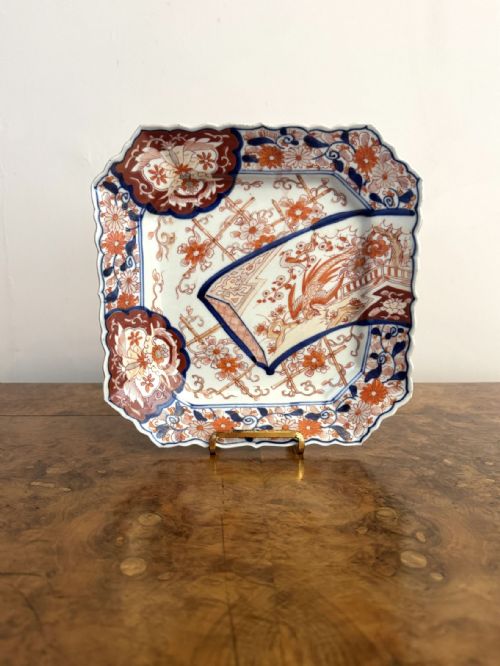
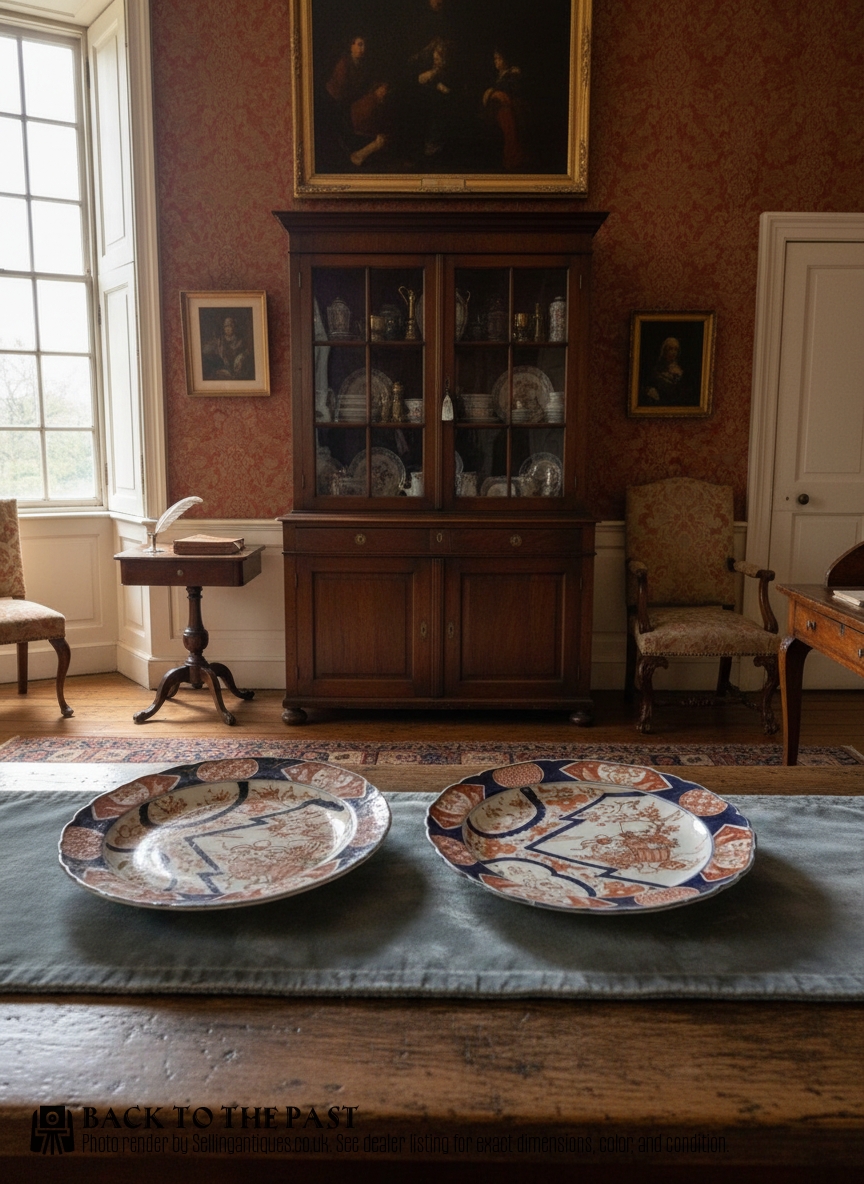
When you examine meiji period imari ceramics, you encounter porcelain forms produced across the late nineteenth and early twentieth centuries. The selection on this page centres on decorative plates, bowls, chargers, and vases originating from Japanese kilns.
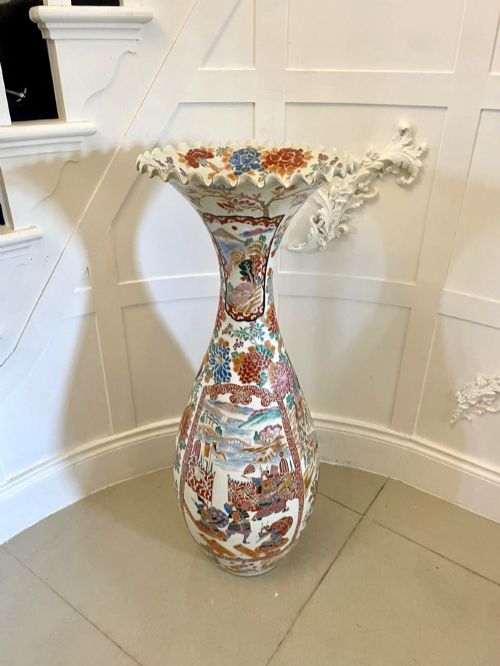
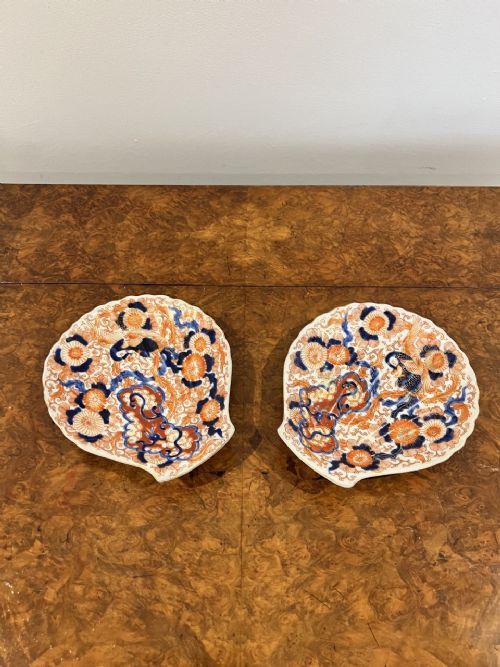
You are most likely to meet circular or scalloped edge dishes alongside large floor standing vases and smaller display pieces. These items showcase traditional styling rooted in historic Japanese Arita production combined with later Meiji era aesthetics.
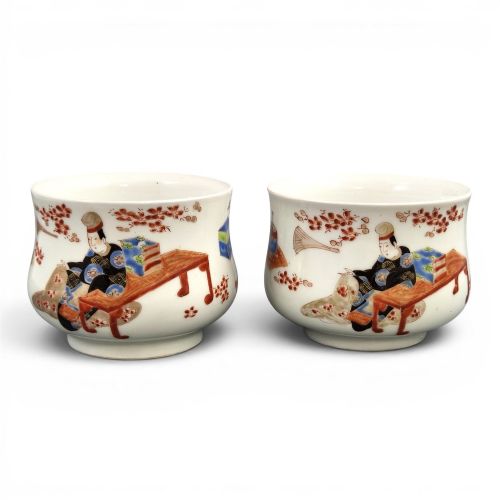
The objects span varied functional forms, including biscuit barrels, tea cups, and tokuri vessels. Each piece demonstrates the distinct decorative characteristics associated with Japanese imari wares from the period.
How they were made
Potters shaped these items from porcelain, applying cobalt underglaze pigments to create the foundational blue designs before secondary firing. Artisans then layered enamel glazes in rich hues across the surfaces.
Workers added surface highlights using gold leaf, gilt, and gilding to accentuate specific motifs within the painted designs. This combination of underglaze cobalt and overglaze enamel creates the characteristic visual depth of the wares.
Listings on this site feature porcelain materials combined with enamel, gold leaf, and cobalt underglaze spanning the 17th century through the Meiji period.
What varies in quality
The refinement of the painted brushwork dictates the distinction between standard production and superior examples. Pieces featuring meticulously detailed exotic birds or complex geometric borders demonstrate higher artistic control than simpler utilitarian items.
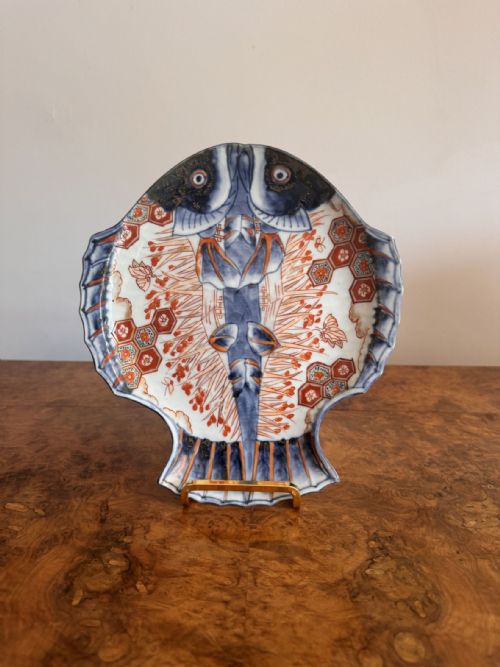
Form complexity also influences the tier of a piece, with unusual shapes like fish, shells, or square outlines requiring greater technical skill from the potter. The precision of the gilding and the clarity of the enamel glaze further separate the ordinary from the exceptional.
Ginshōtei Gyokushi
The Meiji Period Imari Ceramics Glossary
- Imari
- A style of Japanese porcelain decorated in underglaze blue, iron red, and gold, named after the port from which it was shipped. The technique originated in Arita and became widely exported during the Meiji period.
- Meiji Period
- The era in Japanese history spanning from 1868 to 1912, characterised by the opening of trade with the West. Ceramics from this time often merge traditional forms with new decorative vigour.
- Charger
- A large ornamental plate used for display rather than for serving food. These pieces provide expansive surfaces for complex polychrome designs.
- Tokuri
- A traditional Japanese bottle used for serving sake. These vessels typically feature a rounded body and a narrow neck.
- Cobalt Underglaze
- A blue pigment applied to raw porcelain clay before glazing and firing. This mineral withstands high kiln temperatures without losing its colour intensity.
Meiji Period Imari Ceramics: Frequently Asked Questions
How do I identify meiji period imari ceramics?
Look for the characteristic palette combining cobalt underglaze blue with iron red and gilt highlights on porcelain bodies. The forms range from decorative chargers to large floor standing vases dating between the late nineteenth and early twentieth centuries.
Examine the complexity of the painted motifs, as many pieces feature scalloped edges or unusual shapes like fish and shells that typify the craftsmanship of the era.
Were these items used for dining?
While the materials are ceramic, many larger chargers, plates, and bowls were created primarily for display rather than everyday table use. Smaller items like tea cups and specialised vessels served functional roles in domestic settings.
Collectors generally treat these decorative dishes and vases as display art rather than utilitarian tableware due to the delicate enamel and gold leaf details.
How should I display these pieces?
Large chargers and decorative plates suit wall mounting or display on sturdy stands to showcase their intricate borders and central motifs. Vases and floor standing pieces anchor corners or focal points within a room.
Keep porcelain objects away from areas of direct, harsh sunlight to protect the enamel glazes and gold leaf detailing over time.
What styles appear in these listings?
The listings predominantly feature Japanese Imari and Arita styles created during the Meiji period. Some items reflect earlier Edo period influences or transition styles spanning the late nineteenth century.
These varied aesthetic traditions determine whether a piece leans towards traditional cobalt patterns or more elaborate polychrome enamel finishes.