



Hand Painted Japanese China
Hand painted japanese china brings together porcelain, bowls and plates finished with detailed enamel and gold leaf.
Hand Painted Japanese China
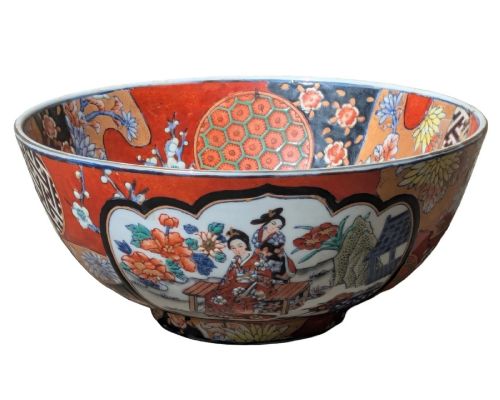
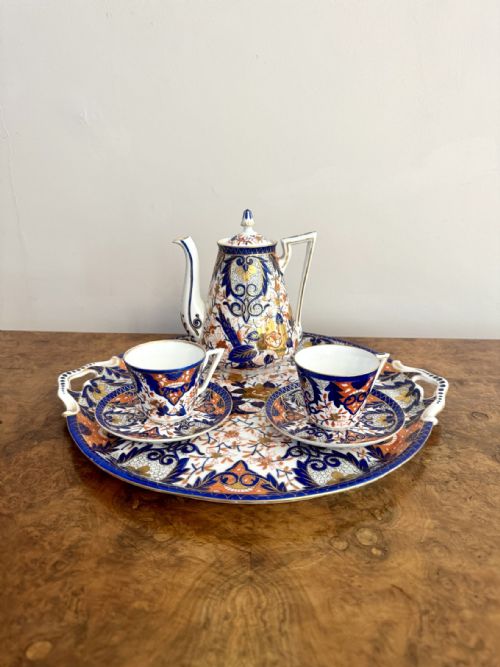
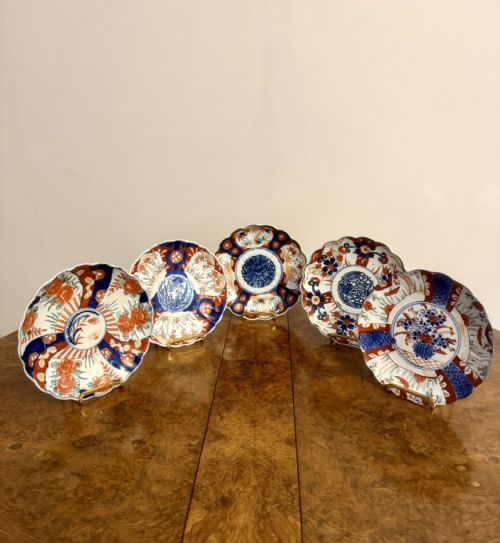
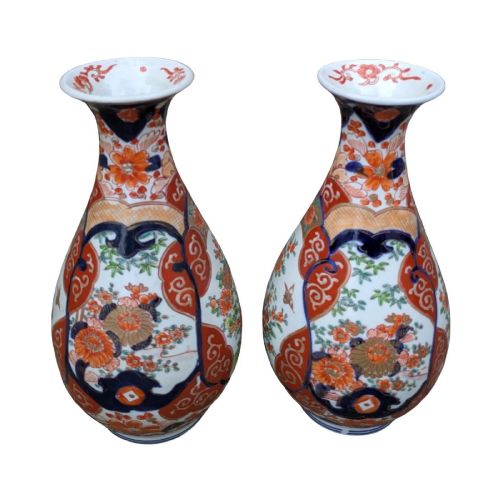
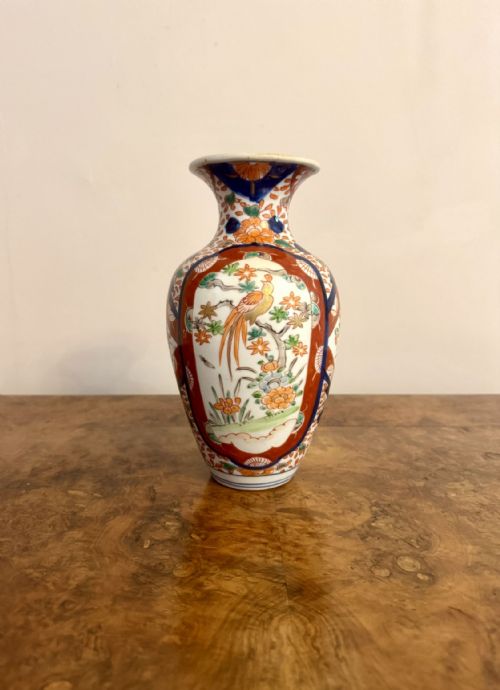
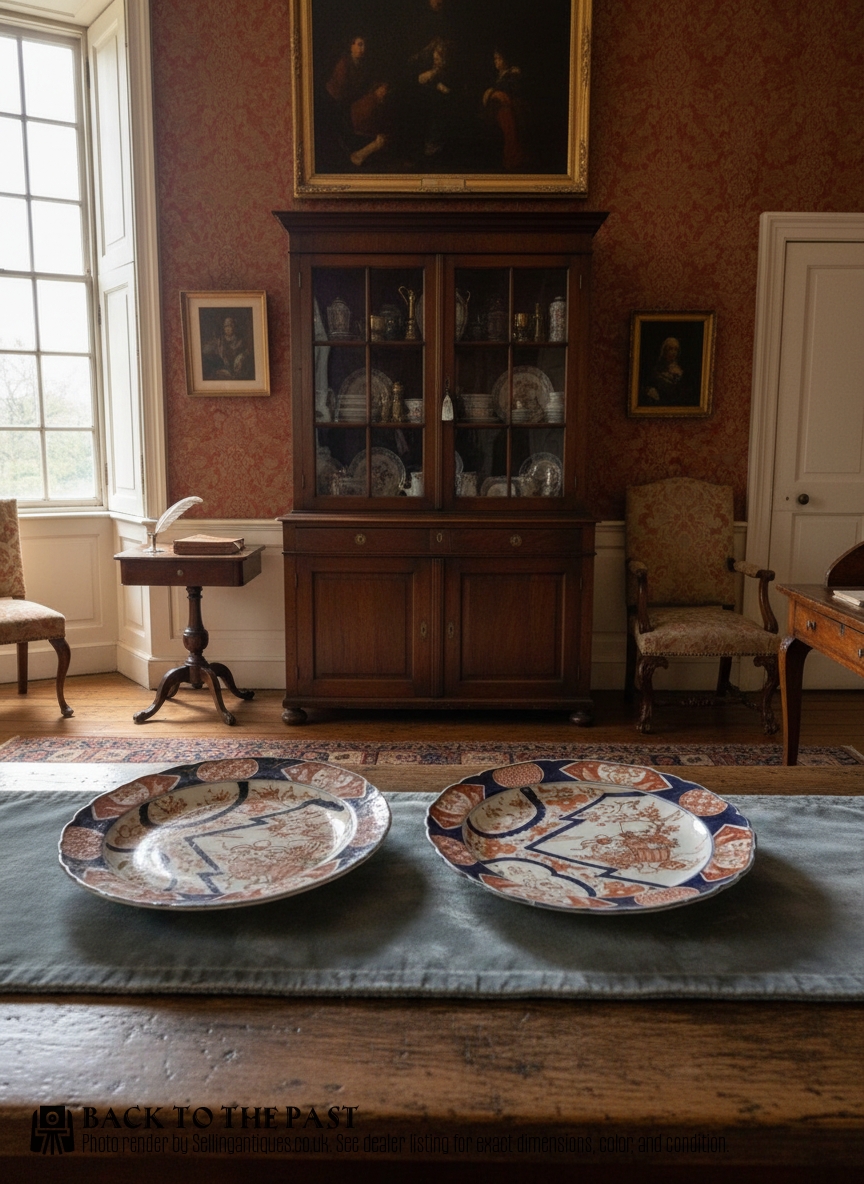
Hand painted japanese china encompasses decorative plates, bowls, vases and tea services originating from the nineteenth century and the nineteen hundreds. Buyers looking at this selection encounter pieces shaped as chargers, ribbon plates, scalloped edge bowls and shaped dishes.
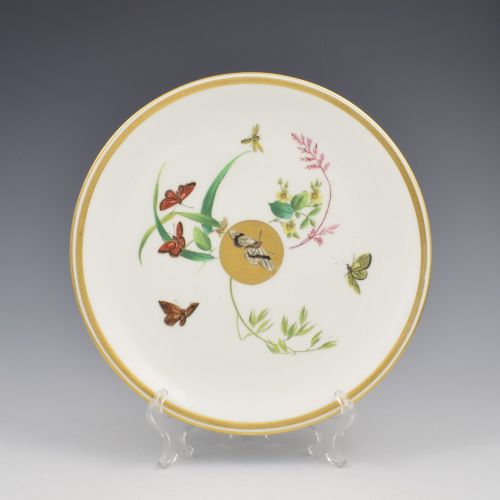
The most common items found on this page are Japanese Imari plates and vases from the late nineteenth century and the nineteen hundreds. Alongside these Japanese works, the selection includes Victorian and European interpretations influenced by Japanese styles.
Materials and techniques
Makers utilised porcelain, ceramic and bone china as the primary base materials for these decorative vessels and tableware. Artisans applied glaze and cobalt blue underglaze to the ceramic bodies before firing.
Decoration relies upon hand applied enamel, gold leaf and gilt work to build up intricate patterns. Specific pieces demonstrate distinct painting techniques associated with Imari, Kakiemon and Arita traditions.
Several plates record black ship decoration, capturing historical maritime encounters on delicate porcelain.
Variations in quality
Quality depends upon the precision of the hand painting and the depth of the enamel and gilt work applied to the porcelain. Superior examples display crisp brushwork and balanced colour palettes across chargers, vases and plates.
The complexity of the form and the consistency of the glaze application also separate standard production from finer cabinet pieces. Earlier periods and specific factory marks influence the standing of individual items.
The Hand Painted Japanese China Glossary
- Imari
- A style of Japanese porcelain decorated in cobalt blue, iron red, and gold. This tradition originated in Arita and influenced subsequent Victorian revivals.
- Arita
- The Japanese town and surrounding region famous for producing porcelain wares. Pieces from this centre date from the seventeenth century onwards.
- Kakiemon
- A style of Japanese enamelled porcelain noted for asymmetric designs and a palette of red, yellow, blue and turquoise. European potteries frequently copied these motifs.
- Gilt
- A thin layer of gold applied to the surface of ceramic objects. This material highlights rims, handles and pattern details.
- Charger
- A large decorative plate intended for display rather than dining. These items often feature prominent Imari decoration.
Hand Painted Japanese China: Frequently Asked Questions
What is Japanese Imari china?
Japanese Imari china consists of porcelain decorated in rich cobalt blue and iron red, frequently accented with gold leaf. These pieces were produced for export and domestic use.
Collectors encounter plates, bowls and vases in this style dating from the nineteenth century and later periods.
What is the difference between Imari and Kakiemon?
Imari wares rely on dense patterns utilising cobalt blue, iron red and gilt highlights. Kakiemon designs feature more restrained, asymmetric arrangements with distinct enamel colours.
Both styles originated in Japan and inspired European potteries during the Victorian era.
How should I display decorative plates?
Decorative plates and chargers are suited for wall mounting or placement on stands within cabinets. Their detailed painted surfaces benefit from stable lighting.
Care should be taken to protect the gold leaf and enamel decoration from abrasion.