
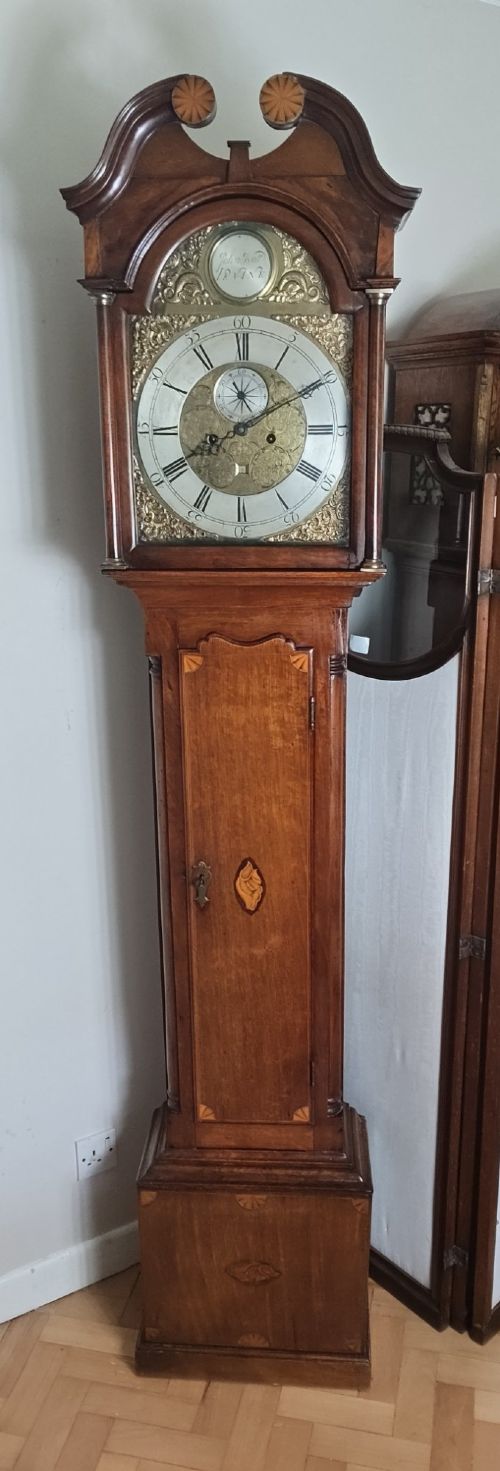
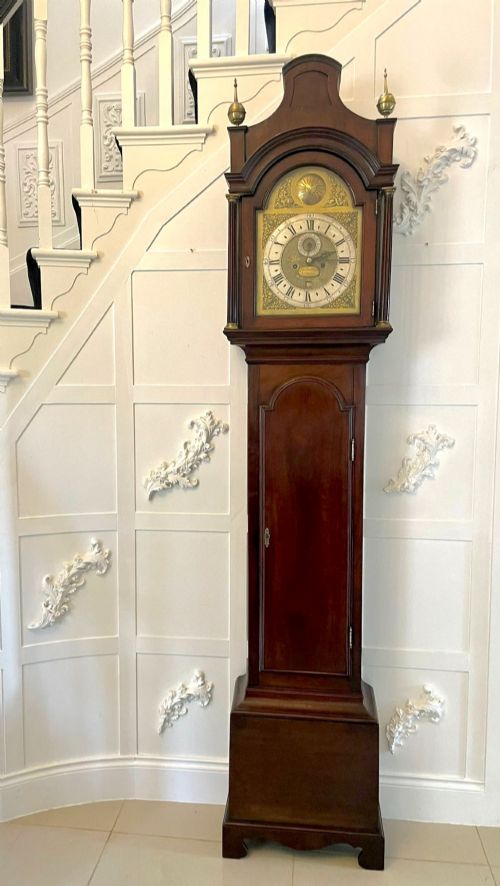
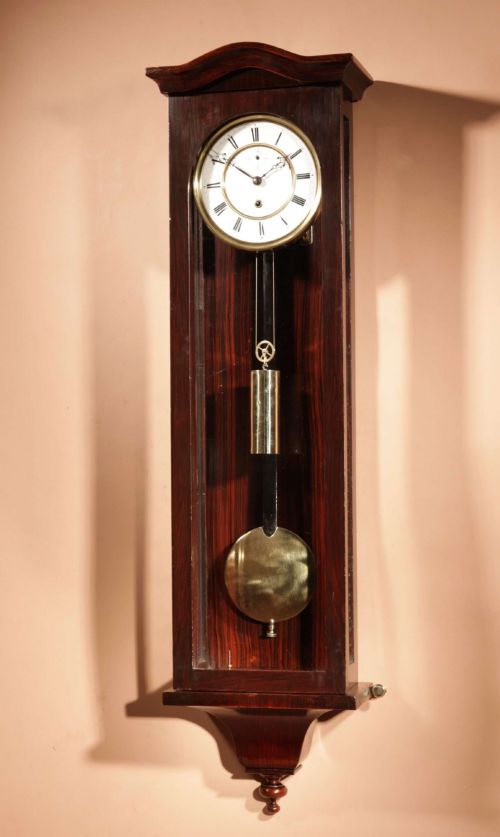
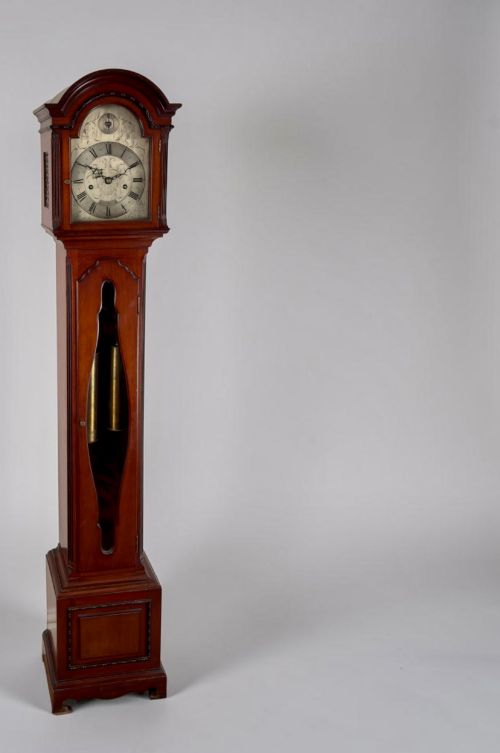
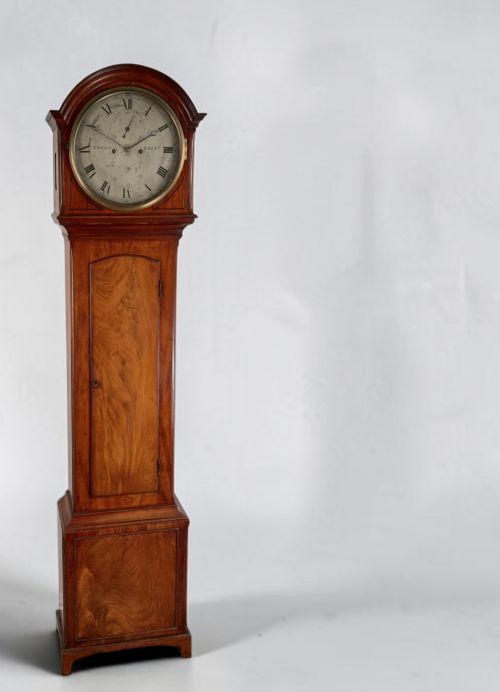
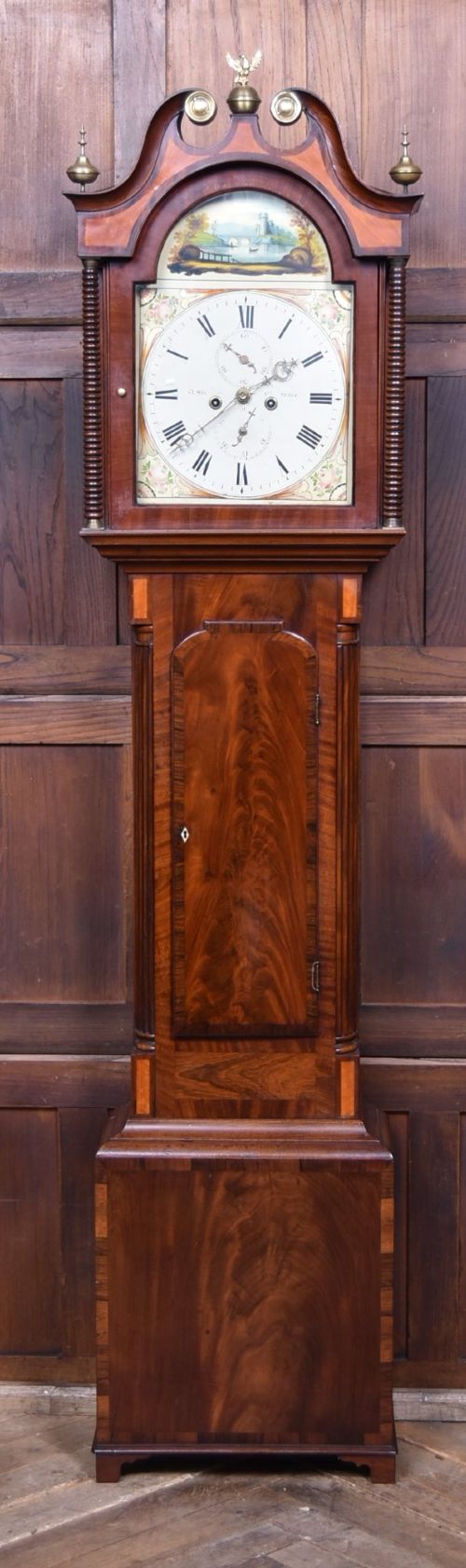
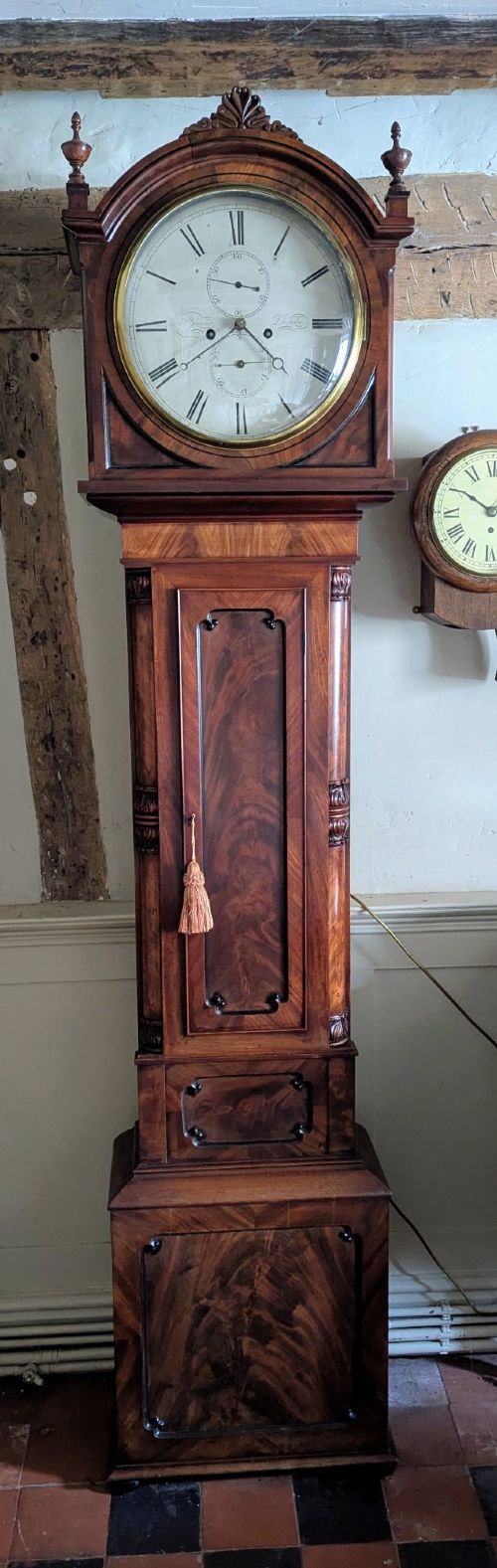
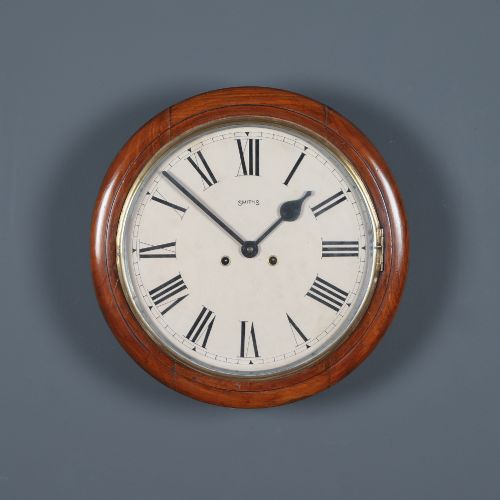
Mahogany Pendulum Clock
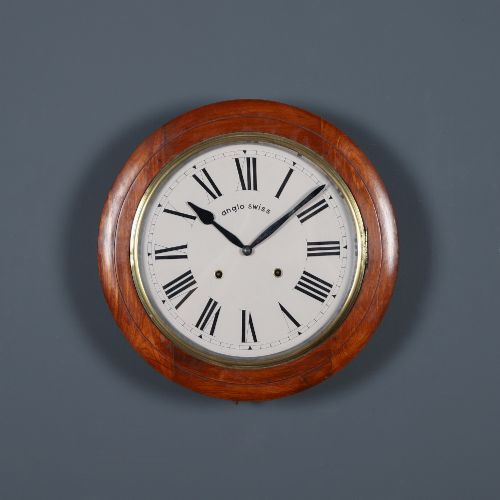
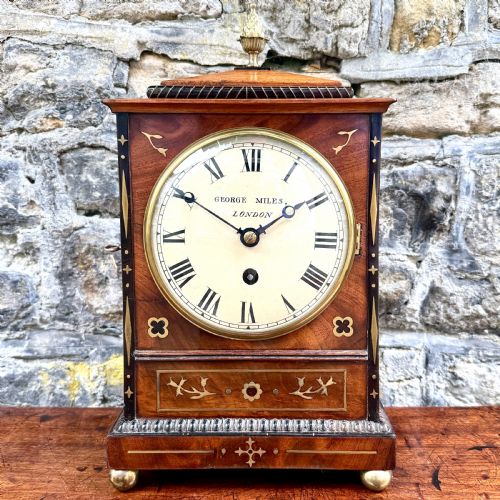
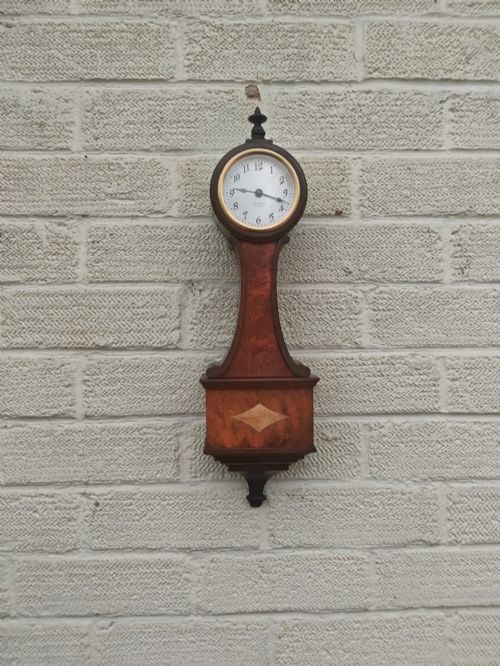
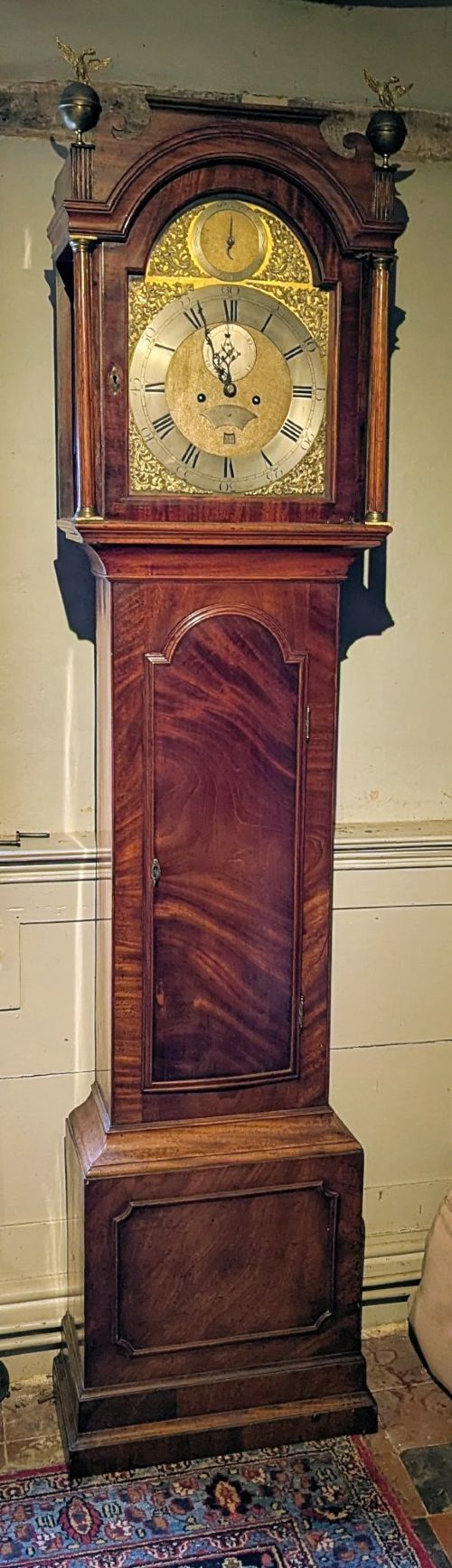
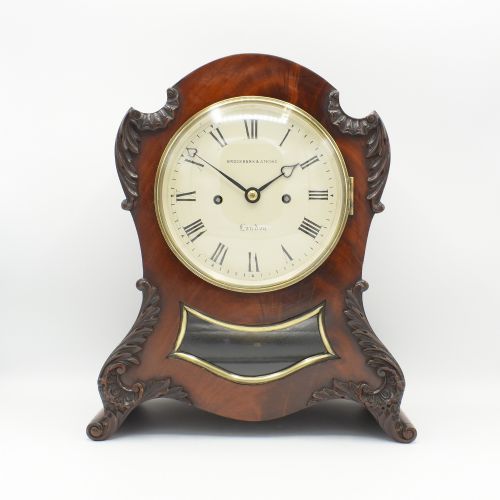
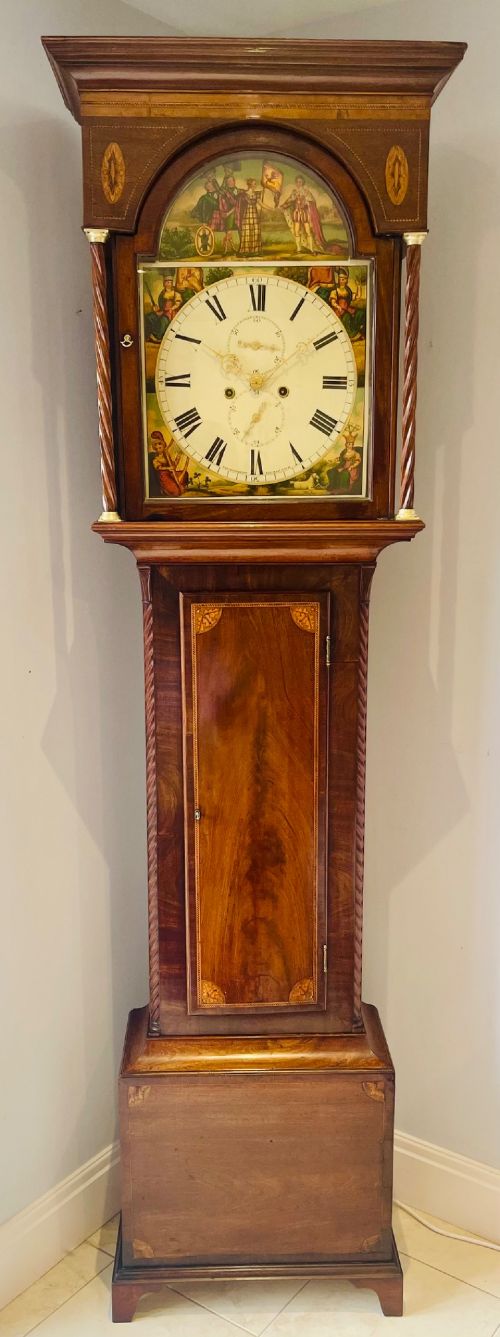
These mahogany pendulum clock examples span wall hung pieces and grandfloor standing forms, offering the rich timber tones and precise timekeeping that collectors desire.
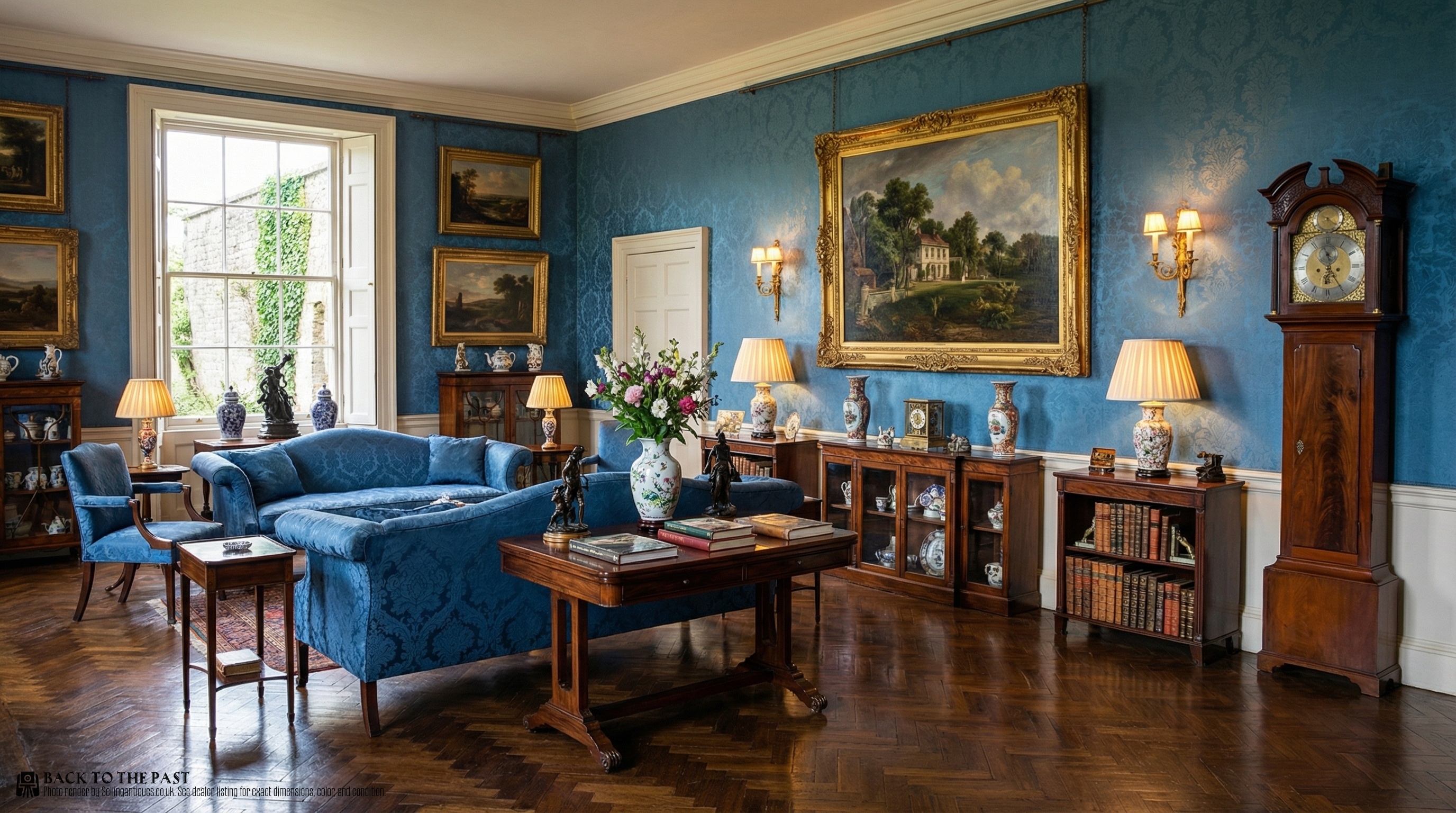
What these clocks are
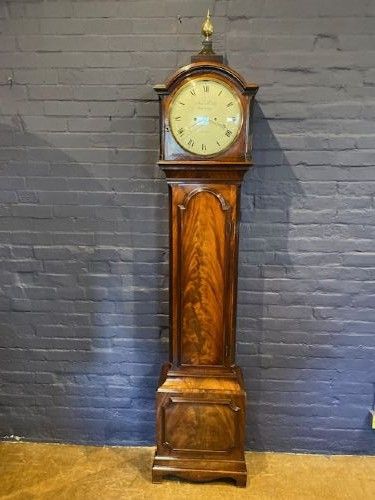
A mahogany pendulum clock combines rich cabinet timber with a swinging weight that regulates the movement, appearing in several distinct formats across this selection. Buyers find tall floor standing versions alongside compact wall hung pieces designed for domestic spaces.
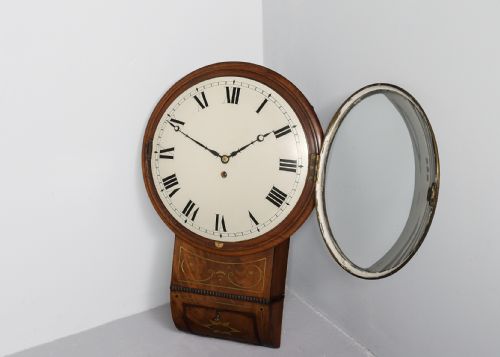
The assortment spans Georgian, Victorian and nineteenth century periods, incorporating George III and American Empire styles. Longcase and drop dial wall formats dominate the selection, showing how makers adapted the mechanism to different rooms.
How they were made
Cabinetmakers utilised solid mahogany and flame mahogany veneers, frequently enhancing the timber with detailed inlay work. Glass panels protect the dial and pendulum bob, while brass components form the internal gears and face ornaments.
Movements rely on weight driven systems, including eight day mechanisms and fusee setups that equalise the pull of the mainspring. Enamel dials provide a clear surface for the painted numerals, ensuring legibility across the room.
Retail Price Guide 2026
Typical UK retail prices for mahogany pendulum clock, calculated from the Sellingantiques database of over a million retail prices indexed since 2003. This retail price guide relies exclusively on Sellingantiques data; no external sources or auction records are used, so the figures do not describe the wider market.
The inventory includes wall clocks, longcase clocks and regulator clocks spanning the Georgian and Victorian periods.
What varies in quality
The refinement of the cabinetwork dictates the standing of the piece, with figured flame veneers and crisp inlay marking out superior examples. Plain timber cases with heavy or clumsy proportions sit at the lower end of the scale.
Movement sophistication also divides the range, particularly the presence of specialised mechanisms like mercurial compensation pendulums or tube chiming systems. Better clockmakers invested heavily in precise gear cutting and clean dial execution.
The Mahogany Pendulum Clock Glossary
- Flame mahogany
- A distinctive timber veneer cut from branch junctions to create fiery, swirling grain patterns. It provides significant decorative appeal on the doors and hoods of better cases.
- Fusee
- A conical pulley connected to the mainspring by a chain or cord, designed to maintain even force as the spring unwinds. This mechanism improves timekeeping accuracy across the duration of the wind.
- Drop dial
- A wall clock design featuring a circular dial mounted above a short, glazed trunk that houses the pendulum. This format became popular in offices and public spaces during the nineteenth century.
- Longcase clock
- A tall floor standing timekeeper also known as a grandfather clock, comprising a hood, trunk and base. The high case allows the long pendulum and heavy driving weights to operate without interference.
Frequently Asked Questions
How do I wind an eight day clock?
Most mechanical pieces require a key inserted into holes on the dial face to tension the springs or raise the weights every week. Care must be taken not to overwind the mechanism.
Ensuring the clock sits perfectly level on the wall or floor keeps the pendulum swinging evenly and prevents the tick from becoming uneven.
Where should I place a longcase clock?
These tall floor standing pieces need a stable, dry interior wall away from direct sunlight and central heating vents. Sudden temperature changes can affect both the wood and the metal movement.
Securing the tall case to the wall using hidden brackets provides stability and safety, particularly in homes with children or pets.
What maintenance do these movements need?
Periodic cleaning and oiling by a qualified horologist keeps the brass gears running smoothly and prevents excessive wear on the pivots. Environmental dust is the primary enemy of exposed mechanisms.
Allowing professional checks every few years preserves the mechanical integrity and ensures accurate timekeeping for daily use.
How do I distinguish Georgian from Victorian pieces?
Georgian and George III examples typically exhibit restrained classical proportions and fine cabinet craftsmanship dating around eighteen hundred. Victorian pieces from the mid to late nineteenth century often introduce heavier mouldings and industrial wall formats.
Examining the dial construction, timber selection and interior movement mounting helps confirm the manufacturing era.