
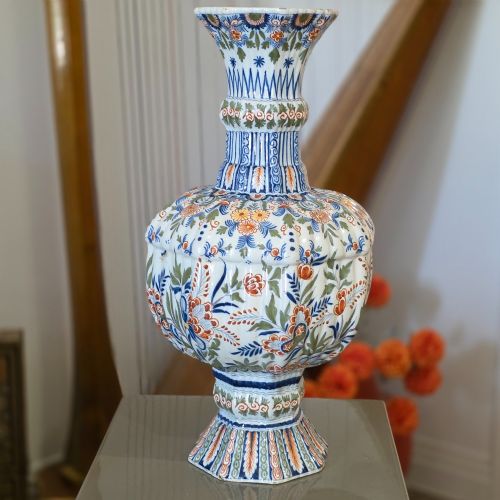
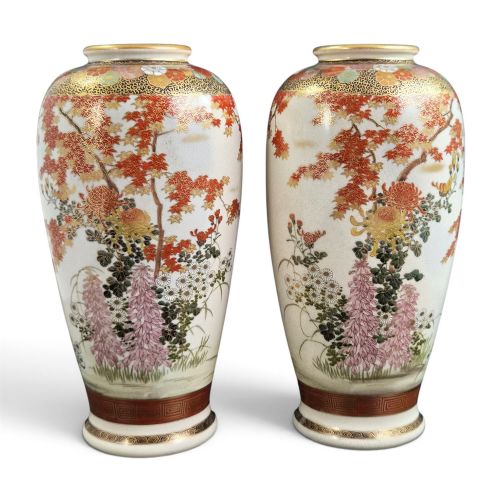
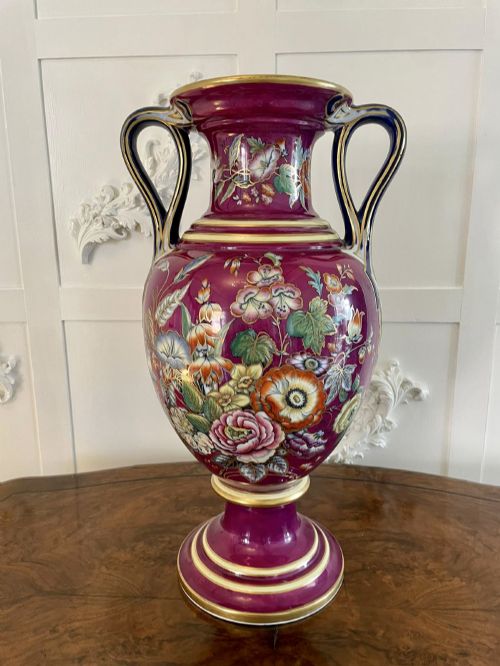
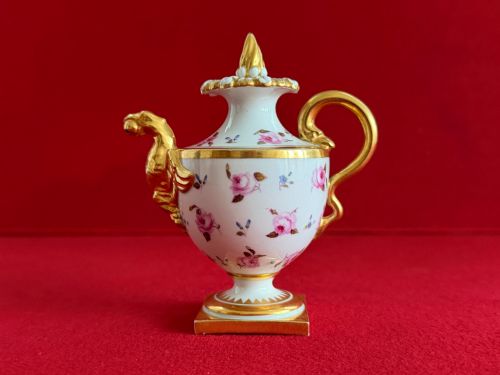
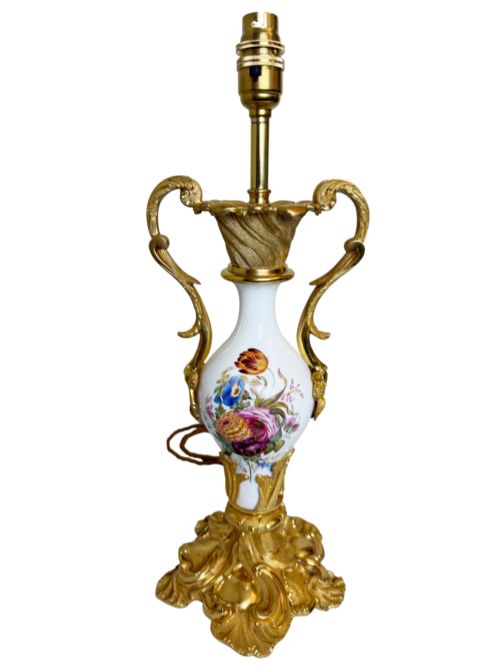
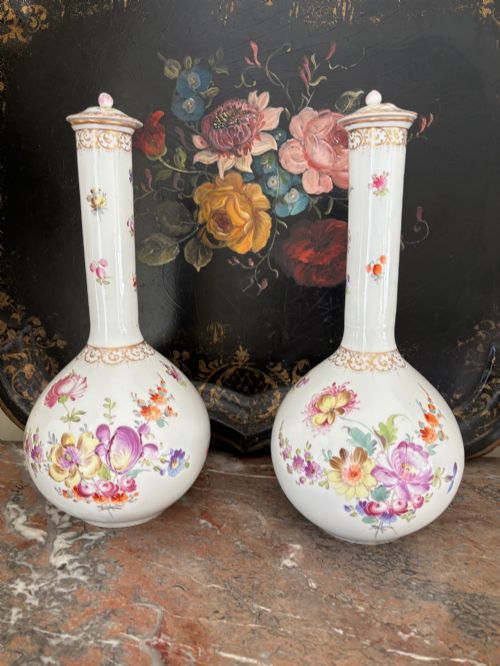
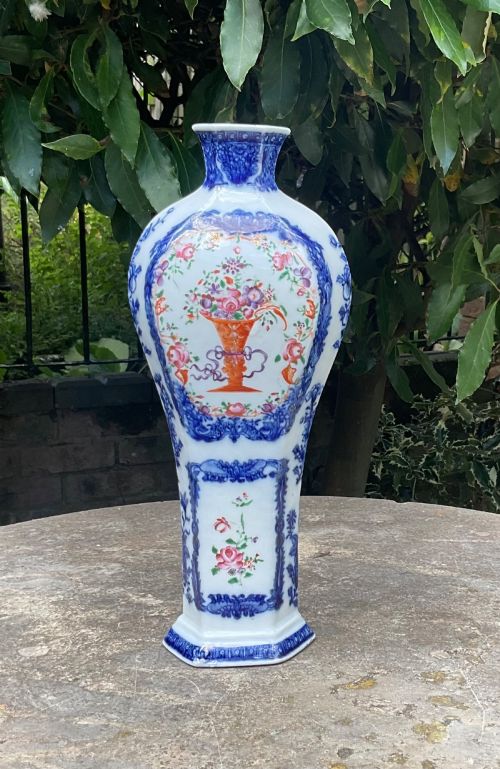
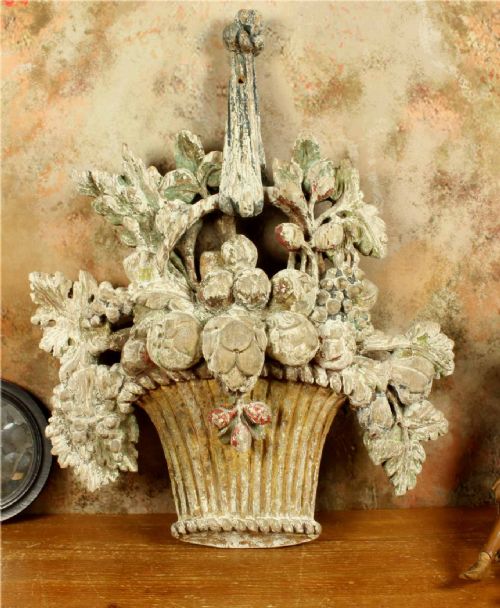
Hand Painted Floral Urn
These hand painted floral urn pieces bring botanical decoration to porcelain and ceramic vessels, offering collectors classic painted ornamentation.

Hand Painted Floral Urn
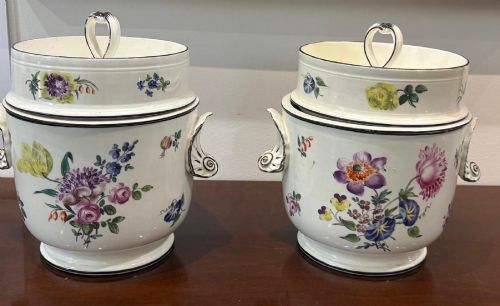
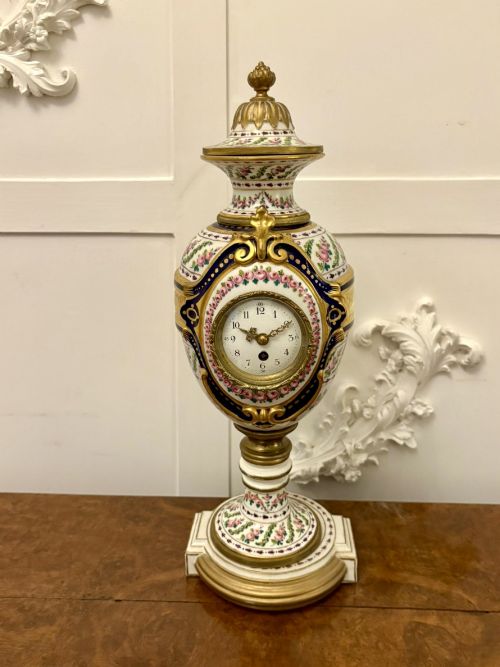
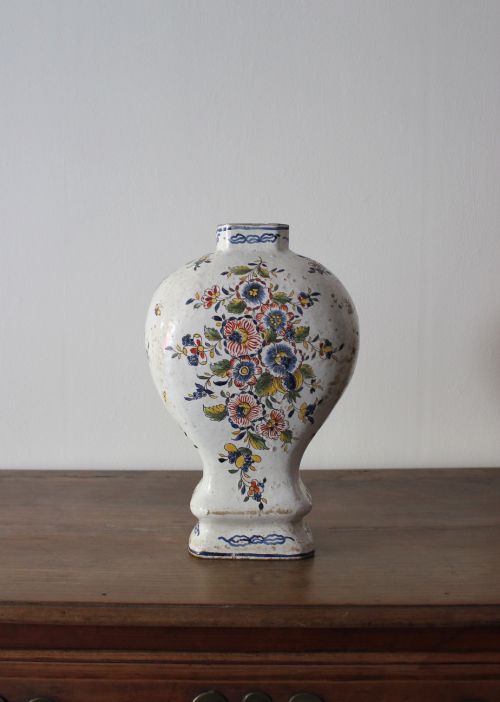
A hand painted floral urn sits within a varied group of decorative ceramics, porcelain, and earthenware vessels produced across the eighteenth, nineteenth, and early twentieth centuries. Most examples encountered here originate from English factories, continental European kilns, and Japanese workshops.
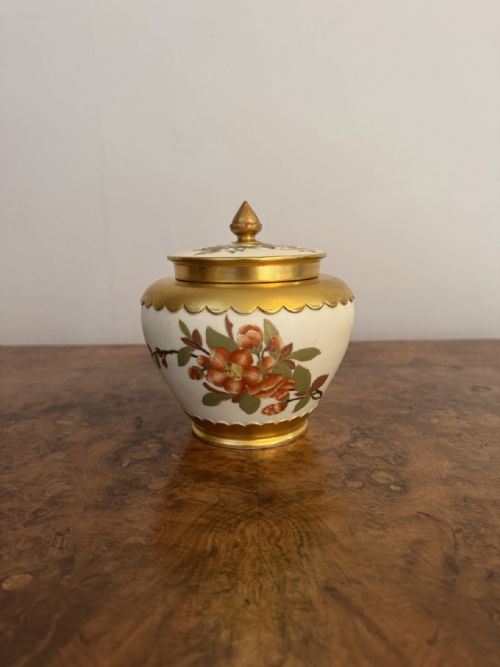
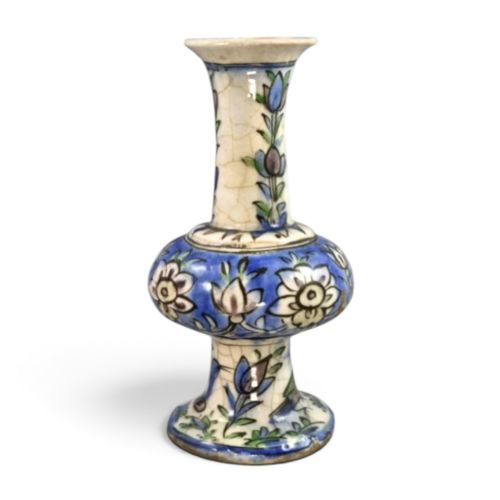
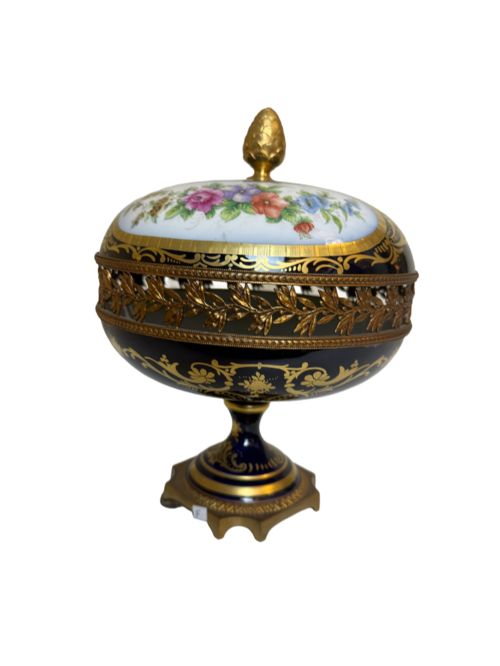
The selection includes lidded vases, campagnas, potpourri jars, and centrepieces bearing botanical motifs. Victorian and Edwardian English pieces alongside Japanese Imari wares dominate the current selection of decorated vessels.
Makers ranged from major porcelain works in Worcester and Staffordshire to continental manufacturers in France and Germany. These items served as decorative mantel ornaments or functional display pieces in period interiors.
How they were made
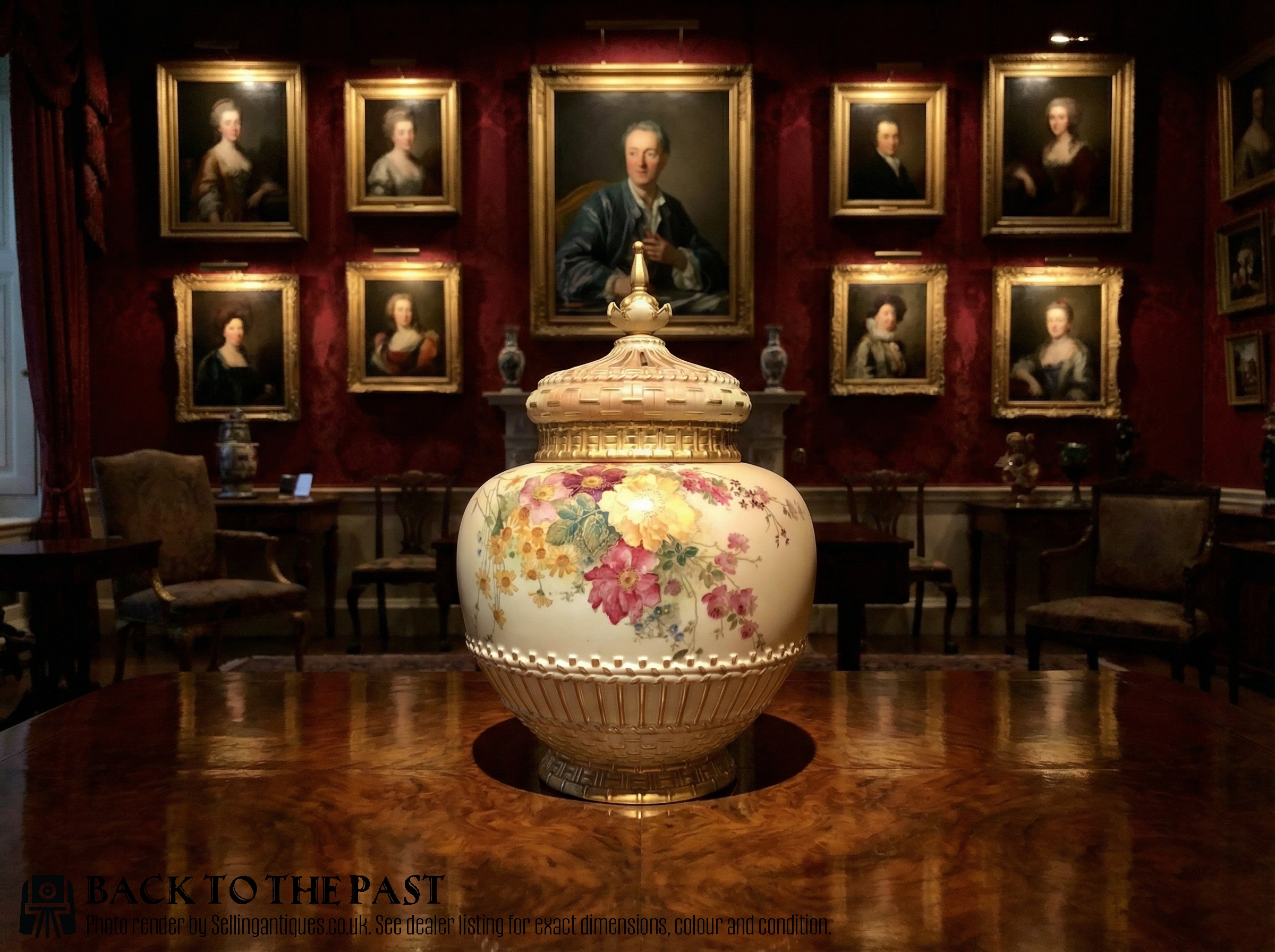
Potters shaped these vessels from ceramic bodies such as porcelain, creamware, and earthenware before applying hand painted botanical details over or under the glaze. Artisans utilised enamel colours alongside gold leaf and gilding to highlight floral patterns and handles.
Firing techniques varied from high-heat porcelain kilns to lower-temperature earthenware production, often requiring multiple firings to fix delicate polychrome enamels and gilt accents.
Hand Painted Floral Urn Retail Price Guide 2026
Typical asking prices for hand painted floral urn among the pieces listed under this phrase on Sellingantiques today, from the lower quarter to the upper quarter. They describe what is for sale here now, not the wider market.
Some Victorian householders kept lidded potpourri jars strictly for their scent, filling period rooms with dried rose petals.
What varies in quality
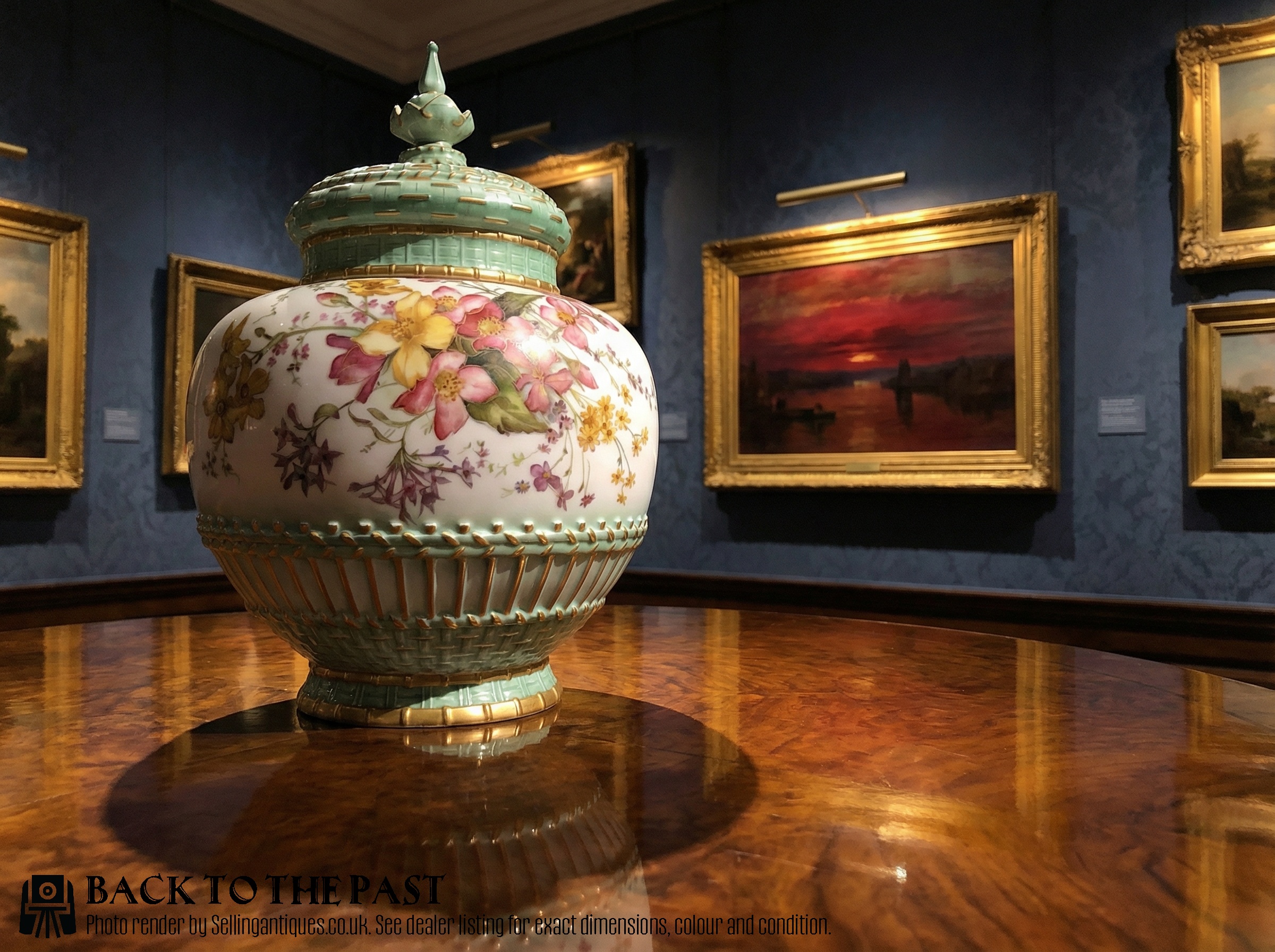
Execution of the painted flora separates standard production pieces from exceptional works, with finer examples showing precise brushwork and nuanced colour blending. The crispness of moulded details, particularly on twin-handled urns and relief elements, indicates the skill of the modeller and the condition of the original moulds.
The application of gilding and the retention of original covers significantly influence the standing of an individual vessel. Superior pieces maintain intact gold leaf and well-preserved polychrome enamels without excessive rubbing from past cleaning.
Flight Barr and Barr·Royal Worcester·Doulton Lambeth·Sitzendorf·Samson of Paris·H and R Daniel
The Hand Painted Floral Urn Glossary
- Blush ivory
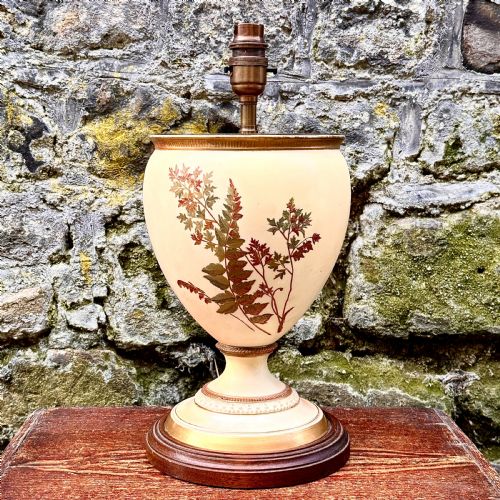
- A porcelain body with a soft, matte cream-coloured glaze that became popular in late Victorian ceramics. Factories such as Royal Worcester utilised this surface for delicate floral painting.
- Imari
- A style of Japanese export porcelain characterised by a palette of underglaze blue, iron red, and added gold. These pieces were widely produced during the Meiji period for international markets.
- Creamware
- A refined earthenware developed in England featuring a pale yellowish-cream glaze. It provided a smooth surface for painted decoration before the widespread adoption of white ironstone.
- Polychrome
- A method of decoration employing multiple colours on a single ceramic or porcelain surface. Artisans applied these pigments by hand before firing the vessel to fix the hues.
Hand Painted Floral Urn: Frequently Asked Questions
How do I identify a period piece?
Examine the base for factory marks, pattern numbers, or impressed stamps that correlate with known operational dates of the pottery. The composition of the ceramic body and the style of the hand painted floral decoration also offer clues to the era of manufacture.
Finer details such as the weight of the porcelain, the tone of the gilding, and the presence of crazing in the glaze help distinguish nineteenth-century examples from later reproductions.
Were these vessels used for flowers?
Many urns and vases were intended strictly as ornamental mantelpieces or architectural table decorations rather than functional water holders. Lidded pots often held dried potpourri leaves to fragrance period drawing rooms.
Some smaller vases and sprinklers accommodated cut stems, but collectors generally assess them based on their decorative display value and the preservation of the painted surface.
How should I clean porcelain urns?
Dust these delicate ceramic items gently with a soft, dry brush to prevent accumulation in recessed moulded areas or around handles. Avoid liquid cleaners, abrasive cloths, or immersion in water, as these can damage historic overglaze enamels and fragile gilding.
If deeper cleaning is necessary, consult a professional conservator to protect the hand painted floral details from accidental rubbing or chemical loss.
What caused the blush ivory effect?
Potters achieved the characteristic blush ivory appearance by applying a tinted ivory slip or glaze over a fine porcelain body before firing. This matte finish provided a muted background that made hand painted floral motifs appear more naturalistic.
It became a defining finish for late Victorian ornamental ceramics, particularly among English manufacturers seeking softer, non-reflective display surfaces.