
Georgian Lowboy Drawers
Georgian lowboy drawers are compact fitted tables designed for grooming or writing, offering practical storage with slender legs.
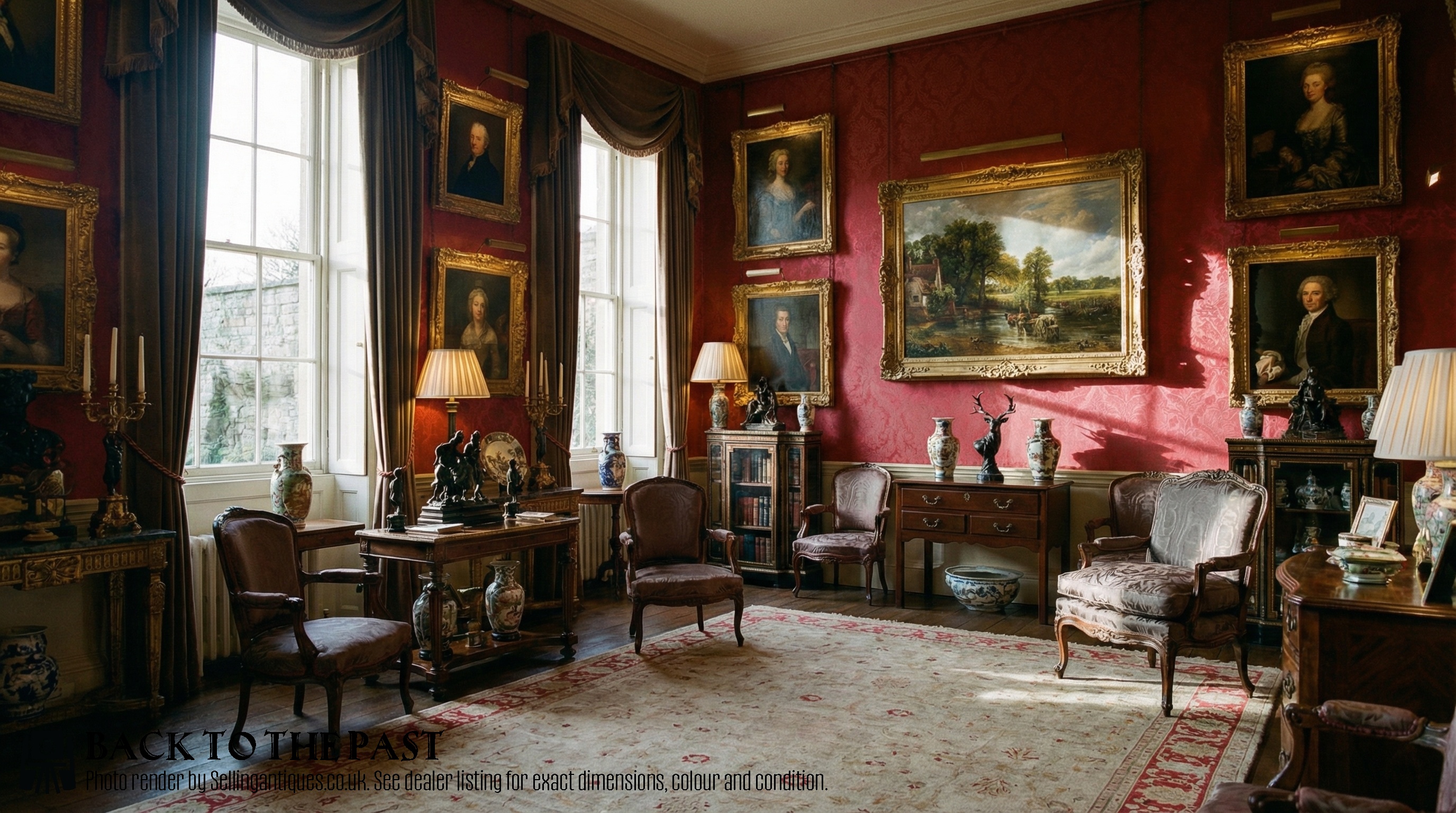
Georgian Lowboy Drawers
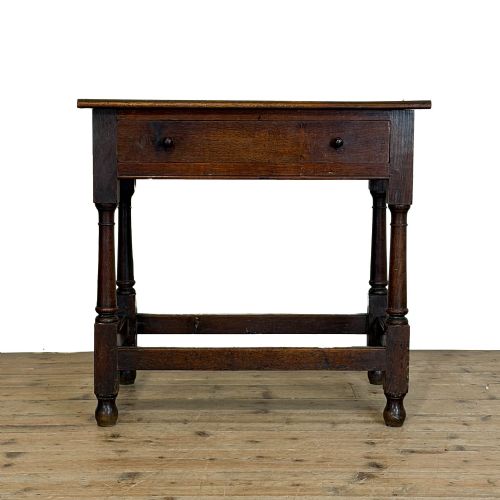
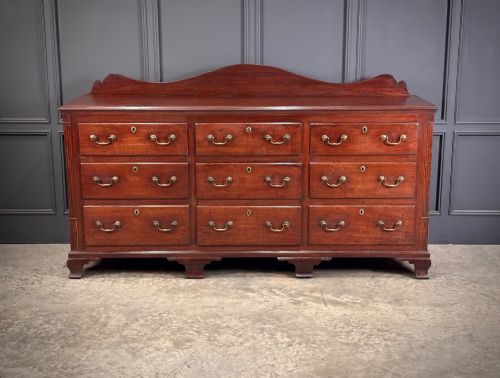
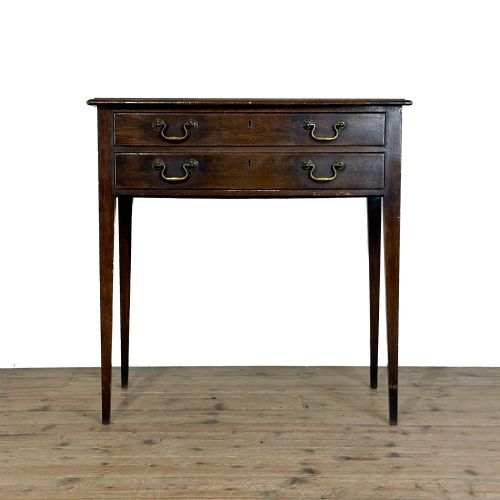
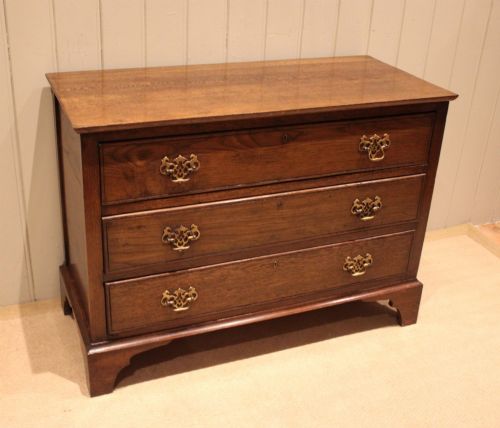
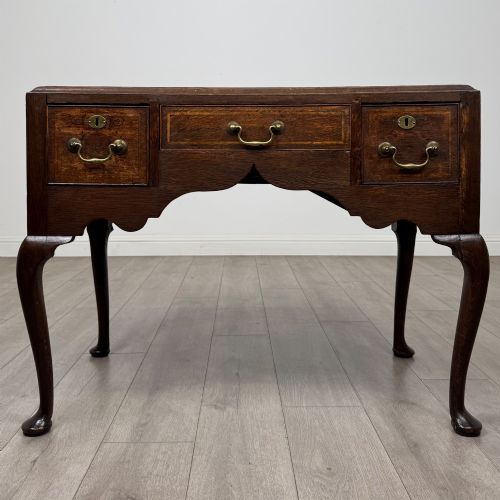
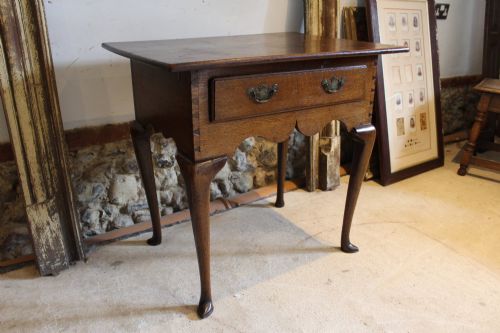
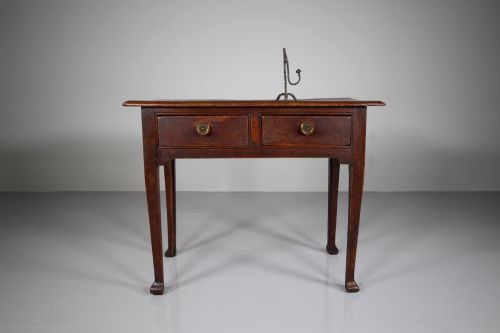
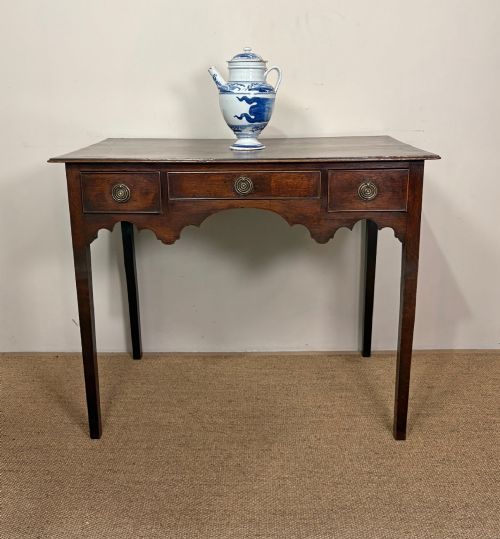
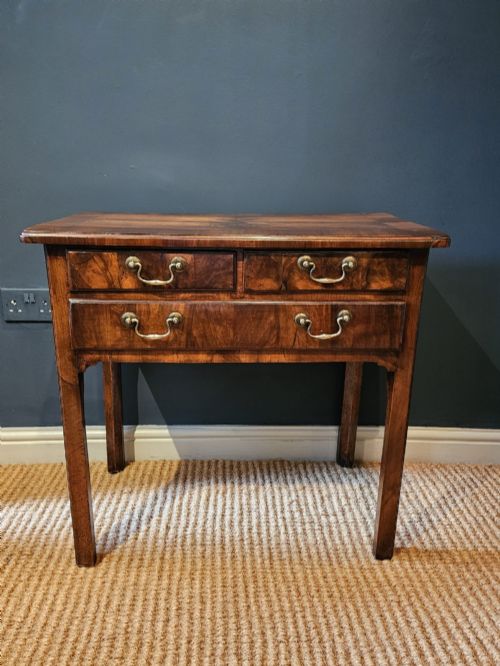
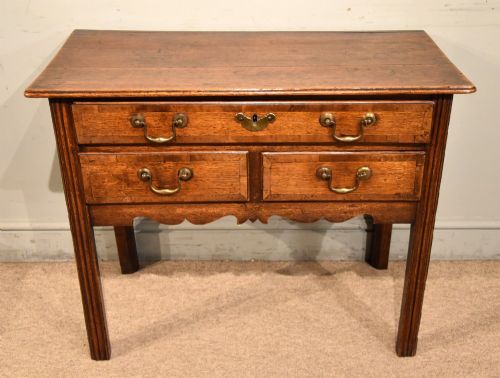
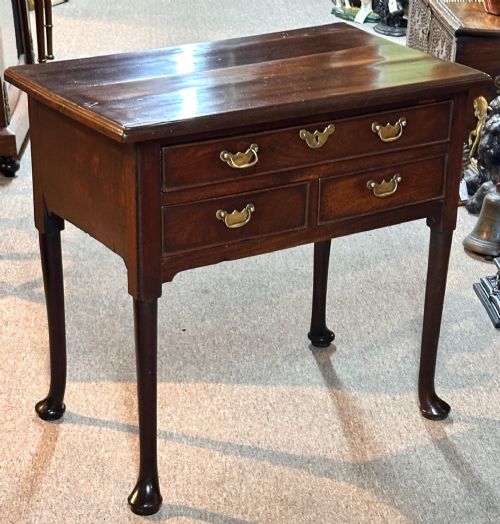
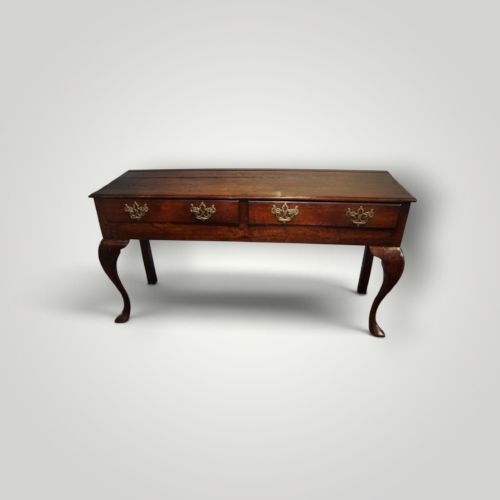
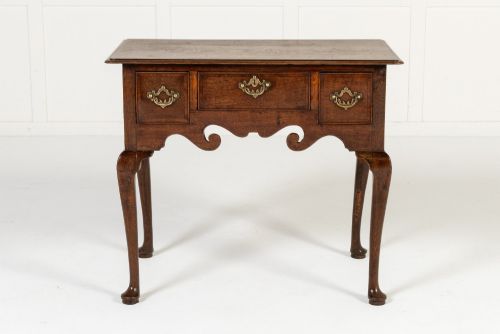
When searching for georgian lowboy drawers, buyers encounter low-standing tables equipped with one to three frieze drawers, often functioning as dressing tables or side tables. The pieces span periods from the eighteenth century through later revival eras, reflecting shifting domestic habits.
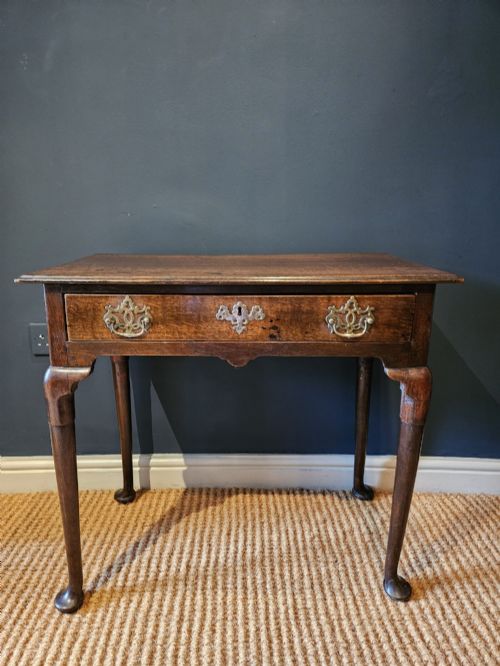
Oak and mahogany versions dominate the selections, alongside walnut and elm examples. Forms range from George II designs with cabriole legs to George III straight-legged variations and occasional revival pieces from the twentieth century.
How they were made
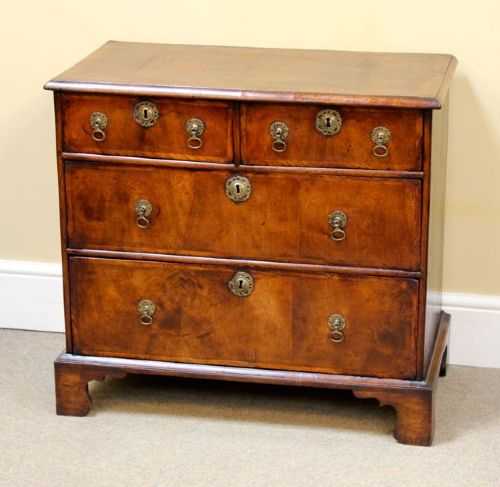
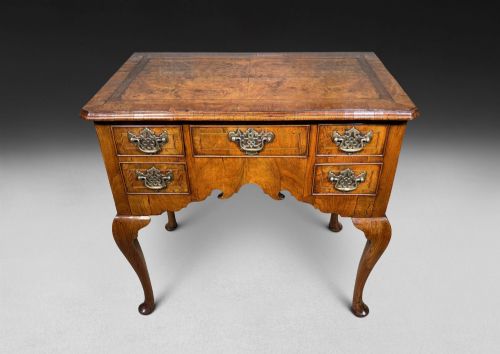
Cabinetmakers utilised solid timbers including oak, mahogany, and walnut, frequently incorporating burr walnut veneers on principal surfaces to create rich grain patterns. Drawer construction relied on traditional joinery methods, paired with timber linings suited to the period.
Hardware typically involved cast brass drop handles and backplates secured to the drawer fronts. Legs were shaped as cabriole forms or straight square supports, sometimes connected by stretchers or finished with simple foot treatments.
Several lowboys hide secret drawers designed to guard small fortunes or love letters from curious household staff.
What varies in quality
The degree of refinement in timber selection separates standard utilitarian pieces from exceptional examples, particularly where figured walnut veneers or dense old-growth mahogany are present. Subtle details in leg profiling and moulding execution indicate the original maker's skill level.
Proportion and the integrity of primary surfaces dictate overall standing. Pieces retaining unaltered drawer linings and period brass hardware hold greater visual harmony than those altered by later replacements.
The Georgian Lowboy Drawers Glossary
- Lowboy
- A low dressing table or side table fitted with drawers, standing on relatively tall legs. This form became popular during the late seventeenth century and remained through the Georgian period.
- Frieze drawer
- A drawer built into the upper band of a table or cabinet directly beneath the top surface. These compartments often feature hand-cut dovetail joints.
- Cabriole leg
- A furniture leg that curves outward and then tapers inward, inspired by animal limbs. This profile appears frequently on George II examples.
- Crossbanding
- A strip of veneer applied to the borders of a table top or drawer front with the grain running perpendicular to the main panel. This technique frames the primary timber surface.
- Bachelor's chest
- A small chest of drawers equipped with a fold-over top or sliding shelf for writing. These versatile pieces served multiple functions in domestic interiors.
Georgian Lowboy Drawers: Frequently Asked Questions
What is a lowboy used for?
These low tables served primarily for personal grooming, dressing, and small-scale writing tasks in bedrooms or parlours. The surface held mirrors and toilet services while the drawers stored accessories.
Over time, owners repurposed them as hall tables or decorative side cabinets in living spaces. Their compact footprint allowed placement in tight architectural spaces.
How do I date a lowboy?
Dating relies on timber choices, leg styles, and construction techniques visible in the drawer joints and framing. Walnut and heavy oak construction point toward earlier eighteenth-century periods.
Later George III examples tend to use mahogany with straight tapered legs and lighter proportions. Revival pieces from the twentieth century show different secondary timbers and modern tool marks.
Are all lowboys made of oak?
Oak forms a significant portion of surviving pieces, particularly from provincial workshops and earlier eighteenth-century periods. Cabinetmakers also turned extensively to mahogany and walnut.
Secondary woods such as elm, fruitwood, and pine frequently appear inside drawer construction and backing boards regardless of the primary exterior timber.
How do I place a lowboy in a modern room?
The compact dimensions allow these tables to function as bedside surfaces, hallway drop zones, or compact dressing desks. Their shallow depth suits narrow corridors and small alcoves.
Pairing them with simple seating or contemporary art creates contrast while maintaining their practical surface utility. The neutral tones of aged oak and mahogany integrate easily into varied colour schemes.