

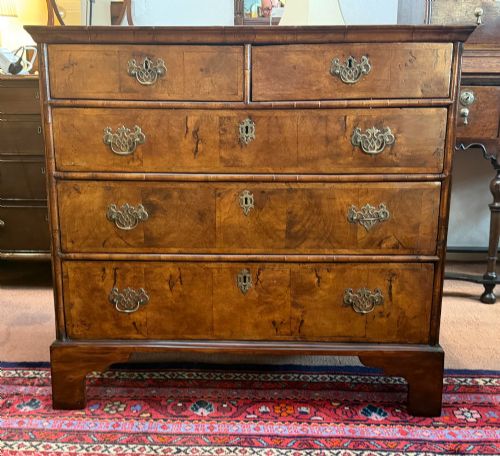
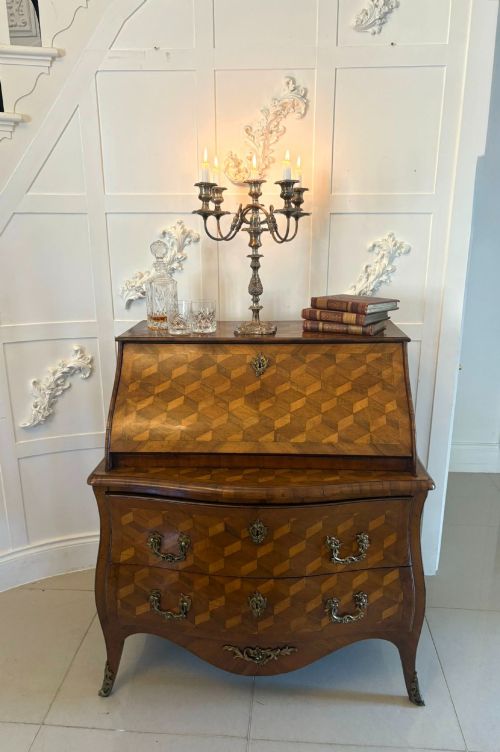
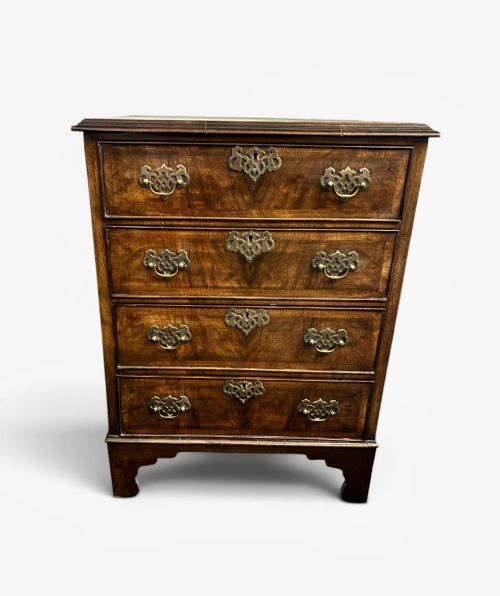
Brown Walnut Chest Drawers
These brown walnut chest drawers offer warmth and utility, bringing rich timber tones and practical storage to any interior.
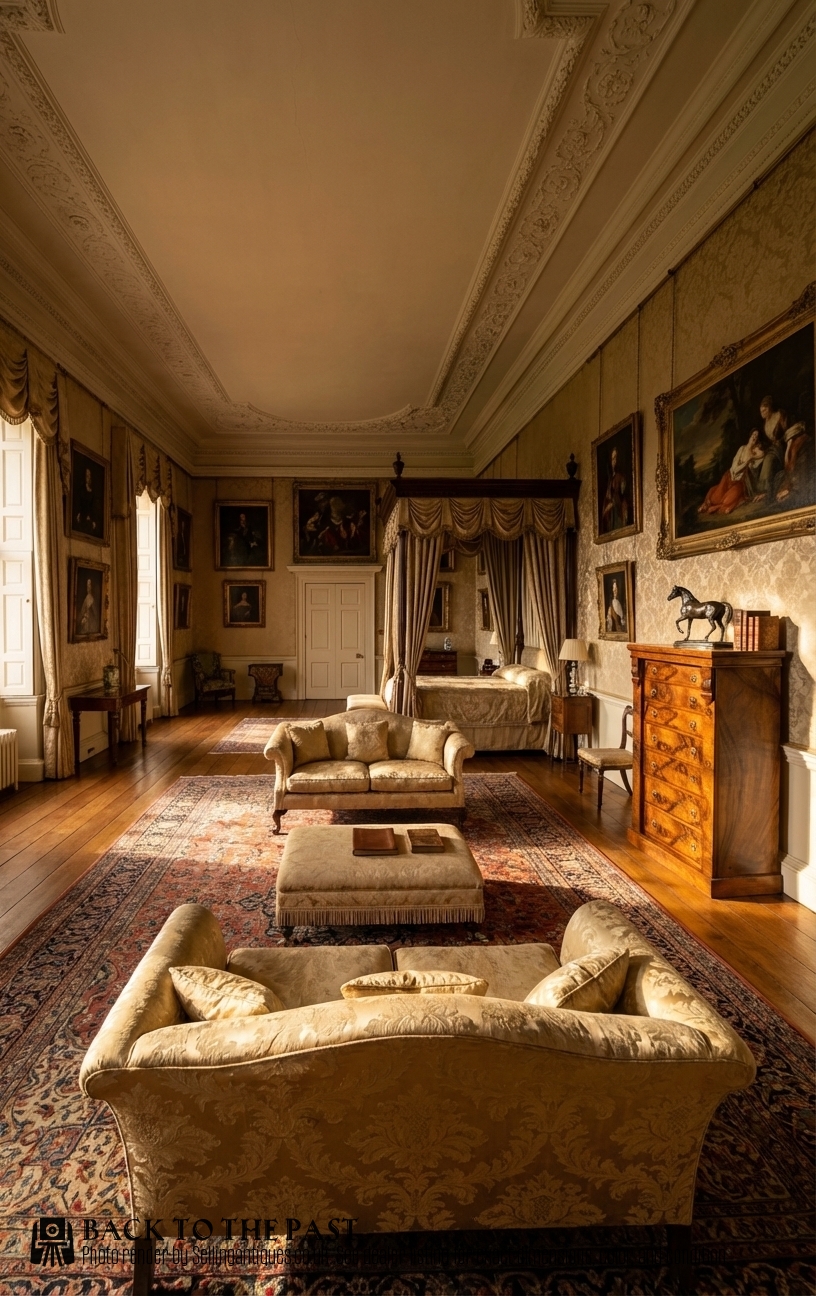
What these brown walnut chest drawers are
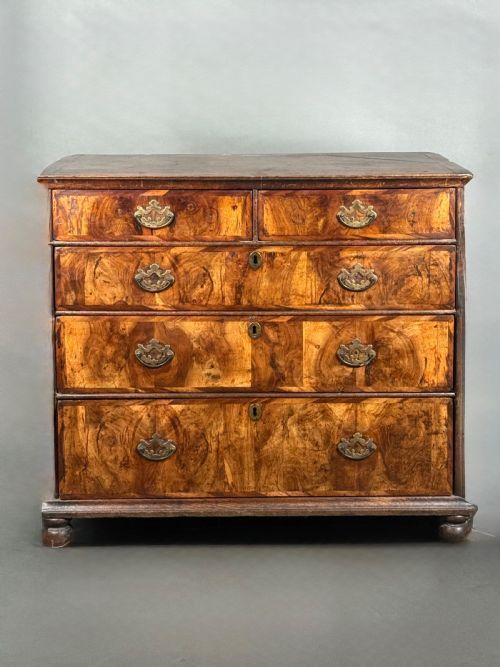
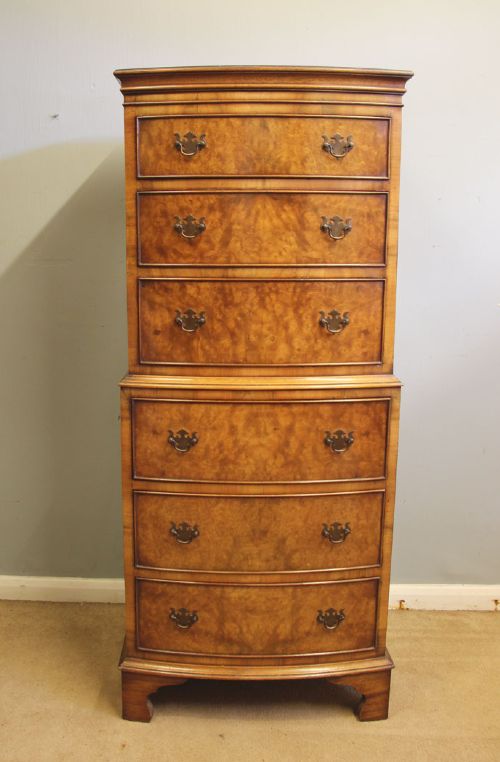
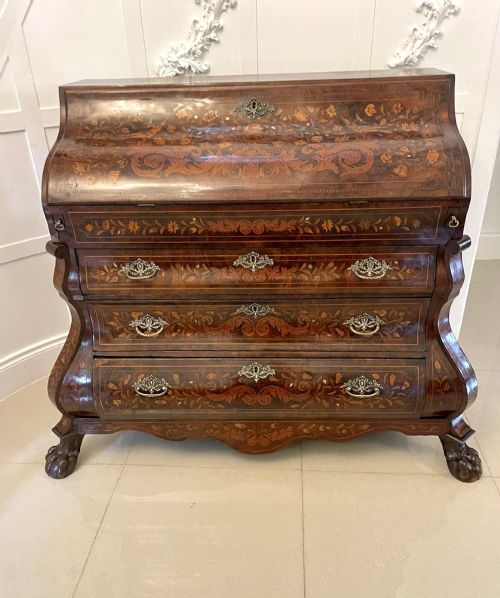
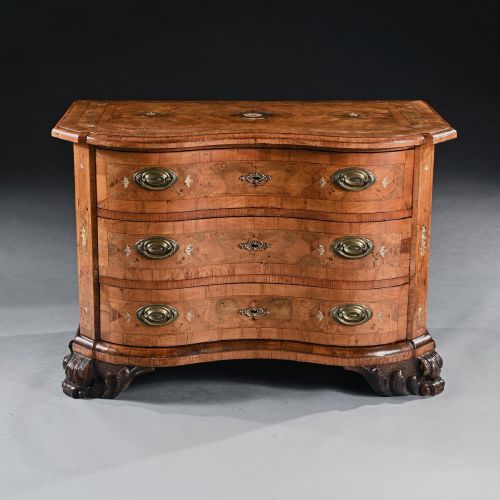
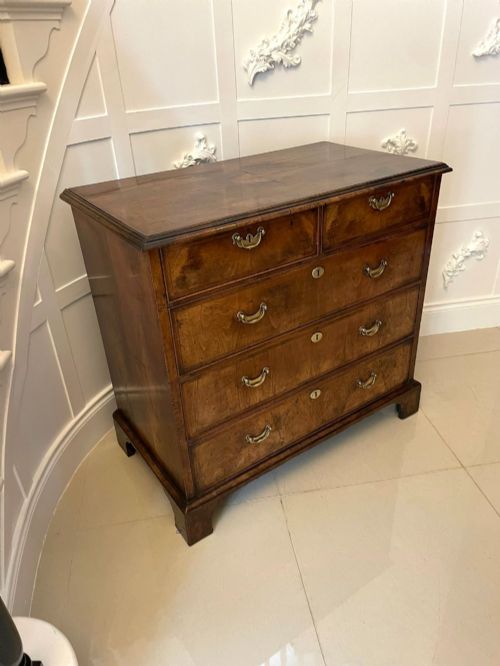
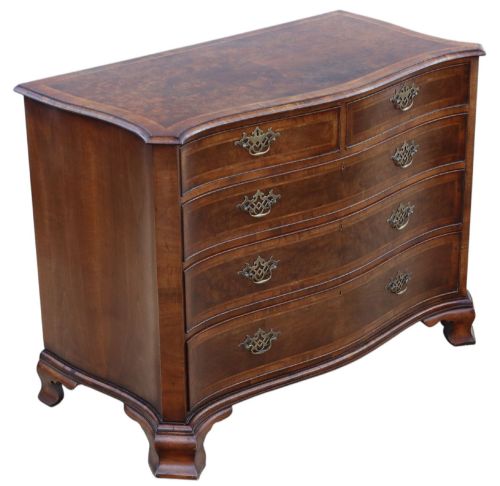
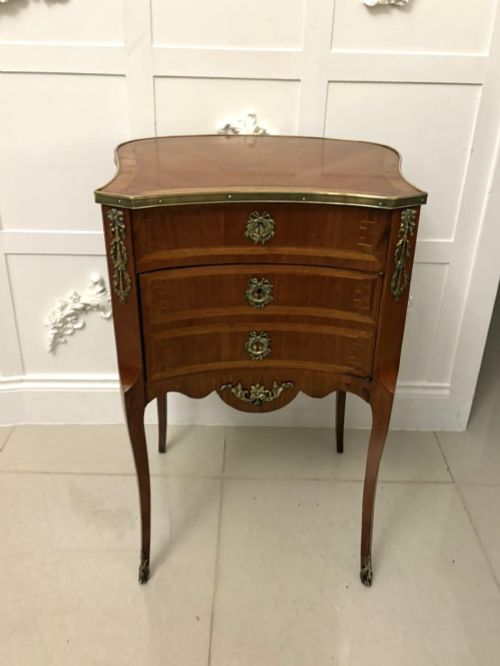
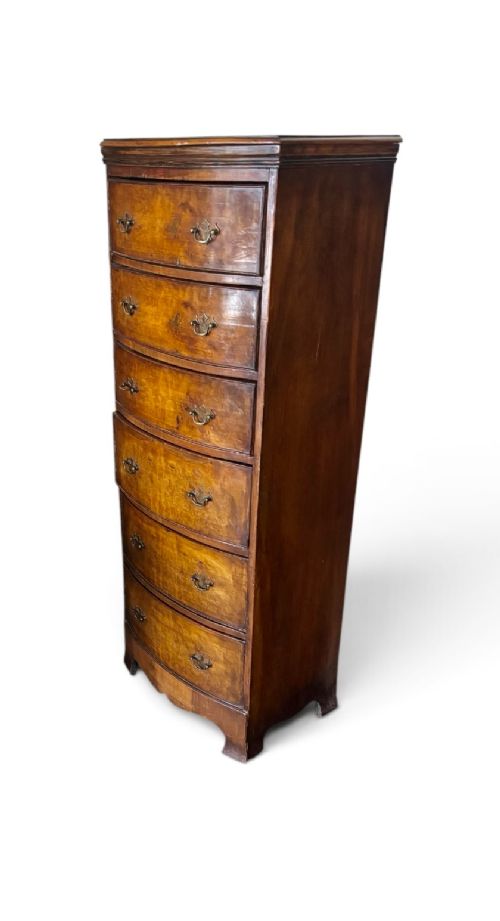
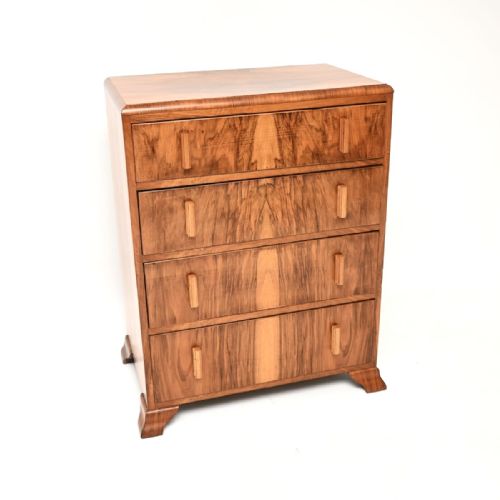
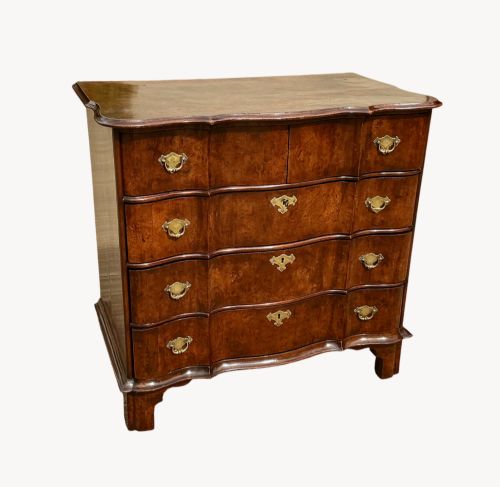
When you search for brown walnut chest drawers, you encounter a selection spanning the eighteenth century through to the art deco period, alongside Victorian and Louis XVI revival examples. The forms include standard chests of drawers, tallboys, commodes, and Wellington chests.
How they were made
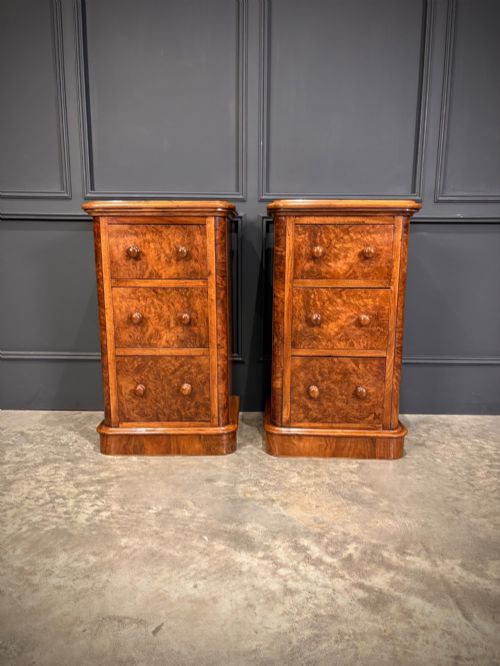
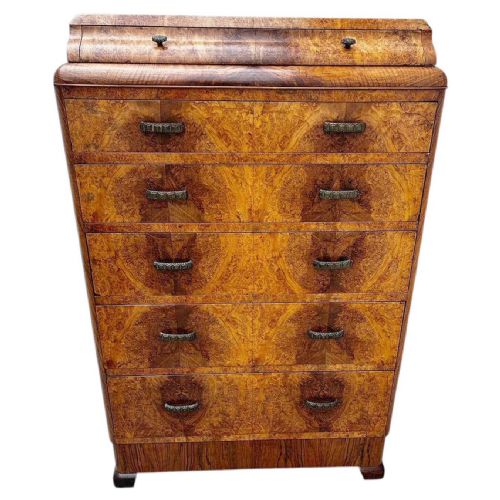
Makers utilised solid walnut and walnut veneer over supportive woods such as oak, applying intricate inlays to shape the surfaces. Cabinetmakers also incorporated burr walnut to create distinctive grain patterns across the drawer fronts.
Fittings include brass hardware and, in later revival pieces, marble tops and ormolu mounts. Construction techniques align with the specific period of manufacture, from eighteenth-century cabinet work to early twentieth-century production methods.
Retail Price Guide 2026
Typical UK retail prices for brown walnut chest drawers, calculated from the Sellingantiques database of over a million retail prices indexed since 2003. This retail price guide relies exclusively on Sellingantiques data; no external sources or auction records are used, so the figures do not describe the wider market.
Some chests hide their contents behind a locking side bar, proving that Victorian furniture designers appreciated a touch of theatre.
What varies in quality
The distinction between standard examples and superior pieces rests on the selection of timbers, such as figured burr walnut, and the precision of the inlay work. Finer items demonstrate careful matching of veneers across the drawer fronts and carcass.
Hardware choice and supplementary materials like heavy marble tops or quality brass handles separate the simpler utilitarian chests from the more ambitious revival and art deco commissions.
The Brown Walnut Chest Drawers Glossary
- Walnut
- A hard timber prized for its rich brown colour and varied grain patterns, frequently used in high-end cabinetmaking. It forms the primary material for these chests and commodes.
- Burr walnut
- A specialised timber cut from the growth warts of walnut trees, yielding highly decorative swirling patterns. Makers use it on prominent surfaces like drawer fronts.
- Commode
- A decorative chest of drawers or cabinet, often associated with French styles and revival pieces. These frequently feature marble tops and ormolu mounts.
- Tallboy
- A tall chest of drawers, typically consisting of a chest standing upon another chest or a base stand. This form provides substantial vertical storage.
- Wellington chest
- A narrow vertical chest of drawers secured by a hinged locking side pilaster bar. This distinct nineteenth-century form offers compact storage.
Frequently Asked Questions
What periods do these chests cover?
The current selection spans the eighteenth century through the Victorian era and into the early twentieth century, including art deco pieces.
These diverse dates mean you find everything from early Georgian proportions to later revival commodes.
Which materials appear on these chests?
Primary materials include walnut, burr walnut, and walnut veneer, supported by secondary timbers like oak.
Additional elements include brass handles, bakelite details, marble tops, and ormolu mounts depending on the specific style.
How do commodes differ from standard chests?
Commodes often reflect continental influences such as Louis XVI revival styles, frequently incorporating decorative marble tops and ormolu.
Standard chests focus primarily on timber construction and functional drawer arrangements for bedroom or living spaces.
Where do tallboys and Wellington chests fit?
Tallboys provide elevated vertical storage through stacked drawer sections, suiting rooms with limited floor space.
Wellington chests offer a narrow profile with a unique locking side bar, representing a specific nineteenth-century design.