
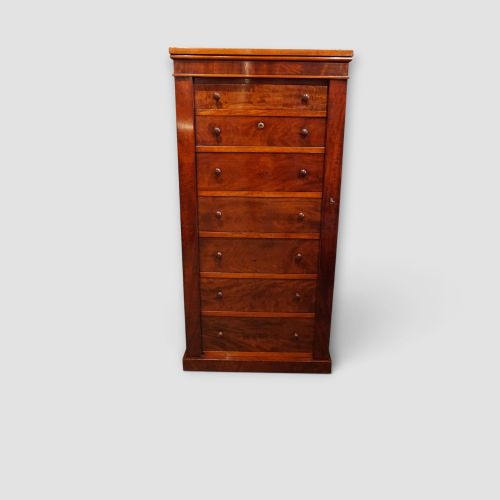
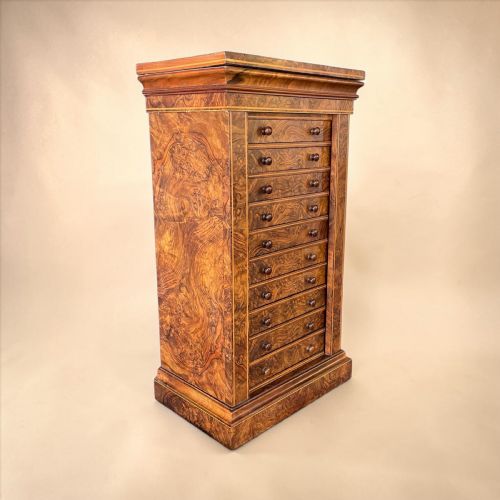


Locking Side Flap Chest
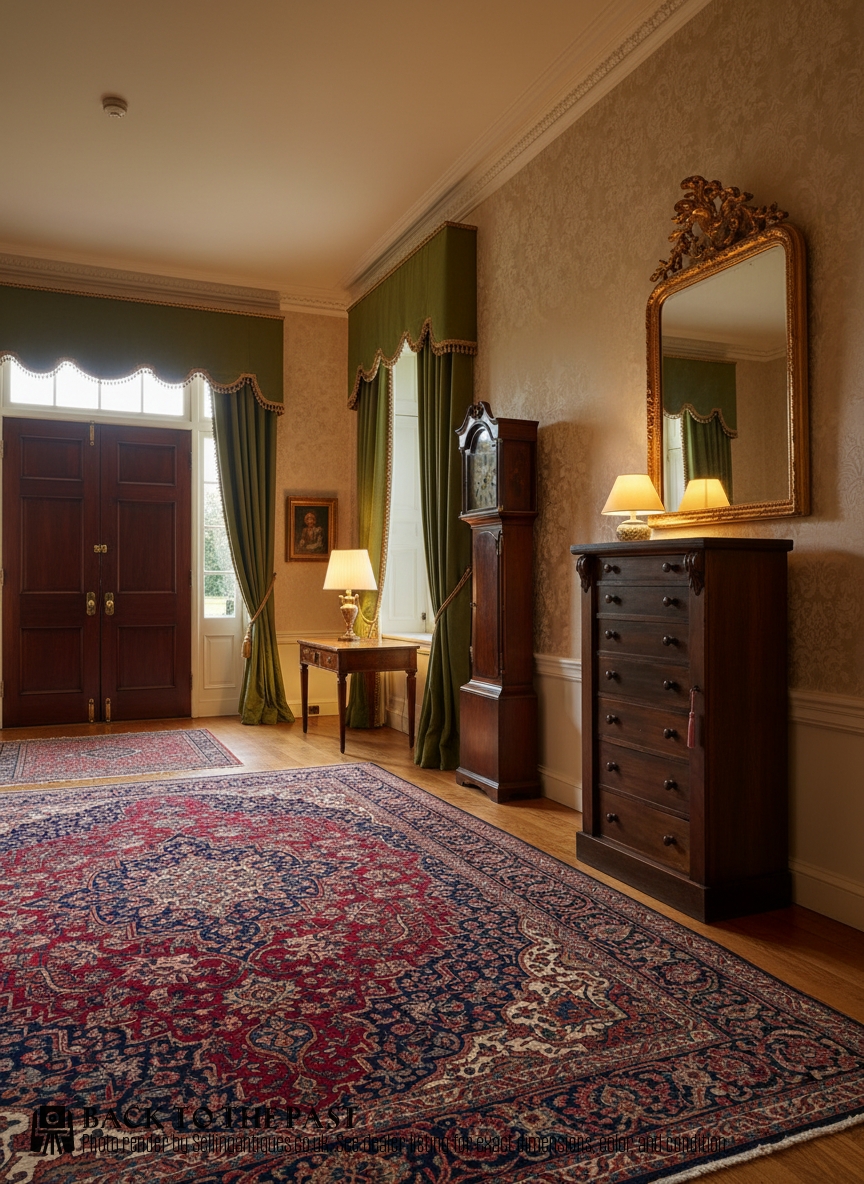
These locking side flap chest examples, known traditionally as Wellington chests, offer secure vertical storage with a signature hinged side pilaster.
What these pieces are
A locking side flap chest, commonly recognised as a Wellington chest, provides a tall stack of narrow drawers secured by a locking right-hand pilaster. These pieces date from the Victorian era, specifically spanning the mid to late nineteenth century into the early twentieth century.
The dominant forms on this page include mahogany and walnut chests of drawers featuring five or more internal compartments. Each piece relies on the characteristic hinged fall or side flap that swings open only when the top drawer is unlocked, securing the entire cabinet.
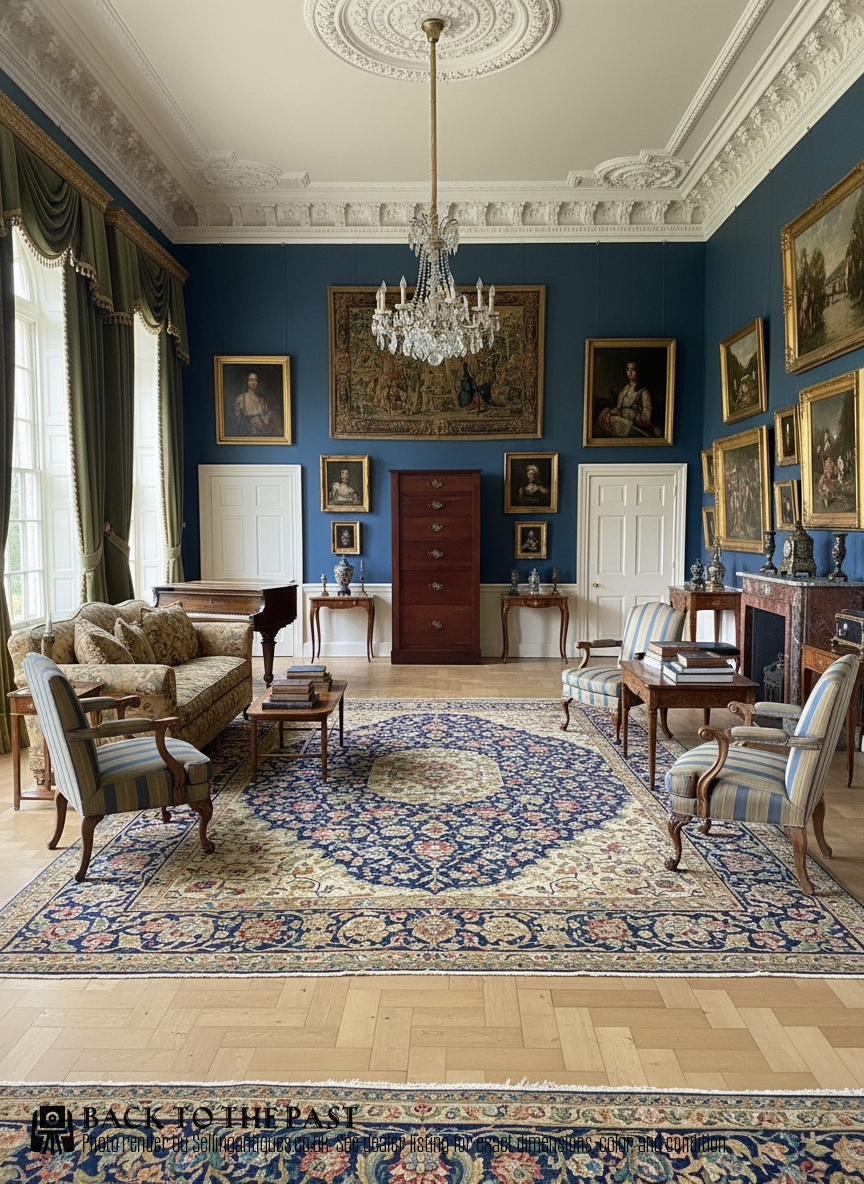
Originating as practical tallboys for gentlemen's dressing rooms or studies, these chests maximise floor space while keeping valuables secure. The proportions remain consistently vertical, designed to fit snugly into alcoves or between windows in period interiors.
How they were made
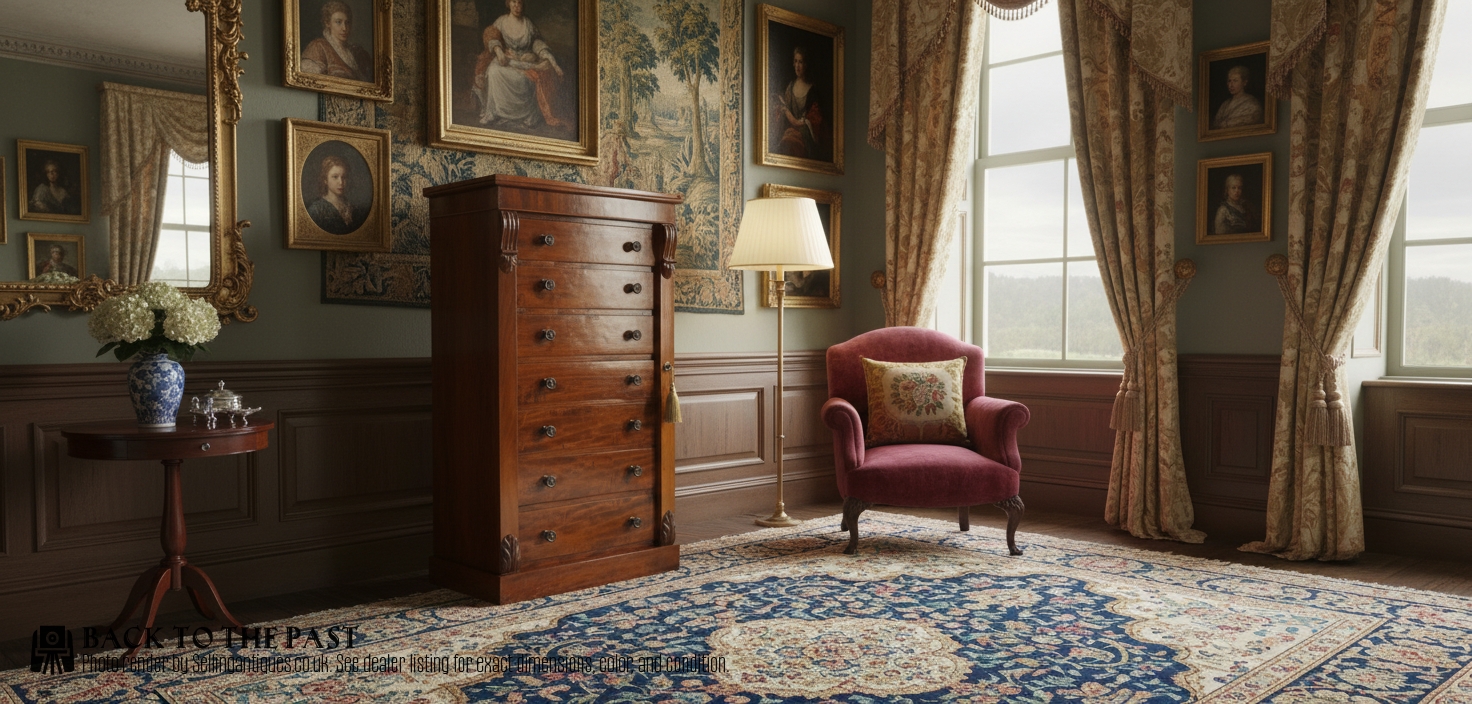
Cabinet makers utilised dense primary timbers such as mahogany and walnut, frequently applying flame mahogany veneer or burr walnut to drawer fronts and exterior surfaces. Secondary timbers formed the interior drawer carcases, joined with traditional dovetails.
The locking mechanism integrates brass hardware within the hinged side flap, which engages with rebates on the drawer edges when closed. Working locks often retain their original keys, operating a vertical bar or bolt system.
Retail Price Guide 2026
Typical UK retail prices for locking side flap chest, calculated from the Sellingantiques database of over a million retail prices indexed since 2003. This retail price guide relies exclusively on Sellingantiques data; no external sources or auction records are used, so the figures do not describe the wider market.
Listings span from eighteen-sixty to nineteen-twenty, featuring mahogany, walnut, brass, and leather materials.
What varies in quality
The distinction between standard examples and superior pieces rests upon figure and grain matching in veneers such as burr walnut and flame mahogany. Finely figured timber selected for the drawer fronts creates a cohesive visual rhythm down the face of the chest.
Originality of brass locking mechanisms, hinges and escutcheons dictates the integrity of the piece. Cabinets retaining functioning proprietary locks and uncompromised internal drawer linings command greater regard among collectors.
Druce & Co.
The Locking Side Flap Chest Glossary
- Wellington chest
- A tall, narrow chest of drawers secured by a hinged vertical locking flap on one side. This form became popular during the Victorian period for storing shirts or valuables.
- Flame mahogany
- A veneer cut from the fork of the mahogany tree where branches join the trunk, producing a distinctive flickering flame pattern. Cabinet makers prized this wood for high-status drawer fronts.
- Burr walnut
- Timber harvested from walnut tree growths, featuring swirling, knotty grain patterns. It provides a rich, highly decorative surface texture.
- Pilaster
- A rectangular vertical architectural member projecting from the cabinet side, functioning here as the hinged locking flap.
- Dovetail
- A traditional corner joint interlocking wedge-shaped fingers, ensuring robust drawer construction without relying solely on adhesives.
Frequently Asked Questions
What is a locking side flap chest?
A locking side flap chest is a tall Victorian cabinet containing multiple drawers secured by a hinged vertical pilaster on the side.
This hinged flap cannot open unless the topmost drawer is unlocked, protecting the contents of the entire chest.
How do you lock the drawers?
The locking sequence requires the user to shut all drawers and swing the side flap into place against their edges.
Turning the key in the top drawer then secures an internal mechanism that locks the vertical flap shut.
What woods were used?
These chests were constructed primarily from solid mahogany or walnut, often enhanced with decorative veneers.
Cabinet makers applied flame mahogany veneer and burr walnut across the drawer fronts to create striking visual patterns.
Where were they used?
These tall cabinets were designed for Victorian studies, dressing rooms, and bedrooms where floor space was limited.
The vertical format provided generous storage capacity within a compact footprint.