



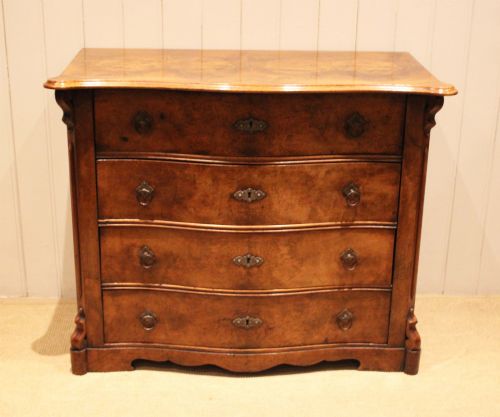
Victorian Walnut Tallboy
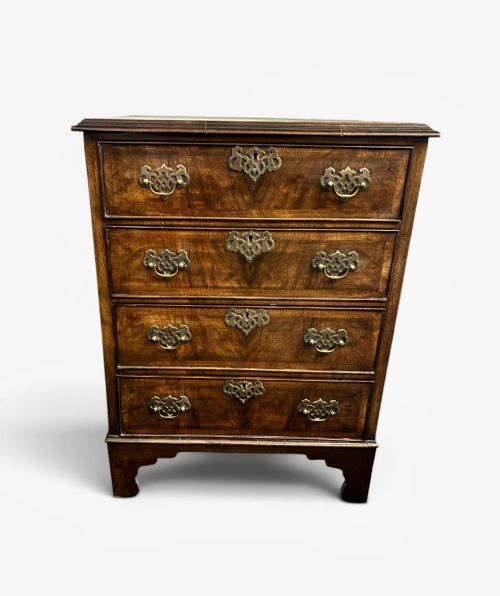
A victorian walnut tallboy brings together warm timber and soaring height, offering serious storage without sacrificing floor space.
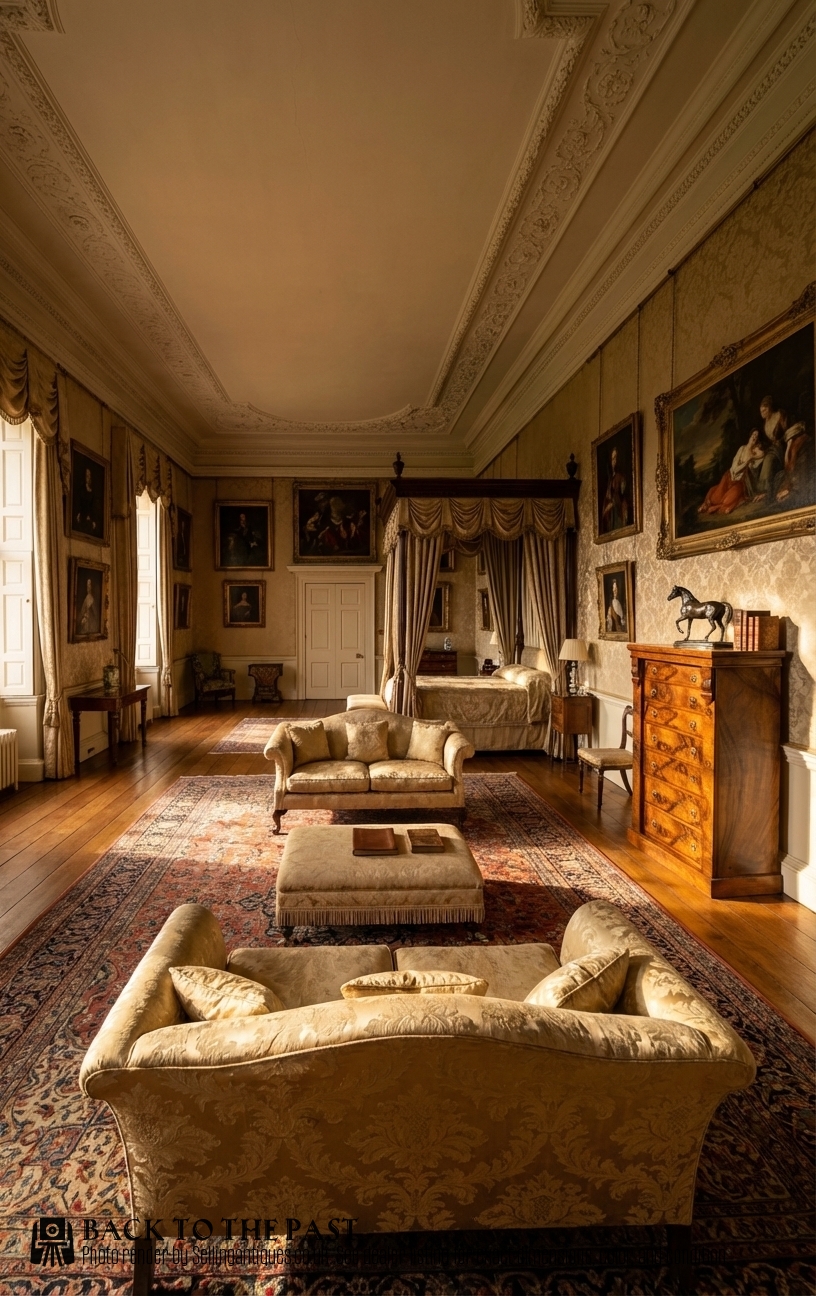
What a Victorian walnut tallboy is
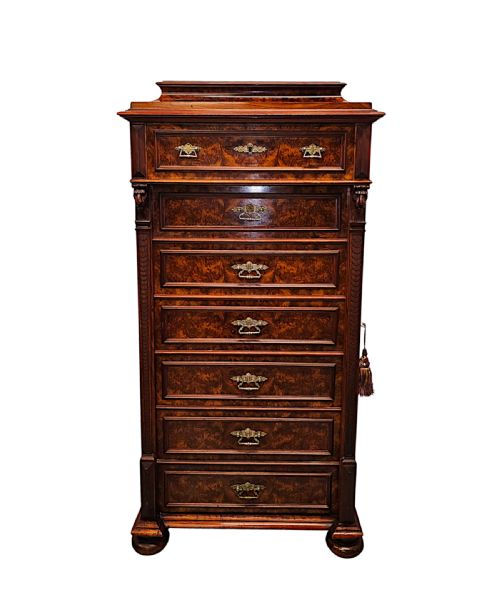
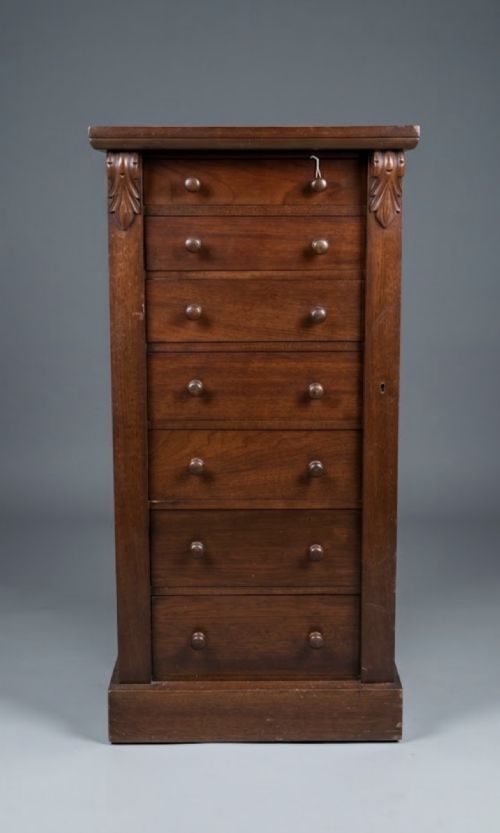
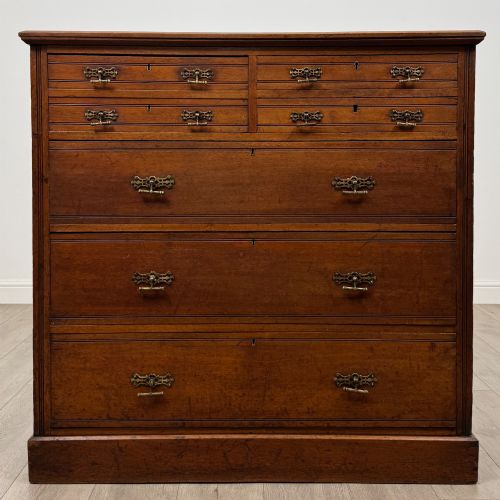
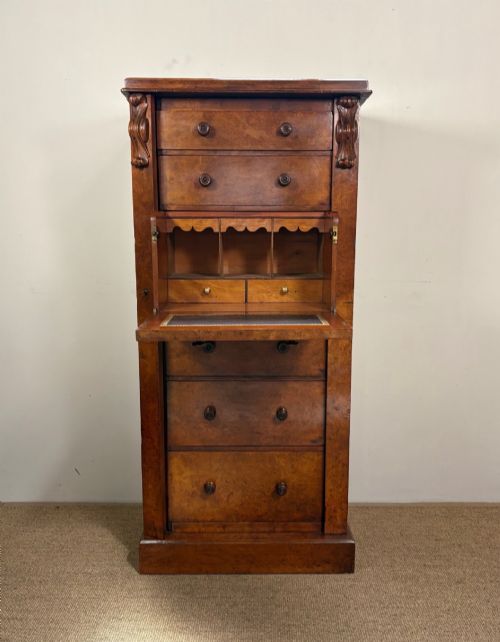
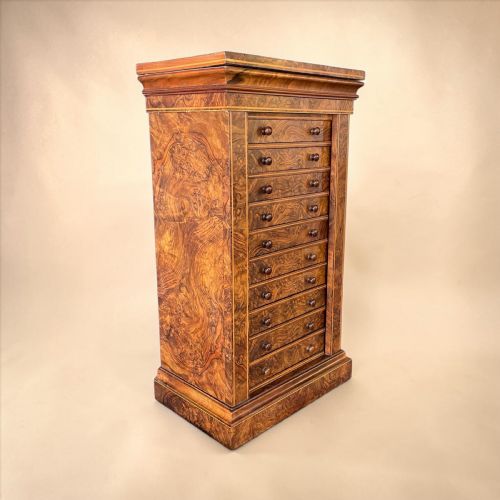
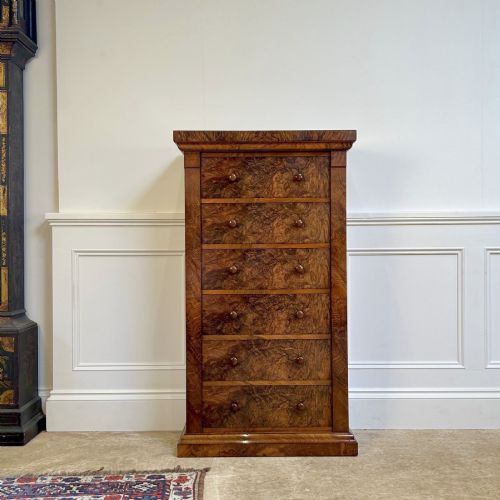
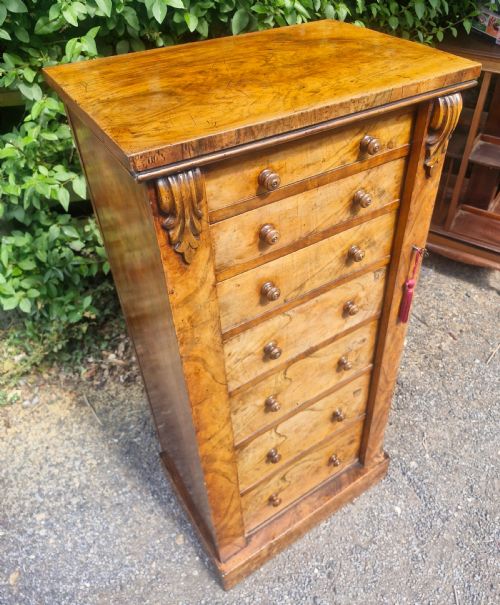
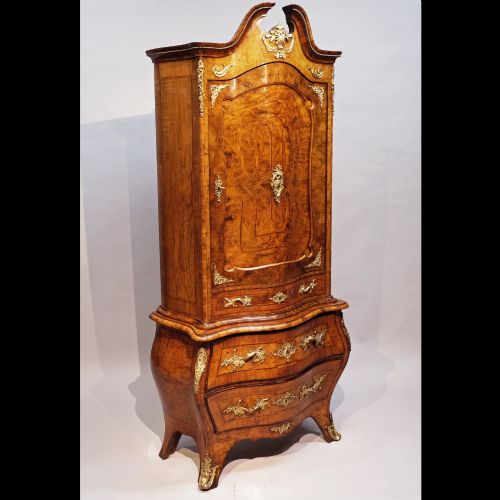
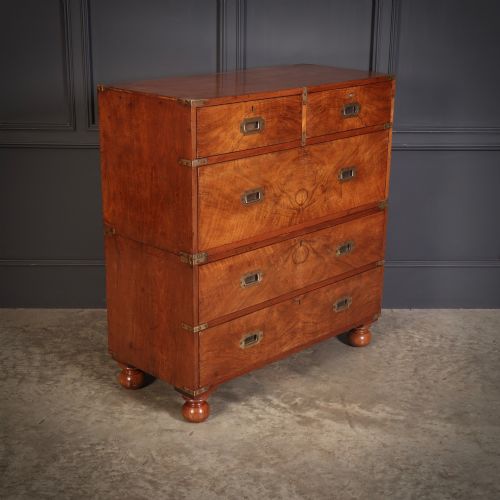
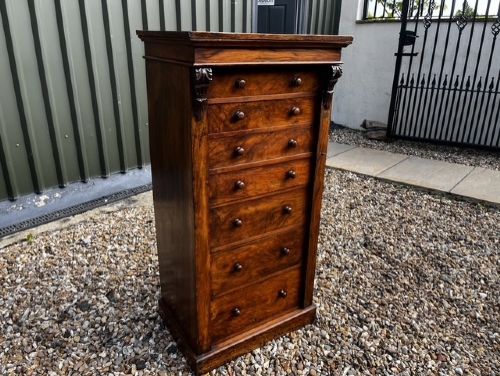
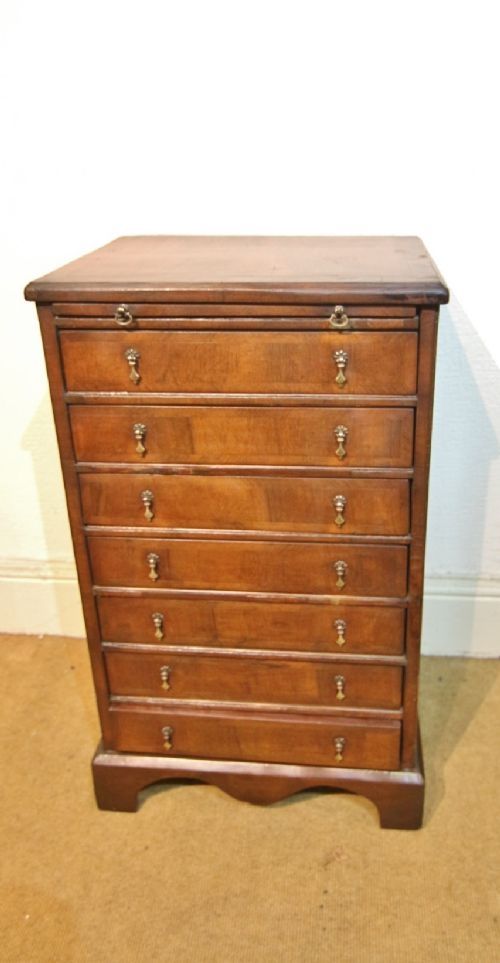
When you search for a victorian walnut tallboy, you are looking at substantial storage furniture from the nineteenth century, including pieces from eighteen eighty, the Edwardian era, and the broader Victorian period. These items typically manifest as chests of drawers, gentleman's tallboys, secretaire tallboys, and Wellington chests.
The version you are most likely to meet on this page is an English or Scottish chest of drawers in walnut, sometimes constructed as a pair in the Aesthetic Movement style. They range from grand country house proportions to more compact formats.
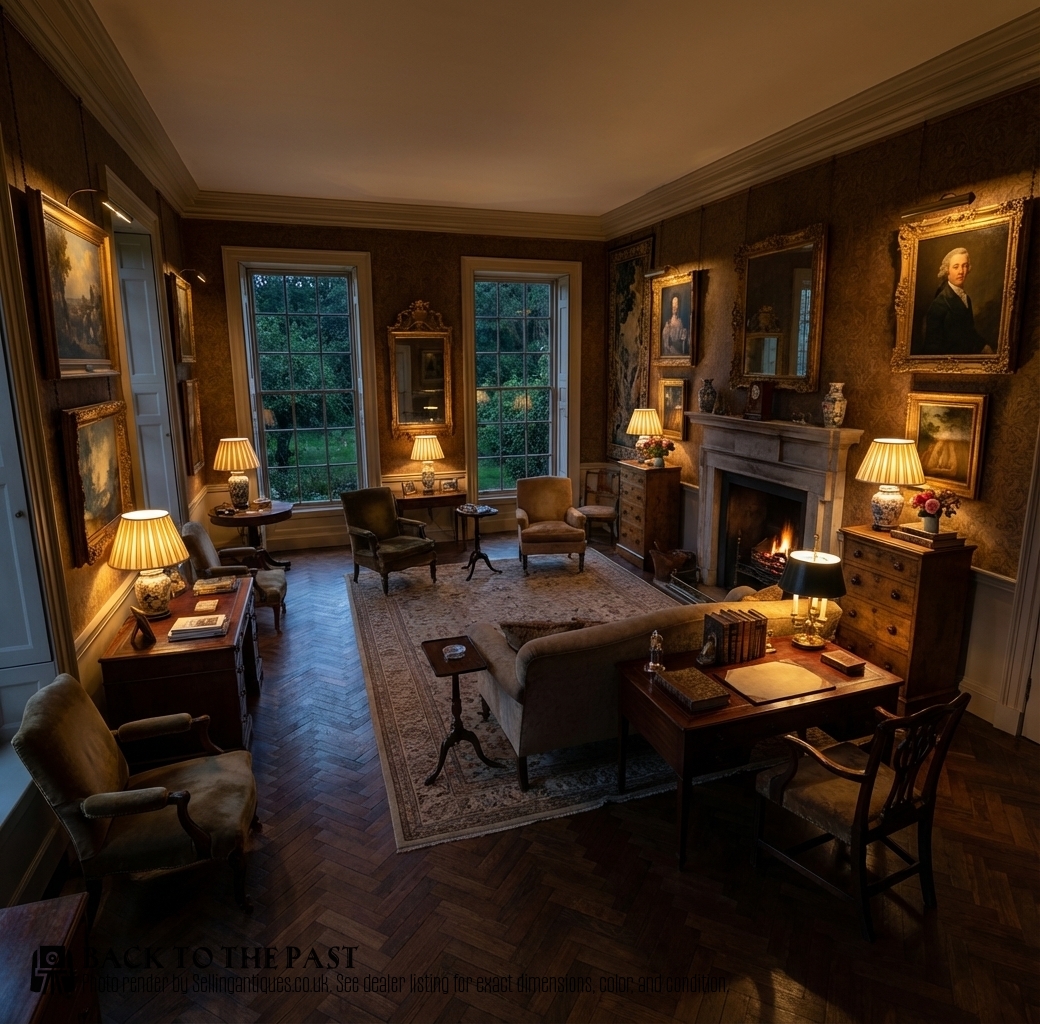
Makers such as Jas Shoolbred contributed to this tradition, producing refined iterations in walnut veneer and burr walnut. Collectors also encounter marquetry details and brass or ormolu hardware across these forms.
Materials and construction
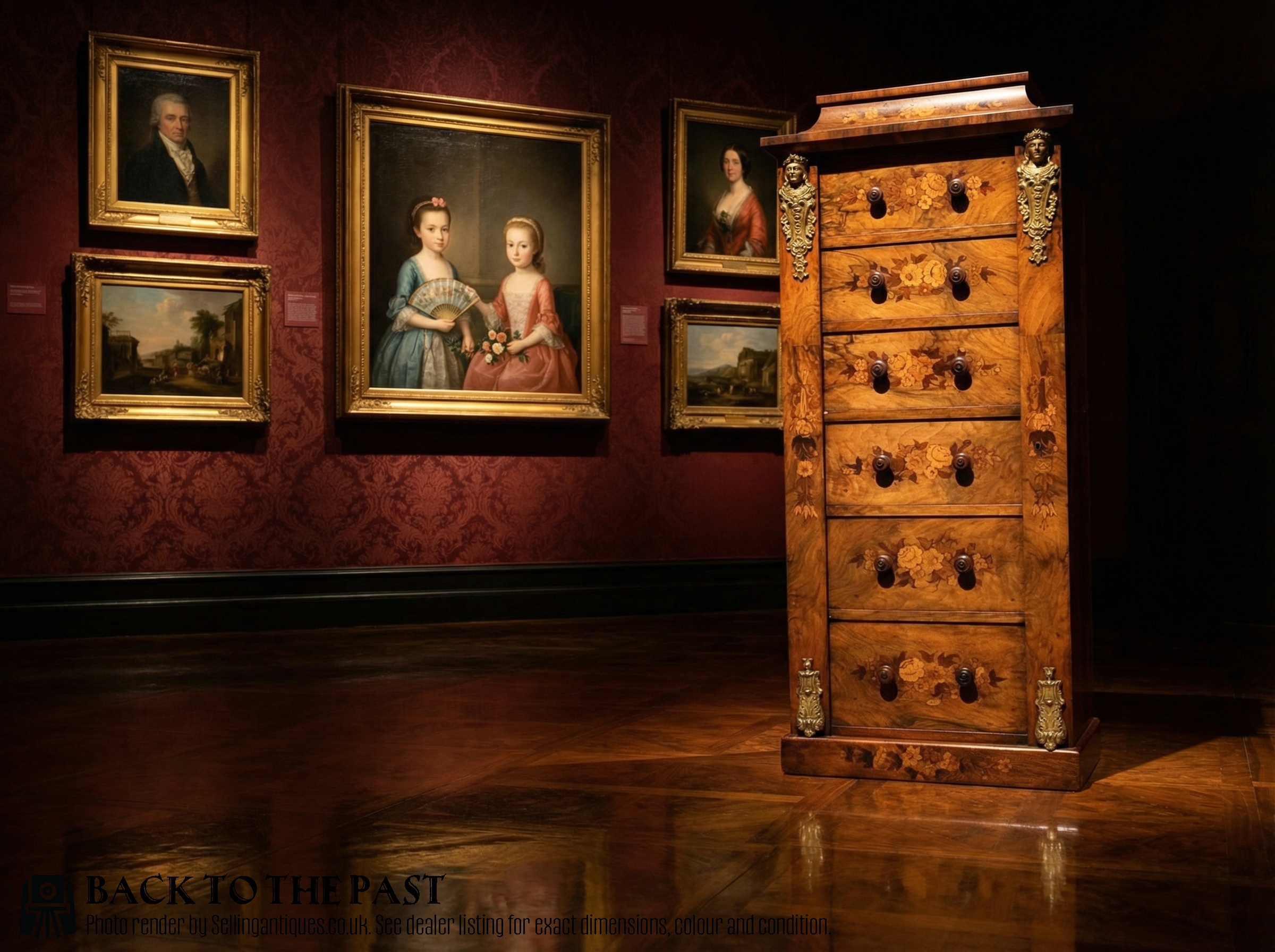
Makers utilised solid walnut and decorative walnut veneer, often selecting burr walnut for its striking grain patterns. Marquetry work appears on select pieces, adding contrasting timber inlays to the primary surfaces.
Metal mounts in brass and ormolu provide structural reinforcement and decorative handles. Construction methods rely on traditional joinery suited to housing multiple deep drawers within a tall vertical frame.
Retail Price Guide 2026
Typical UK retail prices for victorian walnut tallboy, calculated from the Sellingantiques database of over a million retail prices indexed since 2003. This retail price guide relies exclusively on Sellingantiques data; no external sources or auction records are used, so the figures do not describe the wider market.
Listings feature pieces from the Victorian and Edwardian eras, including items dated to eighteen eighty and the nineteenth century generally.
Distinctions in quality
The top of the range is defined by the choice of timber, particularly highly figured burr walnut and crisp marquetry inlay. Superior pieces exhibit seamless veneer work and substantial brass or ormolu mounts that remain tightly fitted to the structure.
Simpler regional or country house examples rely on plain walnut with straightforward joinery. The architectural presence of the tallboy depends on the balance of proportions and the preservation of the original polished surface.
Jas Shoolbred
The Victorian Walnut Tallboy Glossary
- Tallboy
- A tall chest of drawers, often constructed in two sections with a smaller set stacked upon a larger base.
- Burr walnut
- Timber taken from a tree growth that produces swirling, highly decorative grain patterns across the veneer.
- Wellington chest
- A tall, slender chest of drawers secured by a hinged locking side pilaster.
- Marquetry
- The art of applying pieces of veneer to a structure to form decorative patterns and pictures.
- Ormolu
- Gilded bronze used for decorative mounts and furniture handles during the nineteenth century.
Frequently Asked Questions
What is a tallboy?
A tallboy is a vertical chest of drawers that maximises storage capacity while occupying a minimal footprint on the floor. These pieces are particularly useful in bedrooms where lateral wall space is limited.
Nineteenth-century examples often combine several full-width drawers with smaller top drawers, sometimes incorporating a secretaire compartment.
How do I spot burr walnut?
Burr walnut is recognisable by its dense, swirling grain pattern, which creates an undulating texture across the surface of the wood. This figuring comes from a knot or burl on the tree.
Cabinetmakers prized this material for the front panels of high-status furniture to create a strong visual impact.
Where were tallboys placed?
These pieces were designed primarily for bedrooms and dressing rooms to store clothing, linens, and personal accessories. Their height provided ample capacity without crowding the room.
Grand country houses also utilised them in larger guest suites and dressing chambers.
How do I care for walnut veneer?
Walnut veneer benefits from stable room temperatures away from direct sunlight and heat sources, which can cause the timber to dry and warp. Regular dusting with a soft, dry cloth preserves the polished finish.
Occasional applications of appropriate wax help maintain the lustre of the wood without building up a heavy residue.