
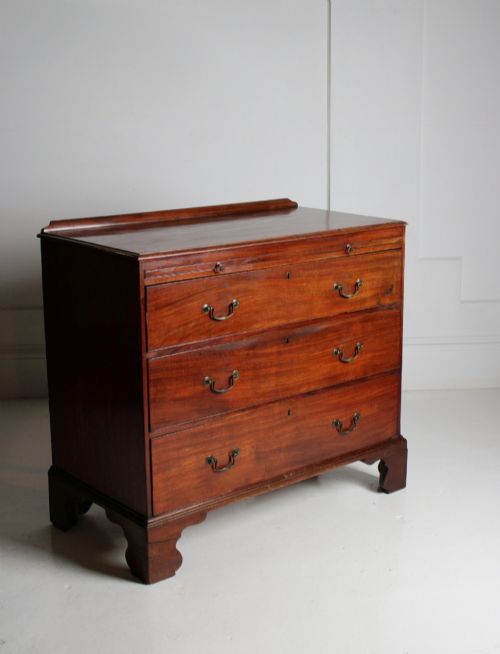
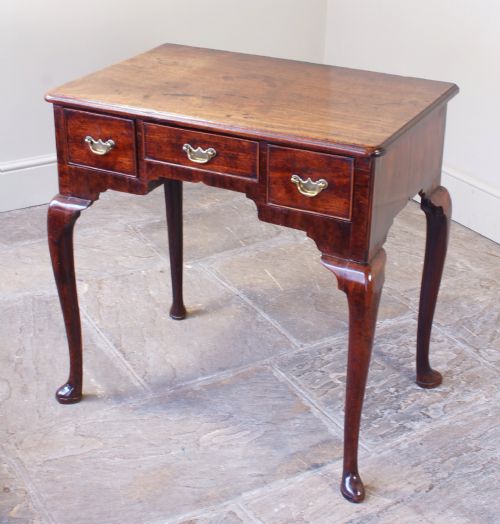
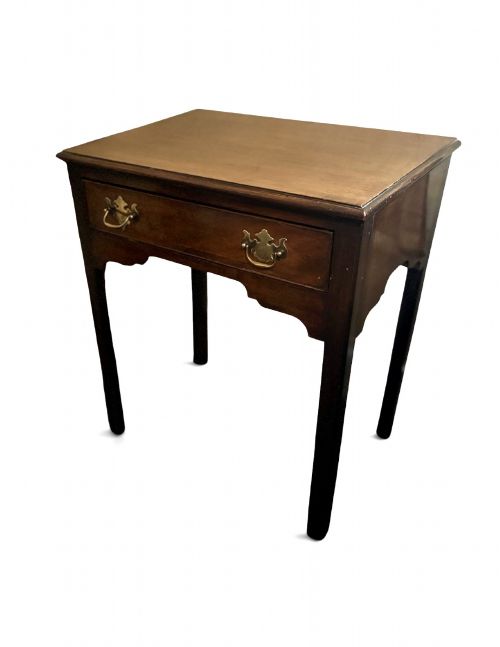

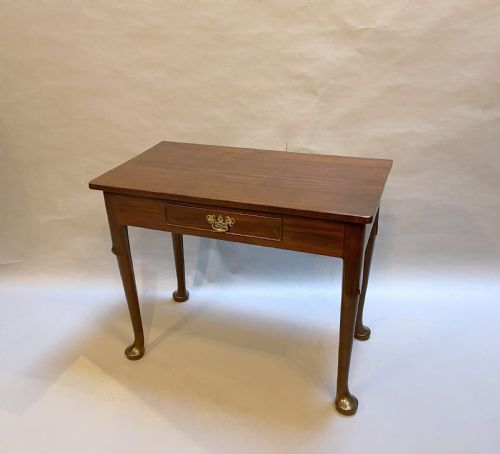
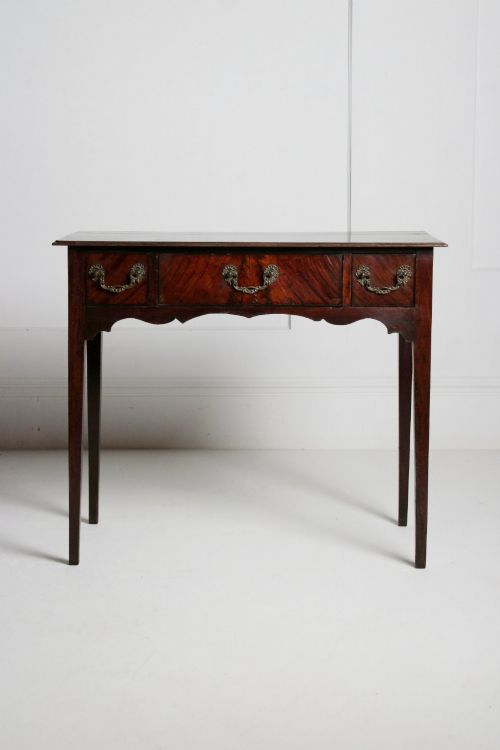


Dark Mahogany Lowboy
A dark mahogany lowboy is a compact, low-standing table built with drawers, prized for elegance and utility in period interiors.
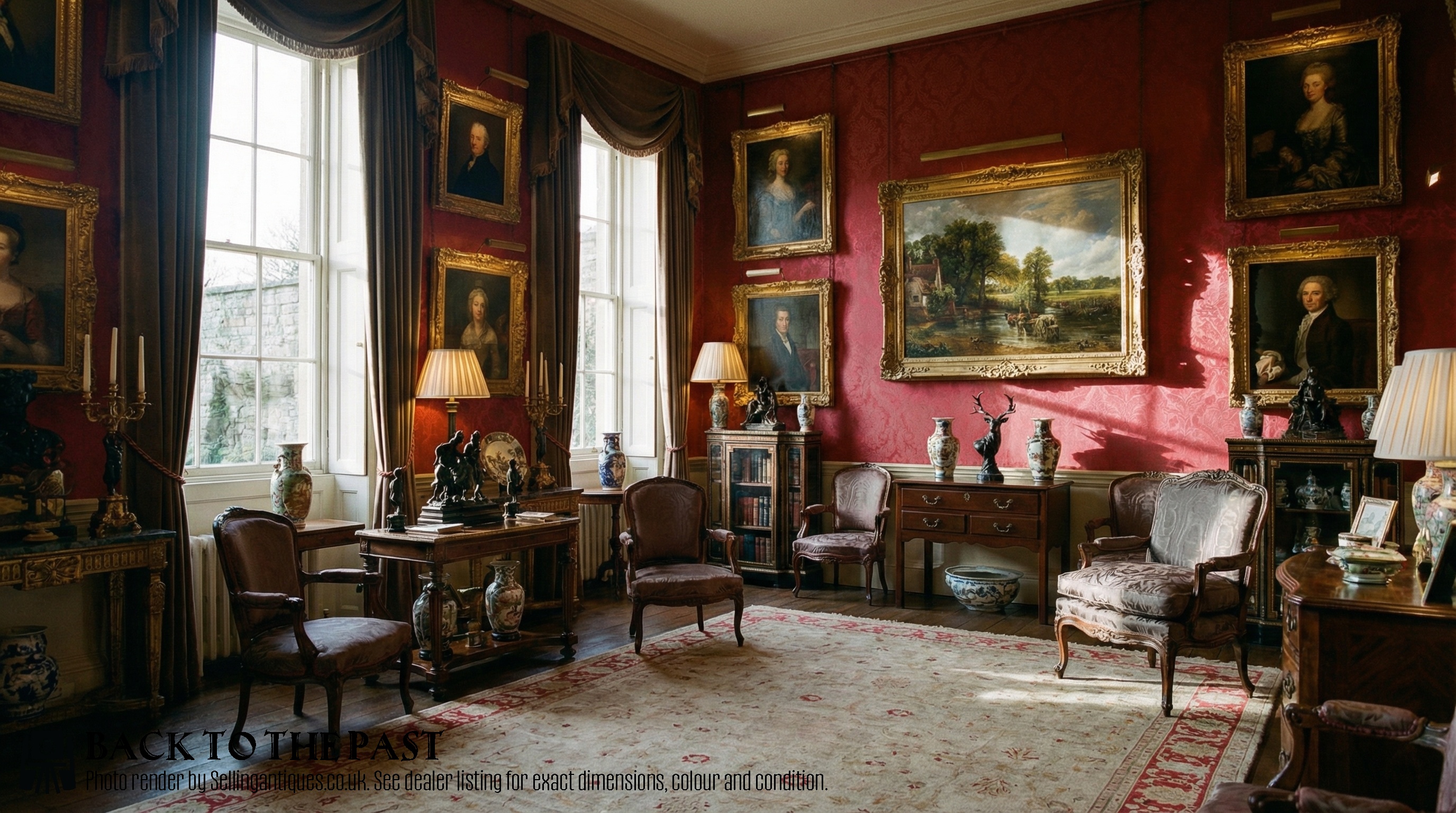
Dark Mahogany Lowboy
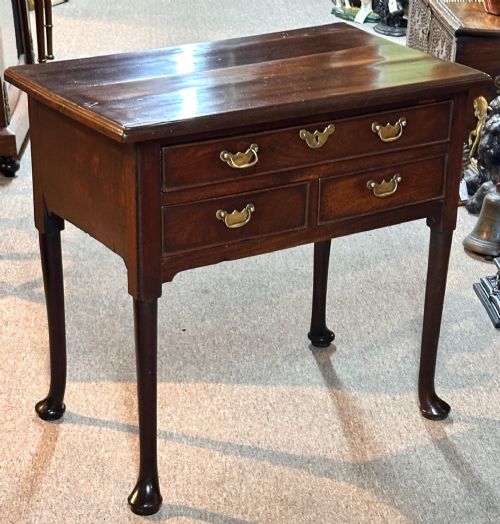
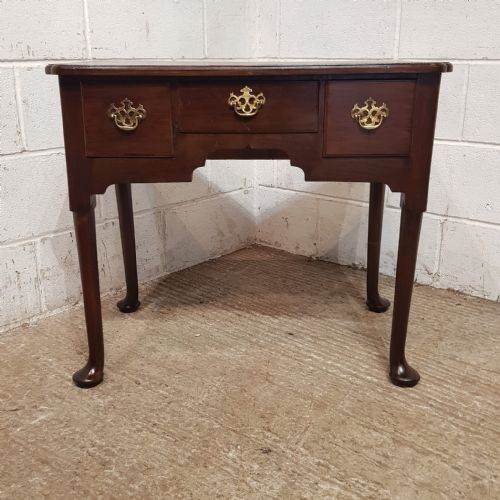
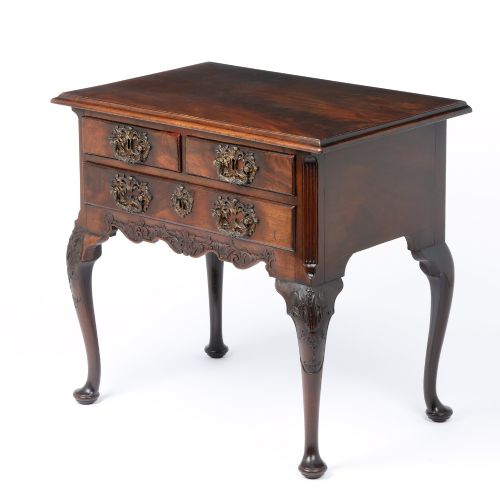
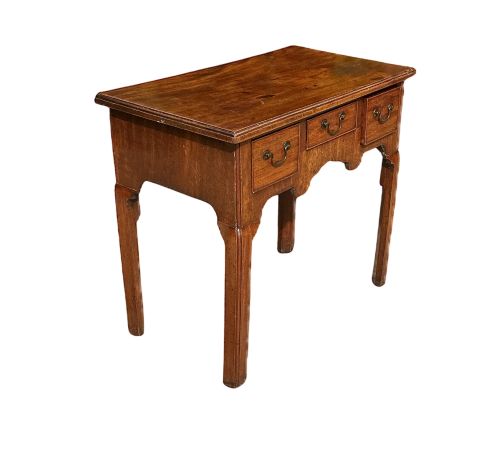
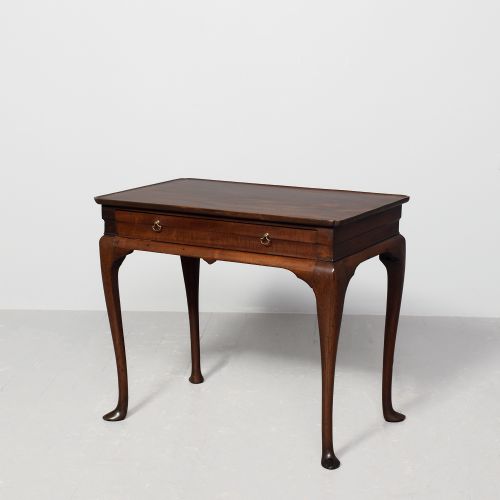
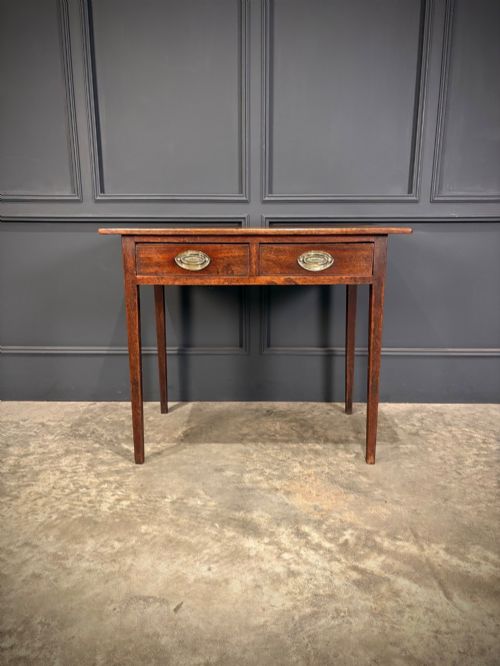
A dark mahogany lowboy is a small, low table equipped with drawers, primarily functioning as a dressing table or side table in eighteenth-century rooms. These pieces originate predominantly from the Georgian, George II, and George III periods, displaying the classic proportions of the era.
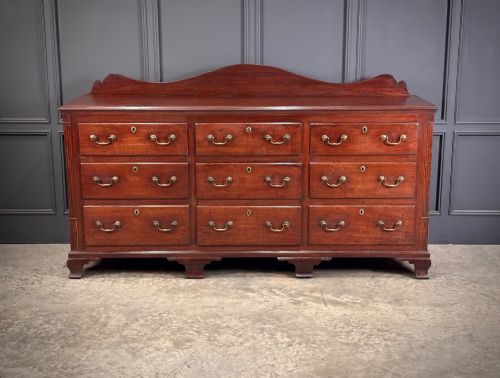
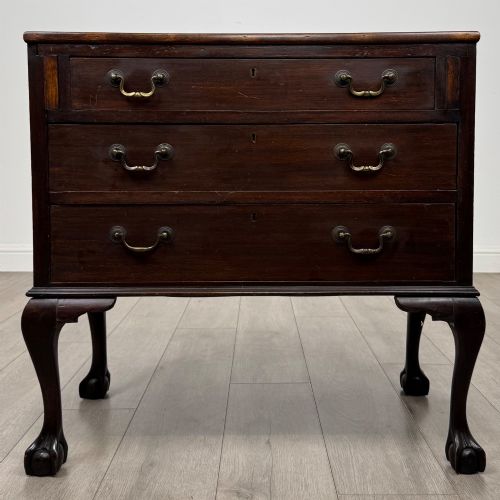
The version most commonly met on this page is the eighteenth-century Georgian lowboy, frequently styled as a side table or low boy with single or multiple drawer configurations. They appear alongside related forms such as side tables, chests of drawers, and dresser bases.
Makers and craftsmen of the period built these lowboys to stand neatly against walls or beneath windows, offering discreet storage in a compact footprint. Their survival spans from the early eighteenth century through revival eras including Edwardian interpretations.
Materials and construction methods
Construction relies heavily on mahogany, including figured varieties and Cuban mahogany, supported by secondary timbers such as oak and pine in drawer linings and internal framing. Brass hardware, specifically drop handles and backplates, punctuates the polished timber surfaces.
Cabinetmakers utilised traditional joinery techniques to construct the frames, incorporating dovetailed drawer boxes and peg joints. Timber was selected for rich grain patterns and deep natural colour, then finished to a smooth, dark lustre.
Dark Mahogany Lowboy Retail Price Guide 2026
Typical asking prices for dark mahogany lowboy among the pieces listed under this phrase on Sellingantiques today, from the lower quarter to the upper quarter. They describe what is for sale here now, not the wider market.
One remarkably versatile listing manages to be a small Georgian dressing hall side lamp sofa table lowboy all at once.
Judging quality in a lowboy
Quality rests upon the crispness of carved details, the figuring of the mahogany timber, and the integrity of the original construction. Superior examples exhibit elegant cabriole legs, well-proportioned drawers, and minimal replacement to brass handles or secondary woods.
Lesser pieces may show heavy restoration, replacement timbers, or simplified leg turnings that lack the refined silhouette of documented George II and George III workshops.
Elkington and Co·Muirhead Moffat and Co
The Dark Mahogany Lowboy Glossary
- Lowboy
- A small table with drawers, standing on four legs, typically used as a dressing or side table during the eighteenth century.
- Cabriole leg
- A furniture leg that curves out and then in, resembling an animal's leg, commonly found on Georgian furniture.
- Cuban mahogany
- A dense, dark timber imported from the Caribbean, known for rich figuring and utilised in high-status eighteenth-century pieces.
- George III
- The period of British history spanning from 1760 to 1820, characterised by refined neoclassical and Chippendale-influenced furniture design.
Dark Mahogany Lowboy: Frequently Asked Questions
What is a dark mahogany lowboy used for?
Originally designed as a dressing table or writing surface in eighteenth-century bedchambers, a lowboy served to hold personal items in its drawers while offering a compact surface.
In modern rooms, collectors utilise them as sophisticated hallway tables, bedside surfaces, or small console tables beneath mirrors.
How can I tell a George II lowboy from a George III lowboy?
George II lowboys frequently display curved cabriole legs ending in pad or claw-and-ball feet, reflecting earlier eighteenth-century aesthetics.
George III examples often transition toward straighter, more slender legs and sharper geometric lines influenced by Chippendale and neoclassical styles.
Are all dark mahogany lowboys from the 18th century?
While the majority originate in the eighteenth century and the Georgian era, revival periods also produced similar pieces.
Listings occasionally include Edwardian interpretations and later twentieth-century reproductions built in the antique style.
What woods besides mahogany are used in these lowboys?
Primary surfaces feature solid mahogany or figured mahogany veneer, while secondary timbers appear inside the structure.
Oak and pine are standard materials used by cabinetmakers for drawer linings, internal framing, and baseboards.