

Georgian Three Drawer Table
A Georgian three drawer table offers classic proportions and ample utility, making it a timeless addition to any period or contemporary interior.
What a Georgian three drawer table is
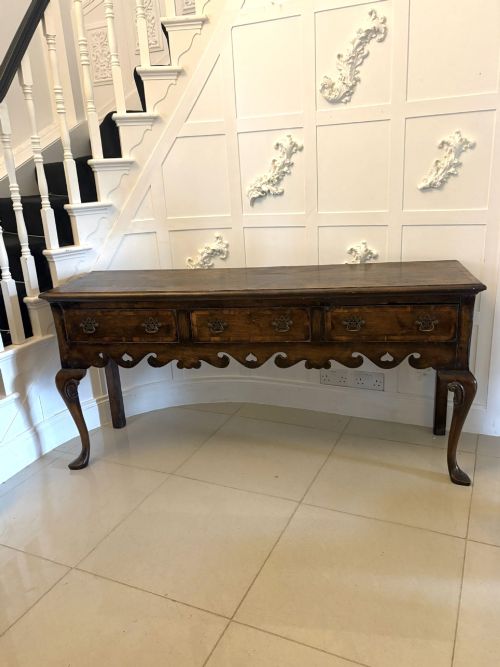
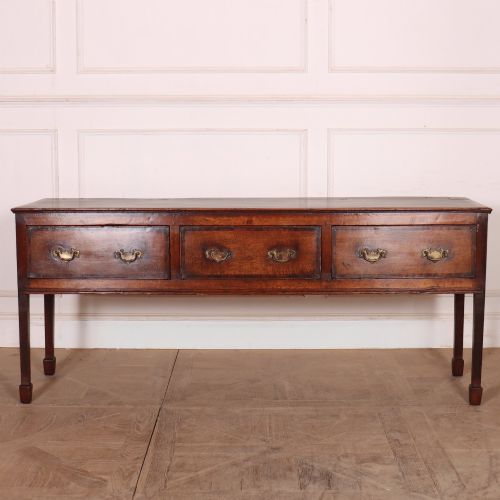
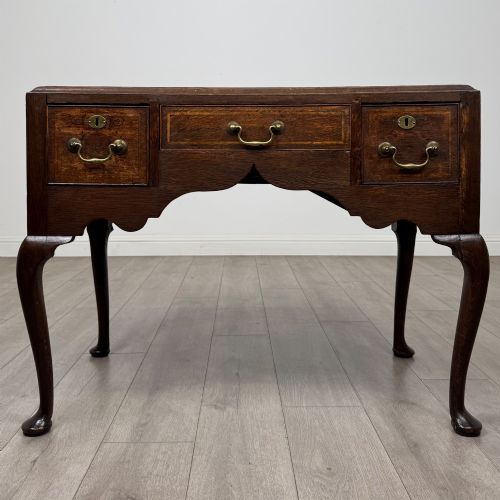
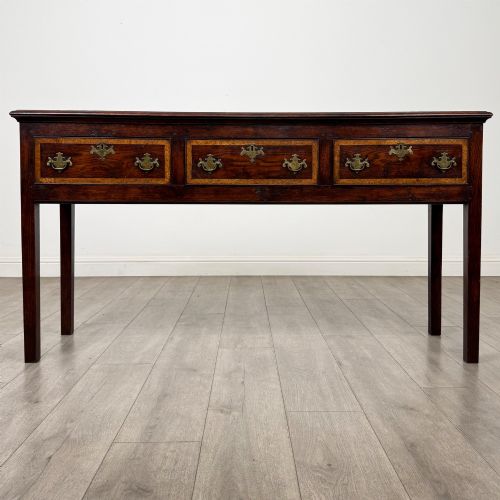
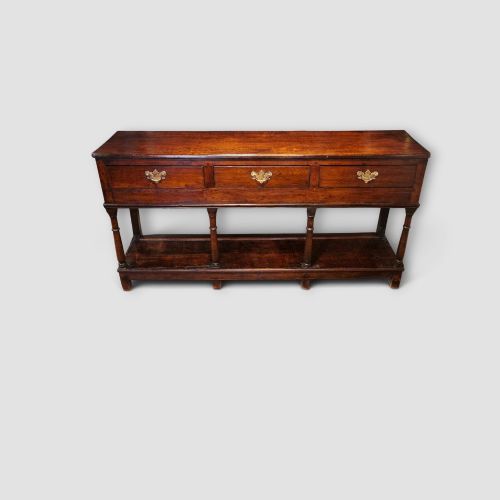
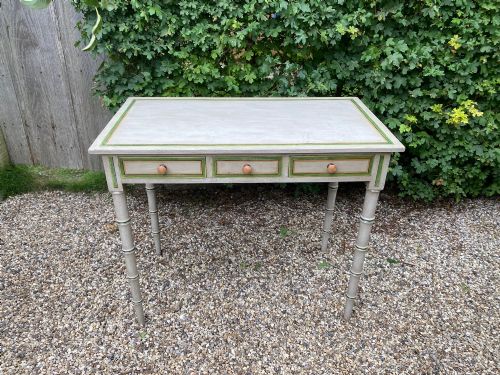
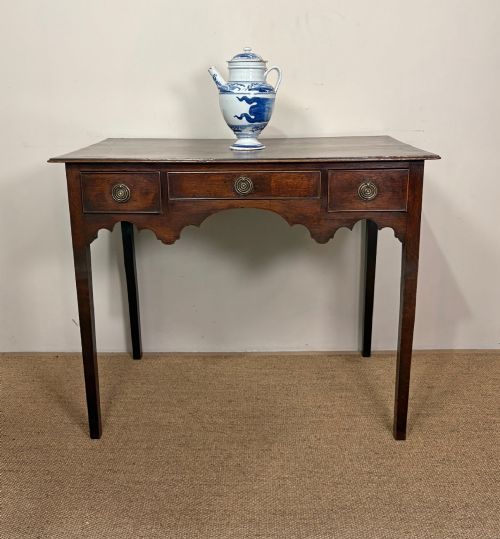
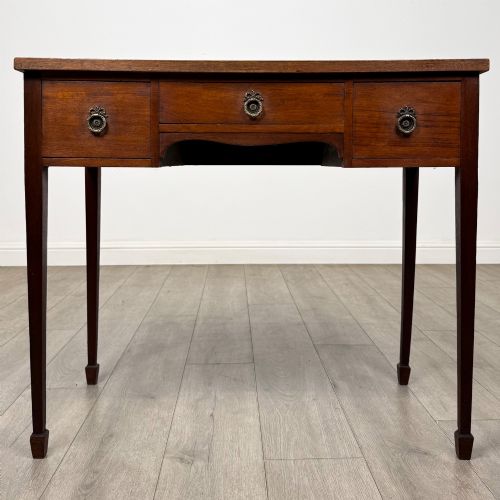
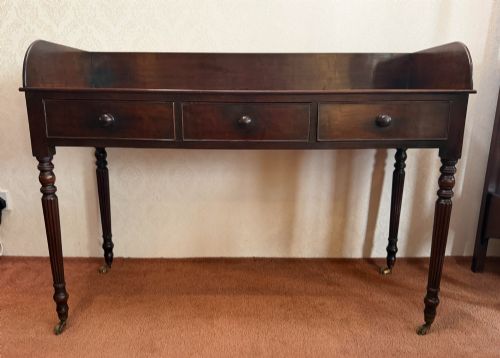
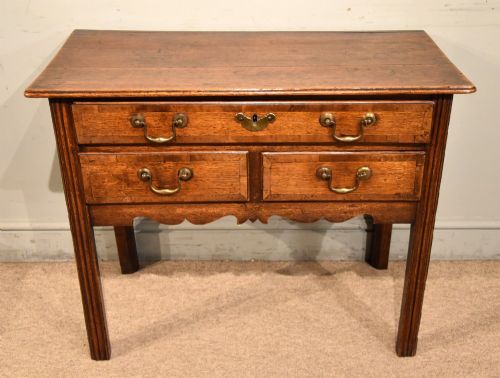
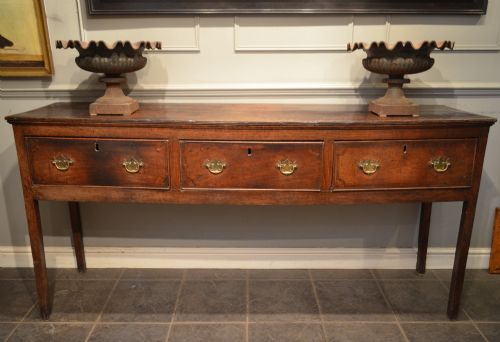
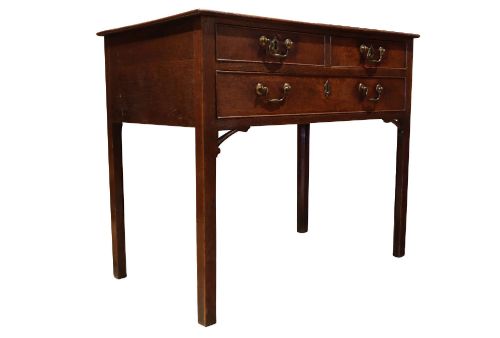
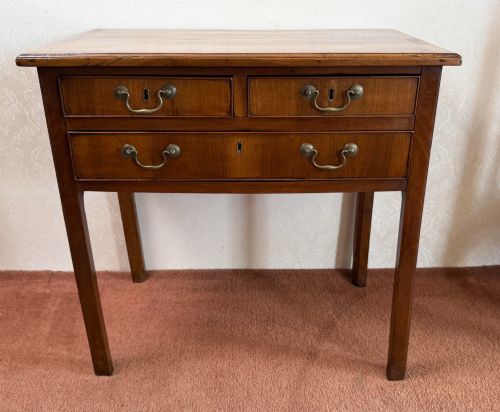
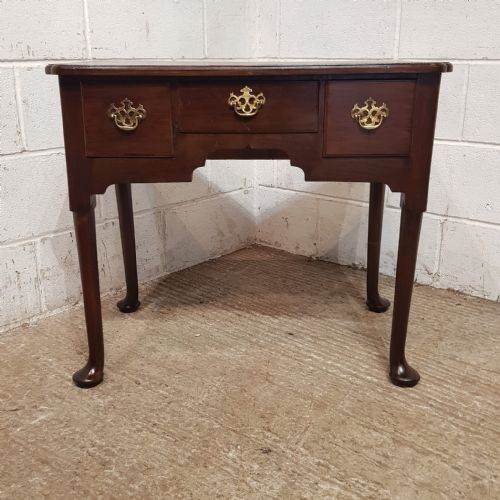
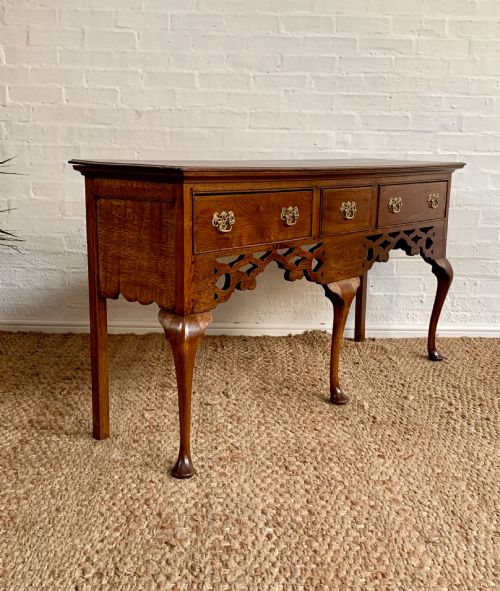
When you search for a Georgian three drawer table, you are looking at versatile side tables, lowboys, and serving pieces that date from the eighteenth century up to around eighteen hundred. These pieces typically feature a rectangular top above a useful arrangement of three drawers.
The versions you are most likely to meet on this page include mahogany and oak lowboys, console tables, and occasional writing tables from the Georgian period. Their understated elegance and practical storage make them enduringly popular for hallways, living spaces, and bedrooms.
How they were made
Cabinet makers constructed these tables primarily using solid mahogany, Cuban mahogany, oak, and occasionally solid plum wood. Timber selection focused on rich grain patterns and durable structural integrity.
Hardware details such as brass handles complement the woodwork, while joinery techniques typical of the eighteenth century ensure the longevity of each frame and drawer box.
Retail Price Guide 2026
Typical UK retail prices for georgian three drawer table, calculated from the Sellingantiques database of over a million retail prices indexed since 2003. This retail price guide relies exclusively on Sellingantiques data; no external sources or auction records are used, so the figures do not describe the wider market.
What varies in quality
The distinction between standard examples and top-tier pieces lies in the choice of timber, such as highly figured Cuban mahogany or solid plum wood, rather than standard secondary woods. Superior craftsmanship is also evident in the crispness of mouldings and the finesse of the drawer construction.
Overall proportions and the retention of original brass hardware elevate certain examples. Pieces that display refined serpentine tops or sophisticated leg turning represent the higher end of the range.
The Georgian Three Drawer Table Glossary
- Lowboy
- A small side table or dressing table with drawers, typically standing on four legs. They became popular during the eighteenth century.
- Serpentine top
- A tabletop featuring a curved edge shaped like a horizontal 'S', swelling outward at the centre and receding at the sides. This contour requires skilled woodworking.
- Cuban mahogany
- A dense, richly grained hardwood imported from the Caribbean during the eighteenth century. Highly prized by period cabinet makers for its deep colour and durability.
- Console table
- A table designed to be fixed against a wall, often supported by brackets or legs. In Georgian interiors, these served both decorative and functional purposes.
Frequently Asked Questions
What is a lowboy?
A lowboy is a small table with drawers, typically used as a dressing table or side table during the eighteenth century. They provide convenient surface space and storage without taking up a large footprint in a room.
These pieces sit low to the ground and often feature three drawers beneath the top surface. Their compact size makes them adaptable for modern hallways and sitting rooms.
How do I care for mahogany?
Mahogany furniture requires minimal maintenance to keep its finish looking rich and warm. Regular dusting with a soft, dry cloth prevents particle build-up on the polished surface.
Keep these tables away from direct sunlight and heat sources to prevent the wood from drying out or fading. Applying a quality beeswax occasionally helps nourish the antique timber.
Where can I use this table?
A three drawer table fits well in a variety of living spaces thanks to its shallow depth and practical storage. Many people place them in hallways as a surface for keys and post.
They also function effectively as writing desks in studies or as side tables in living rooms. The drawers offer discreet storage for smaller household items.
What woods were used?
Cabinet makers during the Georgian era predominantly utilised mahogany and oak for these tables. Cuban mahogany and solid plum wood also appear in finer or regional examples.
These hardwoods were selected for their strength and attractive grain patterns. Over time, exposure to light deepens the natural patina of these timbers.