


Antique Timber Desk
An antique timber desk is a hardworking piece of history, built in periods from the eighteenth century to the twentieth to anchor a study with solid timber character.
Antique Timber Desk
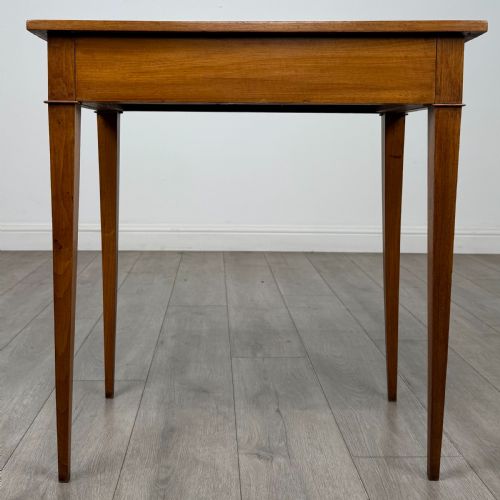
An antique timber desk encompasses various forms designed for writing and clerical work, spanning periods from the eighteenth century through to the twentieth century. Buyers seeking an antique timber desk will encounter utilitarian estate pieces alongside refined kneehole formats.
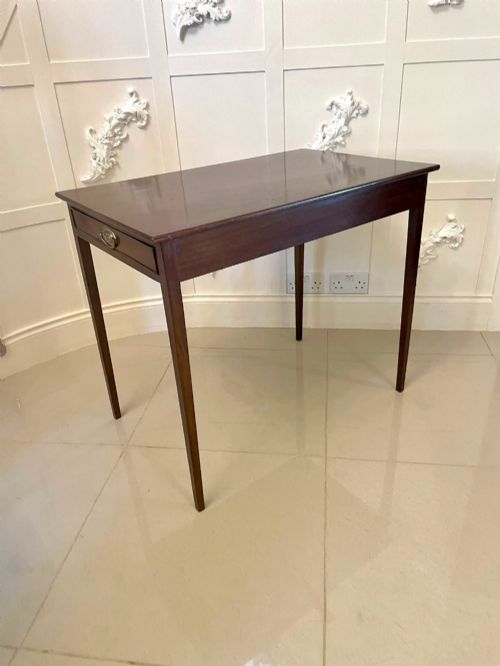
The materials recorded in these pieces include oak, mahogany, walnut, pine, and elm, reflecting the diverse preferences of makers across different eras. Styles range from Georgian and George II designs to Victorian iterations and Arts and Crafts pieces.
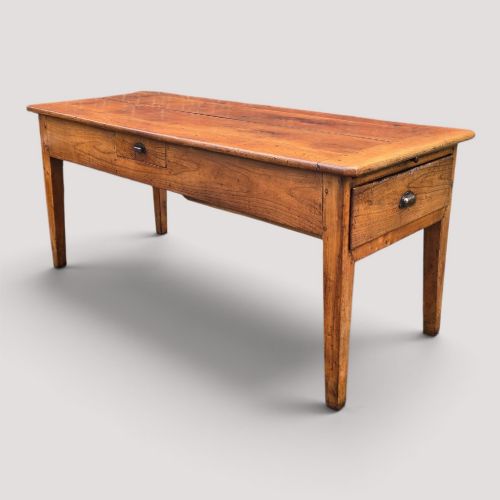
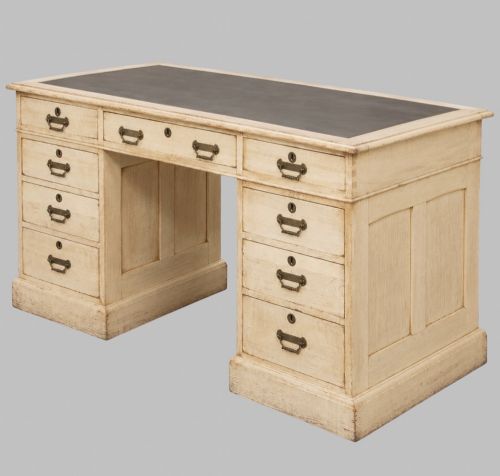
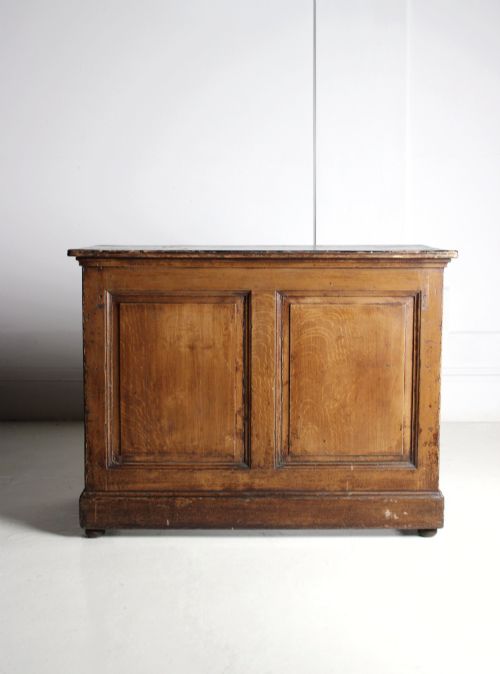
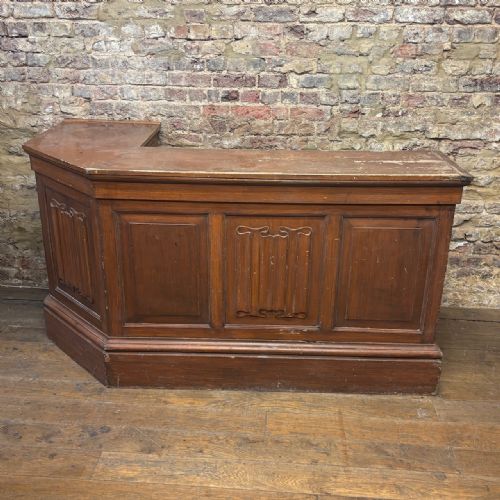
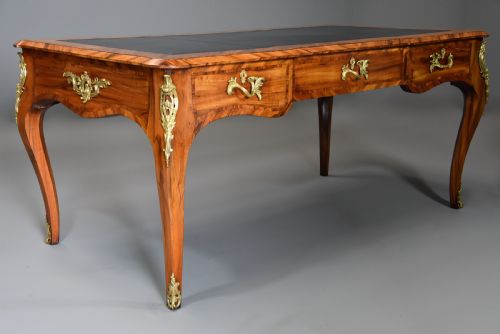
Makers utilised durable hardwoods for structural longevity and finer woods for visible surfaces. The selection available spans commercial counters, bureau plat formats, and compact kneehole desks fitted with leather writing surfaces.
How they were made
Cabinet makers constructed these desks using solid timbers like oak, mahogany, walnut, pine, and elm, often pairing primary woods with durable secondary supports. Joinery relied on traditional methods suited to the weight of dense hardwoods.
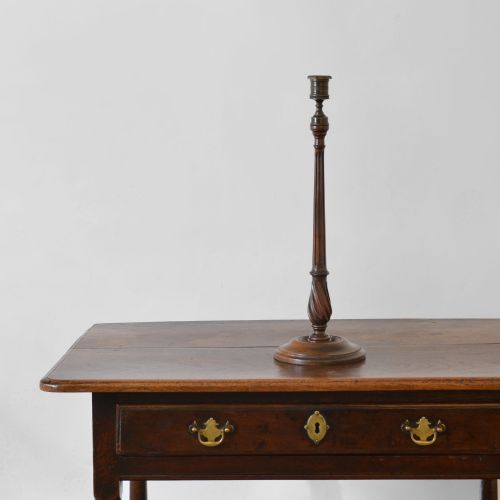
Surfaces frequently incorporated inset leather writing panels, sometimes tooled, while select examples featured intricate grain patterns such as burr elm. Hardware components in brass provided functional and decorative accents to the timber bodies.
Listings feature timber desks spanning the eighteenth, nineteenth, and twentieth centuries, constructed primarily from oak, mahogany, walnut, pine, and elm.
What varies in quality
The choice of timber dictates much of the initial quality, distinguishing plain utilitarian pine or oak from figured mahogany, walnut, or burr elm. Selection of wood grain and the skill in handling diverse materials shape the overall refinement of each piece.
Construction methods and hardware integration reveal the maker's hand, separating straightforward estate furniture from finely finished writing tables. The presence of specialised details, such as fitted interior compartments and coordinated brass elements, elevates the execution.
Trollope And Sons·Arthur Basil Reynolds
The Antique Timber Desk Glossary
- Kneehole desk
- A writing desk featuring a central recessed space for the legs, flanked by pedestals of small drawers.
- Bureau plat
- A freestanding writing table, typically finished on all sides with a rectangular top, originating from French cabinet making traditions.
- Tooled leather
- Leather treated with gold or blind tooling to create a decorative border around the writing surface.
- Burr elm
- Timber taken from the wart-like growths on elm trees, valued by cabinet makers for its swirling, highly figured grain patterns.
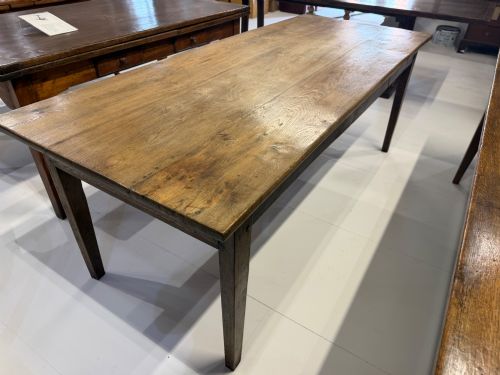
- Plank top
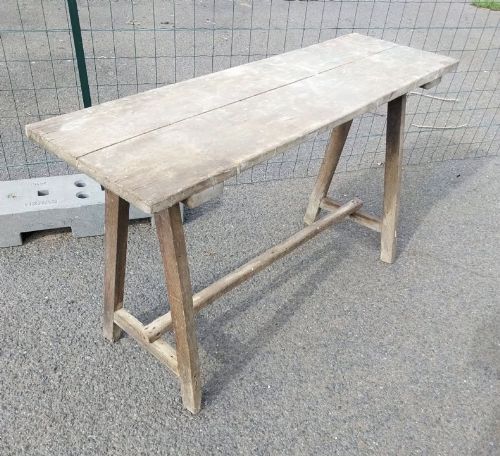
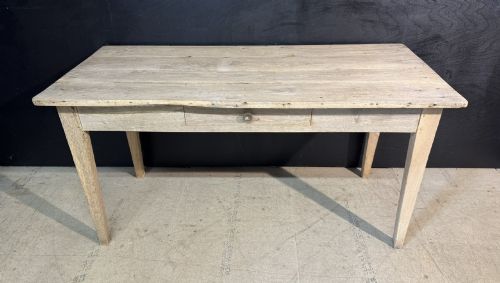
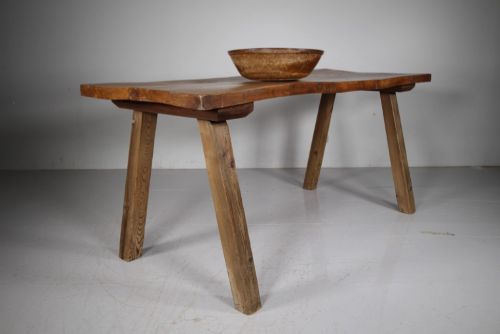
- A solid wooden surface constructed from wide boards joined edge to edge.
Antique Timber Desk: Frequently Asked Questions
What periods do these desks cover?
The pieces span multiple eras, notably incorporating Georgian, Victorian, and Edwardian periods, alongside later twentieth-century interpretations.
Craftsmanship adapts across these timelines, showing shifts from formal eighteenth-century proportions to more utilitarian estate designs of the nineteenth and twentieth centuries.
Which woods were used?
Makers utilised a variety of timbers including oak, mahogany, walnut, pine, and elm, often selecting specific woods for their durability or grain pattern.
Surfaces occasionally feature contrasting elements like burr elm or incorporate secondary woods within internal drawer construction.
How do I maintain the leather surface?
Leather writing inserts require gentle care, avoiding excessive moisture and direct sunlight to preserve the flexibility and any gold tooling.
Applying appropriate leather balms periodically helps prevent drying and cracking on older tooled surfaces.
Are these desks suitable for daily work?
Many formats offer practical dimensions and storage configurations, such as multiple drawers, making them functional for modern writing tasks.
Evaluating the kneehole clearance and surface area ensures the piece accommodates contemporary seating and equipment requirements.