

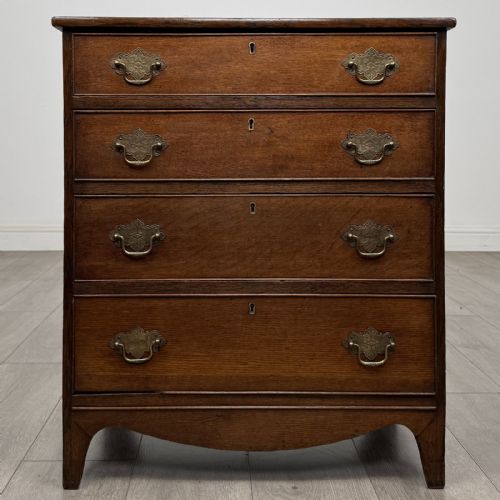
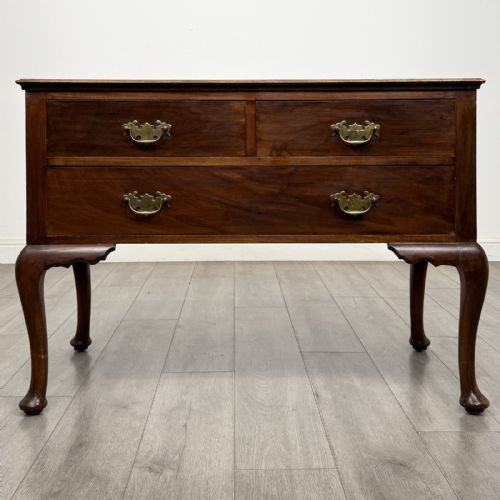
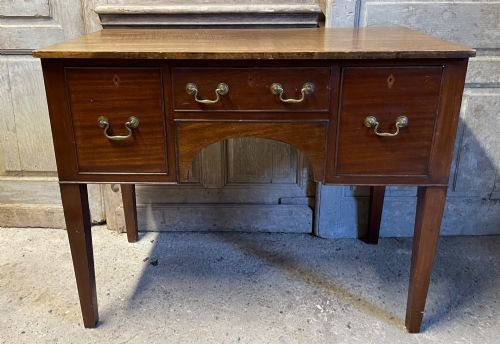
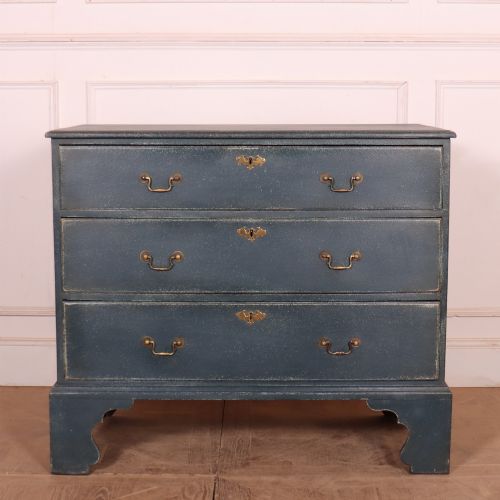
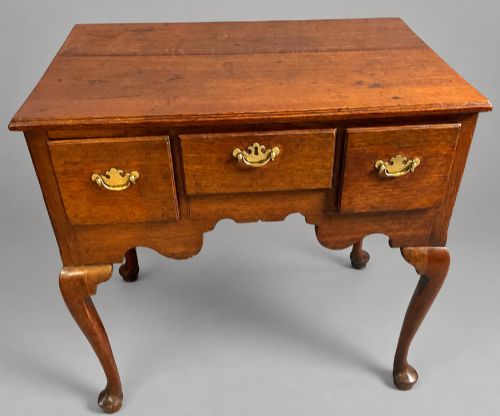
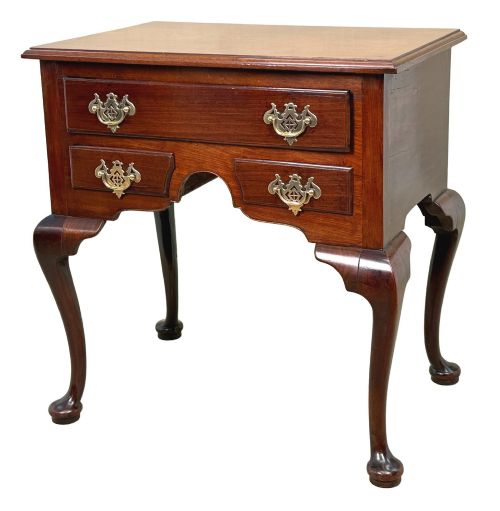
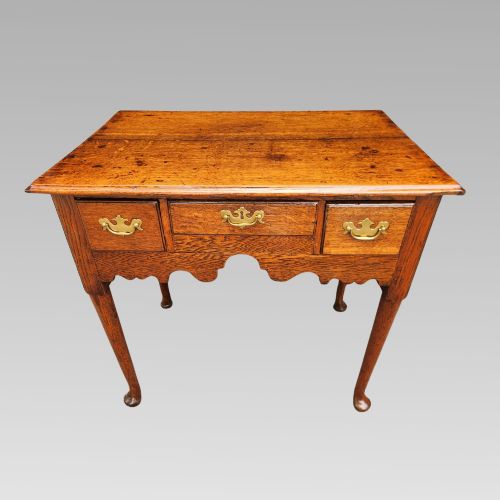
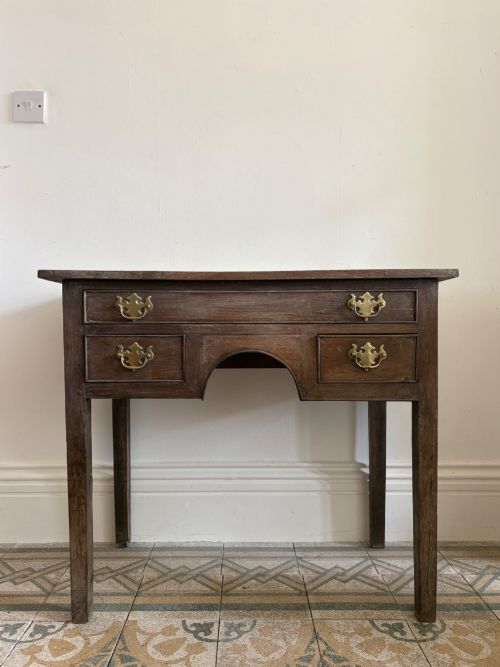
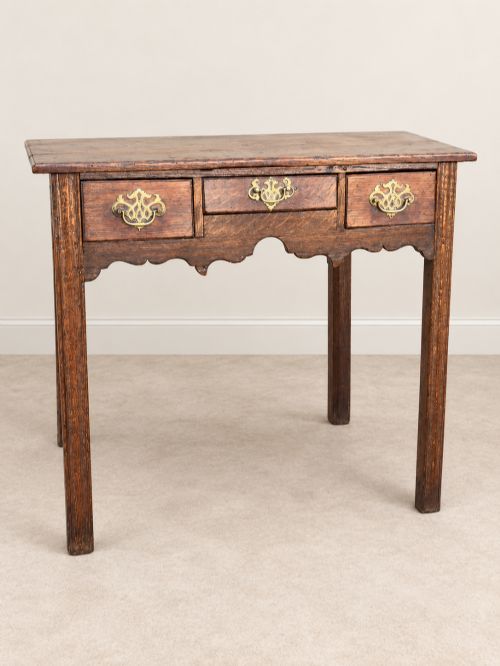
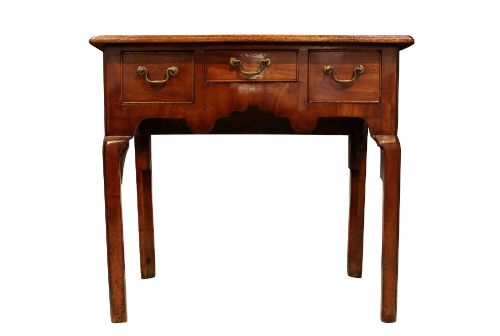
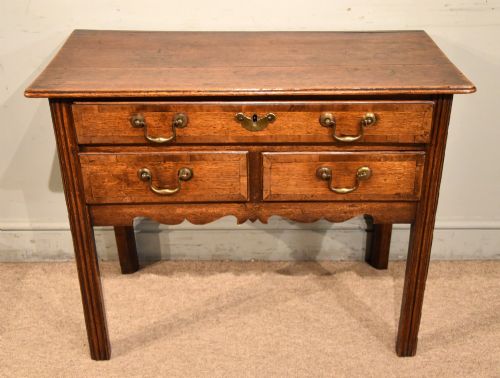
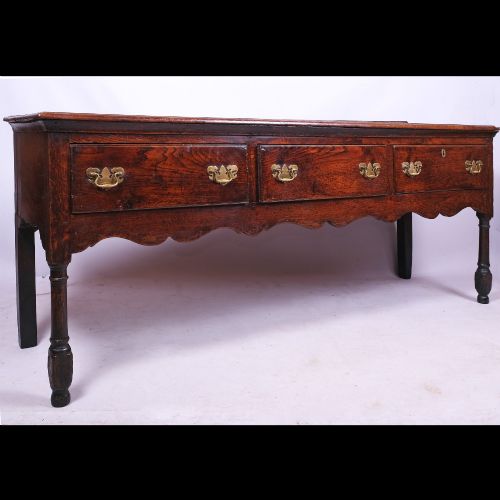
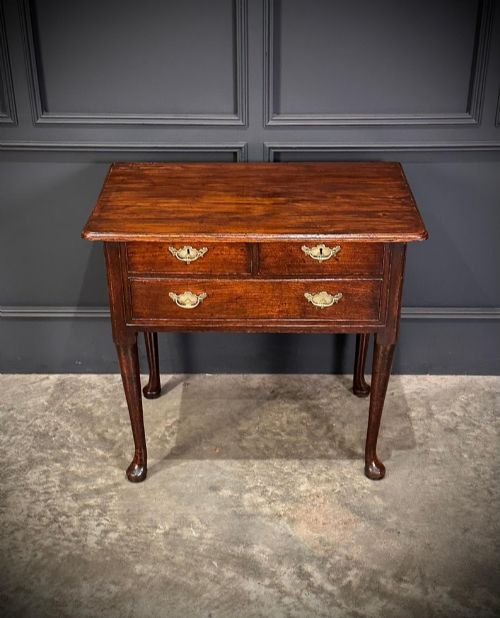
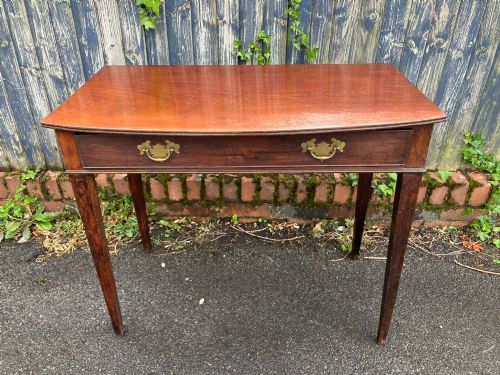
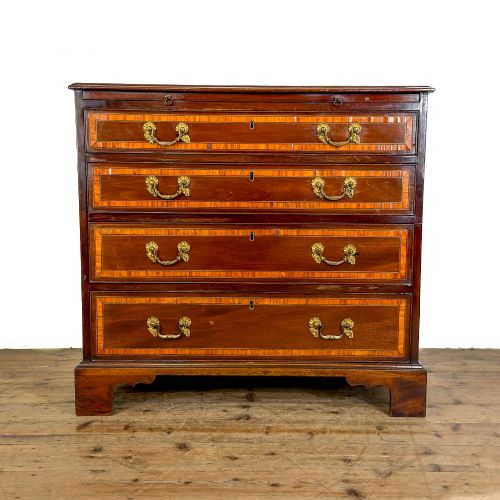
Brass Handle Lowboy
A brass handle lowboy provides compact storage and a writing surface, bringing 18th-century craftsmanship into a modern room.

Brass Handle Lowboy
A brass handle lowboy is a low side table or dressing table equipped with drawers, often dating from the 18th century and Georgian periods. These pieces serve multiple domestic functions as writing desks, hall tables, and dressing surfaces.
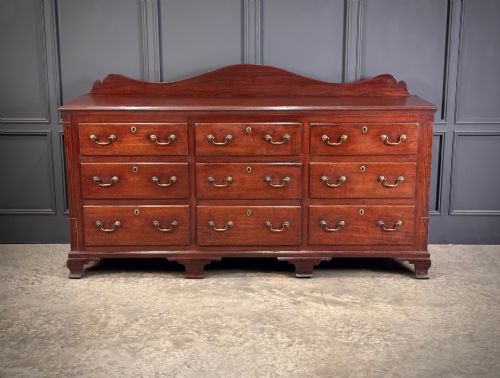
The versions most commonly met on this page span the Georgian era, including George II and George III styles, alongside later 20th-century traditional interpretations. They appear alongside related forms such as oak dresser bases and small chests of drawers.
Originating primarily in English workshops, these items display the proportions and restrained ornamentation typical of country house and period furniture. They balance practical storage with the decorative timber grains characteristic of antique cabinet making.
How they were made
Cabinet makers constructed these tables using solid native timbers like oak, walnut, and mahogany, frequently incorporating burr walnut, cherrywood, and yew wood for distinct visual grain patterns. Drawer linings and secondary elements often utilise pine or oak.
Hardware is integral to the construction, featuring brass drop handles, bail handles, and pierced backplates secured to the drawer fronts. Joinery relies on traditional techniques suited to supporting the working surfaces and frieze drawers.
Brass Handle Lowboy Retail Price Guide 2026
Typical asking prices for brass handle lowboy among the pieces listed under this phrase on Sellingantiques today, from the lower quarter to the upper quarter. They describe what is for sale here now, not the wider market.
Periods represented span from the 18th century and Georgian eras through to Victorian, Edwardian, and 20th-century traditional.
What varies in quality
The choice of timber forms a primary distinction in quality, moving from utilitarian regional oak to highly figured mahogany, burr walnut, and cherrywood veneers. Superior examples display carefully selected grain alignment across the drawer fronts and top panels.
Refinement of the leg supports and edge mouldings separates standard regional pieces from finer metropolitan commissions. Cabriole legs, crisp carving, and original brass hardware elevate the status of an individual lowboy.
Muirhead Moffat & Co
The Brass Handle Lowboy Glossary
- Lowboy
- A small table with one or more drawers, standing on relatively tall legs, commonly used as a dressing table or side table in the 18th century.
- Frieze drawer
- A drawer situated directly beneath the top surface of a table or cabinet, often fitted with brass drop handles.
- Cabriole leg
- A furniture leg that curves out and then in, resembling the shape of an animal's leg, frequently seen on Queen Anne and Georgian pieces.
- Dresser base
- A lower sideboard or table featuring drawers and sometimes cupboards, sharing similar construction methods and proportions with large lowboys.
- Bail handle
- A drop handle consisting of a metal loop suspended from two post fixings, standard on many period drawer fronts.
Brass Handle Lowboy: Frequently Asked Questions
What is a brass handle lowboy used for?
These pieces functioned historically as dressing tables, writing desks, or small side tables in bedrooms and halls. Their compact surface area and drawer storage make them adaptable for similar domestic uses today.
Place them in hallways as lamp tables or in living spaces where surface space is required without the bulk of a large bureau.
How do I identify a Georgian lowboy?
Look for characteristic proportions, timber selection, and construction methods associated with the 18th century. Details such as dovetail joints in the drawers and period brass hardware offer key indicators of age.
Compare the leg style, whether straight square legs or curved cabriole forms, against documented examples from the George II and George III eras.
What woods were used for these tables?
Cabinet makers predominantly utilised native hardwoods such as oak, mahogany, and walnut. More decorative examples feature veneers of burr walnut, cherrywood, or yew wood.
Secondary timbers inside the drawers often include pine or oak, depending on the region of manufacture and the workshop's traditions.
Are all these tables from the 18th century?
While many examples date from the 18th century and the Georgian period, the selection also includes later interpretations. Victorian, Edwardian, and 20th-century traditional pieces frequently replicate earlier styles.
Examine the internal construction and wear patterns to distinguish between original period pieces and later revival furniture.