

Georgian Period Console Table
A georgian period console table brings architectural grace to a hallway or drawing room, offering surface space and refined proportions.

Georgian Period Console Table
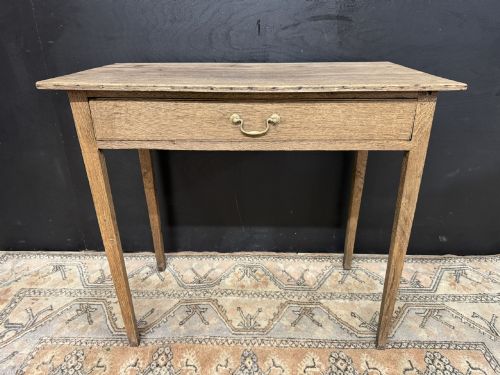
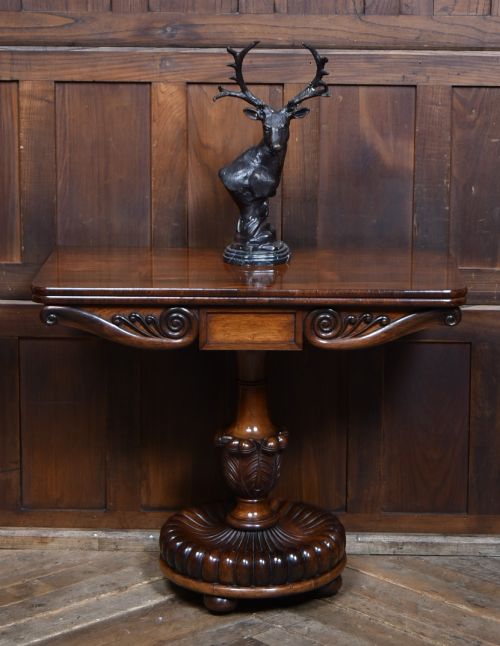
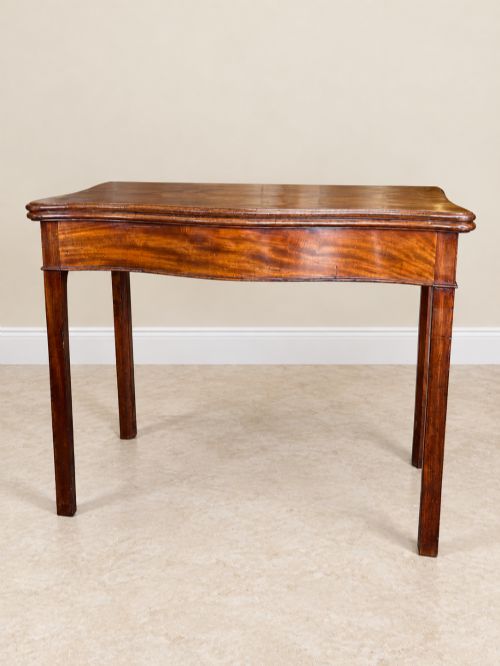
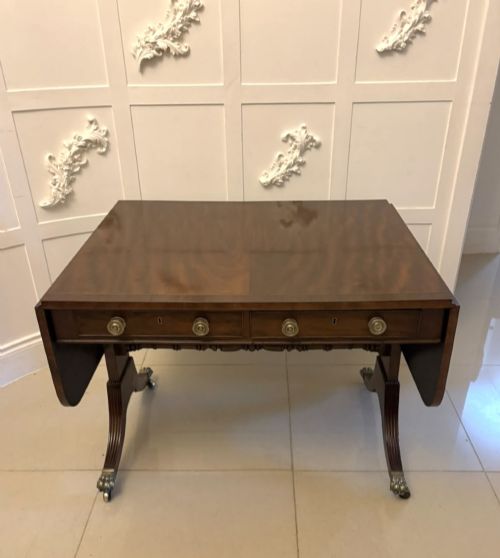
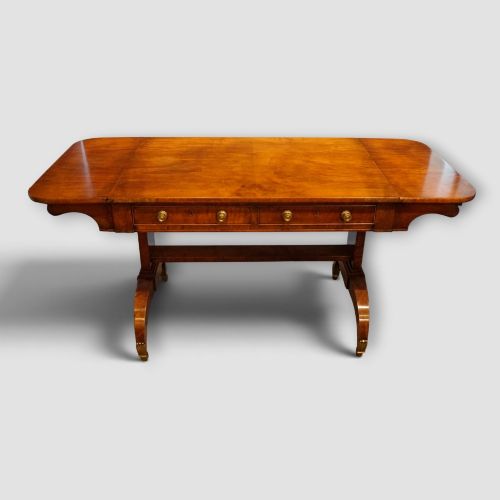
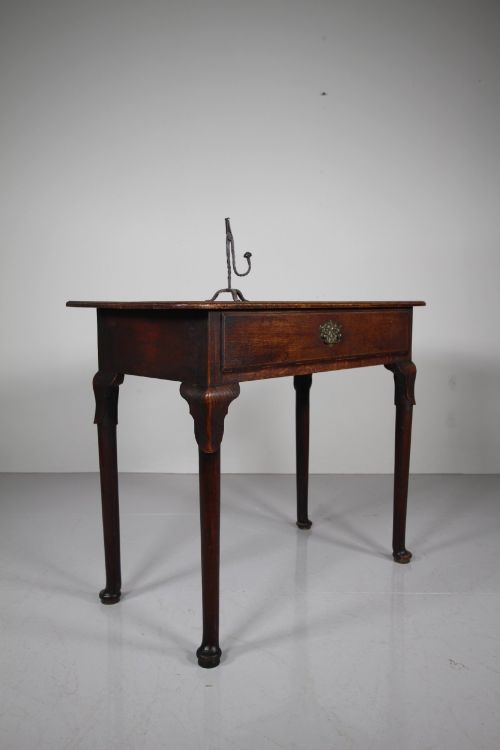
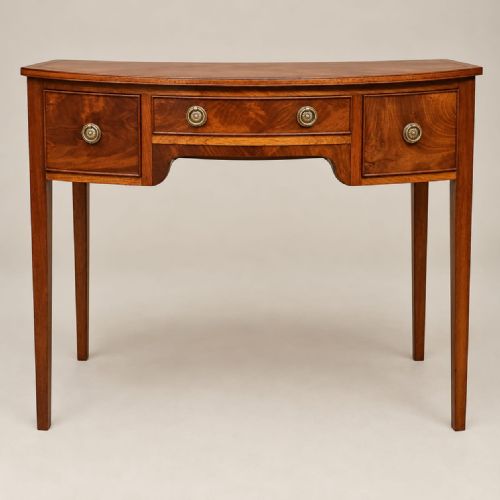
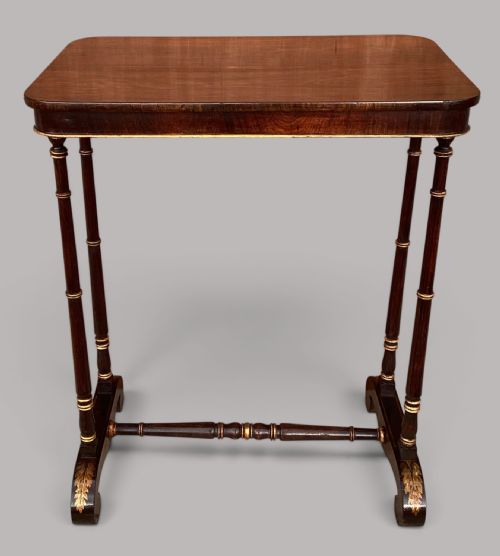
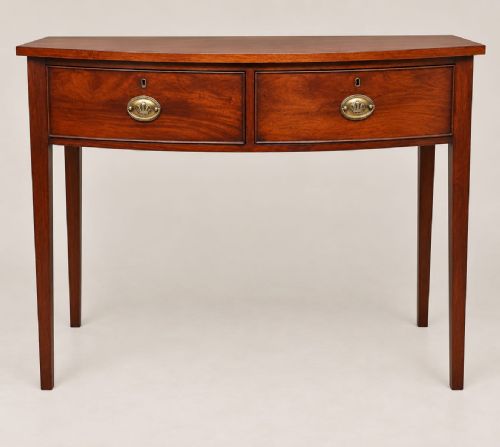
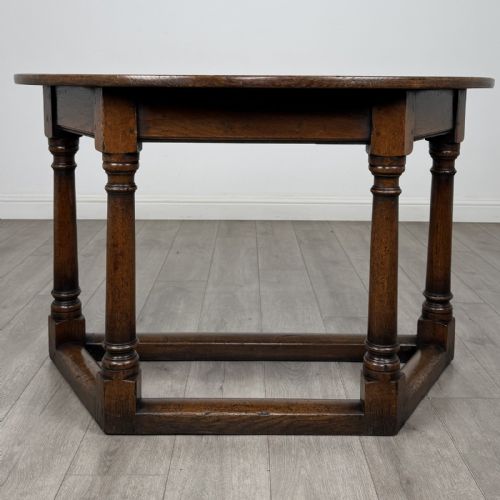
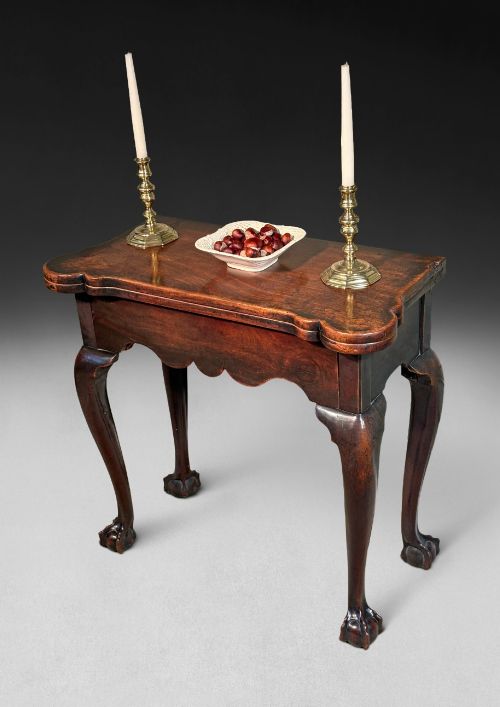
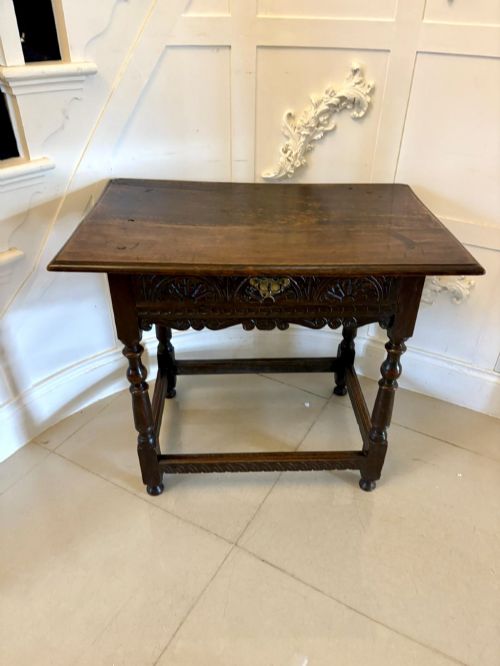
A georgian period console table sits flat against a wall, serving as a decorative surface or a serving piece in formal reception rooms. The pieces appearing in this selection span the eighteenth century and the Regency era, taking forms such as demi-lune tables, card tables, and side tables.
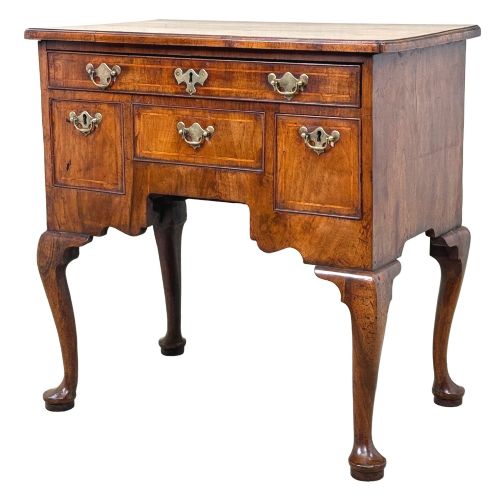
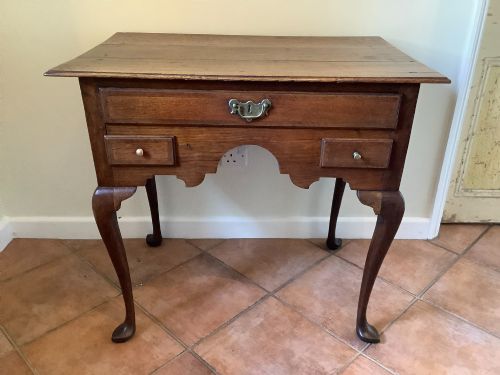
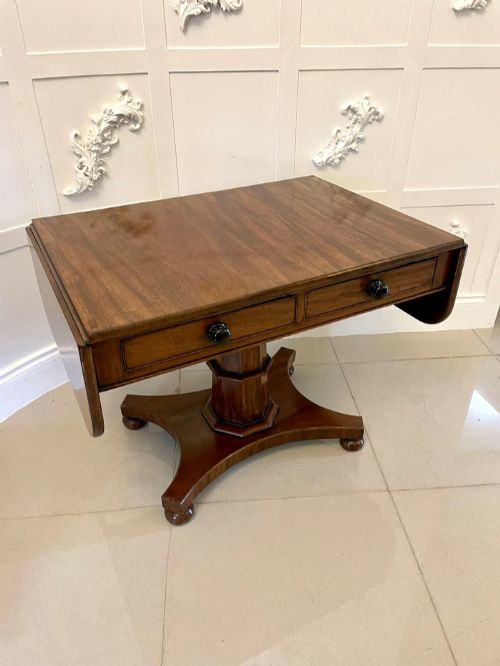
Makers of the period also produced related forms like lowboys and sofa tables, which share the timber choices and cabinet-making techniques of the classic console. Walnut, mahogany, and oak dominate these early designs, often updated later in the nineteenth century through revival styles.
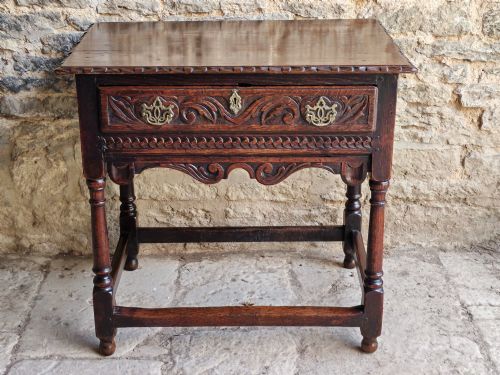
The layout of these tables reflects formal interior design of the Georgian and Regency periods, where symmetry and wall placement governed room arrangement. Buyers encounter pieces ranging from simple country house oak examples to sophisticated satinwood and marquetry demi-lune designs.
How They Were Made
Cabinet-makers relied heavily on solid mahogany, oak, and walnut for structural integrity, shaping timber with hand saws and planes. Decorative impact came through flame mahogany veneer, burr walnut, and contrasting bandings of boxwood or satinwood.
Surface ornamentation often involved intricate marquetry or brass inlay, particularly on pieces from the Sheraton and Regency periods. Secondary treatments included hand-applied painted finishes, parcel gilding, and the use of faux bamboo to suit changing fashion.
Georgian Period Console Table Retail Price Guide 2026
Typical asking prices for georgian period console table among the pieces listed under this phrase on Sellingantiques today, from the lower quarter to the upper quarter. They describe what is for sale here now, not the wider market.
Materials across the selection range from humble painted pine to exotic satinwood, birdseye maple, and flame mahogany veneer.
What Varies in Quality
The refinement of the timber selection dictates much of the distinction between standard and exceptional pieces. Highly figured grain, such as burr walnut or meticulously matched flame mahogany veneer, elevates the visual presence of a table.
Execution of detail separates workshop production, seen in the precision of brass inlay, the crispness of carved mouldings, and the integration of marquetry. Construction methods, including concertina actions on card tables and original secondary timbers, define the integrity of the piece.
Giles Grendey
The Georgian Period Console Table Glossary
- Demi-lune
- Having a half-moon shape. These tables fit flush against a wall and often function as side or console pieces.
- Lowboy
- A small table with one or more drawers, standing on relatively tall legs. They originated in the late seventeenth century and continued through the Georgian period.
- Marquetry
- The art of applying pieces of veneer to a structure to form decorative patterns. Craftsmen utilised woods like satinwood and sycamore for contrast.
- Sofa table
- A rectangular table designed to stand in front of a sofa, typically featuring drop leaves at either end. They emerged during the Regency period.
- Concertina action
- An expanding frame mechanism that allows a folding table top to be supported when opened. This design is commonly found on card and games tables.
Georgian Period Console Table: Frequently Asked Questions
Where should a console table go?
These tables find a natural home against a hallway wall or beneath a mirror in a principal reception room. Their shallow depth allows them to sit comfortably in circulation spaces without blocking movement.
Pairing a table with a suitable lamp or decorative ceramic creates a balanced focal point upon entering a room.
How do I care for antique timber?
Maintain the surface by applying natural beeswax sparingly and buffing with a soft cloth to nourish the grain. Avoid placing wooden furniture in direct sunlight or near heat sources to prevent timber splitting.
Keep humidity levels in the room stable to protect delicate veneers and historical joinery from movement.
How do I distinguish Regency from Georgian?
Georgian furniture leans towards classical architectural proportions with mahogany and walnut timbers, often featuring carved details. Regency pieces, dating from the early nineteenth century, embrace bolder rosewood, brass inlay, and influences from classical antiquity.
Leg shapes also shift, moving from cabriole or straight square legs to saber legs or painted bamboo turns.