
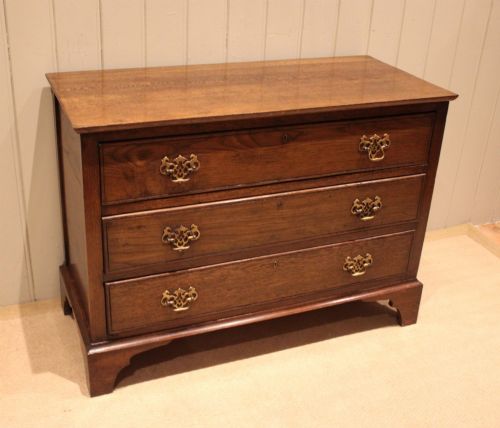

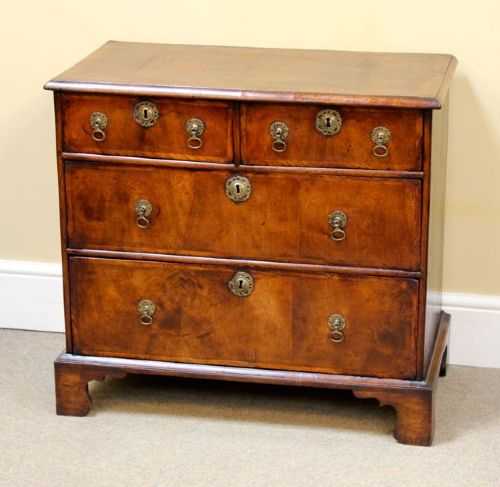
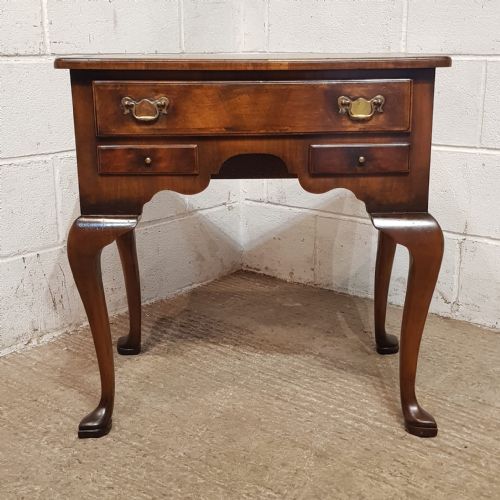
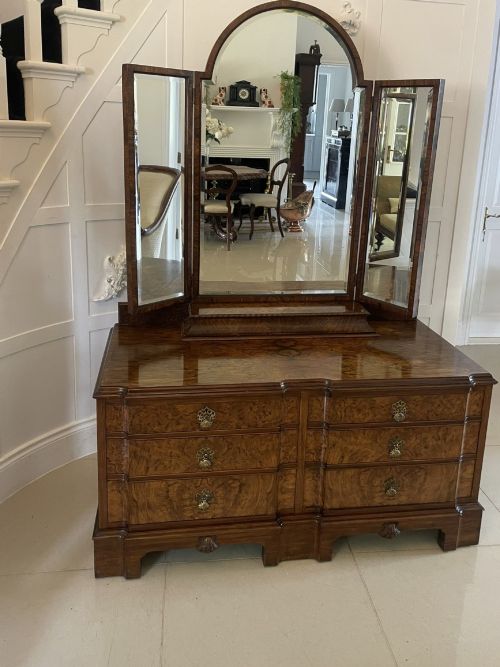
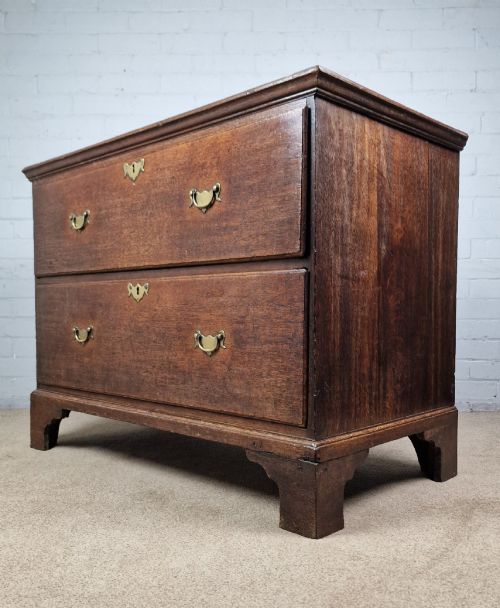
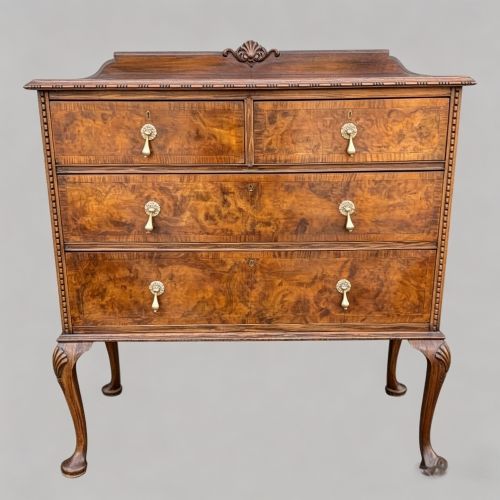
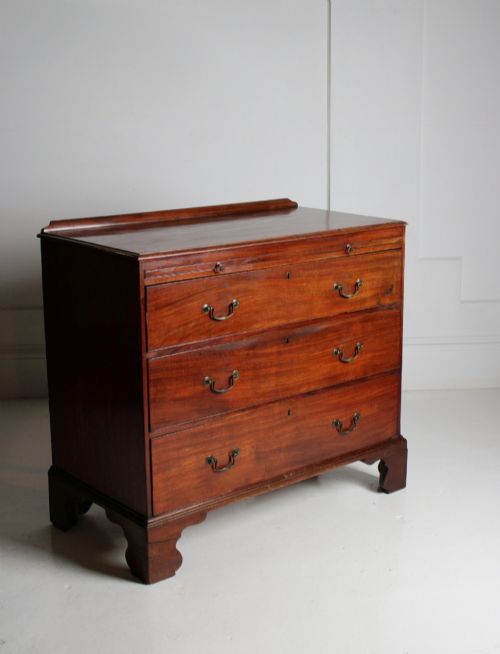
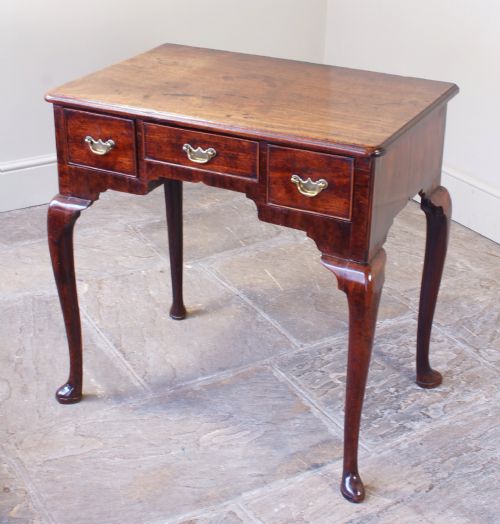
Georgian Lowboy Chest
A georgian lowboy chest brings practical surface space and neat drawer storage to a hallway or bedroom.
What a georgian lowboy chest is
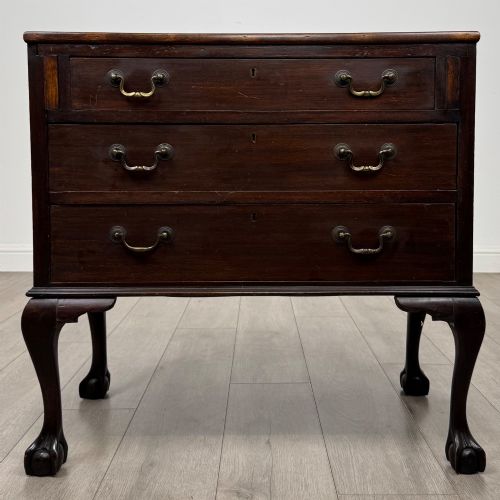
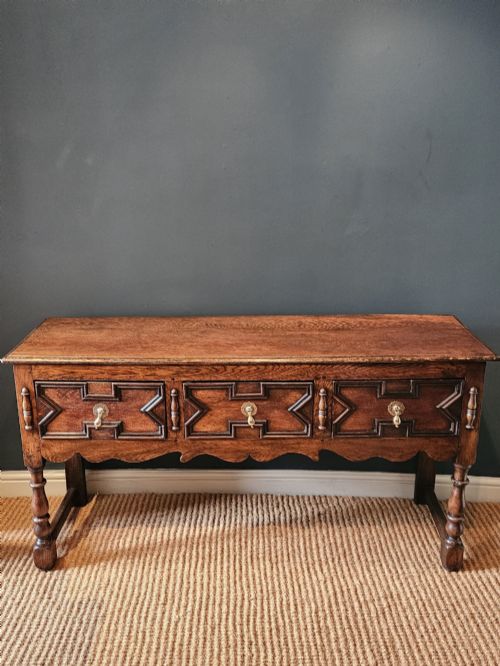
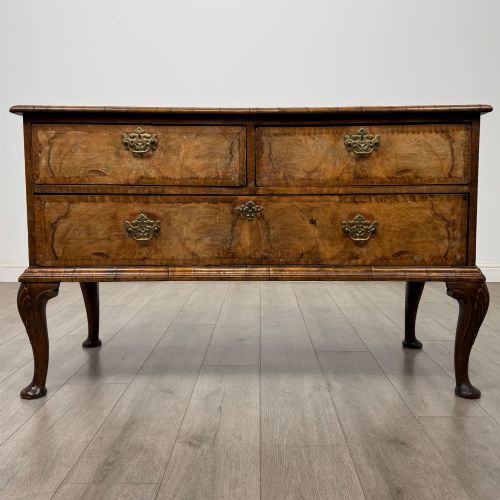
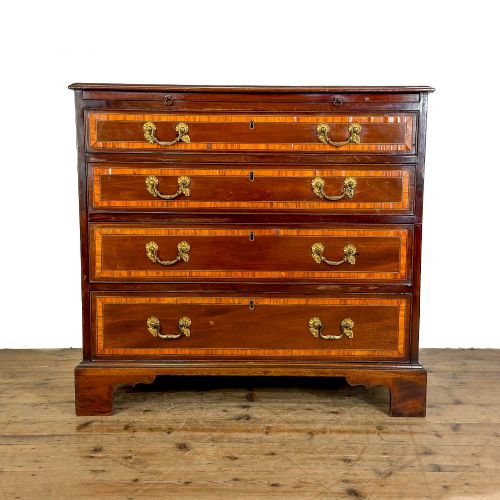
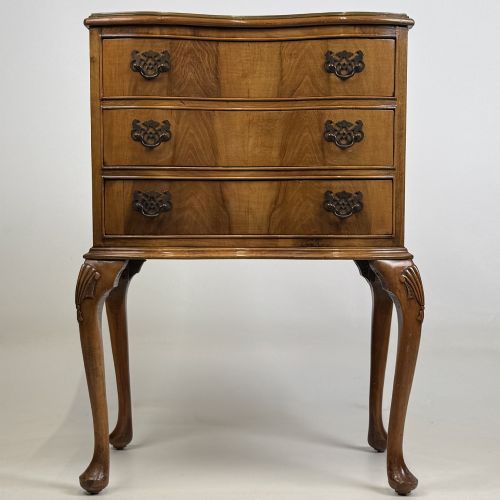
The georgian lowboy chest combines a low dressing table or side table form with multiple integrated drawers. These pieces date from the eighteenth century through to later twentieth century revivals.
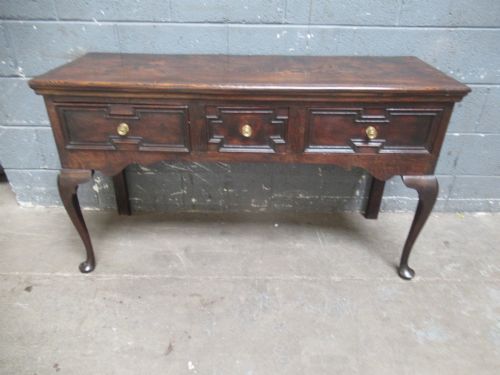
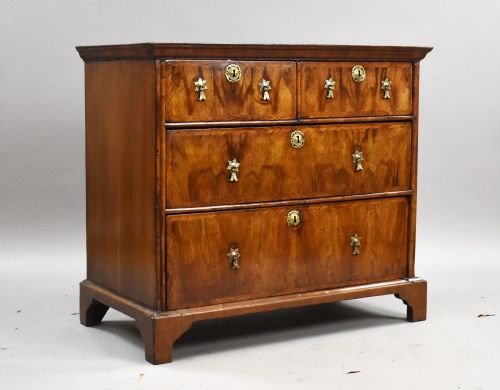
Examples appear in oak, mahogany, walnut, painted wood, and colonial American interpretations. Forms cross between lowboys, chests of drawers, lamp tables, and console tables.
The layout typically centres on a kneehole space flanked by banks of small drawers. This proportion defines the traditional lowboy profile.
How they were made
Cabinetmakers worked with solid timbers including oak, mahogany, and burr walnut, pairing them with brass hardware. Painted wood variants show applied surface finishes rather than polished grain.
Construction relies on traditional joinery techniques suited to table and chest frames. Drawer boxes feature hand-cut joints designed to run smoothly within their carcases.
Retail Price Guide 2026
Typical UK retail prices for georgian lowboy chest, calculated from the Sellingantiques database of over a million retail prices indexed since 2003. This retail price guide relies exclusively on Sellingantiques data; no external sources or auction records are used, so the figures do not describe the wider market.
Listings span the eighteenth century, seventeen fifty, eighteen hundred, and nineteen hundred, utilising mahogany, oak, walnut, brass, and painted wood.
What varies in quality
Quality rests in the choice of timber and the precision of the cabinetwork. Fine mahogany and burr walnut examples display superior grain selection and careful proportioning.
Later revival pieces differ from eighteenth-century originals in their construction methods and timber ageing. The presence of original brass mounts elevates the character of a piece.
The Georgian Lowboy Chest Glossary
- Lowboy
- A small dressing table or side table featuring a low set of drawers beneath the main surface. This form gained popularity during the eighteenth century.
- Kneehole
- The central recessed space beneath the top surface of a desk or lowboy. It allows a person to sit comfortably.
- Burr walnut
- A highly figured timber veneer taken from the growth excrescences of walnut trees. Cabinetmakers prized it for decorative furniture panels.
- George III
- The period of British design spanning the reign of George III from seventeen sixty to eighteen twenty. Furniture from this era often shows neoclassical influences.
Frequently Asked Questions
What is a lowboy?
A lowboy is a small table with one or more rows of drawers underneath. It served traditionally as a dressing table or side table in domestic rooms.
Cabinetmakers built them to provide accessible surface space and modest storage without dominating a room. Their compact size makes them versatile for modern interiors.
How do I style a lowboy?
Place a lowboy in an entrance hall as a console or in a bedroom as a compact dressing table. A mirror hung above completes the traditional dressing arrangement.
Keep the surface uncluttered to showcase the timber grain and brass hardware. Small trays or decorative bowls help organise everyday items.
Are these pieces eighteenth century?
The selection includes genuine eighteenth-century pieces alongside later revival interpretations. Dating relies on timber characteristics, construction methods, and overall design style.
Checking the drawer linings and backboards reveals the age of the construction. Eighteenth-century examples show hand-planed surfaces and period fixings.
What timber was used?
Common timbers include mahogany, oak, and burr walnut alongside painted wood variants. Each wood offers a distinct colour and grain pattern.
Mahogany and walnut provided rich dark tones for formal rooms. Oak and painted finishes appeared in simpler or regional furniture.