


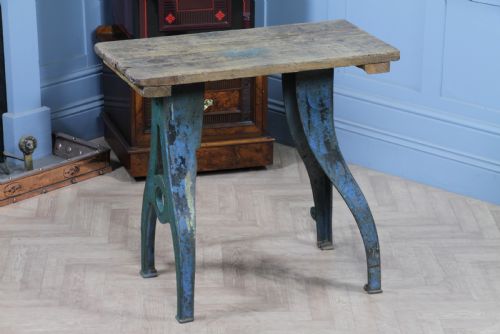

Blue Side Table
A blue side table brings functional surface space and a distinct painted hue to a room, drawing on centuries of vernacular and formal furniture traditions.
Blue Side Table
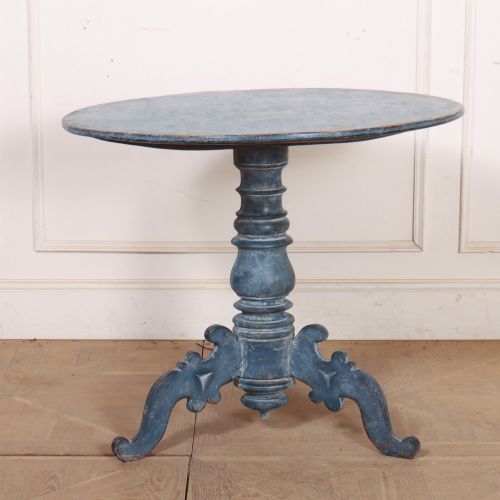
When searching for a blue side table, a buyer encounters a diverse mix of forms spanning centuries of domestic design. The selection includes painted pine country pieces, marble-topped gueridons, and occasional tables derived from various European and English traditions.
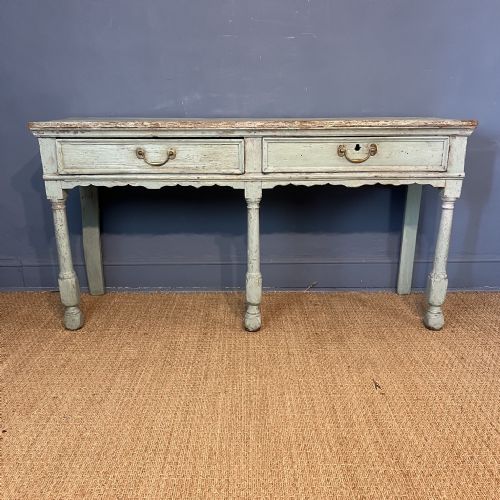
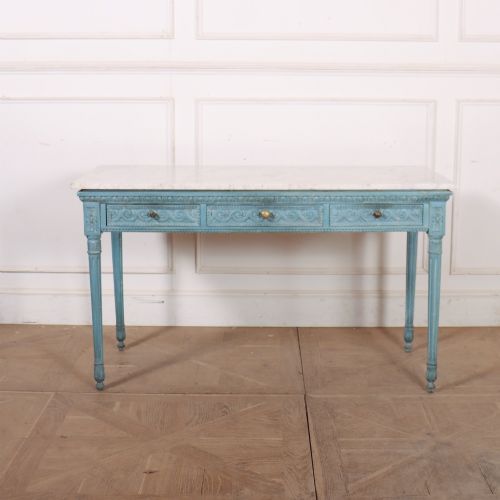
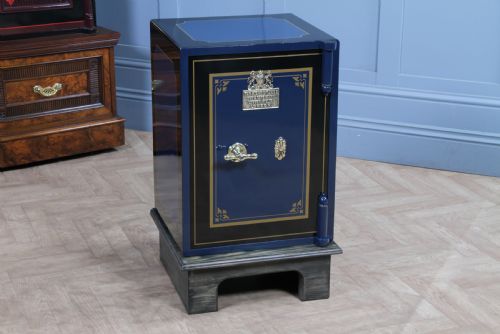
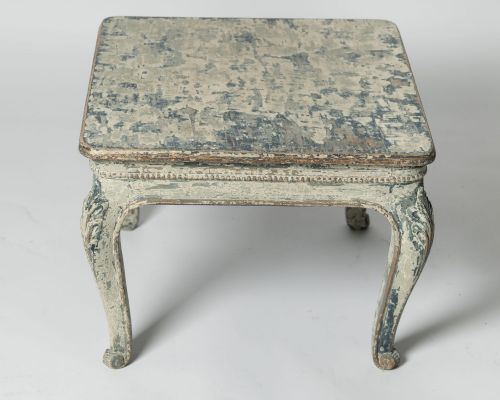
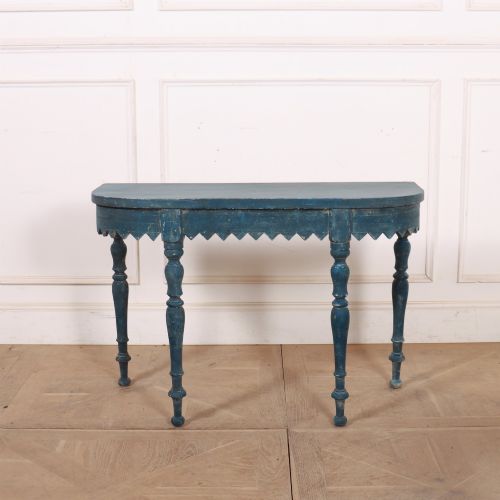
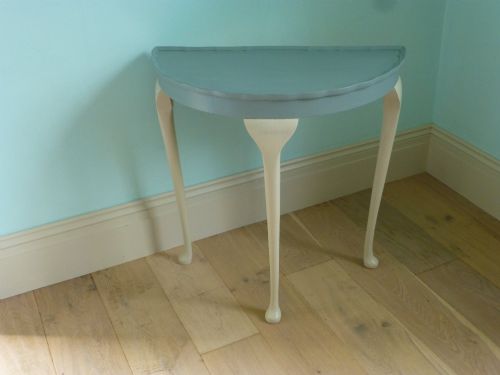
The most common examples on this page are provincial pine tables coated in historic or later blue paint, alongside console tables and bedside cabinets originating from English, French, and Scandinavian workshops.
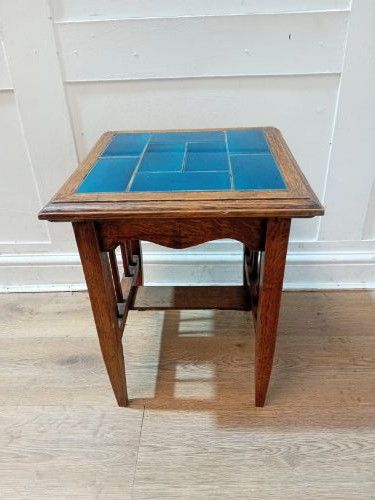
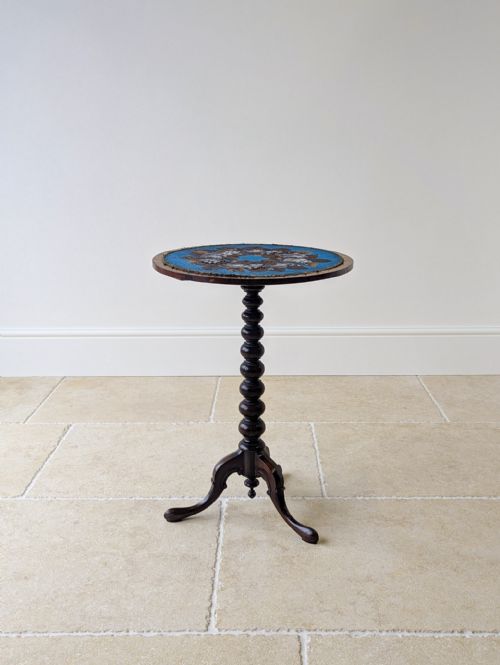
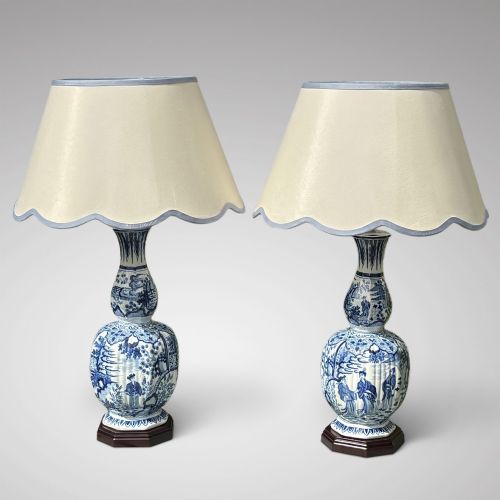
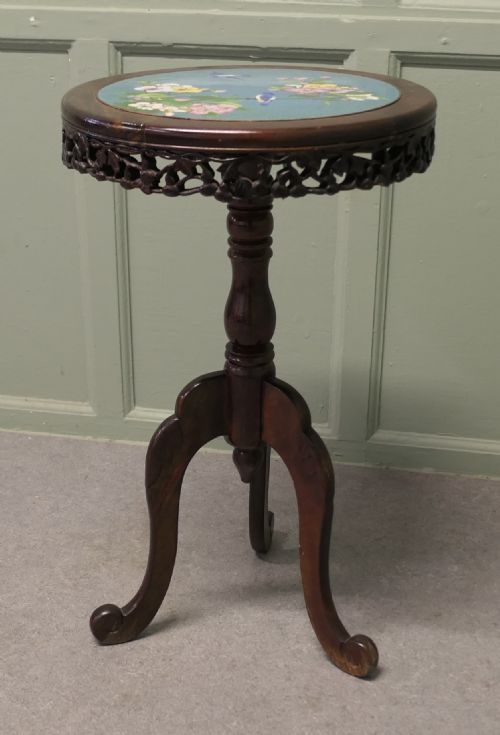
Pieces range from simple folk-made furniture to more decorative items incorporating Chinoiserie motifs, gilt bronze, or tile tops, reflecting the broad interpretation of the search phrase across different periods.
How they were made
Carpenters and joiners utilised solid timbers such as pine, oak, and mahogany for the structural carcasses, employing traditional joinery like dovetails and mortise and tenon joints. Tables designed for daily use often featured turned legs or spider legs to balance strength with a lighter silhouette.
Surface finishes rely heavily on applied paint layers, ranging from simple lead-based or milk paints on country pine to intricate Chinoiserie decoration and gilt detailing. Many surfaces show the accumulation of successive coats over decades, creating the characteristic patinated textures seen on older painted furniture.
Listings feature items spanning the 18th, 19th, and early 20th centuries, executed in pine, oak, marble, and painted wood.
What varies in quality
Quality in these tables rests upon the integrity of the timber construction and the authenticity of the surface finish. Pieces retaining their original structural joinery and early paint layers display a coherence that later married or heavily stripped examples lack.
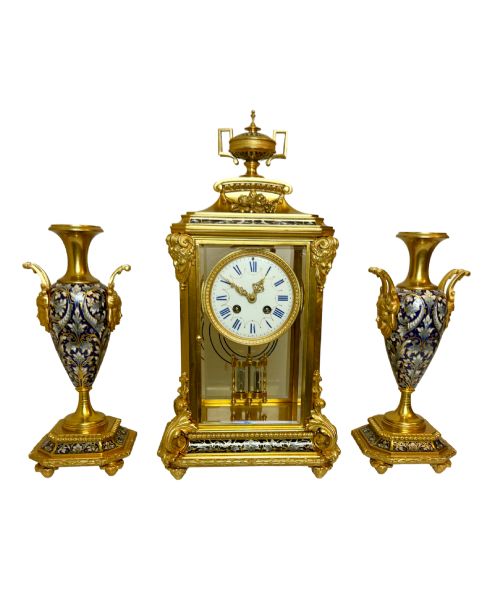
The sophistication of the secondary materials also dictates the standing of a piece. Finer items incorporate materials like imported marble tops, champleve enamel, or detailed hand-carved woodwork, whereas utilitarian country tables rely on robust simplicity and practical proportion.
Weisweller
The Blue Side Table Glossary
- Gueridon
- A small circular occasional table, typically French in origin and often supported by a central pillar or three legs. These tables frequently feature decorative marble tops.
- Console table
- A table designed to be fixed against a wall, sometimes supported by front legs and secured by brackets at the back. They often serve decorative hallway or reception room functions.
- Chinoiserie
- The European interpretation and imitation of Chinese artistic traditions and motifs, popular in furniture decoration and lacquering. It frequently incorporates scenes of birds, flowers, and figures.
- Pine
- A soft timber widely utilised in country furniture and vernacular pieces across England and Scandinavia. It served as a stable base for painted finishes.
- Bijouterie table
- A glass-topped display table intended for showcasing small precious objects, curiosities, or jewellery. These tables usually date from the nineteenth and early twentieth centuries.
Blue Side Table: Frequently Asked Questions
How do I date a painted side table?
Dating relies on examining the construction methods, nail types, and the composition of the wood beneath the paint layers. Hand-cut joints and native timber choices often point to earlier centuries.
Paint analysis also helps determine age. Older pieces display craquelure, wear patterns, and pigment layering that differ significantly from modern synthetic applications.
Are these tables suitable for daily use?
Most antique side tables function well for everyday placement in living rooms, hallways, or beside beds. Their original purpose was practical surface utility.
Care should be taken with delicate painted surfaces or marble tops, using coasters and avoiding harsh cleaning agents to preserve the historic finish.
What is Scandinavian painted furniture?
Scandinavian painted furniture encompasses pieces from regions like Sweden, often characterised by bright or muted painted finishes designed to reflect light in northern interiors. Pine was the primary material utilised.
These items range from folk-made tables to refined neoclassical designs influenced by Gustavian tastes.
How do I care for antique painted surfaces?
Preserving a painted finish requires gentle dusting with a dry, soft cloth and avoiding moisture or chemical solvents. Wax is sometimes applied sparingly to protect older paint.
Keeping the table away from direct sunlight and dramatic humidity changes prevents the timber from moving and the paint from flaking.