


Chippendale Lowboy Table
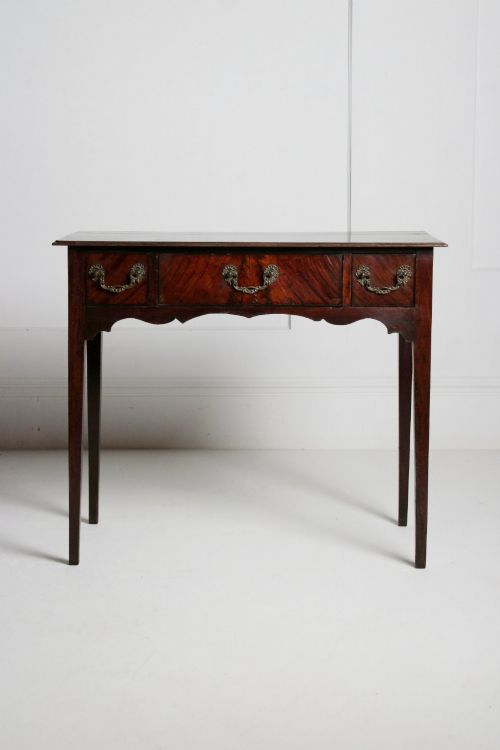
Chippendale lowboy table pieces offer practical surface space and elegant drawer storage, bringing classic Georgian form to any room.
Chippendale Lowboy Table
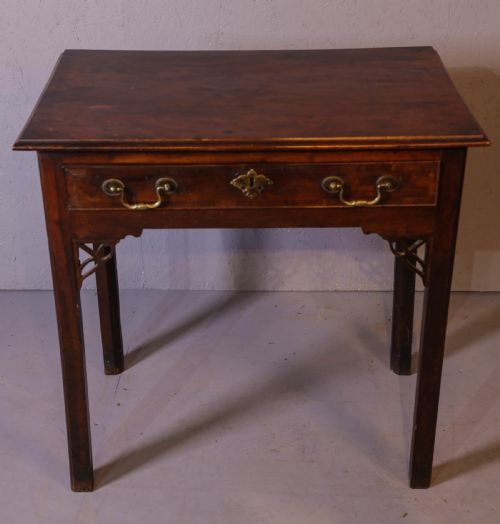
A chippendale lowboy table is a compact low table featuring drawers, commonly used as a side table or dressing surface in period interiors. The pieces on this page span the eighteenth century up to later revival periods.
Most examples found here are Georgian or George III in origin, alongside revival pieces from the early twentieth century. They appear under various descriptions including side tables, low boys, and dresser bases.
The form typically rests on slender legs supporting a rectangular top above one or more drawers. Walnut, mahogany, and yew feature prominently across the various periods represented.
Materials and Construction
Cabinet makers utilised dense hardwoods such as mahogany and walnut, occasionally selecting burr walnut, cherrywood, or yew for distinct grain patterns. These timbers provided the structural stability required for intricate carving and joint work.
Metal hardware such as brass handles and escutcheons complemented the timber surfaces on drawer fronts. Giltwood also appears in select decorative applications among the recorded listings.
Chippendale Lowboy Table Retail Price Guide 2026
Typical asking prices for chippendale lowboy table among the pieces listed under this phrase on Sellingantiques today, from the lower quarter to the upper quarter. They describe what is for sale here now, not the wider market.
Listings feature mahogany and walnut predominantly, alongside alternative timbers like yew wood and cherrywood.
Assessing Quality and Execution
The refinement of carved detail and the choice of timber figure distinguish finer examples from standard workshop production. Grain selection in mahogany and walnut dictates much of the visual depth.
Joinery execution and the preservation of original brass hardware influence the standing of each piece. Later revival interpretations contrast with eighteenth-century originals through timber seasoning and tool marks.
Elkington and Co·Muirhead Moffat and Co
The Chippendale Lowboy Table Glossary
- Chippendale
- A style of eighteenth-century English furniture associated with the designer Thomas Chippendale. It draws on Gothic, Chinese, and Rococo design motifs.
- George III
- The period of British history spanning from seventeen sixty striker to eighteen twenty. Furniture from this era is noted for classical proportions and disciplined ornamentation.
- Dresser base
- A lower storage unit with drawers or cupboards, often utilised in country houses. They share functional similarities with larger side tables.
Chippendale Lowboy Table: Frequently Asked Questions
Where were lowboy tables used originally?
These tables served primarily in bedrooms or dressing rooms for holding personal items and grooming tools. Their compact proportions also suited them for use in hallways and smaller reception rooms.
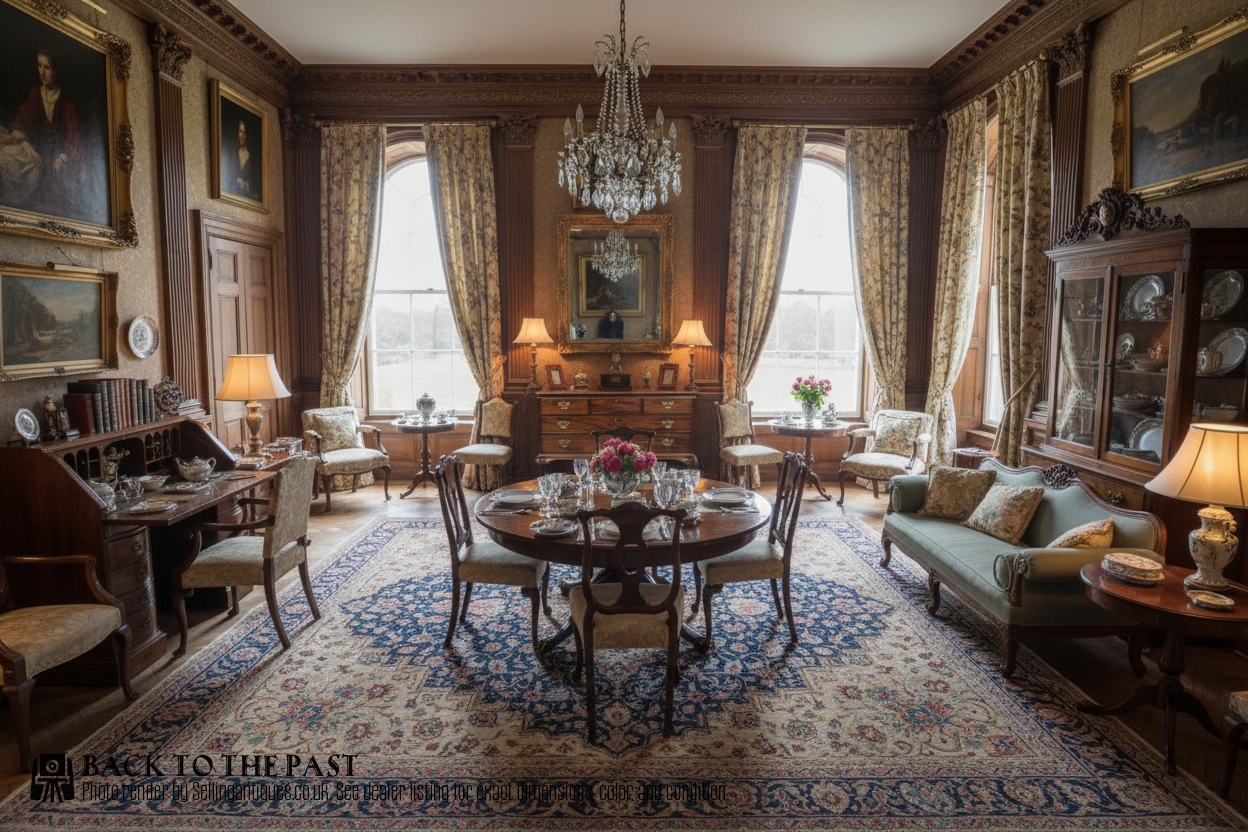
Over time, owners moved them into principal living spaces to function as side tables or lamp stands. Their low profile kept sightlines open in panelled rooms.
How do I identify a Georgian lowboy?
Georgian examples display characteristic timber ageing, hand-cut dovetails within the drawer construction, and native hardwoods like mahogany or walnut. The proportions follow eighteenth-century design standards.
Revival pieces from later periods often show different internal secondary woods and machine-cut elements upon close inspection. Comparing timber patination helps clarify the age of the piece.
What is the difference between a lowboy and a side table?
Lowboys specifically incorporate one or more rows of drawers beneath the top surface for concealed storage. Side tables may simply consist of a flat top supported by legs without drawer compartments.
In historical listings, the terms occasionally overlap when a lowboy lacks surviving original documentation. Both forms provide convenient surface areas for everyday use.
How should I care for a mahogany lowboy?
Keep wooden surfaces away from direct sunlight and heat sources to prevent timber splitting and fading. Regular dusting with a soft, dry cloth preserves the natural finish without wax buildup.
Avoid using modern liquid polishes containing silicones that can penetrate antique finishes. Gentle handling of brass hardware prevents loosening over time.