
Georgian Two Over Two
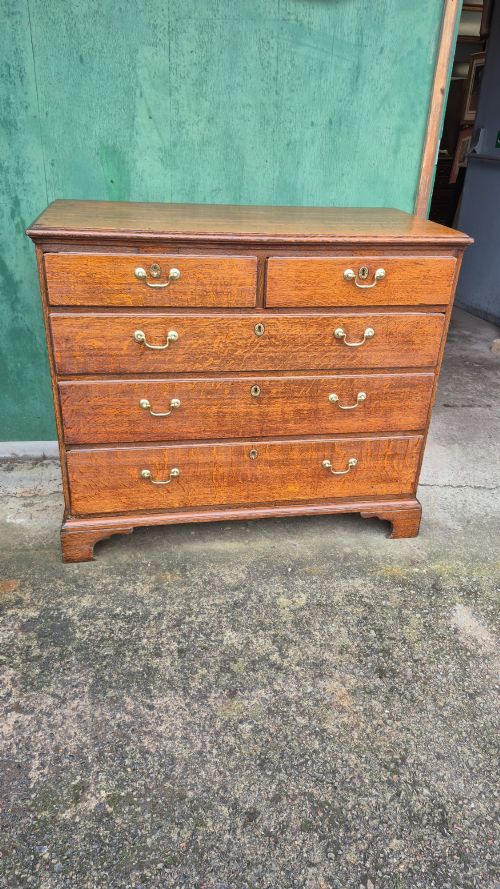
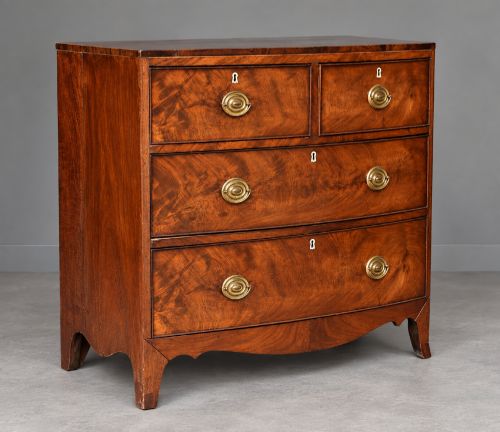
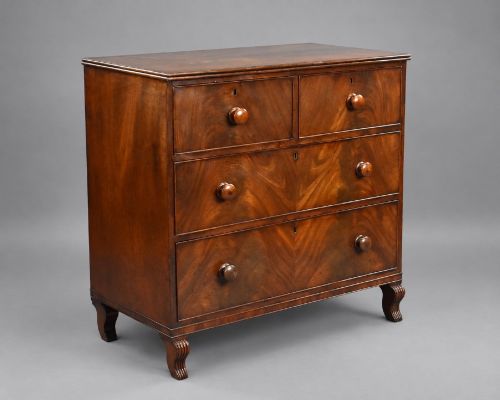
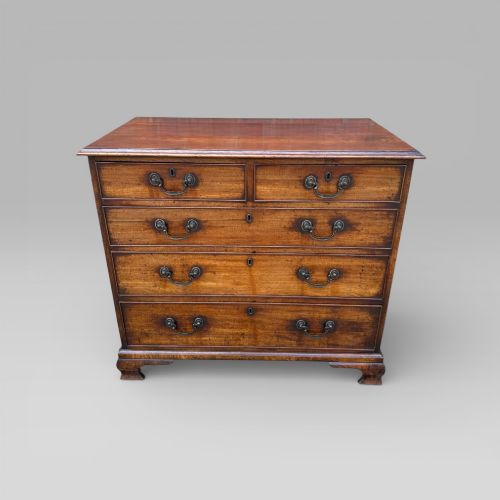
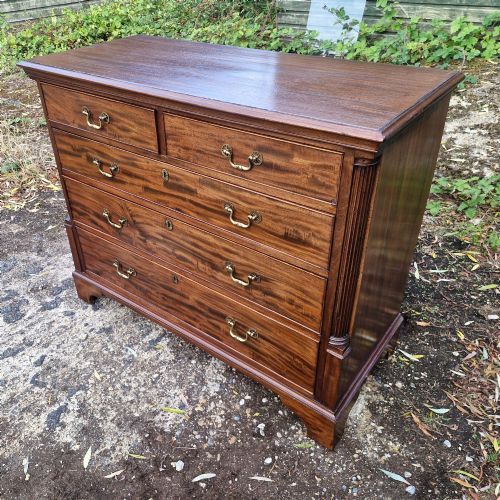
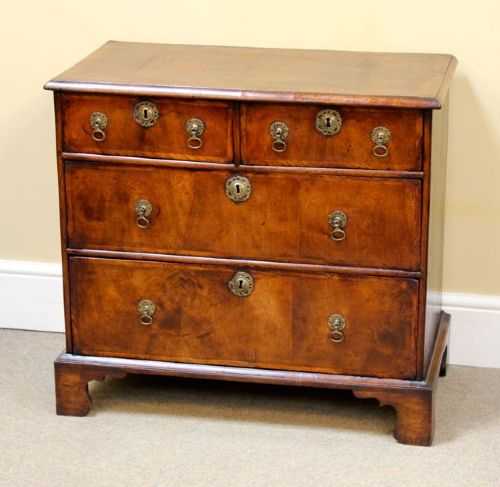
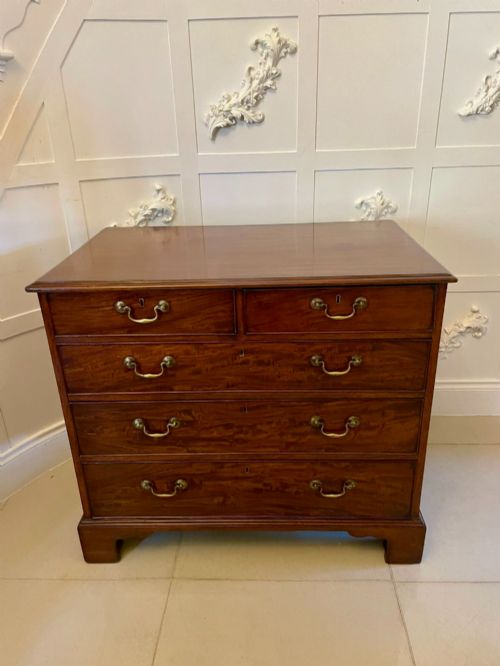
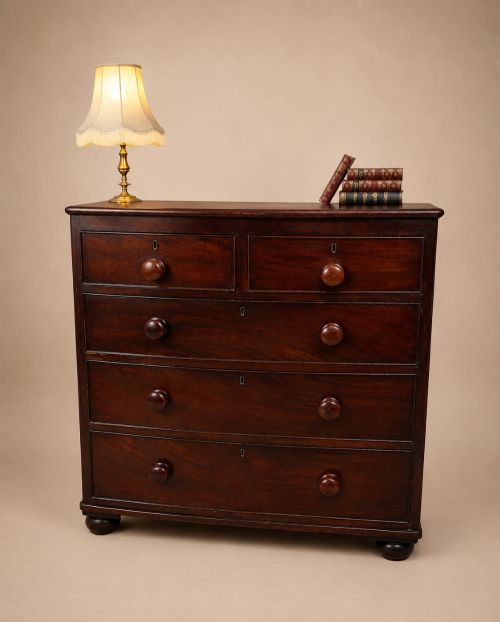
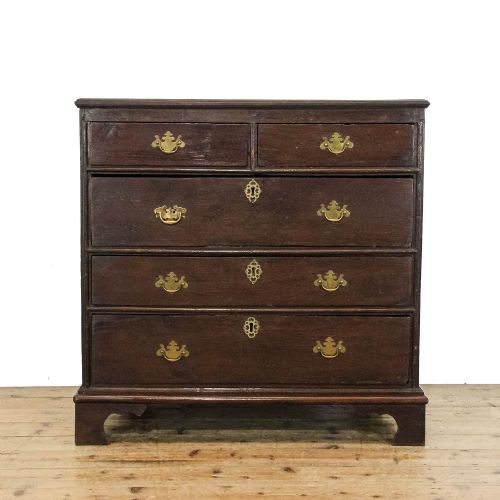
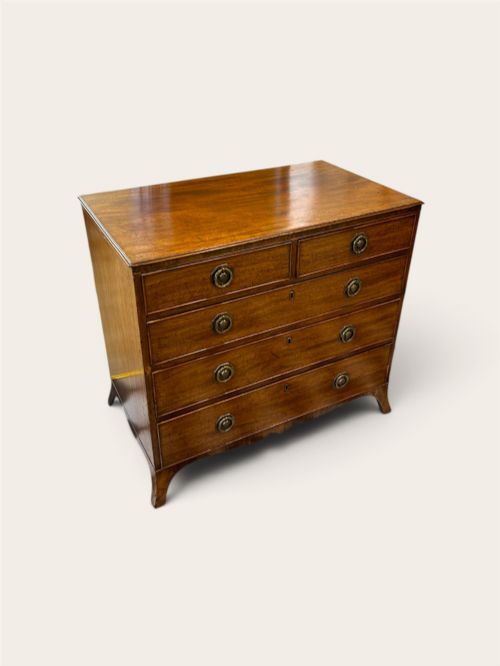
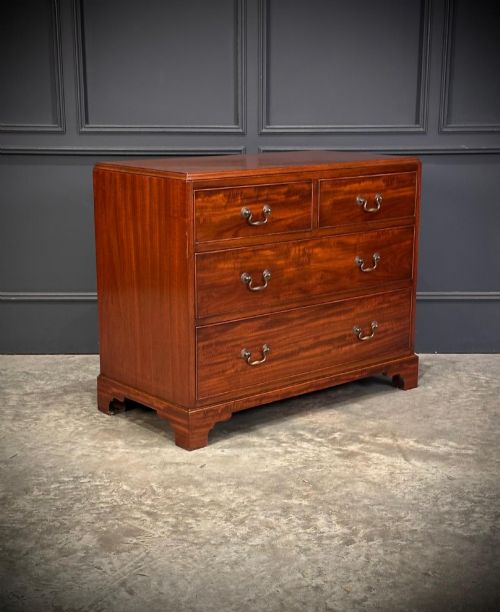
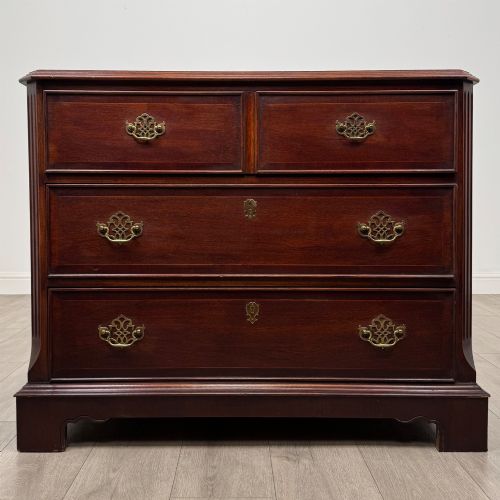
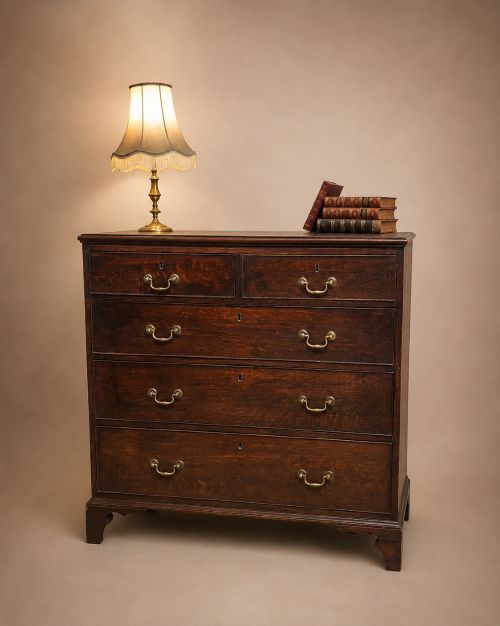
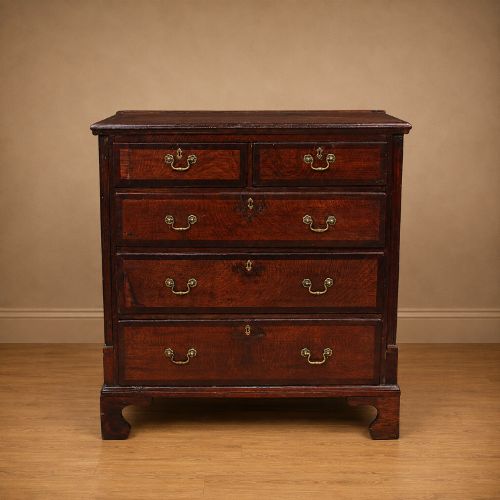
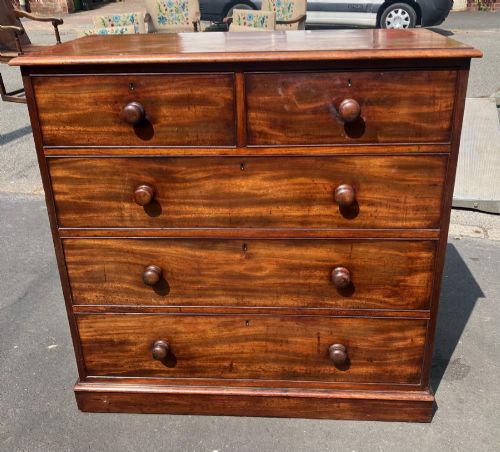
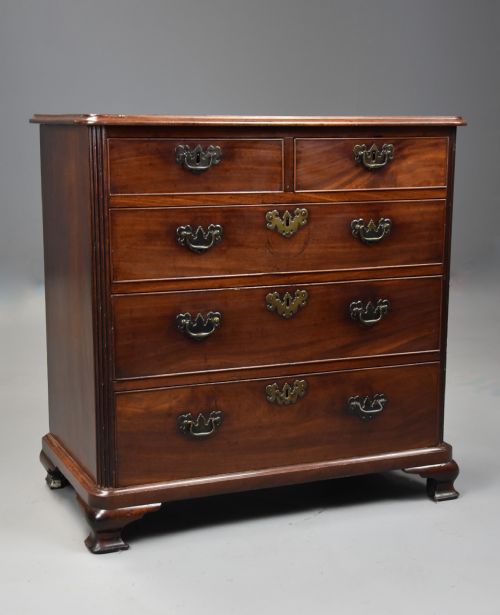
When you look for a georgian two over two, you want a chest of drawers defined by two small drawers above two larger ones.
Georgian Two Over Two
A georgian two over two chest of drawers organises storage with two smaller top drawers sitting above two full-width drawers below. This particular arrangement forms a distinctive proportion that appears frequently across the Georgian, Regency and Victorian periods.
Most examples found in these listings take the form of mahogany or oak case pieces, often constructed with bowfronts or straight fronts. Cabinetmakers built these items for domestic bedrooms and dressing rooms, where smaller upper drawers kept smaller personal items separate from bulkier garments below.
Originating predominantly from English workshops of the eighteenth and nineteenth centuries, these chests demonstrate the utilitarian yet refined approach of period cabinetmakers. Buyers encounter variations ranging from golden oak country pieces to finely figured flame mahogany urban examples.
How they were made
Cabinetmakers built these chests using solid hardwoods like oak and mahogany, often applying decorative veneers such as flame mahogany or burr walnut to the primary surfaces. Crossbanding and inlay in contrasting woods frequently frame the drawer fronts, adding visual depth to the piece.
Drawer construction relied on traditional hand-cut dovetails to ensure durable joints that withstand daily use. Backboards and secondary drawer linings typically consist of native timbers like pine or oak, fixed with period hand-forged iron or brass hardware.
Georgian Two Over Two Retail Price Guide 2026
Typical asking prices for georgian two over two among the pieces listed under this phrase on Sellingantiques today, from the lower quarter to the upper quarter. They describe what is for sale here now, not the wider market.
One surviving chest even keeps a working key from eighteen-ten, ready to lock away secrets.
What varies in quality
The choice of primary timber and the selection of veneer figure set the visual hierarchy among these chests. Pieces utilising highly figured burr walnut or matched flame mahogany command attention for their decorative impact compared to plain oak or painted pine.
Proportion and detail refinement dictate the success of the piece, particularly in the handling of bracket feet, cockbeading around the drawers, and original brass pull handles. Subtle details like narrow proportions or crossbanded borders elevate the execution from standard utility furniture to finer craftsmanship.
J Moorcroft
The Georgian Two Over Two Glossary
- Bowfront
- A curved front cabinet design where the central section projects outward in a smooth convex arc. This shape gained popularity during the late eighteenth and early nineteenth centuries.
- Crossbanding
- A narrow strip of veneer applied across the grain of the primary wood to form a contrasting border around drawer fronts or tabletops. It requires precise woodworking skill to execute cleanly.
- Bracket foot
- A simple structural foot shape resembling a bracket, often used on Georgian case furniture. These feet support the corners of the chest and may be plain, ogee, or shaped.
- Flame mahogany
- A distinctive cut of mahogany timber displaying a flamed or feather-like grain pattern. Cabinetmakers reserved this decorative veneer for the most prominent display surfaces.
- Caddy top
- A tabletop style featuring a raised, moulded edge resembling the lid of a tea caddy. This profile appears on select chests from the late Georgian and Regency eras.
Georgian Two Over Two: Frequently Asked Questions
How do I date a Georgian chest?
Dating relies on observing construction methods, timber choices, and hardware styles. Eighteenth-century pieces often use solid oak or walnut, while later periods introduced extensive mahogany veneers.
Drawer joints, foot styles, and backboard construction provide further clues for distinguishing an early piece from a nineteenth-century revival.
Where were these chests used?
These pieces served primarily as bedroom storage for folded garments and personal accessories. The smaller top drawers provided convenient space for smaller items.
Beyond bedrooms, smaller examples functioned effectively in hallways and reception rooms as general domestic storage.
Are the handles usually original?
Hardware replacement occurred frequently over centuries of domestic use. Original brass handles and backplates remain a desirable feature for collectors.
Matching handle impressions or plugged holes inside the drawer fronts often indicate whether the current brasses replaced earlier sets.