
George II Desk
When you search for a george ii desk, you uncover mid-eighteenth-century timber writing furniture shaped by walnut, mahogany, and clever interior compartments.
George II Desk
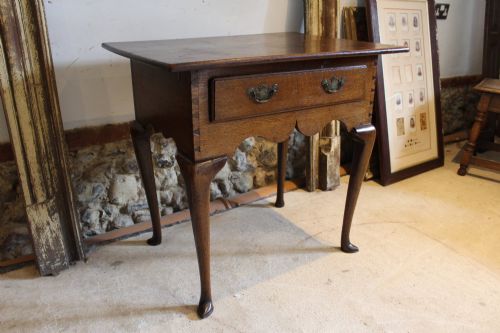
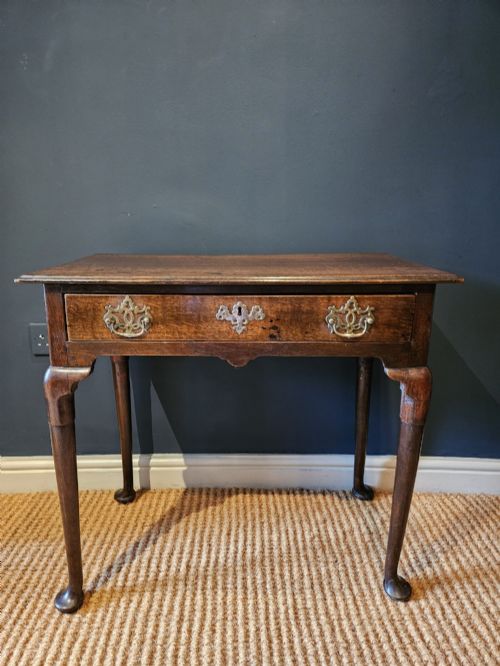
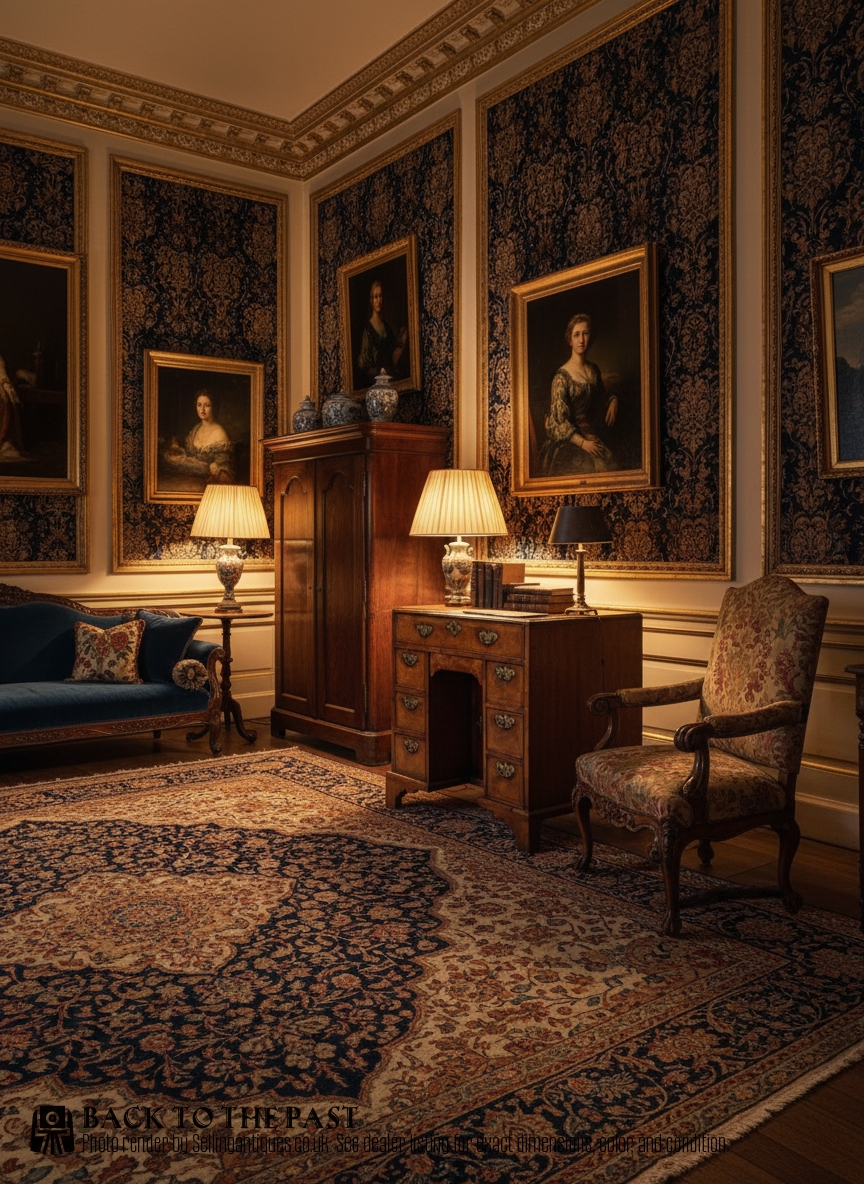
A george ii desk encompasses utilitarian writing furniture from the mid-eighteenth century, taking the form of kneehole desks, bureau bookcases, and secretaire chests. These pieces served domestic and administrative roles in country houses and town residences alike.
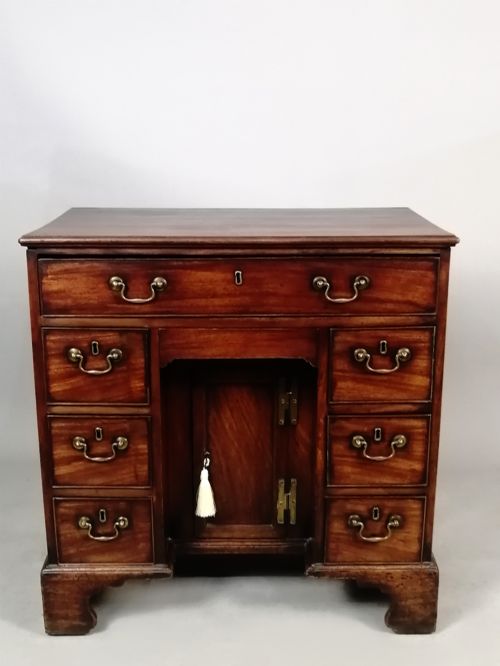
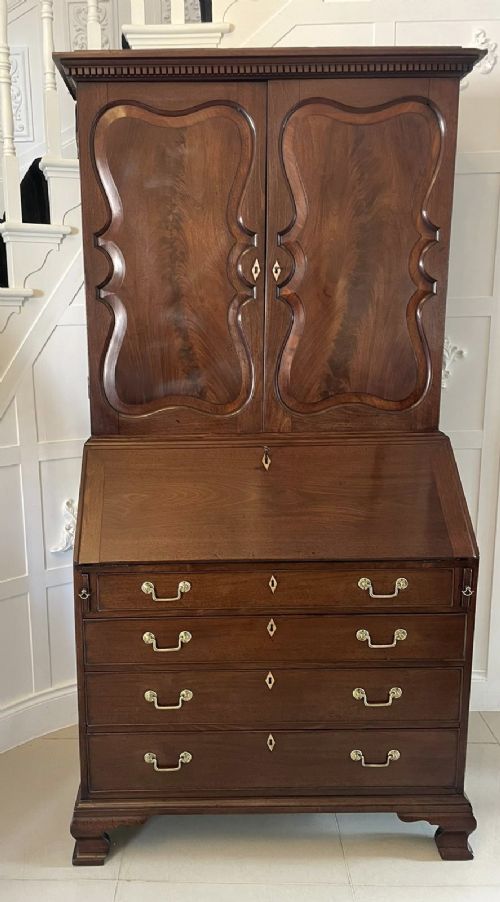
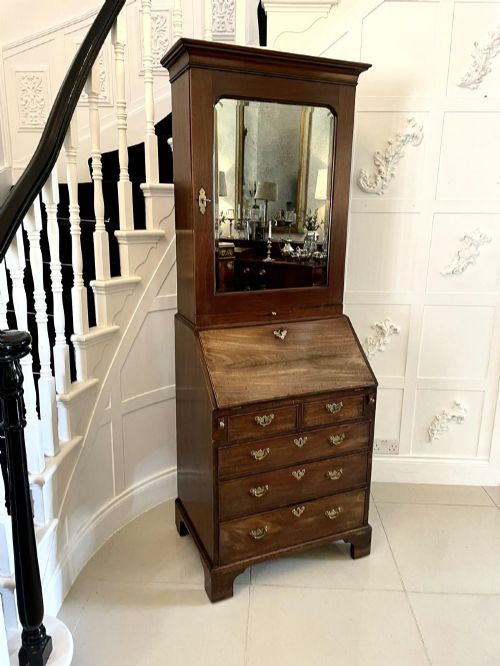
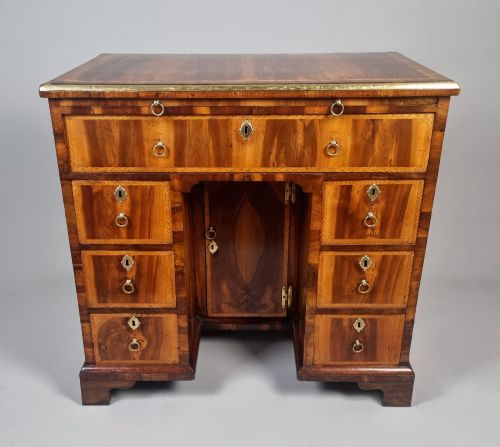
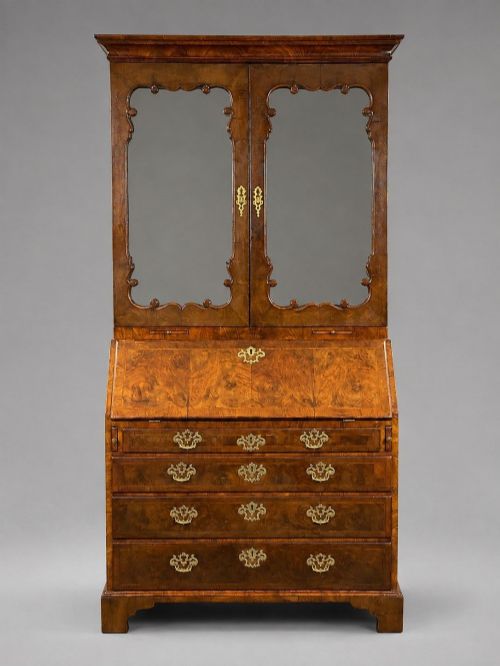
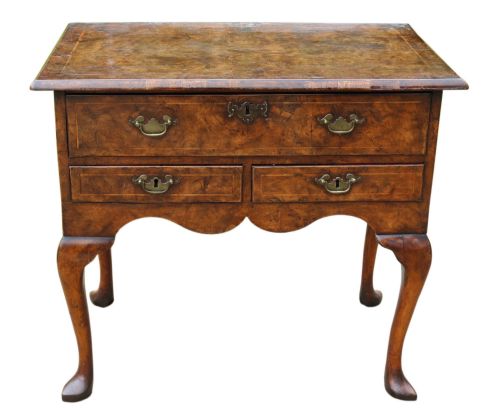
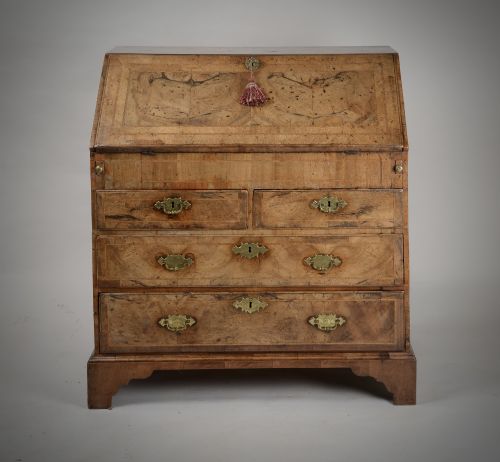
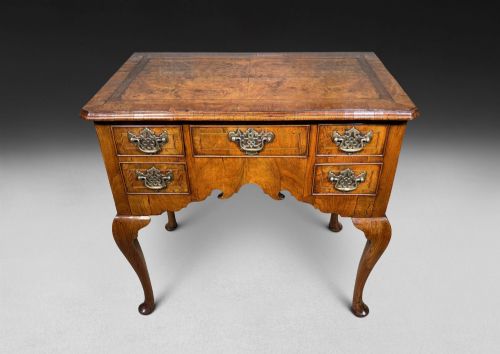
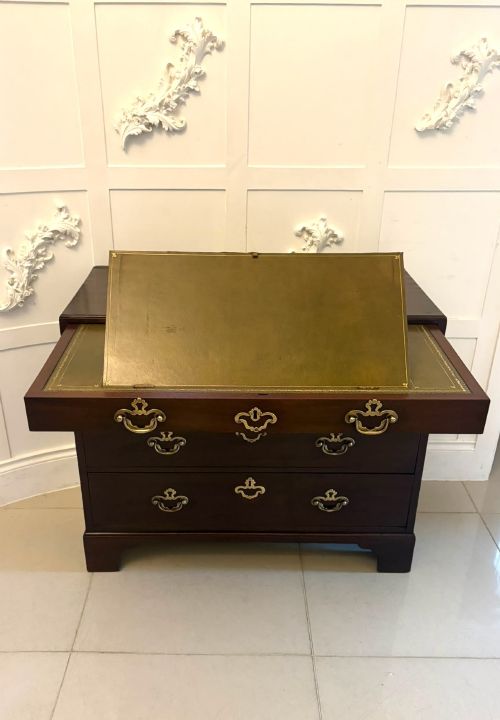
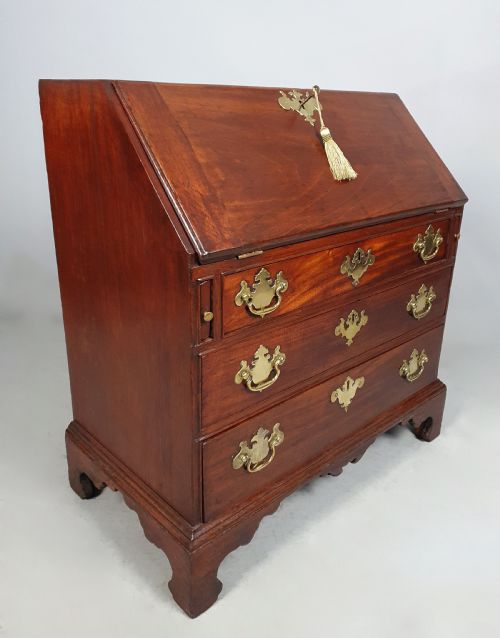
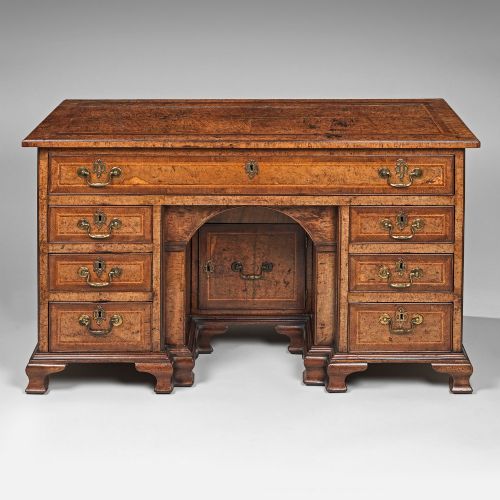
The version most commonly encountered on this page is the walnut or mahogany kneehole desk, often fitted with a central recessed cupboard flanked by small drawers. Bureau forms with sloping fall-fronts also appear frequently, revealing compartmentalised writing interiors when opened.
How they were made
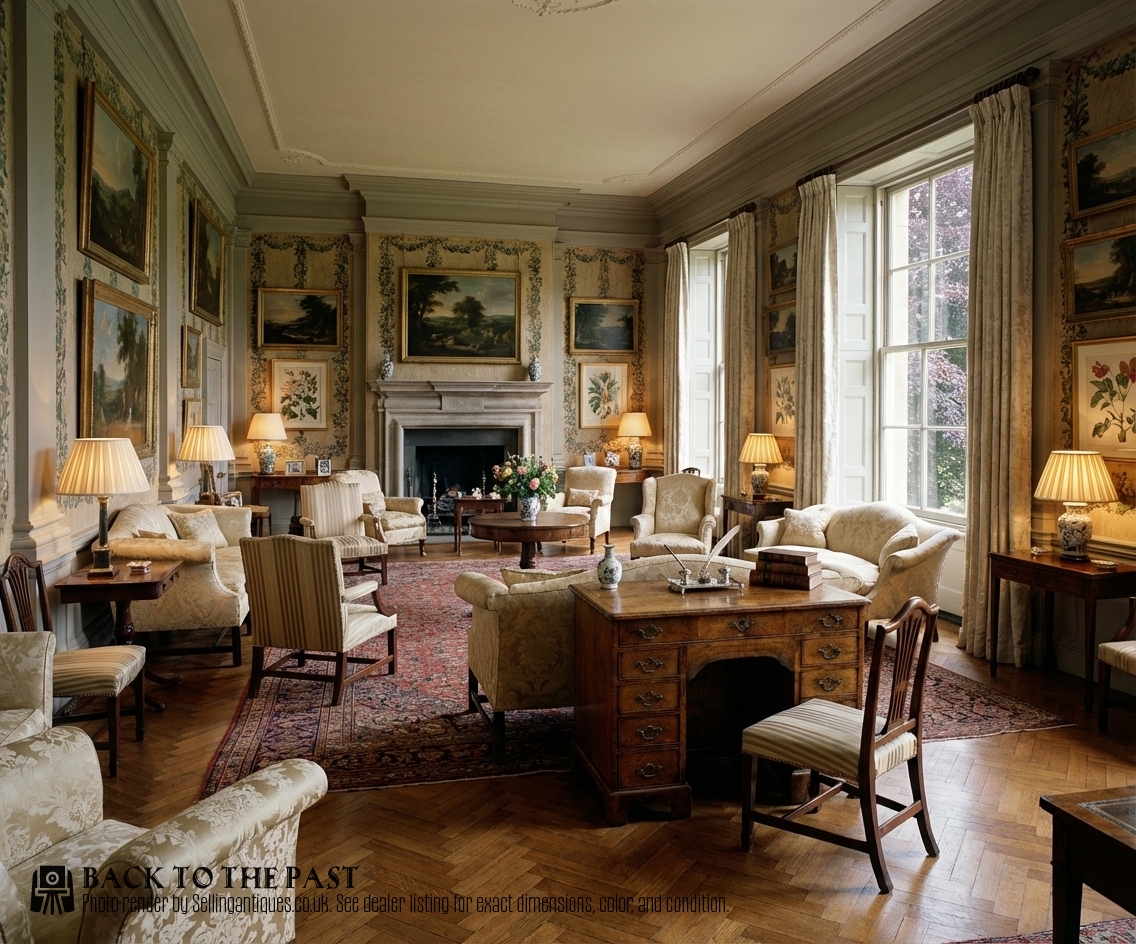
Cabinetmakers constructed these pieces primarily using solid mahogany, walnut, and oak, frequently applying veneers of burr walnut, fiddleback walnut, or figured mahogany to primary surfaces. Feather banding and crossbanding often decorate drawer fronts and borders to create subtle visual contrast.
Joinery techniques relied on dovetailed drawer construction and pegged tenon frames, while brass drop handles and escutcheons secured with pins provided operational hardware. Secondary woods such as cedarwood, fruitwood, and oak were utilised for drawer linings and internal divisions.
George II Desk Retail Price Guide 2026
Typical asking prices for george ii desk among the pieces listed under this phrase on Sellingantiques today, from the lower quarter to the upper quarter. They describe what is for sale here now, not the wider market.
Some diminutive kneehole desks were thoughtfully proportioned for eighteenth-century writing closets where floor space was at a premium.
What varies in quality
The distinction between ordinary and superior examples rests in the selection of timber veneers and the continuity of grain across drawer tiers. Cabinetmakers who matched burr walnut or figured mahogany figures symmetrically across a fall-front created a unified visual plane that lesser pieces lacked.
Proportion and the preservation of original brasses dictate the standing of a desk. Well-executed carving on bracket feet or knees, alongside untouched internal drawer configurations, separates surviving pieces that retain their integrity from those altered by later interventions.
The George II Desk Glossary
- Kneehole desk
- A compact writing desk featuring a central recessed space for the user's legs, flanked by pedestals of small drawers. This form became particularly popular during the mid-eighteenth century.
- Bureau bookcase
- A tall two-part furniture form combining a lower writing bureau with a sloping fall-front and an upper glazed or panelled bookcase section. It provided both workspace and library storage.
- Fall-front
- A hinged writing flap that drops down to form a horizontal surface for writing, concealing pigeonholes and small drawers behind it when closed.
- Feather banding
- Narrow strips of wood veneer inlaid in a herringbone pattern around the perimeter of drawer fronts or tabletops. It requires precise cutting and fitting by the cabinetmaker.
- Fiddleback walnut
- A figured timber grain displaying undulating cross-grain patterns resembling the back of a violin. It was prized for its luminous quality under polish.
George II Desk: Frequently Asked Questions
How do I spot an original george ii desk?
Look for construction traits characteristic of the mid-eighteenth century, including hand-cut dovetails, secondary lining timbers like oak or deal, and appropriately cast brass hardware.
Examine the timber surfaces for natural oxidation and veneer application methods that align with period workshop practices rather than later restoration work.
Where should I place a george ii desk at home?
Position your desk away from direct sunlight and strong heat sources to protect sensitive wood veneers and antique polished finishes from drying out.
Because many examples feature finished backs, they function well freestanding within a study or library rather than pushed strictly against a wall.
How do I care for walnut and mahogany surfaces?
Maintain the timber by dusting regularly with a soft, dry cloth and applying traditional beeswax sparingly when the surface appears dry.
Avoid modern silicone polishes and keep humidity levels stable in the room to prevent timber movement or veneer lifting over time.