



Edwardian Inlaid Walnut Table
An edwardian inlaid walnut table brings warmth and refined detail to a room, offering surface space finished with careful decorative banding.
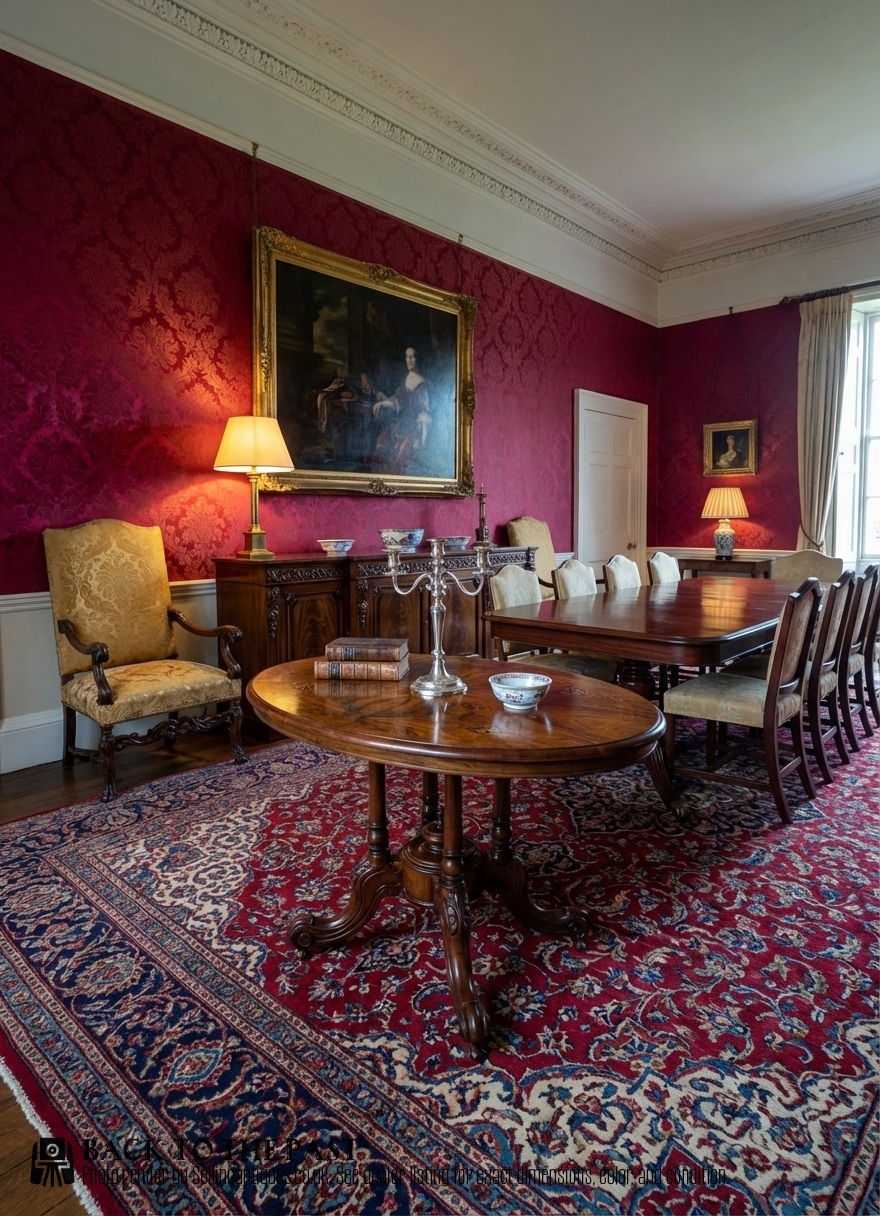
Edwardian Inlaid Walnut Table
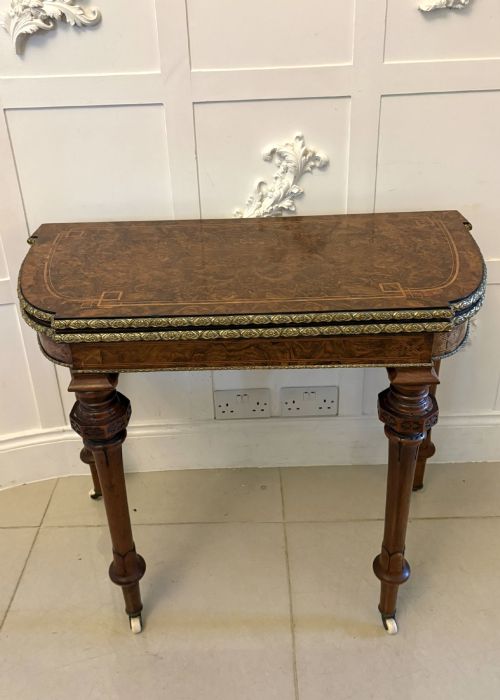
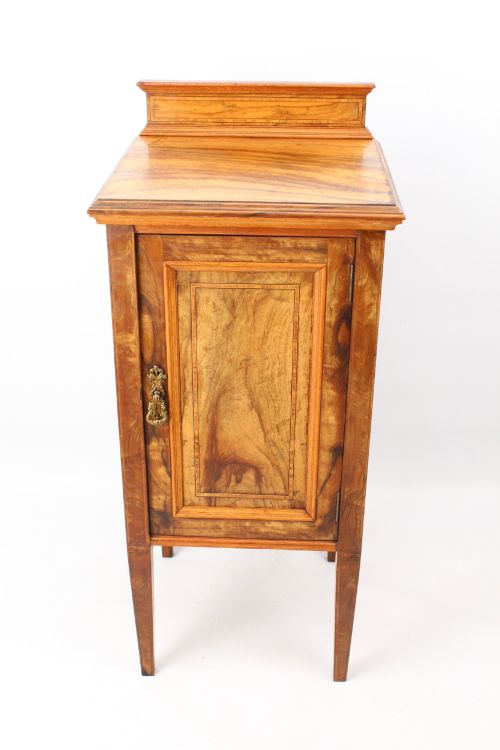
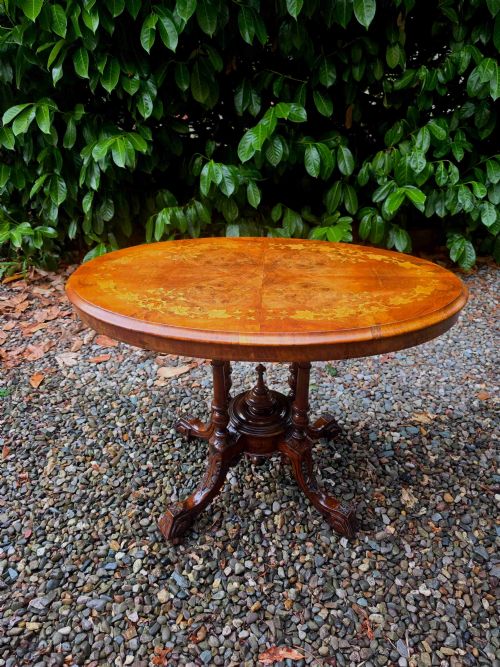
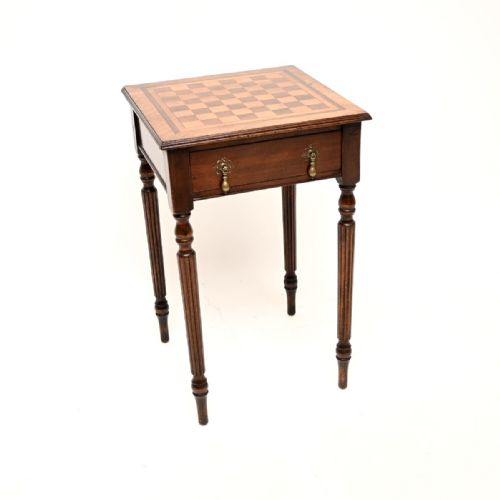
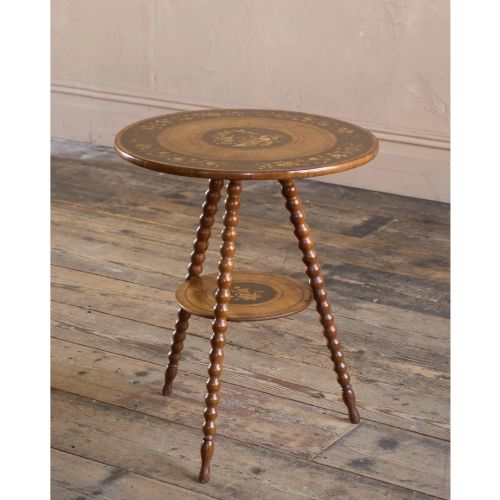
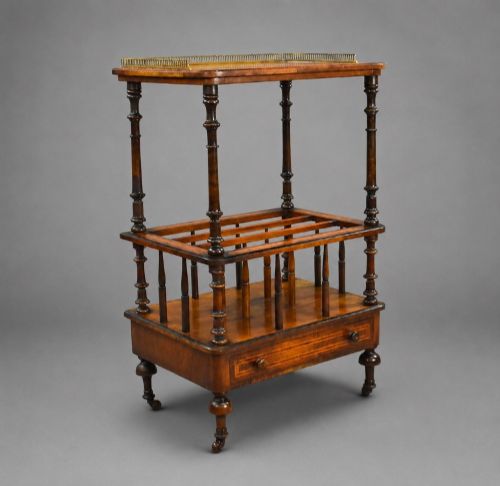
An edwardian inlaid walnut table appears primarily in forms designed for specific domestic tasks, such as writing desks, occasional surfaces, games tables, and centre tables. These pieces combine compact proportions with decorative timber surfaces.
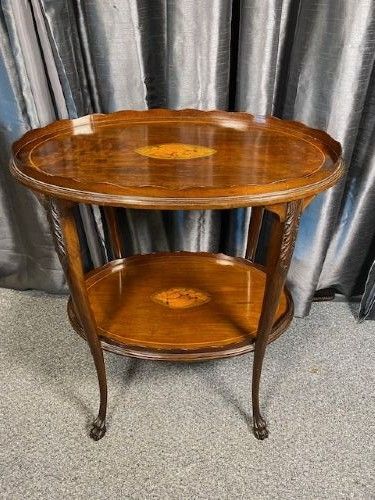
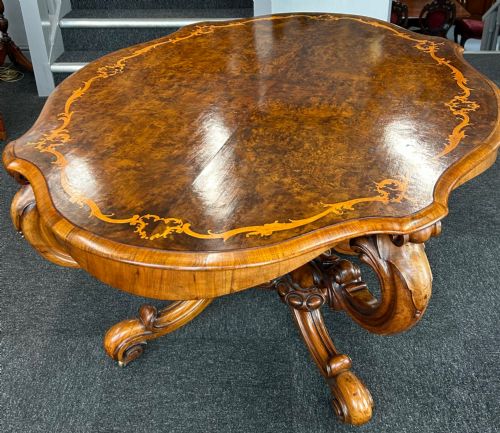
The pieces on this page span the Edwardian period alongside Victorian and later nineteenth-century examples, reflecting a continuity of cabinet-making traditions. Buyers encounter varied formats ranging from oval occasional stands to freestanding centre pieces.
What Varies in Quality
The standard of an edwardian inlaid walnut table rests upon the crispness of the marquetry and the choice figure of the walnut veneer. Superior examples display tightly matched grain patterns and finely executed pictorial or linear inlays.
Construction methods determine durability, visible in the tightness of veneer joints and the stability of turnings or legs. Finer workshops employed thicker timbers and more complex internal framing for folding tops and drawers.
Tables hide clever folding compartments for cards and stationery, built for polite evening entertainment.
Gill and Reigate·Maple and Co
The Edwardian Inlaid Walnut Table Glossary
- Burr walnut
- A figured timber obtained from walnut tree growths, valued for its swirling grain patterns. It provides a highly decorative surface for tabletops.
- Marquetry
- The art of forming decorative patterns by fitting together small pieces of wood veneer. Artisans use contrasting timbers like boxwood and satinwood to build motifs.
- Ormolu
- Gilt-bronze mounts applied as decorative accents to furniture edges or corners. This material appears on select high-status tables.
- Occasional table
- A small, movable stand designed for light domestic use rather than a singular fixed purpose. These pieces serve beside seating or in hallways.
- Centre table
- A freestanding piece finished on all sides to stand away from walls in the middle of a room. These often feature elaborate top surfaces.
Edwardian Inlaid Walnut Table: Frequently Asked Questions
What is an edwardian inlaid walnut table used for?
These tables provide practical surface areas for lamps, writing, or display within living spaces and reception rooms. Specific variants accommodate card games or stationery storage.
Their domestic utility matches their decorative presence, combining functional drawers or folding leaves with figured timber tops.
How do I care for walnut furniture?
Walnut benefits from consistent indoor humidity and protection from direct sunlight to prevent veneer drying or fading. Regular dusting with a soft cloth maintains the polished finish.
Avoid placing damp items directly onto the timber surface to protect the polish and underlying wood.
How can I tell Edwardian pieces from Victorian ones?
Edwardian furniture generally exhibits lighter proportions and brighter interior woods like satinwood compared to darker Victorian equivalents. Stylistic influences lean towards refined neoclassical revivals rather than heavy historicism.
Drawer construction and secondary timbers also offer clues, though cabinet-makers frequently maintained traditional joinery methods across both eras.
Are these tables suitable for everyday use?
The sturdy construction of walnut and hardwood frames allows these pieces to withstand normal daily routines. Care should be taken with folding mechanisms on games or card tables.
Using coasters and protective pads preserves the antique polish against accidental marks and scratches.