

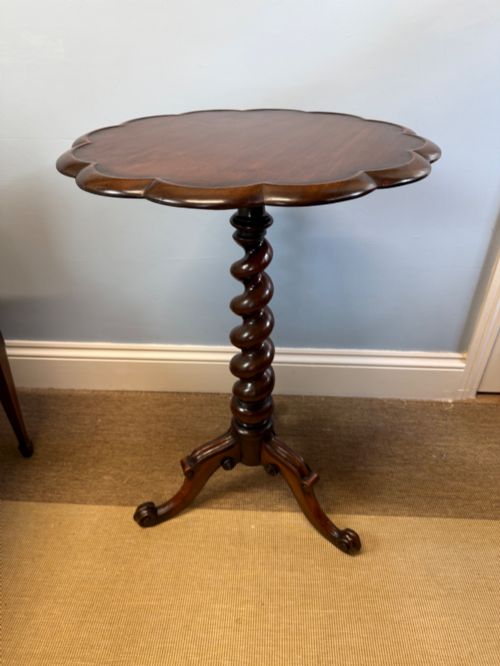
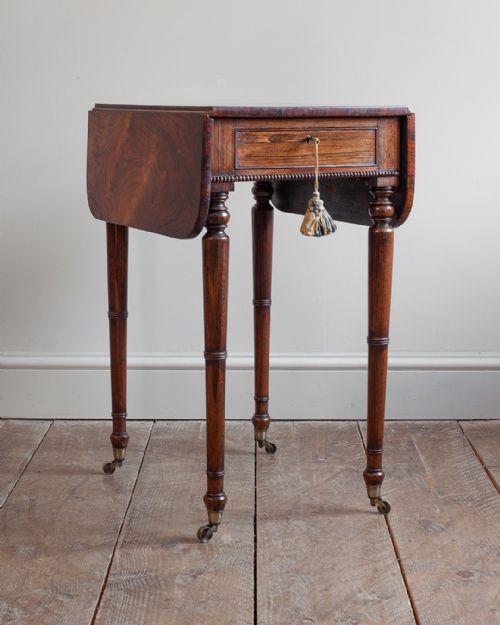
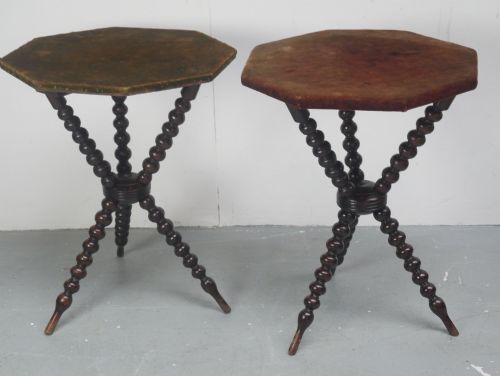
Victorian Wood Occasional Table
A victorian wood occasional table brings domestic warmth and craftsmanship into a room, serving as a versatile spot for lamps, books or tea.
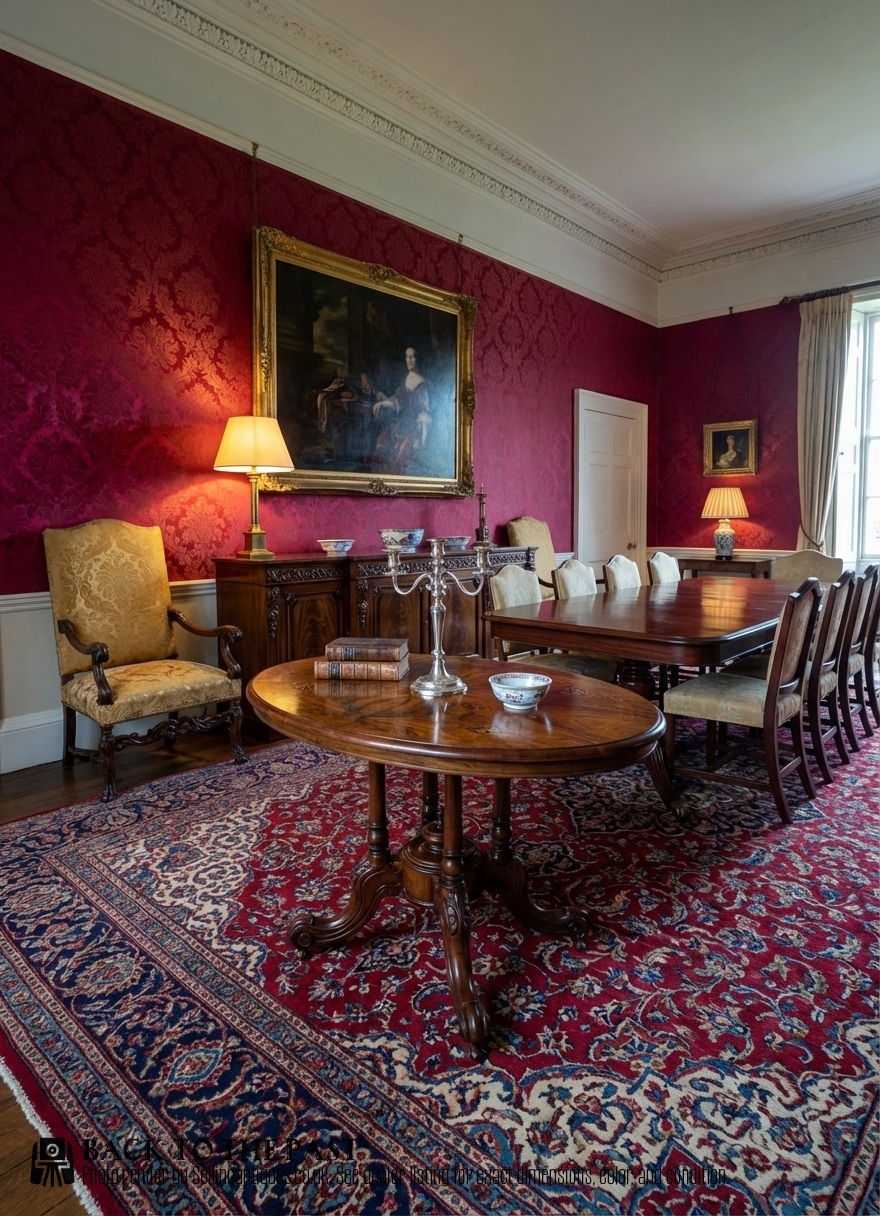
Victorian Wood Occasional Table
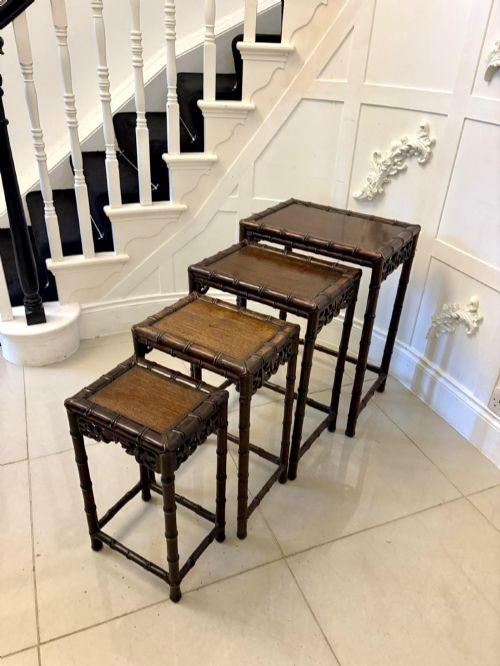
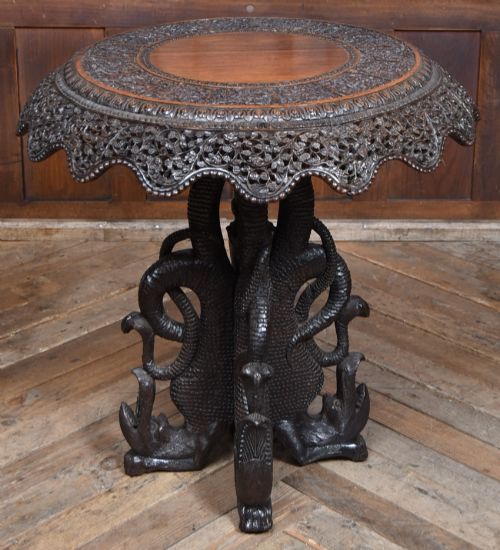
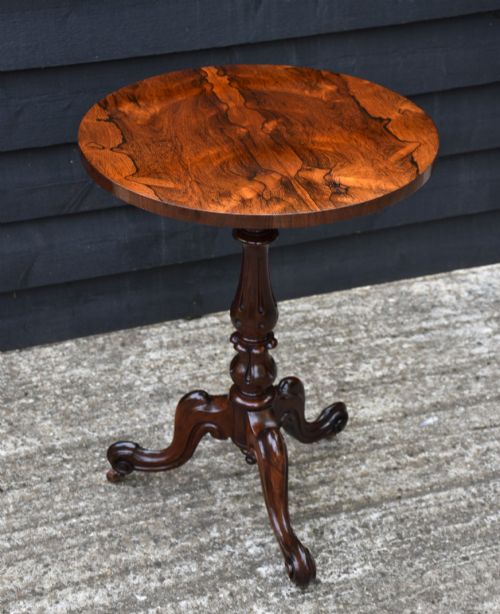
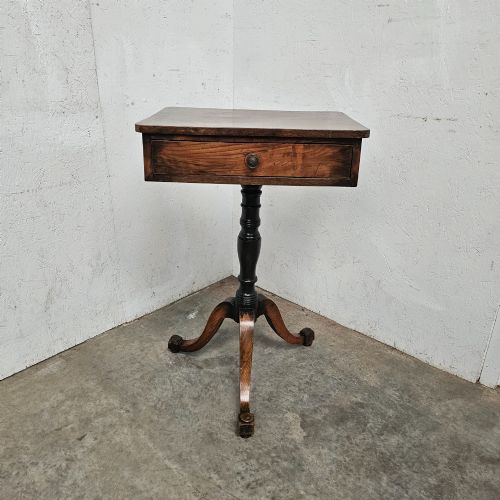
A victorian wood occasional table encompasses a diverse range of movable side furniture designed for specific domestic tasks or general placement around a room. The search phrase covers everything from compact wine tables and spider-legged lamp stands to larger marquetry-inlaid parlour pieces.
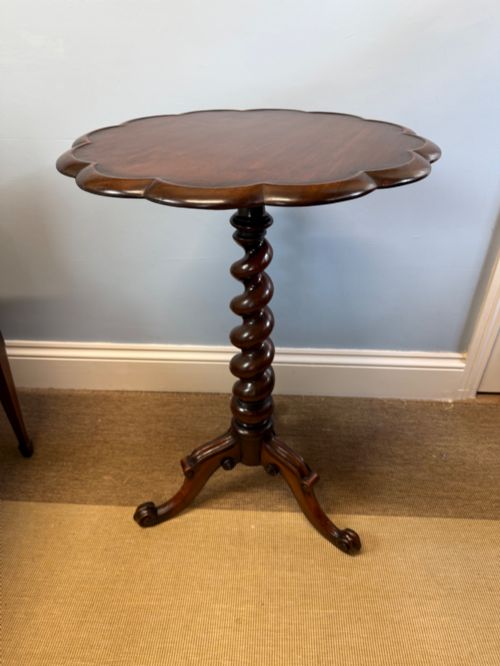
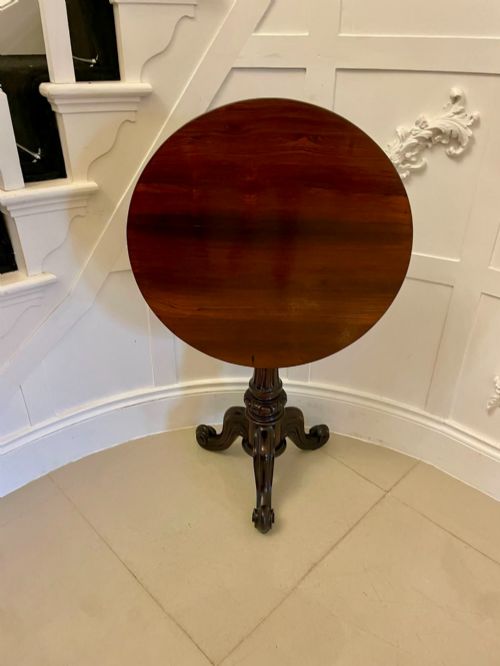
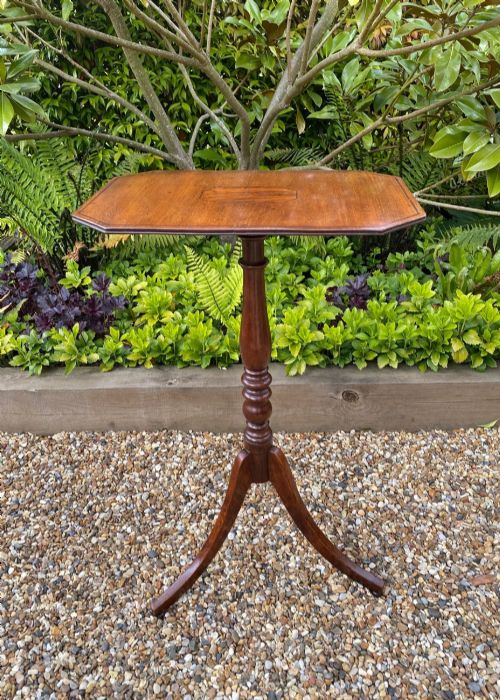
Buyers frequently encounter rosewood and mahogany examples dating from the mid to late nineteenth century, often featuring circular or octagonal tops supported by turned pedestals or tripod legs. These versatile pieces reflect the Victorian appetite for specialist furniture tailored to every corner of the home.
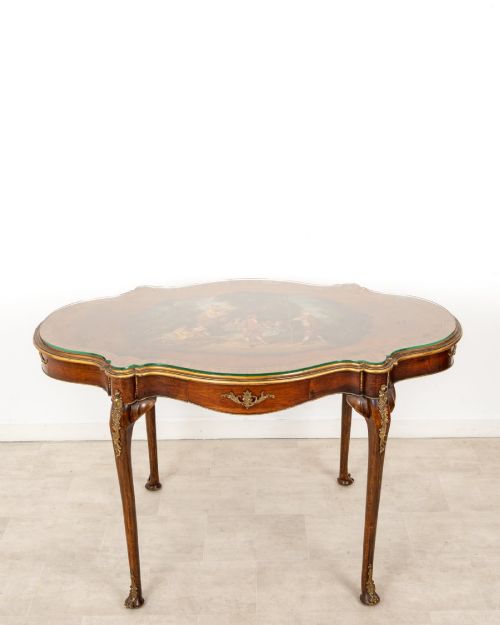
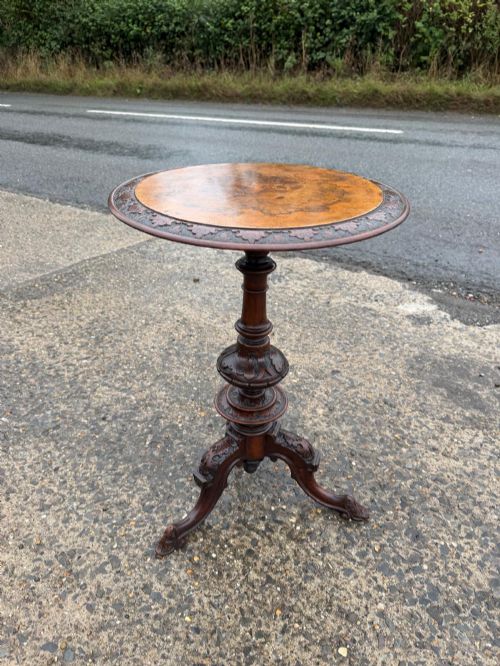
Forms span simple folding gipsy tables draped in fabric to elaborately inlaid satinwood and burr walnut creations intended for display. The variety reflects the differing social spaces of the period, from private boudoirs to formal drawing rooms.
Materials and construction methods
Makers relied on dense hardwoods such as mahogany, walnut and rosewood, often selected for rich natural figuring or enhanced with intricate marquetry and contrasting stringing. Timber was seasoned carefully and joined using traditional techniques like mortise and tenon or dovetails to ensure structural stability.
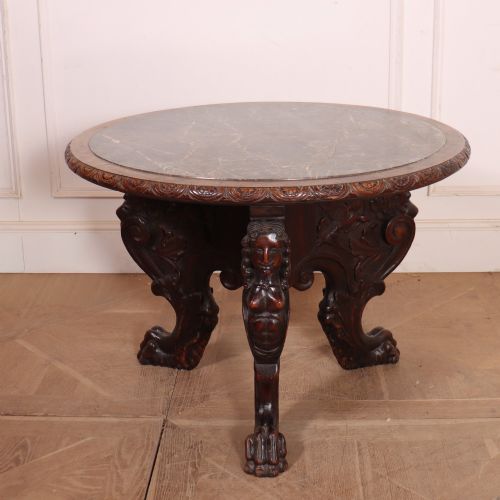
Turned pedestals, barley twist columns and carved tripod legs provided sturdy support for heavy marble or solid timber tops. Secondary woods like pine or oak were frequently used for internal framing and drawer linings.
Surface finishes involved layered French polishing, which brought out the deep chatoyancy of the wood grain while offering protection against daily wear.
Listings feature various woods including mahogany, walnut, rosewood, satinwood, oak and pitch pine across styles from Regency to Arts and Crafts.
Assessing quality and execution
Quality rests primarily on the selection of timber and the precision of decorative details, such as hand-cut inlay, brass mounts and turned woodwork. Superior examples exhibit tightly figured grain that matches symmetrically across the top.
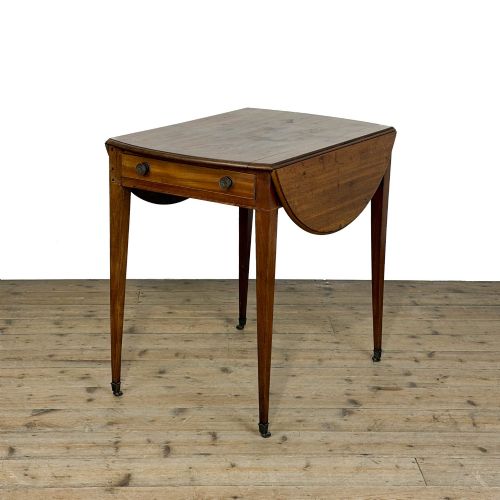
The underlying construction dictates longevity, with heavier, stable pedestals and tight joints separating better workshop production from utilitarian pieces. Finer iterations often integrate specialist mechanisms, such as tilt-tops or drop leaves, that operate smoothly without slack.
The Victorian Wood Occasional Table Glossary
- Marquetry
- The art of forming decorative patterns by fitting together small pieces of wood veneer, often incorporating diverse coloured timbers and exotic materials.
- Tilt-top
- A hinged table top that pivots to a vertical position when not in use, allowing the piece to be stored compactly against a wall.
- Tripod base
- A three-legged support structure commonly found beneath circular pedestal tables to ensure stability on uneven floors.
- Stringing
- Thin lines of contrasting wood inlaid into the surface of a piece to create geometric borders or panel outlines.
- Gipsy table
- A light, often circular occasional table traditionally draped with a floor-length textile cover, popular during the late nineteenth century.
Victorian Wood Occasional Table: Frequently Asked Questions
What is a victorian wood occasional table used for?
These pieces served multiple functions in the nineteenth-century home, acting as convenient surfaces for holding reading lamps, decorative ornaments, writing materials or tea service.
Today, they adapt readily to modern interiors as bedside stands, hallway drop spots or secondary living room tables.
How do I distinguish mid-Victorian from late Victorian tables?
Mid-Victorian examples often showcase rich rosewood or mahogany with heavy pedestal bases, deep mouldings and classical proportions rooted in earlier design traditions.
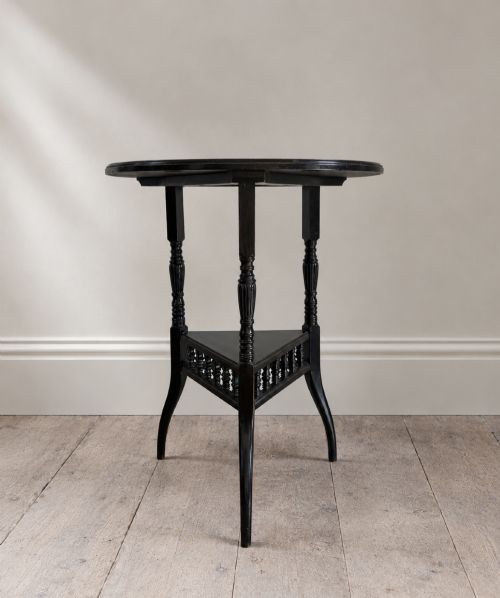
Late Victorian versions frequently embrace lighter satinwood, ebonised finishes, or artistic influences from the Aesthetic Movement and Arts and Crafts styles.
Are tilt-top tables stable?
Tilt-top mechanisms were engineered to lock securely into the horizontal position via a wooden catch or brass peg beneath the surface.
When properly adjusted, a quality mechanism holds the top firm with minimal wobble during normal daily use.
How should I care for a antique wood table?
Keep the timber away from direct heat sources and strong sunlight to prevent the wood from drying out or the polish from fading.
Dust regularly with a dry cloth and occasionally feed the surface with traditional beeswax to maintain the lustre of the French polish.