


Edwardian Desk Accessory
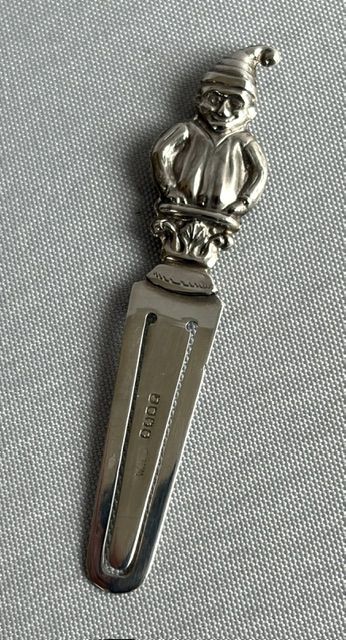
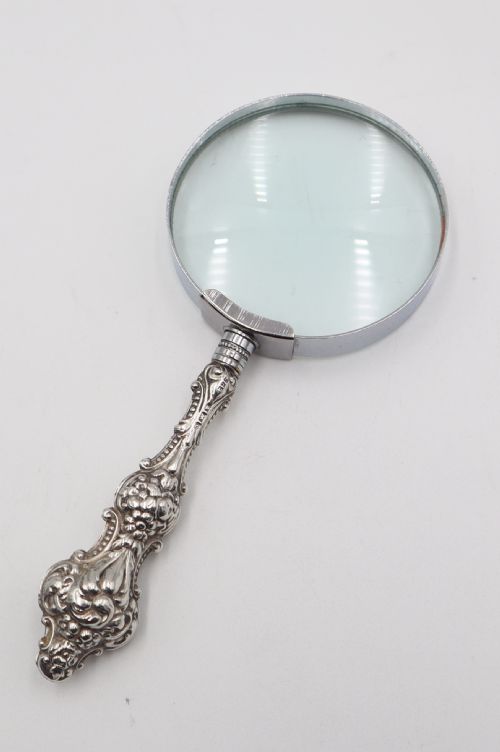
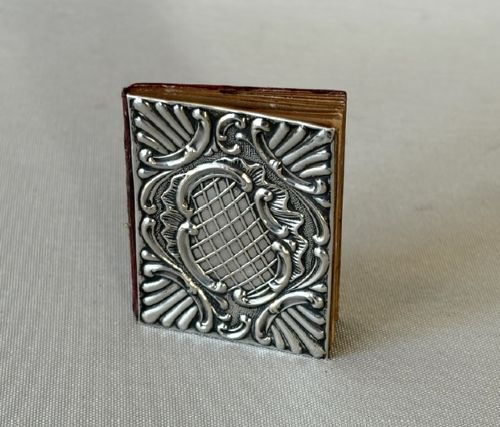
An edwardian desk accessory brings functional elegance to a workspace through period craftsmanship in silver, brass, and carved oak.
Edwardian Desk Accessory
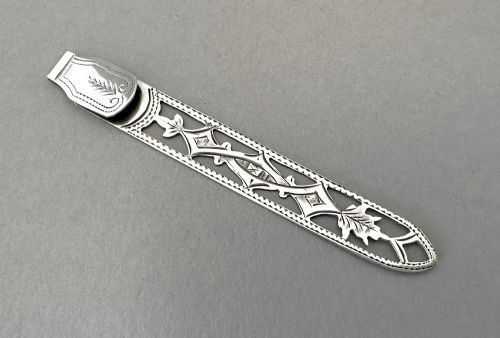
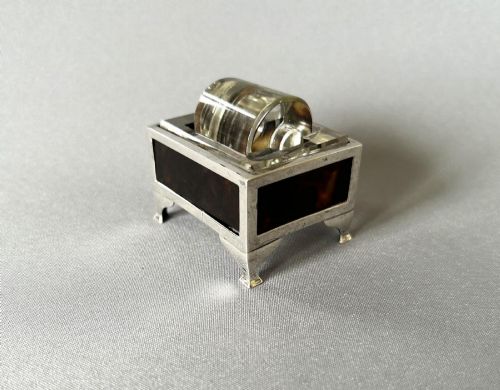
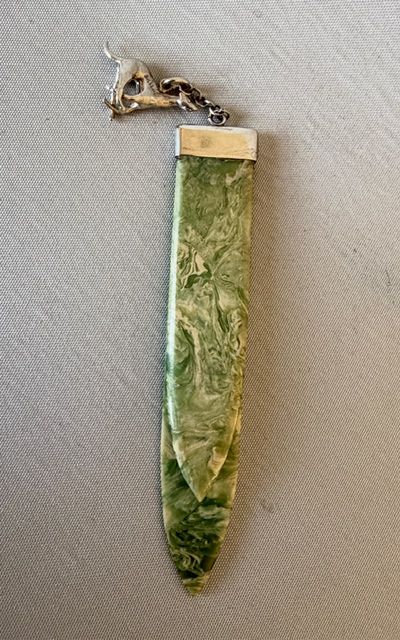
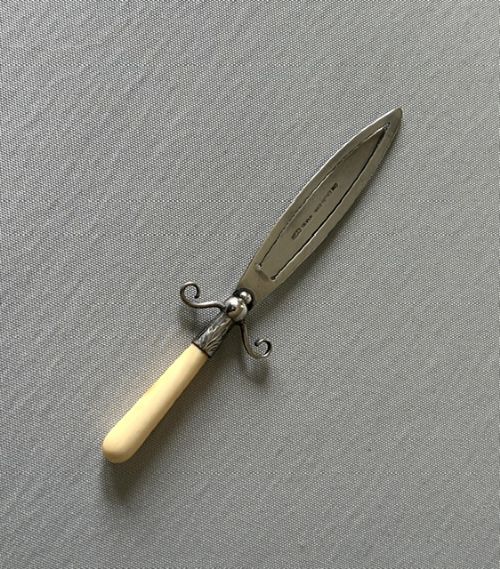
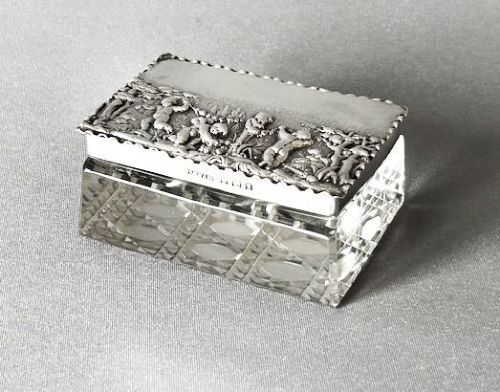
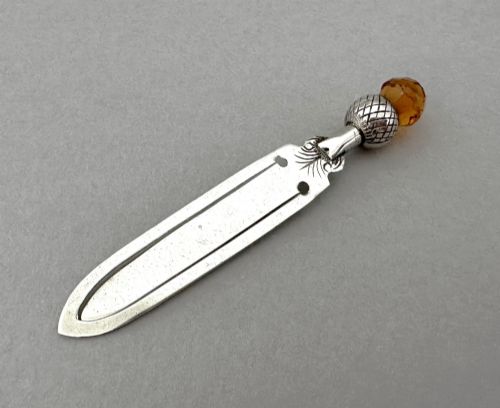
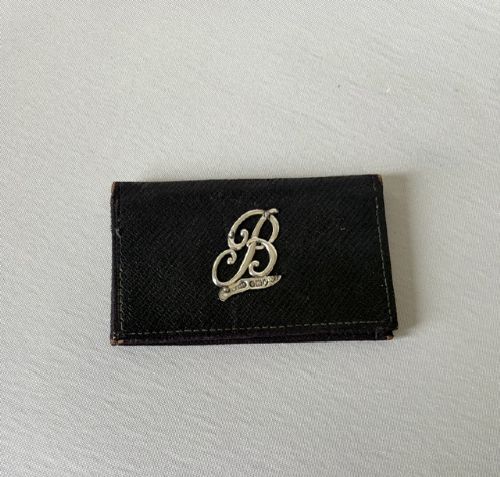
An edwardian desk accessory encompasses practical objects designed for writing tables, libraries, and studies during the early twentieth century. The selections available typically include sterling silver inkwells, tortoiseshell page turners, stamp cases, and carved wooden bookends from the Edwardian period and adjacent decades.
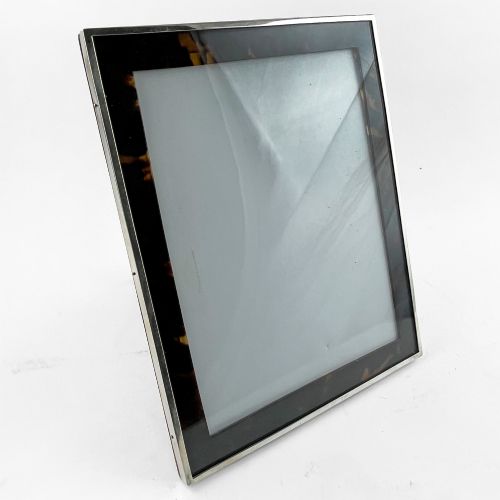
The assortment spans utilitarian writing aids and decorative desk furniture produced in styles ranging from Arts and Crafts to Art Nouveau. Buyers encounter items made to organise correspondence, hold writing implements, or display photographs within period interiors.
How they were made
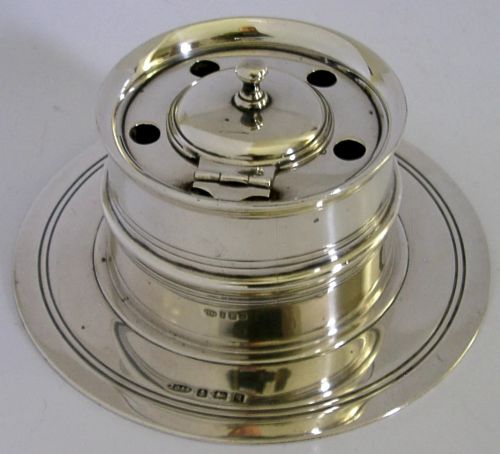
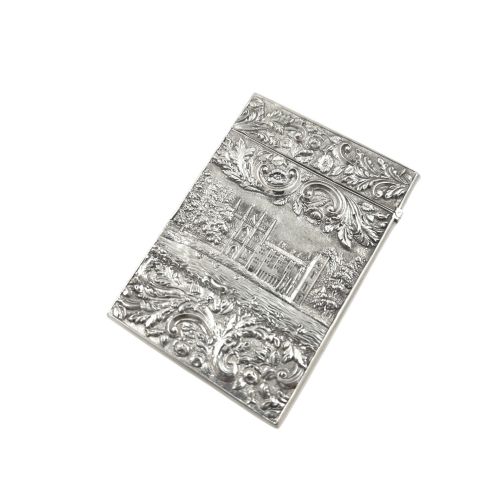
Silversmiths utilised sterling silver and silver plate for inkwells, match strikers, and stamp cases, often combining the metal with glass, tortoiseshell, or mother-of-pearl. Casting, chasing, and mounting techniques allowed makers to produce intricate details such as capstan inkwells and novelty wax seal holders.
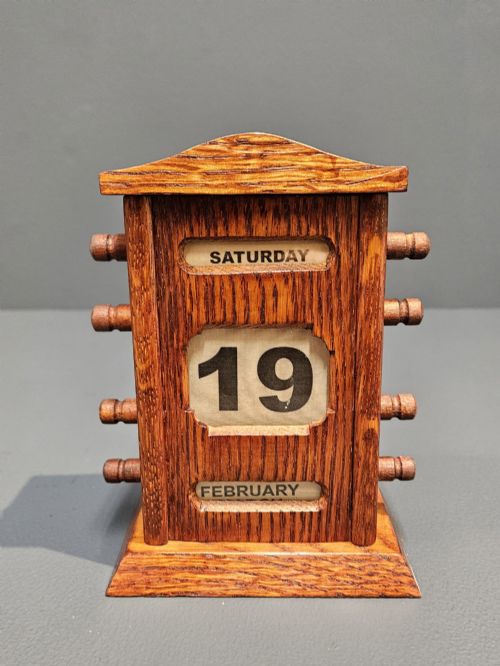
Woodworkers shaped oak, mahogany, and dark woods into perpetual calendars, book troughs, and smoking cabinets, frequently mounting them with brass fixtures. Carvers produced wooden animal bookends and stands, while bronze and brass were cast into desk calendars, magnifying lenses, and figural inkwells.
Edwardian Desk Accessory Retail Price Guide 2026
Typical asking prices for edwardian desk accessory among the pieces listed under this phrase on Sellingantiques today, from the lower quarter to the upper quarter. They describe what is for sale here now, not the wider market.
Among the functional inkwells and calendars, a bronze grotesque creature and a novelty jester sealing wax holder wait to guard the correspondence.
What varies in quality
The standard of an edwardian desk accessory depends upon the weight of the metal utilised, the crispness of the cast ornamentation, and the preservation of delicate organic materials like tortoiseshell and mother-of-pearl. Substantial gauge silver and robust oak construction distinguish superior pieces from lighter alternatives.
Makers' marks and hallmarks stamped by notable silversmiths provide documentation of origin and metal purity that elevates a piece. The integration of functional mechanics, such as fully working perpetual calendars or hinged inkwell lids with intact glass liners, determines the overall execution.
William Neale·Henry Matthews·Crisford And Norris·Sampson Morden·Walker And Hall·William Tonks·Arthur Simpson
The Edwardian Desk Accessory Glossary
- Capstan inkwell
- A desk inkwell shaped like a ship's capstan, widening toward the base for stability. This form frequently appears in sterling silver with glass inserts.
- Vesta case
- A small pocket or desk box designed to hold wax matches. These often feature hinged lids and striking surfaces.
- Page turner
- A long, flat implement made from materials such as tortoiseshell or silver-mounted pearl used for cutting and turning book pages. They form part of standard writing equipment.
- Perpetual calendar
- A desk calendar with adjustable cards, dials, or rollers to show the date for any year. Wooden and onyx examples survive from the early twentieth century.
Edwardian Desk Accessory: Frequently Asked Questions
What is an edwardian desk accessory used for?
These pieces served practical functions in correspondence, organisation, and study management during the early twentieth century. Items ranged from inkwells for writing to calendars and letter boxes for sorting mail.
Today, collectors utilise them on modern desks or display them as decorative examples of period metalwork and woodwork.
How do I identify an edwardian piece?
Authentic items display stylistic traits characteristic of the early twentieth century, including Edwardian, Arts and Crafts, and Art Nouveau designs. Hallmarks and date letters on silver components provide precise manufacturing years.
Materials such as heavy sterling silver, solid oak, brass, and tortoiseshell are typical of the period's production standards.
How do I care for silver and wood items?
Silver components require occasional gentle cleaning with appropriate polishes to maintain the metal finish without removing hallmarks. Wooden structures such as oak calendars and book trugs benefit from minimal exposure to direct heat and moisture.
Organic elements like tortoiseshell and mother-of-pearl should be kept away from harsh chemicals and direct sunlight.
Are these accessories still fully functional?
Many mechanical items, including perpetual calendars and letter boxes, remain operational. Inkwells often retain their original glass inserts, and magnifying glasses retain clear optical lenses.
Buyers should verify the working condition of hinges, pins, and moving parts before relying on them for daily use.