




Vintage Perpetual Calendar
A vintage perpetual calendar brings mechanical timekeeping and date tracking to a desk, offering an enduring piece of history that outlives daily paper sheets.
Vintage Perpetual Calendar
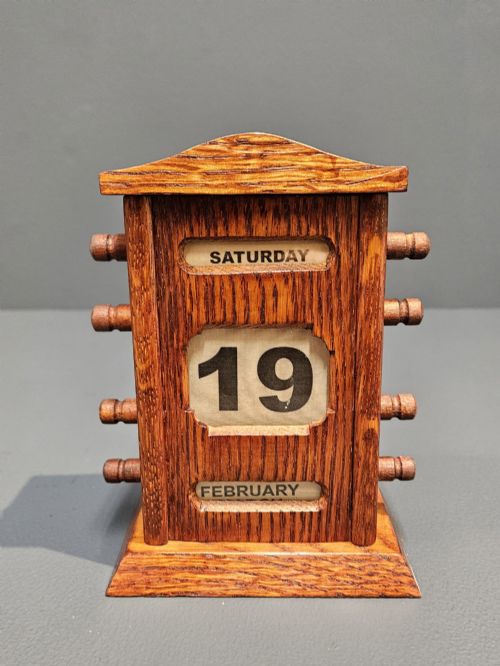
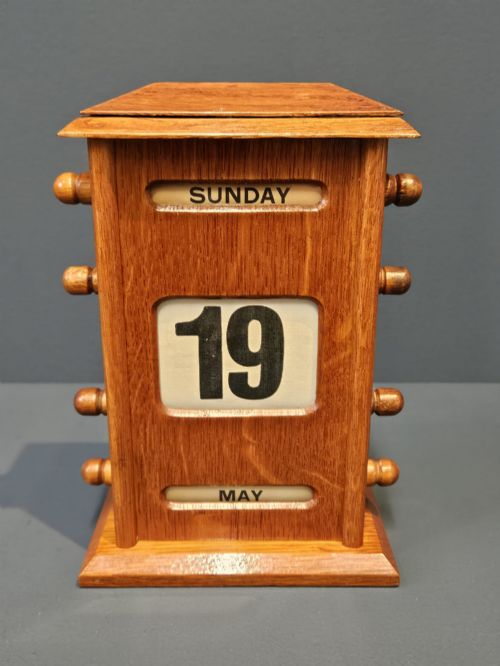
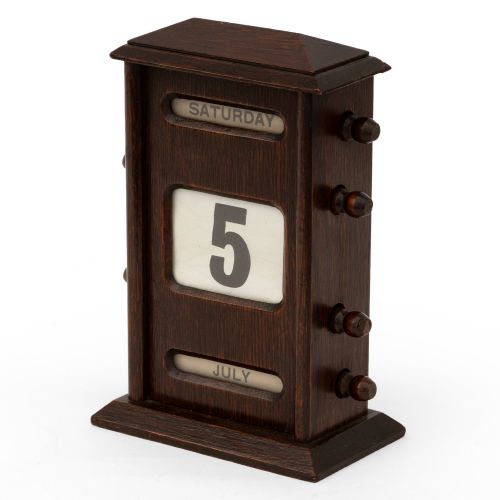
A vintage perpetual calendar is a functional desk accessory or wall calendar designed to display the changing days and months without needing replacement each year. When searching for a vintage perpetual calendar, buyers encounter pieces originating from the nineteenth century up through the nineteen-thirties.
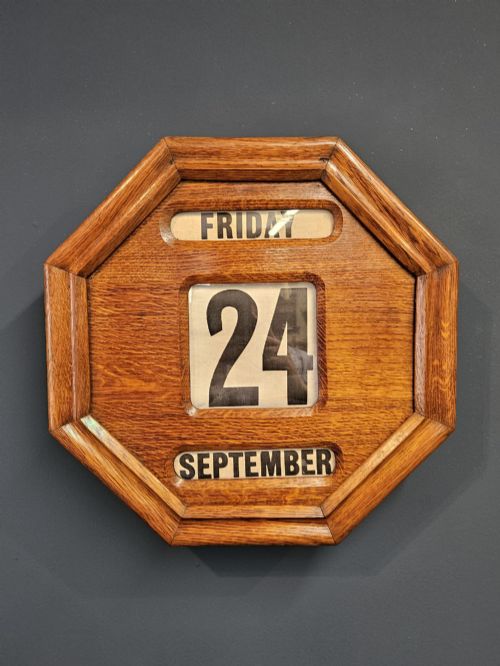
The selections available here span diverse historical periods including Victorian, Edwardian, and Art Deco designs. Most examples function as desk accessories, though wall-mounted variants also appear alongside stationery cabinets fitted with calendar mechanisms.
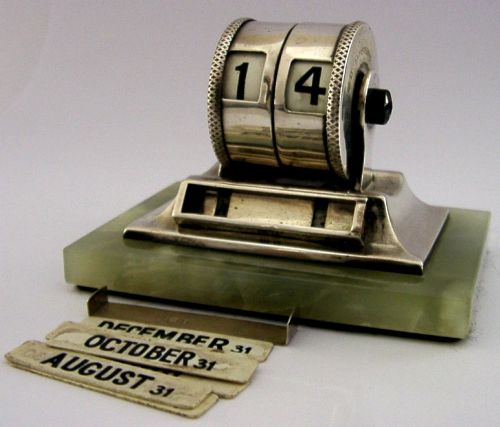
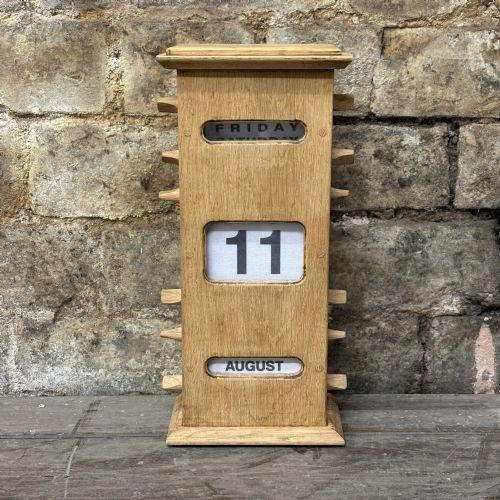
Makers and materials vary widely across these items, ranging from simple oak desk blocks to elaborate silver and onyx pieces. Buyers most frequently meet wooden and metal table models that reflect the dominant craftsmanship of their respective eras.
Materials and construction
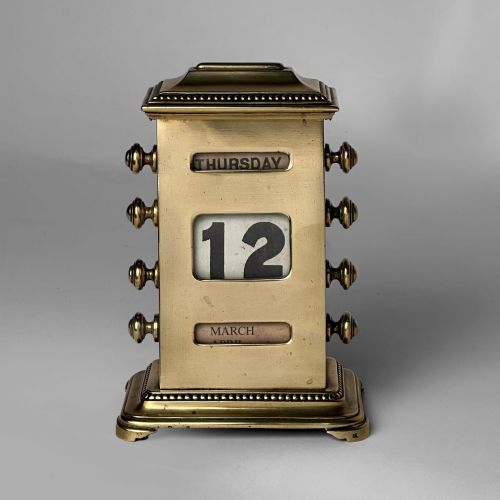
Craftsmen utilised robust woods such as oak and mahogany alongside metals including brass, silver, and cast brass. These materials formed the structural housings, frames, and backing boards for the rotating date drums and paper cards.
Specialised decorative elements involved tortoiseshell, green onyx, glass, and bakelite, often reflecting popular aesthetic movements like Egyptian Revival and Art Deco. Boulle work and intricate carving provided surface ornamentation on higher-end pieces.
Vintage Perpetual Calendar Retail Price Guide 2026
Typical asking prices for vintage perpetual calendar among the pieces listed under this phrase on Sellingantiques today, from the lower quarter to the upper quarter. They describe what is for sale here now, not the wider market.
The selection includes pieces spanning the nineteenth century, Edwardian era, and nineteen-thirties Art Deco period, constructed from oak, mahogany, brass, silver, and bakelite.
Assessing quality and design
Superior examples distinguish themselves through the quality of their materials and the precision of their mechanical components, such as smoothly operating metal drums or crisp lettering on paper panels. Heavy cast brass frames and matched gemstones like green onyx indicate a higher tier of production.
William Tonks of Birmingham·Asprey London
The Vintage Perpetual Calendar Glossary
- Perpetual calendar
- A mechanical device designed to show the day and date indefinitely by manually adjusting cards, rollers, or pointers. These systems remove the need for an annual calendar replacement.
- Boulle
- An elaborate form of marquetry employing brass and tortoiseshell inlaid into wood surfaces. This technique is typically seen on luxury nineteenth-century and Edwardian desk accessories.
- Art Deco
- A design style popular during the nineteen-twenties and thirties characterised by sleek geometric shapes and streamlined forms. Items from this era often incorporate modern plastics like bakelite or polished stone.
- Stationery cabinet
- A desk box fitted with compartments for writing materials, frequently incorporating a calendar mechanism into the fall-front or top lid. These multifunctional pieces were staples of Edwardian and Victorian studies.
Vintage Perpetual Calendar: Frequently Asked Questions
How do perpetual calendars work?
These calendars rely on rotating drums, sliding panels, or paper cards that are manually advanced to show the correct day, date, and month. The mechanisms are engineered to accommodate varying month lengths without requiring complex gear trains.
Most vintage versions use simple thumb-turns or side knobs to rotate internal rollers, keeping the face aligned properly throughout the year.
Where were these calendars used?
They served as practical desk accessories in professional offices, libraries, and domestic studies throughout the nineteenth and early twentieth centuries. Larger variants were also produced as wall-mounted fixtures for communal rooms.
Their primary function was to provide an immediate, permanent date reference for correspondents and business owners before disposable paper pads became standard.
How do I care for a vintage calendar?
Keep wooden housings away from direct heat sources and strong sunlight to prevent timber splitting or fading of inlaid materials like tortoiseshell. Dust metal components gently with a soft cloth without using harsh chemical polishes that might strip original patination.
Handle the internal mechanical rollers with care when adjusting dates to avoid straining vintage paper cards or brass gears.
How do I date a calendar?
Stylistic indicators provide the clearest timeline, with heavy carving and dark mahogany suggesting Victorian or nineteenth-century origins. Streamlined geometries, green onyx, and bakelite point firmly towards nineteen-thirty Art Deco production.
Maker marks, silver hallmarks, and registered design numbers stamped onto the metal frames can also narrow down the year or decade of manufacture.