





Traditional Desk Organiser
A traditional desk organiser keeps correspondence and writing tools ordered, bringing tactile warmth and period character to a workspace.
Traditional Desk Organiser
A traditional desk organiser encompasses practical desk accessories designed to hold stationery, letters, and writing instruments in a tidy manner. The selections found here span the Victorian, Edwardian, and later periods, offering various utilitarian forms for everyday use.
Buyers frequently encounter oak stationery cabinets, letter racks, and inkstands constructed from durable timbers. These items reflect the functional needs of past offices and studies, providing dedicated compartments for papers and pens.
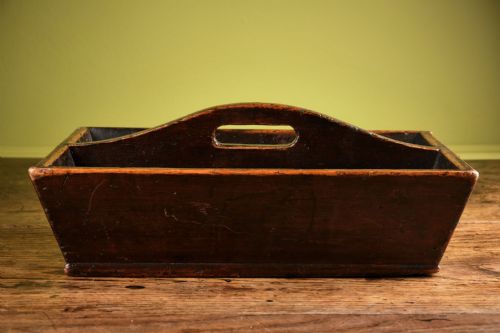
The objects range from simple wooden pigeon hole cabinets and pine trays to more elaborate carved mahogany waterfall tidies. Each piece demonstrates the specific storage requirements of historical writing desks.
How they were made
Construction relies heavily on solid timbers such as oak, mahogany, and pine, shaped through traditional woodworking and joinery techniques. Makers utilised hand carving for ornamental details, particularly visible in pieces originating from the Black Forest style.
Metal elements including brass are integrated for hinges, handles, and inkwell lids, adding both functional strength and visual contrast to the wood. Glass and bone frequently appear as supplementary materials for inkwells and decorative inlay work.
Traditional Desk Organiser Retail Price Guide 2026
Typical asking prices for traditional desk organiser among the pieces listed under this phrase on Sellingantiques today, from the lower quarter to the upper quarter. They describe what is for sale here now, not the wider market.
The listings show pieces spanning the nineteenth and twentieth centuries, utilising oak, brass, glass, pine, paper, carved wood, mahogany, and bone.
What varies in quality
Quality depends upon the selection of timber and the precision of the joinery used in the construction of compartments and drawers. Pieces exhibiting careful hand carving and well-fitted brass hardware stand apart from simpler utilitarian items.
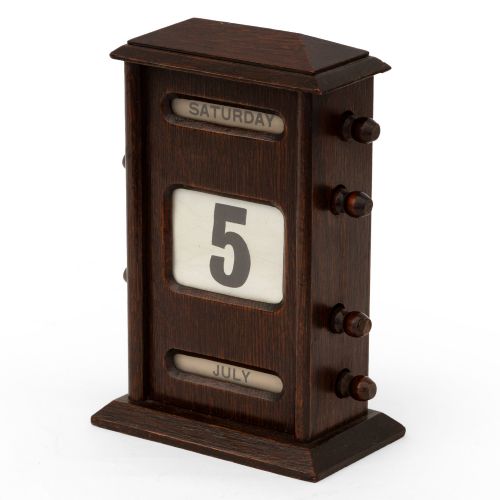
The integrity of original mechanisms, such as perpetual calendars or hinged inkstand lids, dictates the overall standard of preservation. Finer examples retain their complete fitted interiors and original glass or bone components without replacement.
The Traditional Desk Organiser Glossary
- Inkstand
- A portable stand or tray holding inkwells and pens for a desk. These often incorporate small drawers and matching candle holders.
- Stationery cabinet
- A small wooden cupboard with internal shelves or pigeon holes for storing writing paper and envelopes. They frequently feature locking doors and sloping fronts.
- Letter rack
- A desk accessory with upright divisions designed to hold incoming and outgoing mail. They appear in styles ranging from plain oak to carved Black Forest woodwork.
- Pigeon hole cabinet
- An open-fronted storage unit containing a grid of small rectangular compartments for sorting documents. They are typically wall-mounted or placed directly on a desktop.
- Standish
- An alternative term for an inkstand, often denoting a more elaborate desk accessory equipped for writing materials. These date primarily from the nineteenth century.
Traditional Desk Organiser: Frequently Asked Questions
What is a traditional desk organiser used for?
These pieces provide dedicated storage for letters, envelopes, pens, and inkwells on a writing desk. They keep loose paperwork sorted into categories and maintain a tidy workspace.
Historically, they managed the daily volume of handwritten correspondence before the widespread use of modern filing systems. Today, they serve a similar practical function while displaying period craftsmanship.
Are these desk organisers difficult to maintain?
Maintenance requires only basic care suited to antique wooden furniture and metal fittings. Regular dusting with a dry cloth and occasional application of appropriate wax preserves the finish.
Keeping the pieces away from direct heat sources and strong sunlight prevents the timber from splitting or warping. Glass and brass components can be gently cleaned with suitable non-abrasive solutions.
What timber was most commonly used?
Oak is the predominant timber found in these pieces, valued for its strength and prominent grain. Mahogany and pine also appear frequently in various regional styles and utilitarian items.
Makers selected these woods for their durability and suitability for daily handling in a study or office environment. The choice of timber often reflects the manufacturing period and the intended formality of the desk accessory.