


Dutch Tin Glaze Pottery
Dutch tin glaze pottery brings centuries of blue and white artistry to interiors through hand-painted chargers, vases and domestic vessels.
Dutch Tin Glaze Pottery
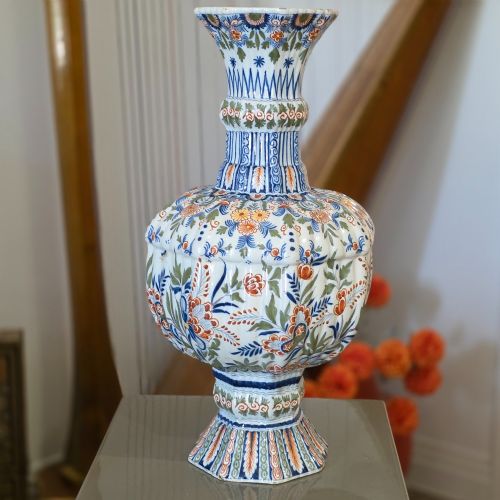
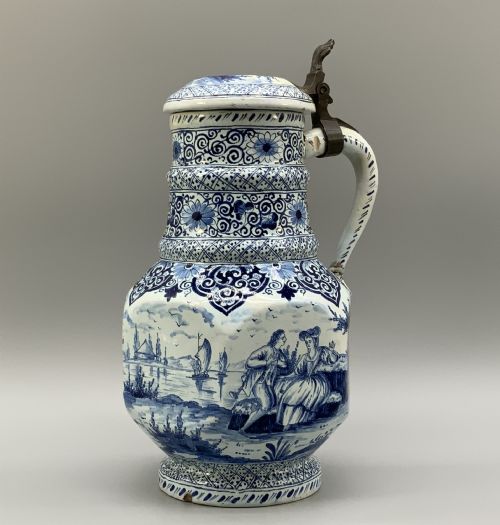
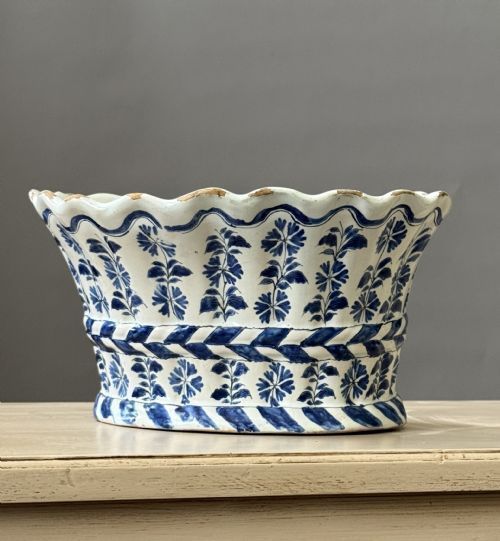
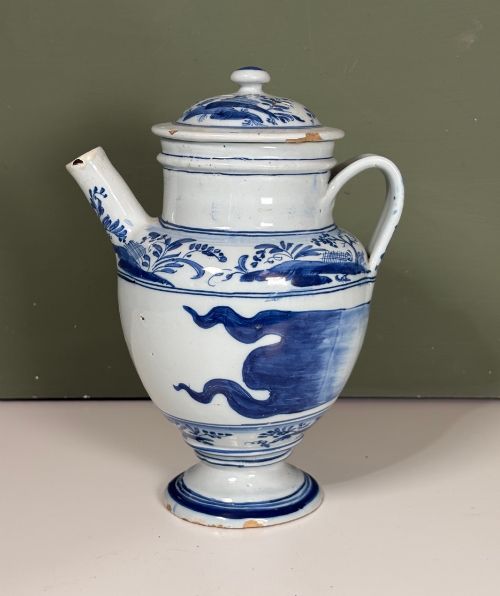
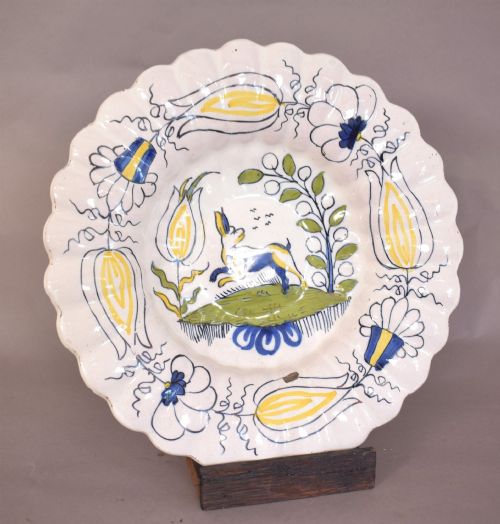
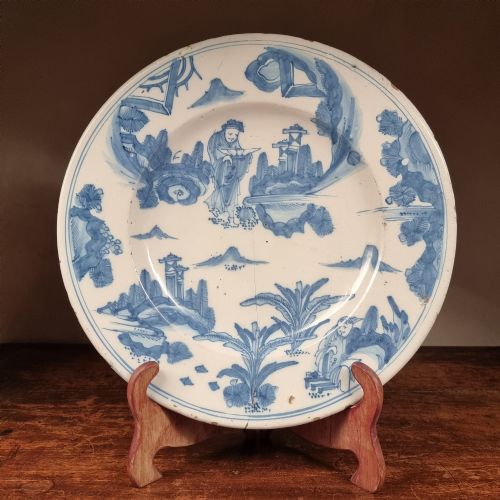
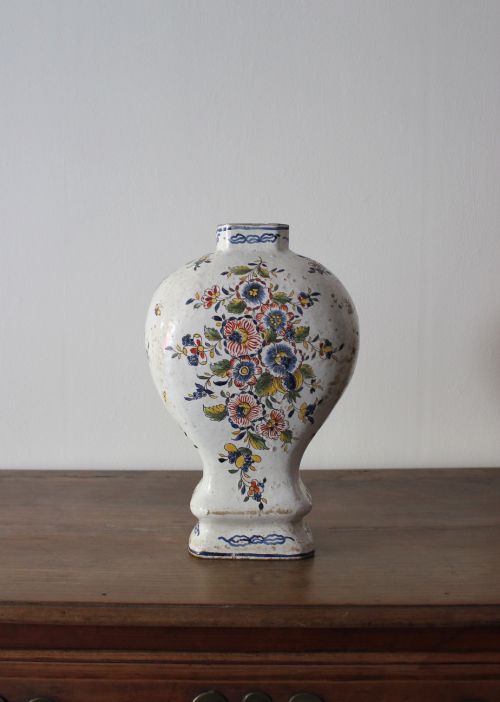
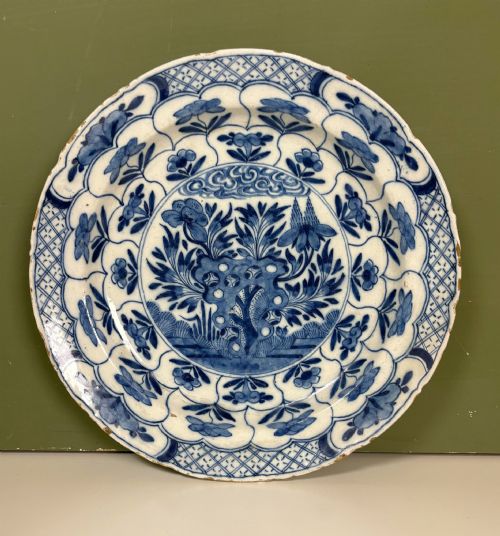
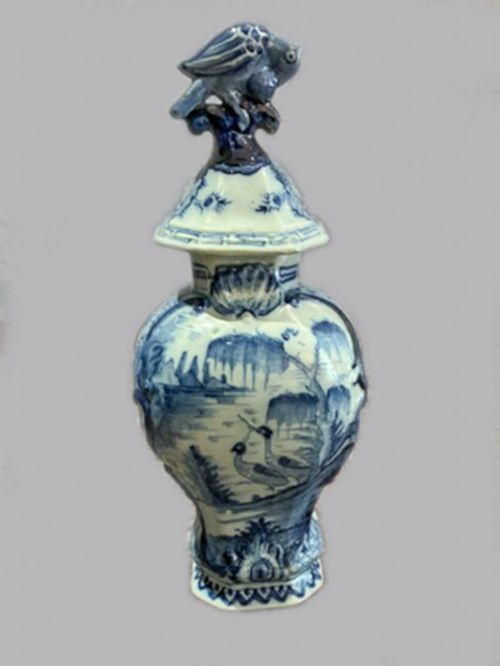
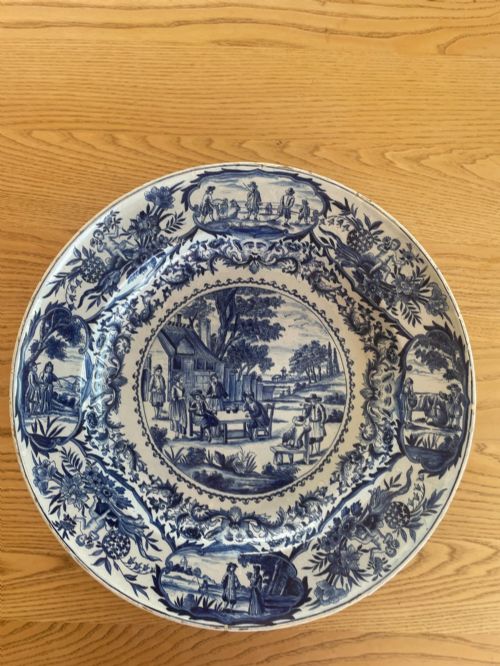
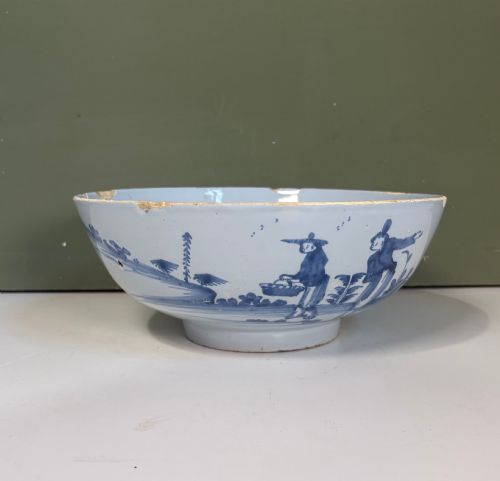
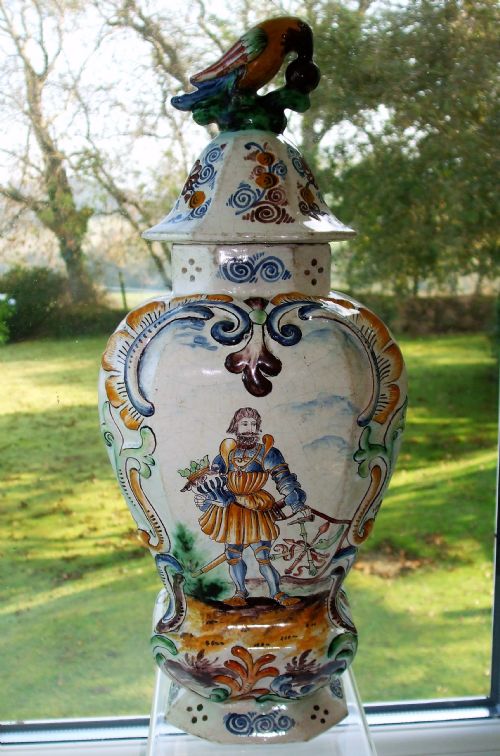
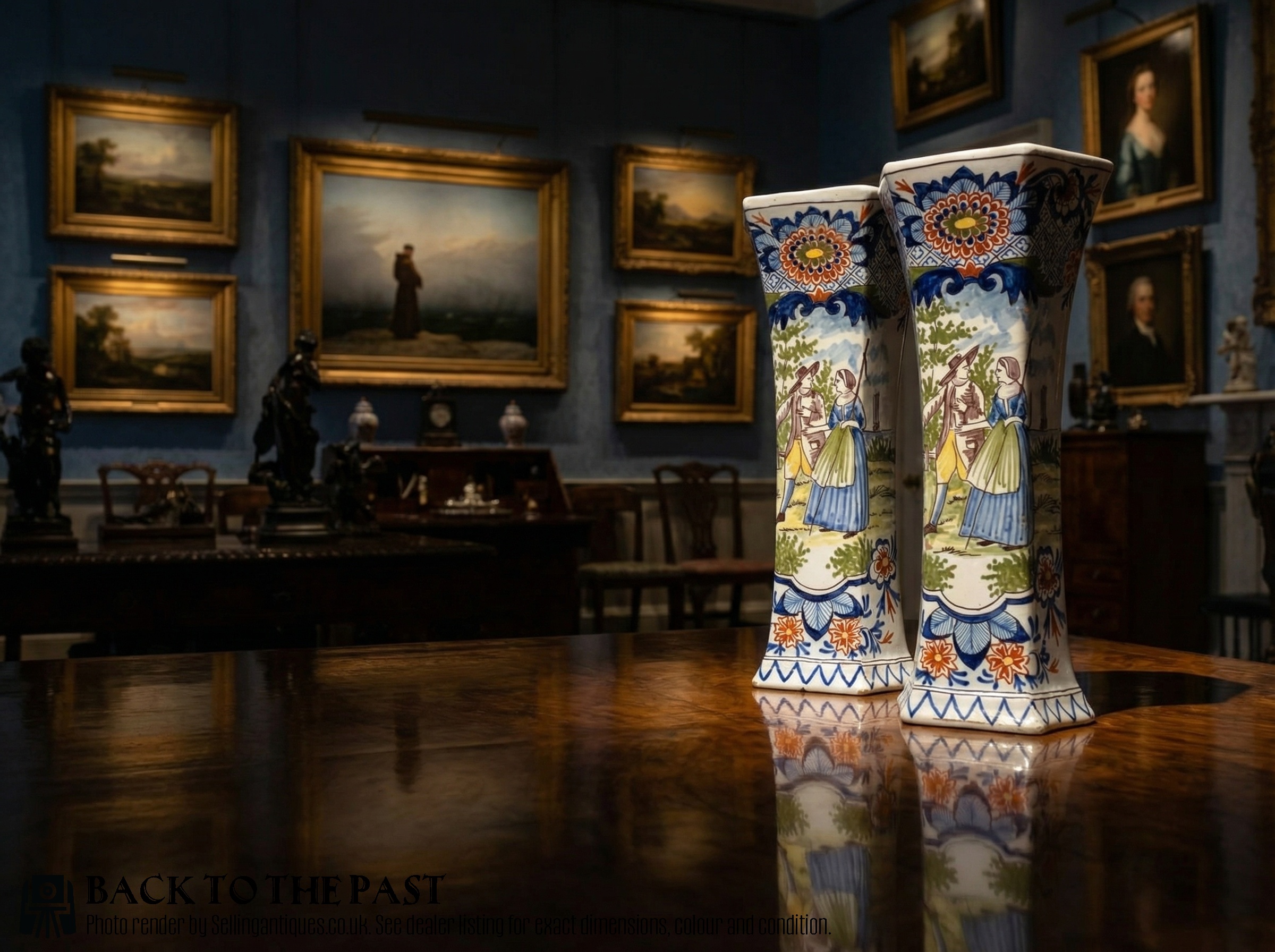
When you search for dutch tin glaze pottery, you encounter centuries of ceramic production spanning the seventeenth, eighteenth, and nineteenth centuries. The listings here comprise decorative chargers, wall plates, lidded vases, apothecary jars, and figural pottery such as cows and Toby jugs.
The most common items you meet on this page are chargers and vases from the eighteenth century, alongside seventeenth-century dishes and later nineteenth-century adaptations like table lamps. These pieces originate primarily from Dutch workshops influenced by imported Asian porcelain and local European tastes.
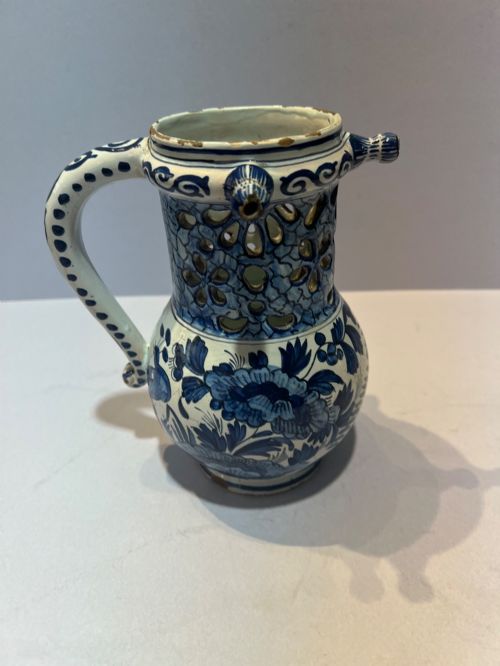
Forms range from simple blue and white shallow bowls to complex puzzle jugs, posset pots, and barber's bowls. Each object reveals how potters adapted tin-glazed earthenware for both decorative display and everyday use in historic interiors.
What varies in quality
The distinction between ordinary production and superior work rests entirely on the confidence of the brushwork and the clarity of the cobalt pigment against the white tin glaze. Master painters achieved fluid, dynamic lines in botanical or chinoiserie motifs, whereas lesser pieces display stiff, formulaic brushstrokes.
Proportion and glaze consistency also separate the finer examples, as well-potted vessels maintain balanced forms without excessive warping from the kiln firing. The depth of the blue colour and the density of the opaque white glaze dictate the visual impact of each dish or vase.
Current listings feature tin-glazed earthenware objects spanning the seventeenth century through to the late nineteenth century.
The Dutch Tin Glaze Pottery Glossary
- Charger
- A large decorative plate intended for display on a wall or sideboard rather than daily dining use. These wide earthenware dishes frequently display elaborate blue and white painted scenes.
- Tin-Glazed Earthenware
- Pottery covered with a ceramic glaze containing tin oxide, which fires to an opaque white finish. This technique formed the technical foundation for European delftware production.
- Cobalt Pigment
- A metallic oxide used by ceramic painters to produce deep blue decoration under the glaze. It reacts with heat to yield varying tones from soft grey-blue to intense dark cobalt.
- Apothecary Jar
- A ceramic container utilised by chemists and pharmacists to store dry drugs, herbs, or liquid medicines. These jars often feature inscribed labels amidst decorative painted scrollwork.
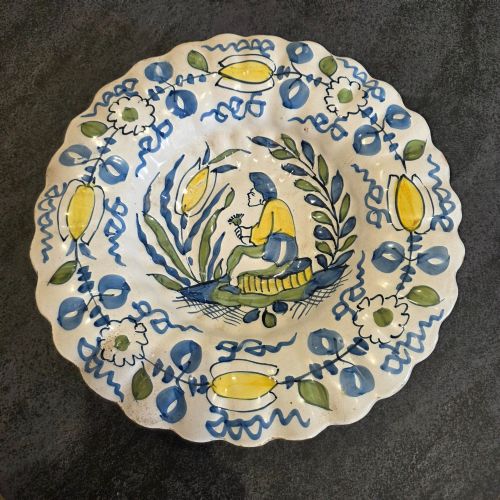
- Polychrome
- Decoration employing multiple colours alongside the standard blue pigment on tin-glazed earthenware. Artisans used manganese purple, green, yellow, and red to build complex pictorial surfaces.
Dutch Tin Glaze Pottery: Frequently Asked Questions
How do I clean my pottery?
Dust tin-glazed earthenware gently with a dry, soft cloth to protect the historic glaze surface from moisture damage.
Avoid immersing antique ceramic pieces in water or using modern cleaning detergents, as old earthenware bodies remain porous and fragile.
Can I use these vases for water?
Historic tin-glazed vessels should not hold water because centuries of micro-fractures in the earthenware body and glaze compromise their waterproof integrity.
Display these vases dry or utilise a hidden inner plastic liner if you wish to arrange fresh stems inside an antique piece.
What is a puzzle jug?
A puzzle jug is a specialised drinking vessel featuring perforated necks and trick spouts designed to confound drinkers at taverns.
Users had to cover hidden holes with their fingers to draw liquid through the hollow handle without spilling the drink.