
Decorative Bronze Centrepiece
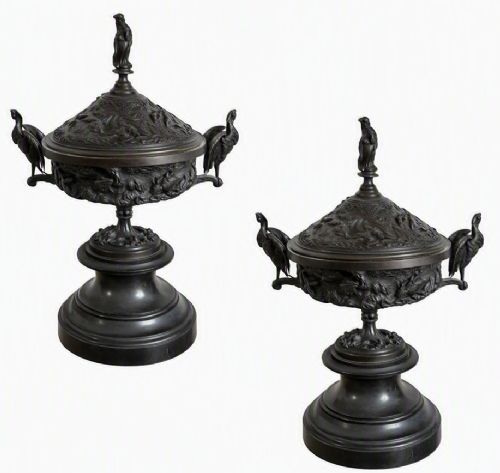
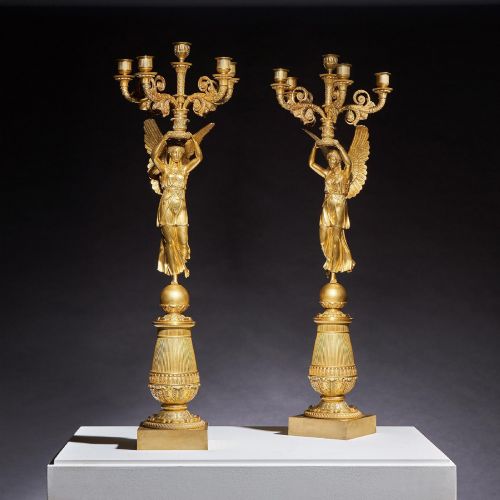
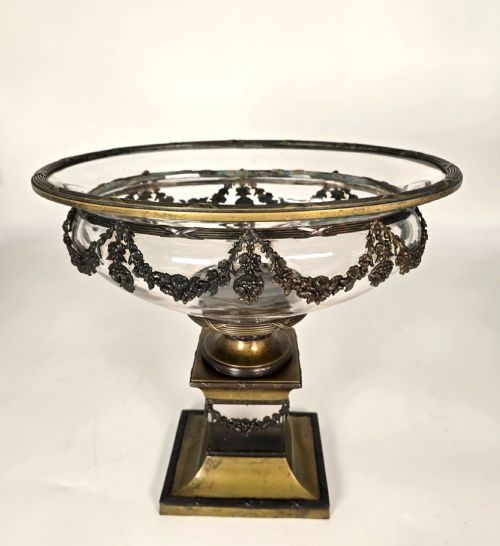
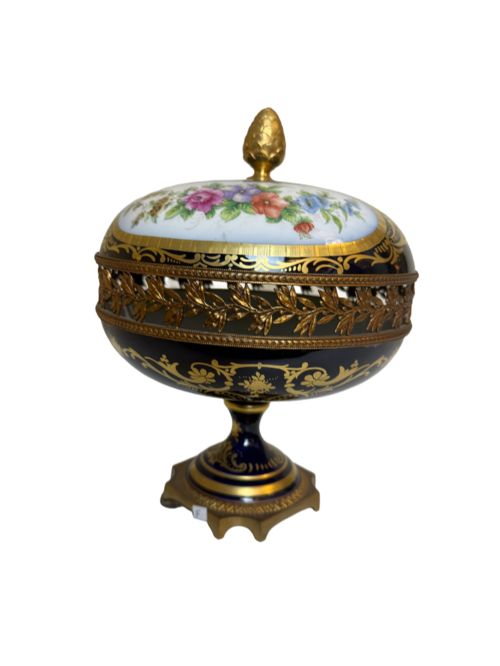
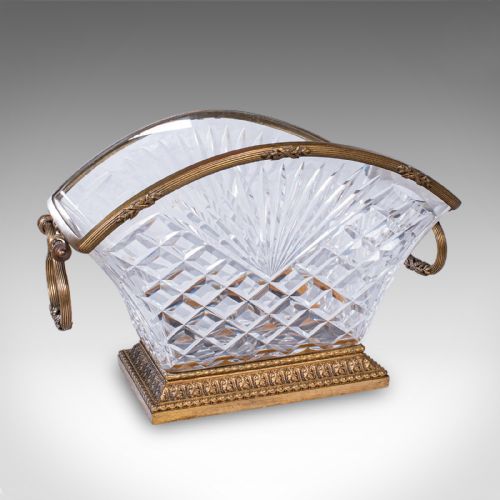
A decorative bronze centrepiece anchors a formal dining table or side cabinet, bringing heavy metalwork, glass and porcelain together in the French Empire or Rococo Revival taste.
Decorative Bronze Centrepiece
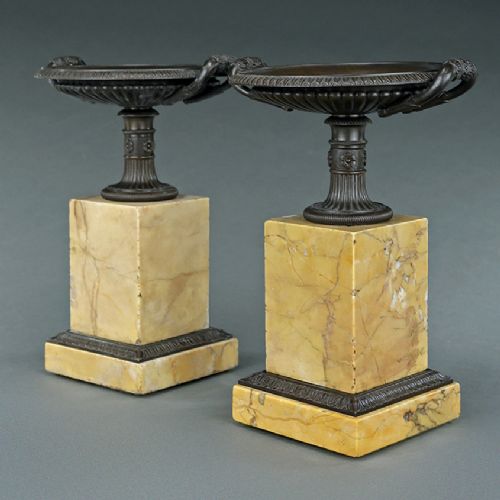
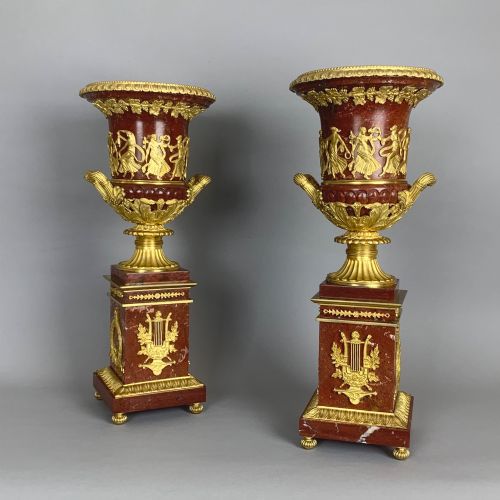
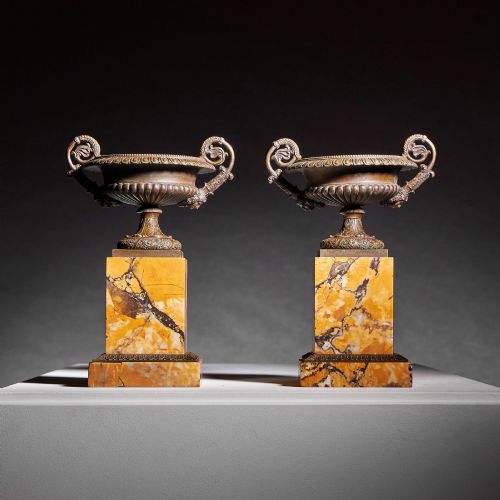
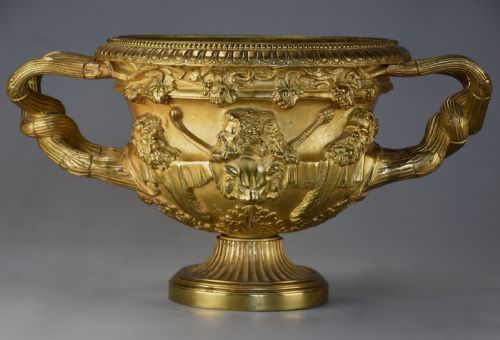
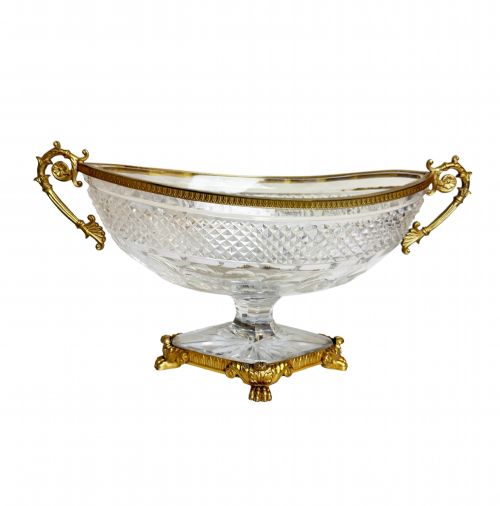
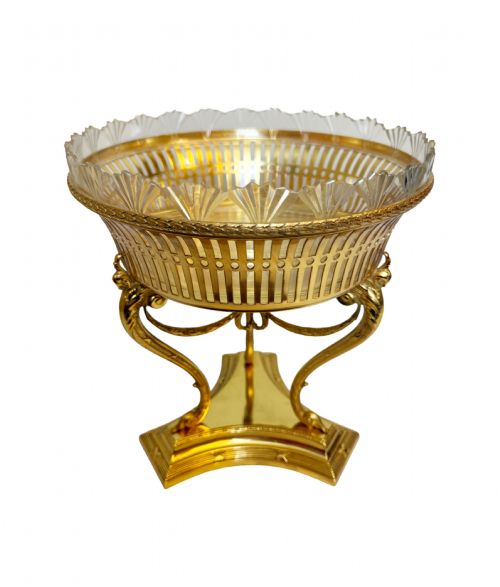
A decorative bronze centrepiece takes many forms across the nineteenth century, including tazzas, pedestal bowls, urns and mounted trays designed to sit in the middle of a room or table. You will frequently meet French examples from the eighteen-eighties incorporating classical styles like the Empire taste or Rococo Revival.
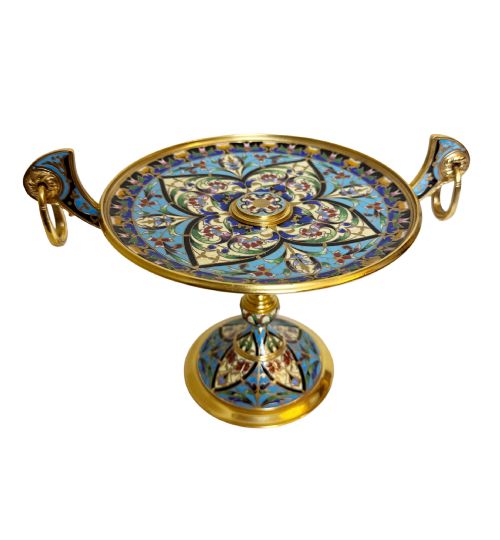
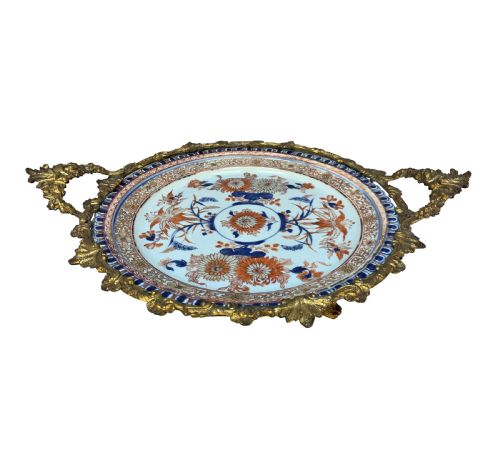
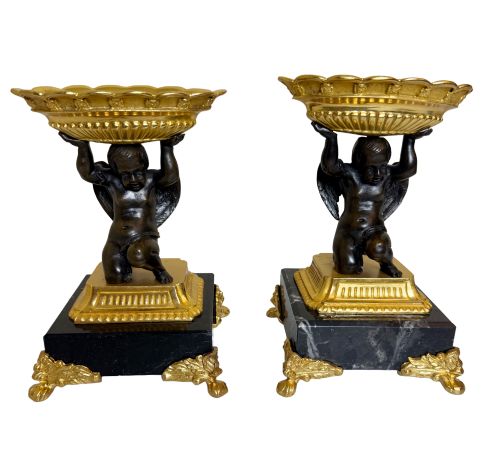
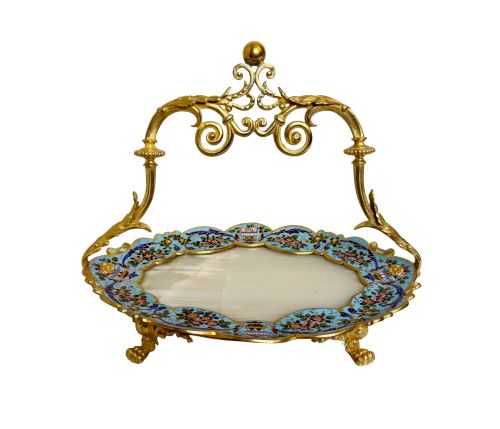
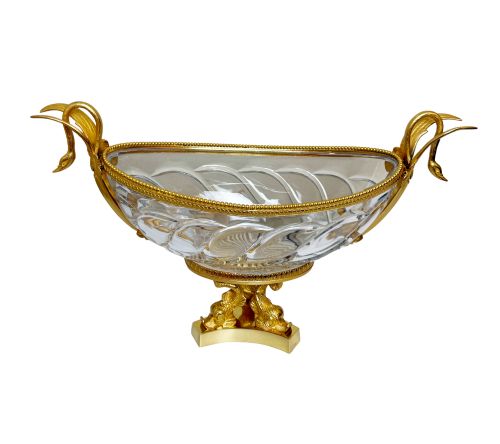
Many of these objects combine cast bronze or ormolu with contrasting materials such as marble, crystal glass, onyx and Sevres style porcelain. The selection ranges from patinated bronze fruit bowls supported by winged cherubs to large champleve enamel presentation pieces.
Makers and designers produced these works during the nineteenth century drawing on earlier classical models, including reductions of famous antiquities like the Warwick Vase. Their scale varies from intimate cabinet tazzas to heavy garniture pieces meant for grand reception rooms.
How they were made
Foundries cast these pieces in bronze, applying fire-gilding to create ormolu mounts or patinating the metal surface to achieve deep brown and green tones. Artisans then chased the cast details by hand to sharpen the foliage, figures and geometric patterns.
Makers combined the metalwork with turned white marble, green onyx, cut crystal glass and porcelain inserts. Champleve enamel cells were sunk directly into the bronze surface and filled with coloured vitreous pastes before firing and polishing.
Winged cherubs and exotic mermen frequently lurk beneath heavy fruit bowls, holding up the weight of nineteenth-century hospitality.
What varies in quality
The crispness of the hand-chasing on the bronze separates ordinary castings from exceptional ones. Sharp, deep detailing in the feathers, hair and acanthus leaves shows a master craftsman worked the metal after it left the sand mould.
The choice of secondary materials dictates the grade of the object, with heavy mounts of fire-gilt ormolu paired with flawless Sevres style porcelain, malachite, blue john or thick cut crystal representing the height of nineteenth-century production.
Jules Moigniez·Pierre Philippe Thomire
The Decorative Bronze Centrepiece Glossary
- Ormolu
- Gilt bronze created by applying a mixture of gold and mercury to a bronze base and heating it. This historic technique produces a rich, matte yellow gold surface.
- Tazza
- A wide, shallow cup or bowl raised on a high foot and stem. These stemmed dishes served as fruit bowls or decorative centrepieces.
- Champleve
- An enamelling technique where troughs or cells are hollowed out in the metal surface and filled with enamel powder. The piece is then fired until the glass melts.
- Garniture
- A set of matching ornamental objects for a mantelpiece or sideboard, usually consisting of three or five pieces such as urns, vases or candelabras.
- Comport
- A shallow dish or bowl on a foot used for serving fruit or sweets. They appear frequently in nineteenth-century porcelain and glass.
Decorative Bronze Centrepiece: Frequently Asked Questions
What is a decorative bronze centrepiece used for?
These pieces were originally placed in the middle of dining tables or upon large sideboards to display fruit, flowers or simply to demonstrate the wealth and taste of the household through fine metalwork.
In modern rooms, they function as striking focal points on dining tables, entrance consoles or large sideboards where their varied textures of bronze, marble and glass can be appreciated.
What is the difference between bronze and ormolu?
Bronze is a copper and tin alloy used as the foundational cast metal for these nineteenth-century decorative objects. It can be left with a dark patinated finish or chemically treated. N Ormolu is bronze that has been gilded with a layer of gold amalgam. This gives the metal a bright, buttery gold appearance that does not tarnish the way bare brass or bronze does.
Are glass inserts original to these bowls?
Many nineteenth-century centrepieces and tazzas were manufactured specifically to hold fitted glass bowls, crystal inserts or porcelain liners. These containers held water for flowers or served fruit.
Because glass is fragile, some surviving pieces have replacement liners made in later periods. Checking the fit and the wear patterns on the glass helps determine if it belongs to the original mount.