
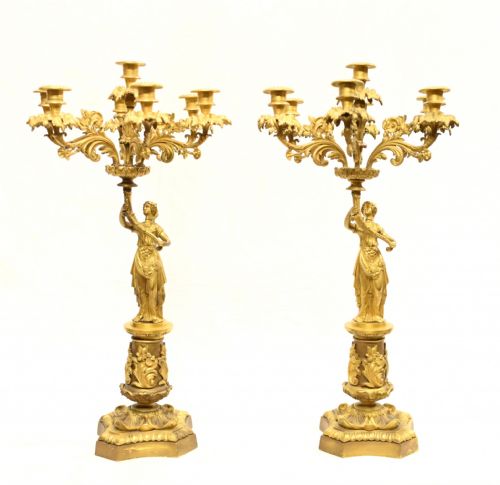


Rococo Revival Centrepiece
A rococo revival centrepiece is a flamboyant ornamental object designed to anchor a formal table, bringing exuberant scrolls and naturalistic detail to your room.
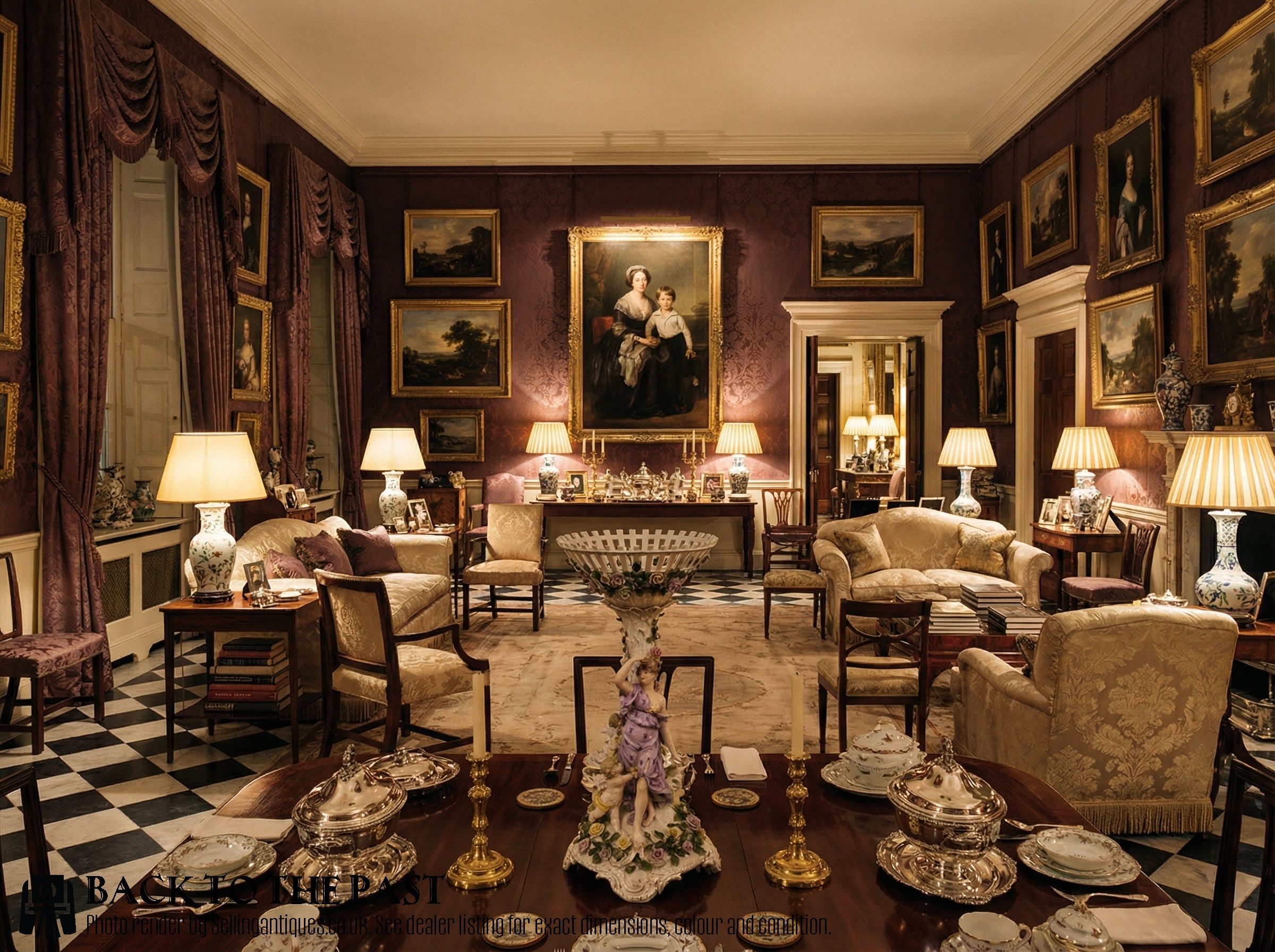
Rococo Revival Centrepiece
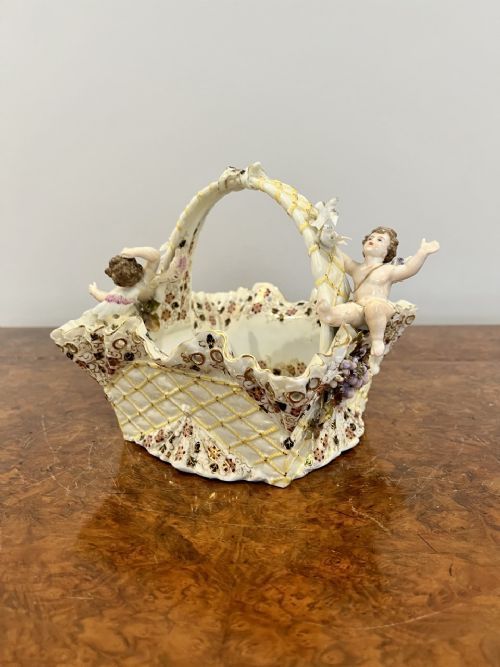
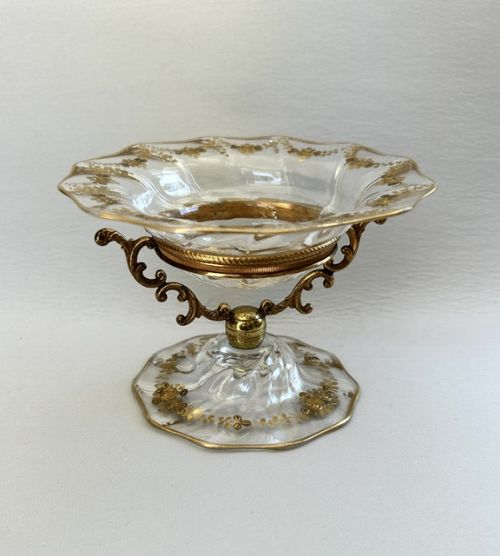
A rococo revival centrepiece brings together elaborate table ornaments, fruit baskets, and candelabras produced during the nineteenth and early twentieth centuries. When searching for a rococo revival centrepiece, collectors encounter a variety of forms including porcelain bowls, silver-plated stands, and bronze tazze. These pieces reflect the renewed interest in organic asymmetry and ornamental curves that characterised the Victorian and Edwardian eras.
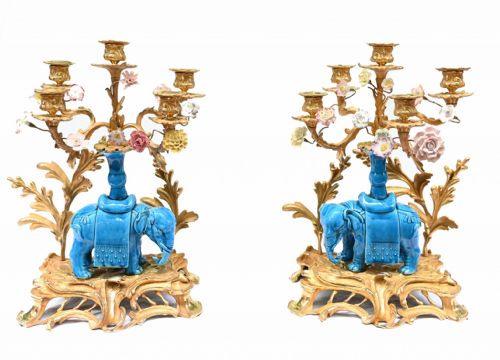
The selections span decades from the mid-nineteenth century to the early twentieth century, originating from workshops in Britain, France, Germany, and Austria. The most common manifestations on this page are porcelain baskets, figural candelabras, and decorative bowls featuring scrollwork and floral motifs. Each item serves as a dramatic focal point, continuing a long tradition of decorative dining table architecture.
How They Were Made
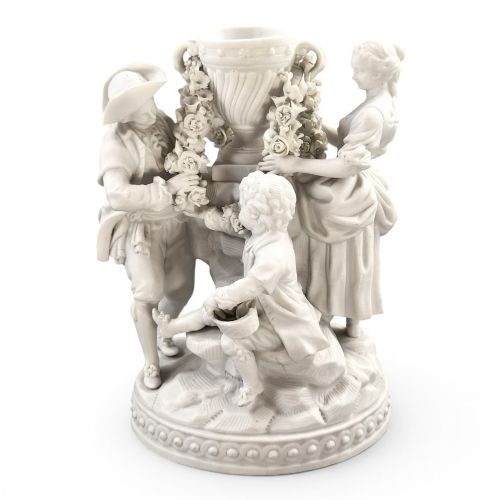
Makers utilised porcelain, ceramic, and enamel to model sculptural groups, baskets, and comports with delicate floral garlands. These ceramic bodies were frequently combined with ormolu, gilt bronze, and gold leaf to add metallic warmth and structural definition to the composition.
Metalworkers employed silver plating over copper and cast bronze to form candelabras, wine coolers, and intricate tazzas. Artisans chased and gilded these metal elements to achieve the characteristic undulating surfaces and high-relief decoration associated with the revival style.
Listings feature porcelain, ormolu, silver plate, and bronze objects spanning from the mid-nineteenth century through the Edwardian era.
What Varies in Quality
Quality rests upon the crispness of the casting in metal or the fineness of the modelling in porcelain. Superior examples display deeply undercut foliage, sharply defined cherubs or maidens, and securely integrated mounts rather than generalised, soft-edged mass production.
The harmony of the materials dictates distinction, particularly where porcelain and ormolu meet. Better pieces integrate hand-painted details and gilding with precision, maintaining structural integrity across complex multi-armed candelabras and deep bowls.
Barker Ellis·Sitzendorf Porcelain·German Dresden
The Rococo Revival Centrepiece Glossary
- Ormolu
- Gilt bronze mounted on decorative objects. This technique involves applying a finely ground gold-mercury amalgam to a bronze object before firing.
- Tazza
- A shallow ornamental cup or bowl mounted on a stem and foot. These elevated vessels were traditionally used to serve fruit or sweetmeats at formal dinners.
- Comport
- A decorative dish raised on a standard foot used for display on a sideboard or dining table. They frequently appear in porcelain or ceramic within nineteenth-century settings.
- Candelabra
- A branched candlestick holding multiple lights. The examples seen here often incorporate figural groups and elaborate scrollwork.
- Biscuit porcelain
- Unglazed porcelain with a matte, marble-like texture. It was frequently utilised for sculptural figures and delicate floral garlands.
Rococo Revival Centrepiece: Frequently Asked Questions
What is a rococo revival centrepiece?
A rococo revival centrepiece is an ornamental table display featuring the curved lines, asymmetry, and natural motifs typical of eighteenth-century design revived in the nineteenth century.
These pieces include porcelain bowls, figural candelabras, and silver-plated baskets meant to dominate a dining table or sideboard.
How were these centrepieces used?
They served as decorative focal points for formal dining tables during the Victorian and Edwardian periods, often holding fruit, flowers, or providing illumination.
Hosts used them to display wealth and taste, pairing them with matching candelabras or wine coolers to create a unified table setting.
How do I date a rococo revival piece?
Dating relies on identifying manufacturing materials, maker marks, and stylistic shifts between mid-nineteenth-century French bronze work and early twentieth-century German porcelain.
Examining the base, gilding quality, and silver-plating techniques helps narrow the period of production.
Where were these pieces made?
Production centres spanned across Europe, with notable workshops in France, Germany, Austria, and Britain producing porcelain and metalwork.
Specific regions became known for particular materials, such as Viennese silver or Dresden porcelain.