
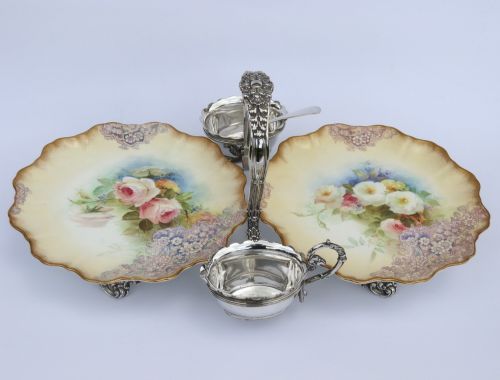

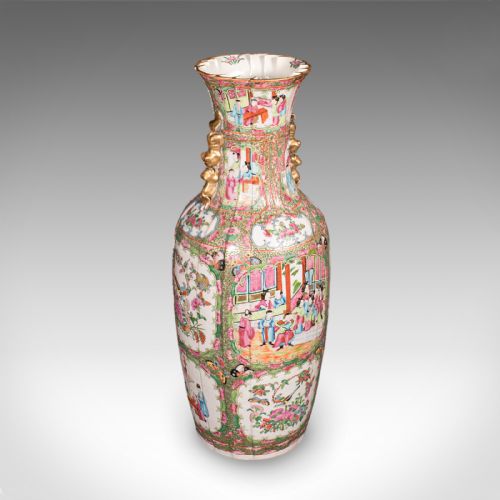


Victorian Porcelain Centrepiece
A victorian porcelain centrepiece brings floral motifs, gilt mounts and figurative porcelain together as a decorative focal point for a table or sideboard.
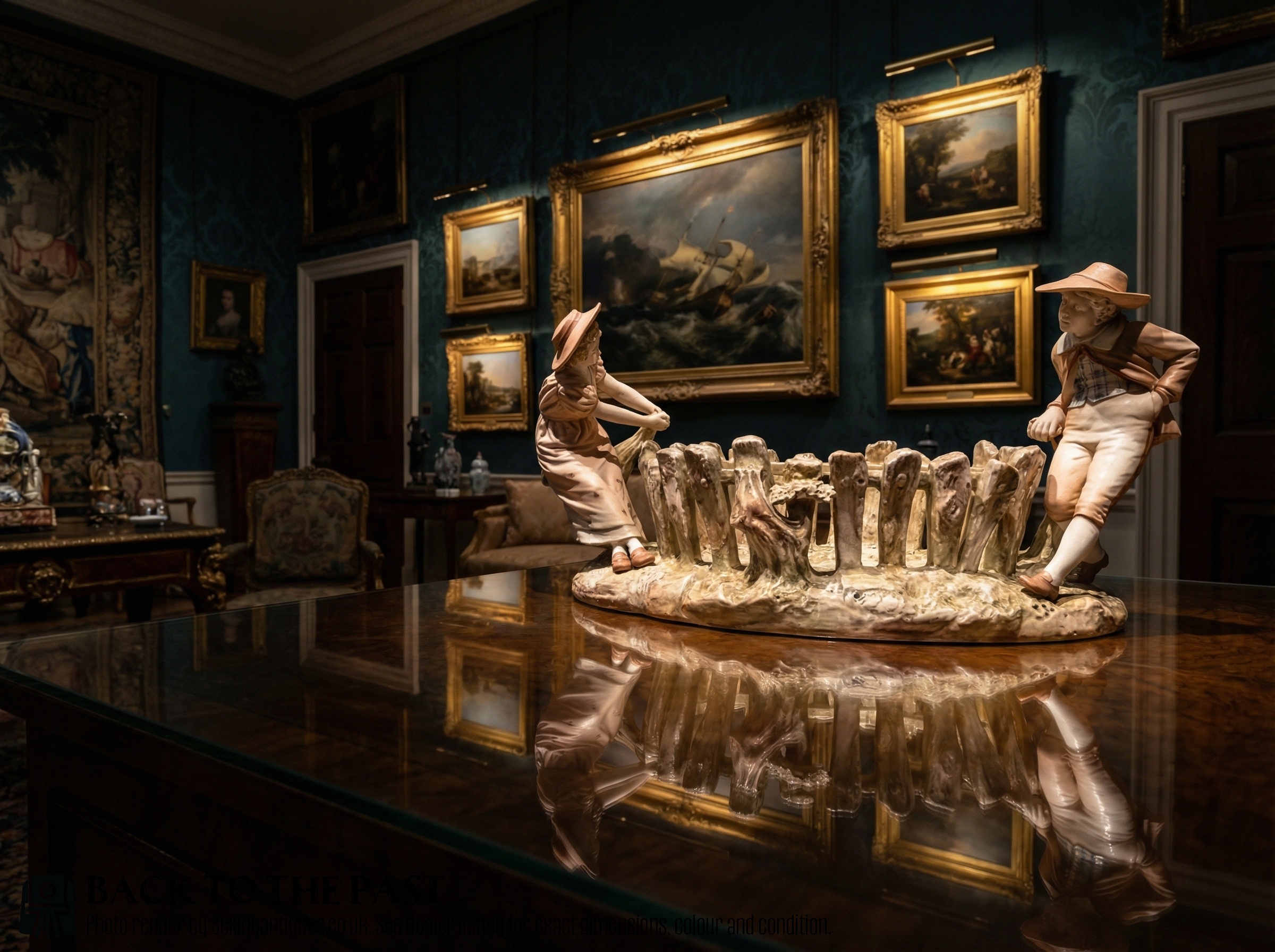
Victorian Porcelain Centrepiece
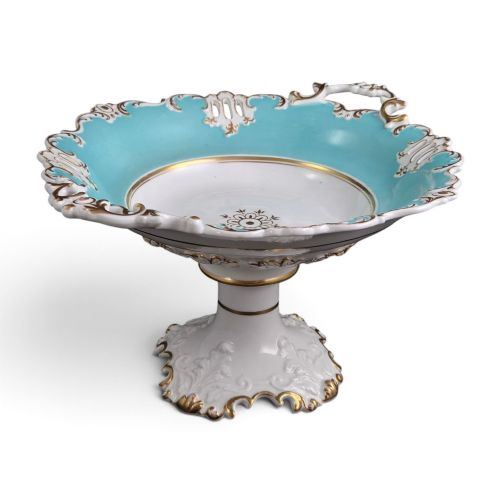
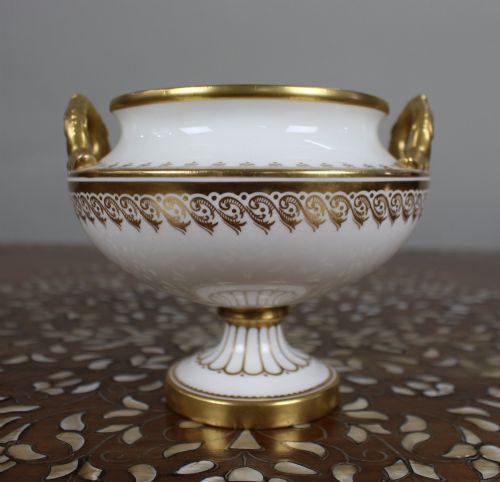
A victorian porcelain centrepiece serves as a prominent table ornament, often taking the form of a footed bowl, tazza, basket, or figural arrangement designed to command attention in a room. These pieces reflect the tastes of the nineteenth century through elaborate styling and domestic display.
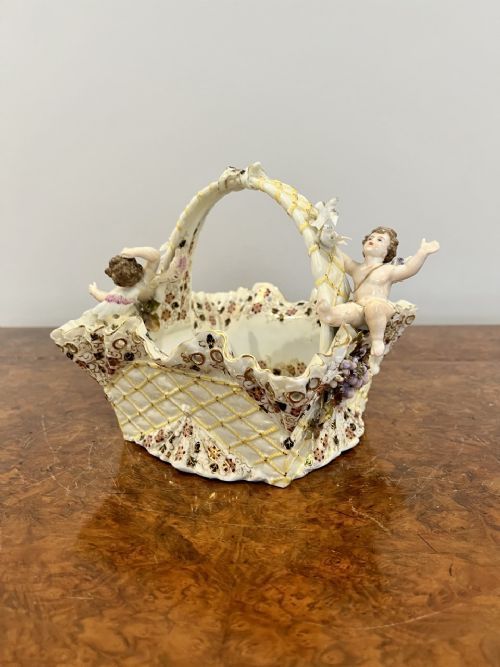
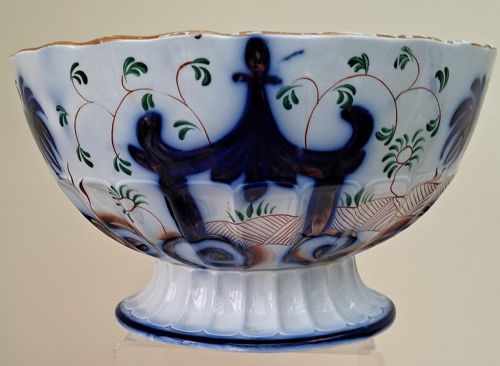
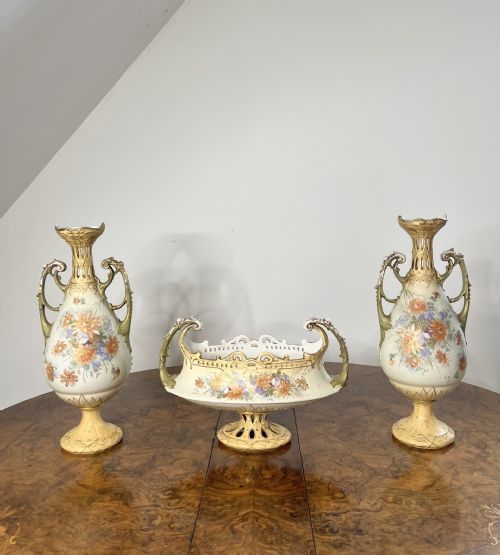
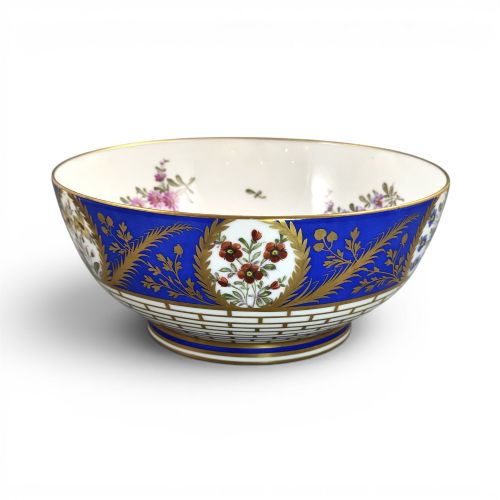
The objects on this page appear in various configurations, ranging from simple ceramic fruit bowls and comports to intricate porcelain groups featuring putti, cherubs, and animals. Styles stretch across Rococo Revival, Neoclassical, and Art Nouveau interpretations, often drawing on English and continental traditions.
Makers and factories from England and continental Europe produced these items for formal dining and drawing-room decoration. Buyers encounter everything from bone china tazze to heavy porcelain urns and ormolu-mounted dishes.
Materials and Construction
Makers utilised ceramic, bone china, and porcelain as the primary structural bodies, shaping them into bowls, baskets, and figurative groups. Hand-painted details, floral sprays, and transfer printing frequently decorate the surfaces.
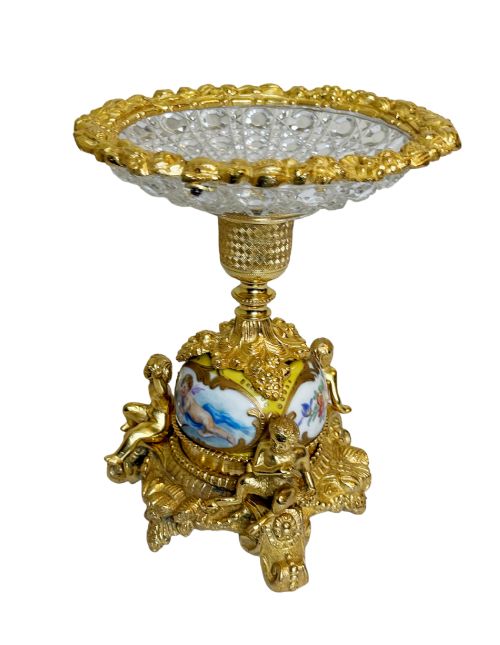
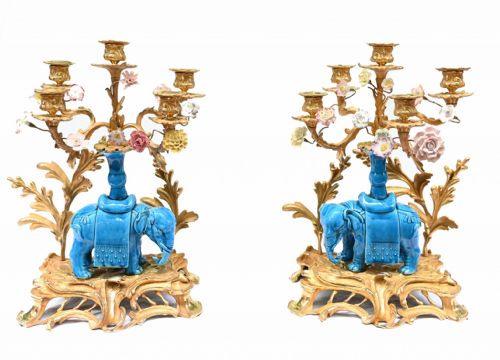
Metal mounts in gilt bronze, ormolu, and champlevé enamel often support or frame the porcelain elements. Gold leaf and gilding highlight rims, handles, and sculptural details, adding a layer of metallic contrast to the fired clay.
Victorian Porcelain Centrepiece Retail Price Guide 2026
Typical asking prices for victorian porcelain centrepiece among the pieces listed under this phrase on Sellingantiques today, from the lower quarter to the upper quarter. They describe what is for sale here now, not the wider market.
Materials appearing across these centrepieces include ceramic, porcelain, bone china, enamel, ormolu, and gilt bronze.
Judging Quality and Execution
The refinement of the modelling distinguishes standard production from exceptional work, particularly in figurative pieces where the anatomy of putti, animals, and human figures requires precise hand-sculpting. Crispness in the moulded details and the delicacy of pierced lattice work reveal the skill of the original workshop.
The application of hand-painting and the execution of the gilding dictate visual success. Finely controlled brushwork in floral sprays and evenly adhered gold leaf separate superior decorative pieces from simpler factory outputs.
Royal Worcester·Doulton Burslem·Royal Crown Derby·Meissen·Sevres·Walker and Hall·Minton·Mason
The Victorian Porcelain Centrepiece Glossary
- Tazza
- A shallow bowl or cup mounted on a stem and foot, commonly used for serving fruit or sweets on a table. These pieces often feature decorative handles or pierced rims.
- Comport
- A large standing dish used for dessert service or as a centrepiece display. They appear in porcelain, ironstone, and ceramic across nineteenth-century dining tables.
- Ormolu
- Gilded bronze used for mounts, feet, and structural frames on continental and English porcelain. It provides a bright metallic finish that complements the glazed ceramic body.
- Champlevé
- An enamelling technique where troughs are dug into a metal surface and filled with vitreous enamel before firing. It frequently appears on the mounts of French porcelain centrepieces.
- Putto
- A plump, naked child figure, often winged, appearing frequently in nineteenth-century figurative porcelain. They support bowls, climb across baskets, or cluster around central columns.
Victorian Porcelain Centrepiece: Frequently Asked Questions
What was a victorian porcelain centrepiece used for?
These pieces served as ornamental centrepieces for dining tables and drawing-room sideboards during formal meals and gatherings. They held fruit, sweetmeats, or floral arrangements to decorate the middle of the table.
Beyond functional dining use, they acted as status objects that displayed the household's taste and appreciation for fine ceramic art. Their elaborate designs made them conversation pieces for guests.
How do I clean a porcelain centrepiece?
Dust the surface gently with a soft, dry brush to remove loose particles without disturbing delicate painted details or gilt edges. Avoid submerging items that combine metal mounts with porcelain, as moisture can damage adhesives or corrode bronze.
Keep these objects away from direct sunlight and sources of heat to protect hand-painted enamels and gold leaf from fading. Handle them by their sturdy structural parts rather than fragile applied flowers or handles.
How can I tell English from continental pieces?
English makers such as Royal Worcester, Minton, and Doulton Burslem often utilised specific bone china bodies and factory marks associated with Staffordshire or Worcester. Their stylistic choices frequently reflected domestic tastes in floral decoration and earthenware development.
Continental factories like Meissen, Sevres, and various Thuringian workshops often incorporated heavier ormolu mounts, champlevé enamel, and distinct figurative groupings. Their porcelain bodies and underglaze marks point towards German, French, or Austrian production centres.
What is the difference between a comport and a tazza?
A comport generally refers to a larger standing dish used for serving fruit or dessert in a formal nineteenth-century table service. They often feature broad bowls supported by short or tall pedestals.
A tazza is typically a shallower, saucer-like vessel on a single foot, historically derived from Renaissance forms. In Victorian contexts, the terms sometimes overlap depending on the specific manufacturer's terminology.