

Late Victorian Porcelain
Late Victorian porcelain brings tactile beauty and Victorian craftsmanship directly into your home.
Understanding late victorian porcelain
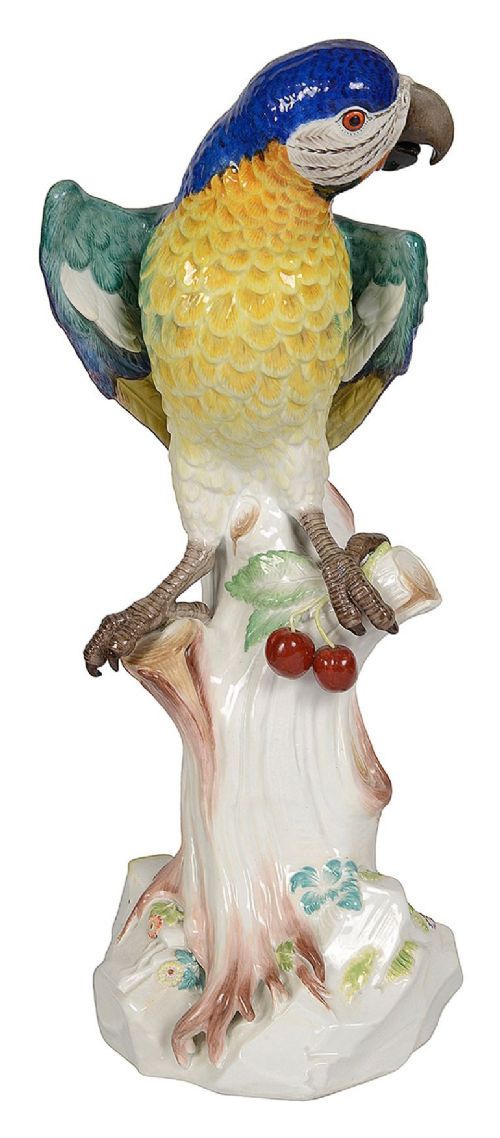
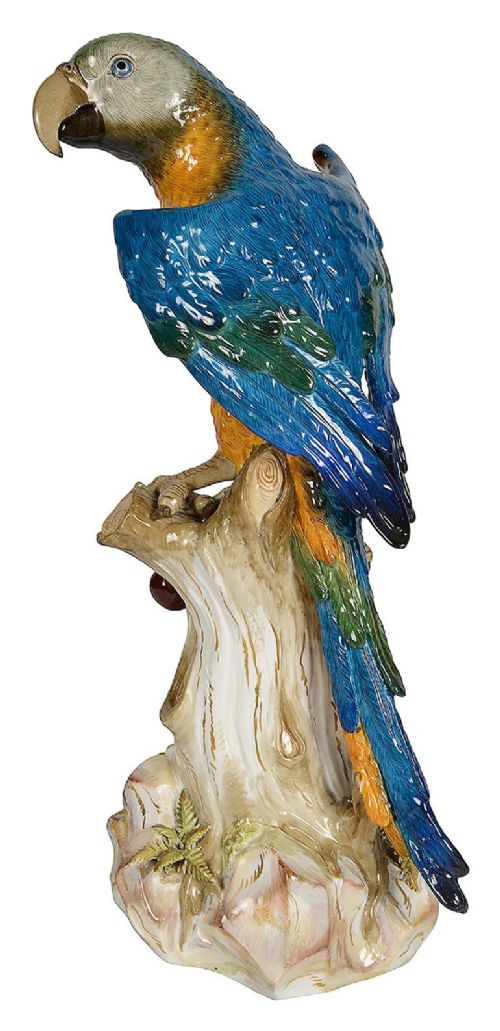
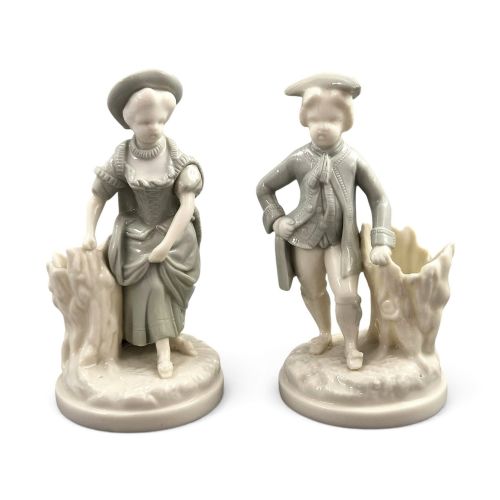
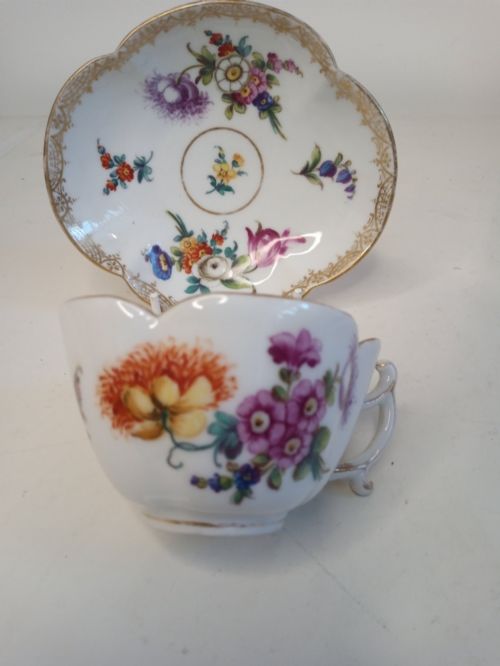
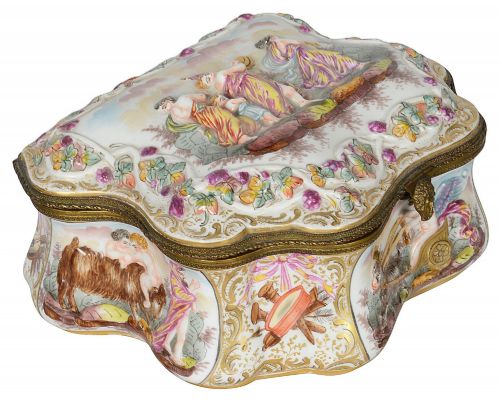
Late Victorian porcelain encompasses decorative bowls, vases, figurines, and centrepieces originating from the late nineteenth century around eighteen ninety to nineteen hundred. These pieces capture the artistic shifts of the Victorian period, including the influence of the Aesthetic Movement.
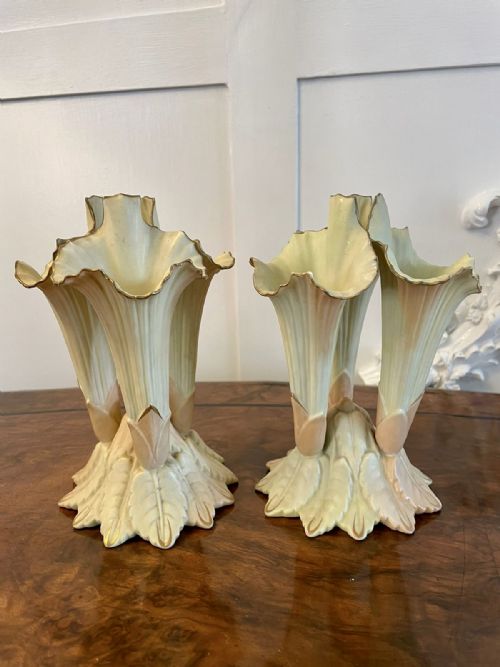
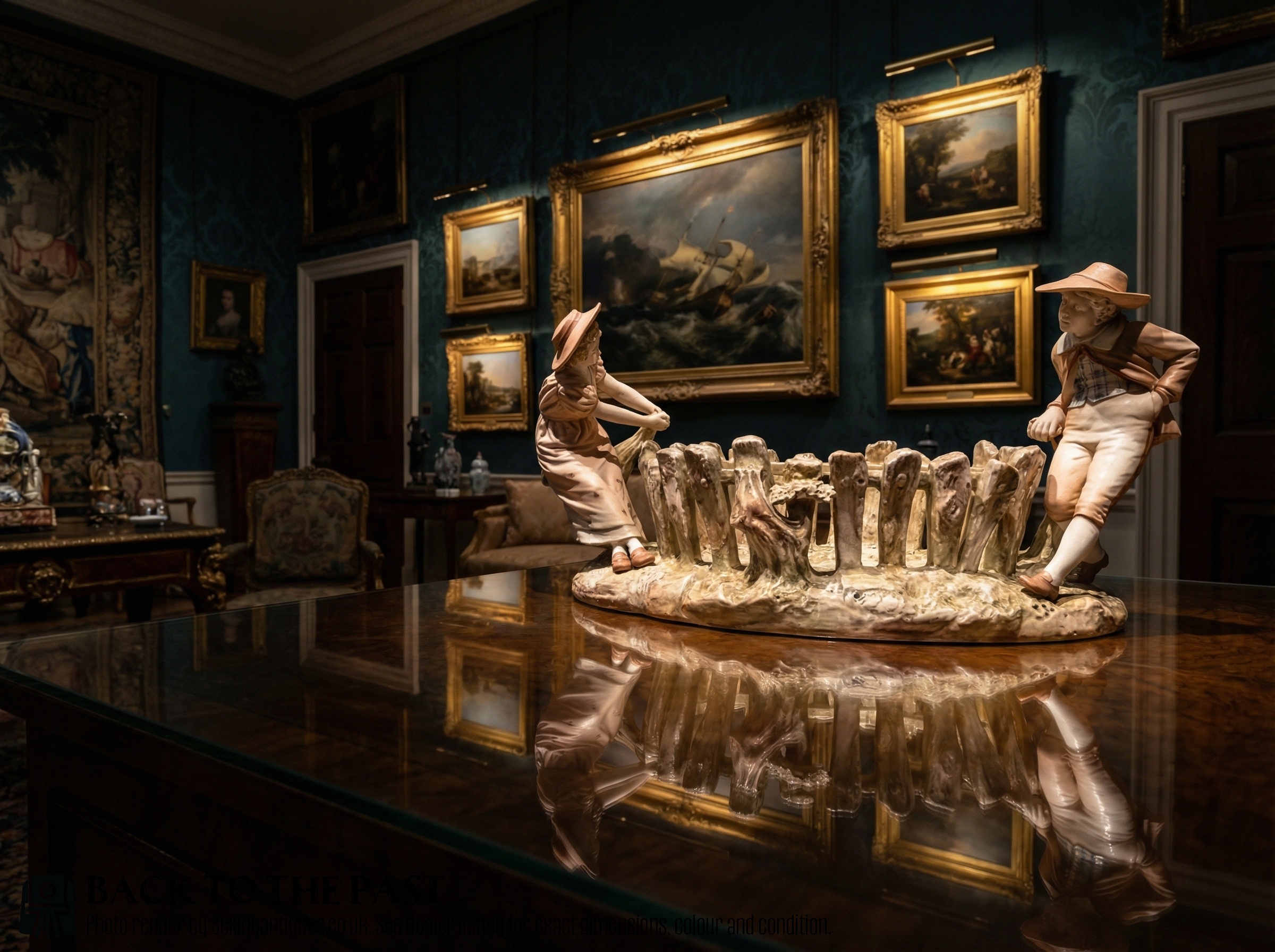
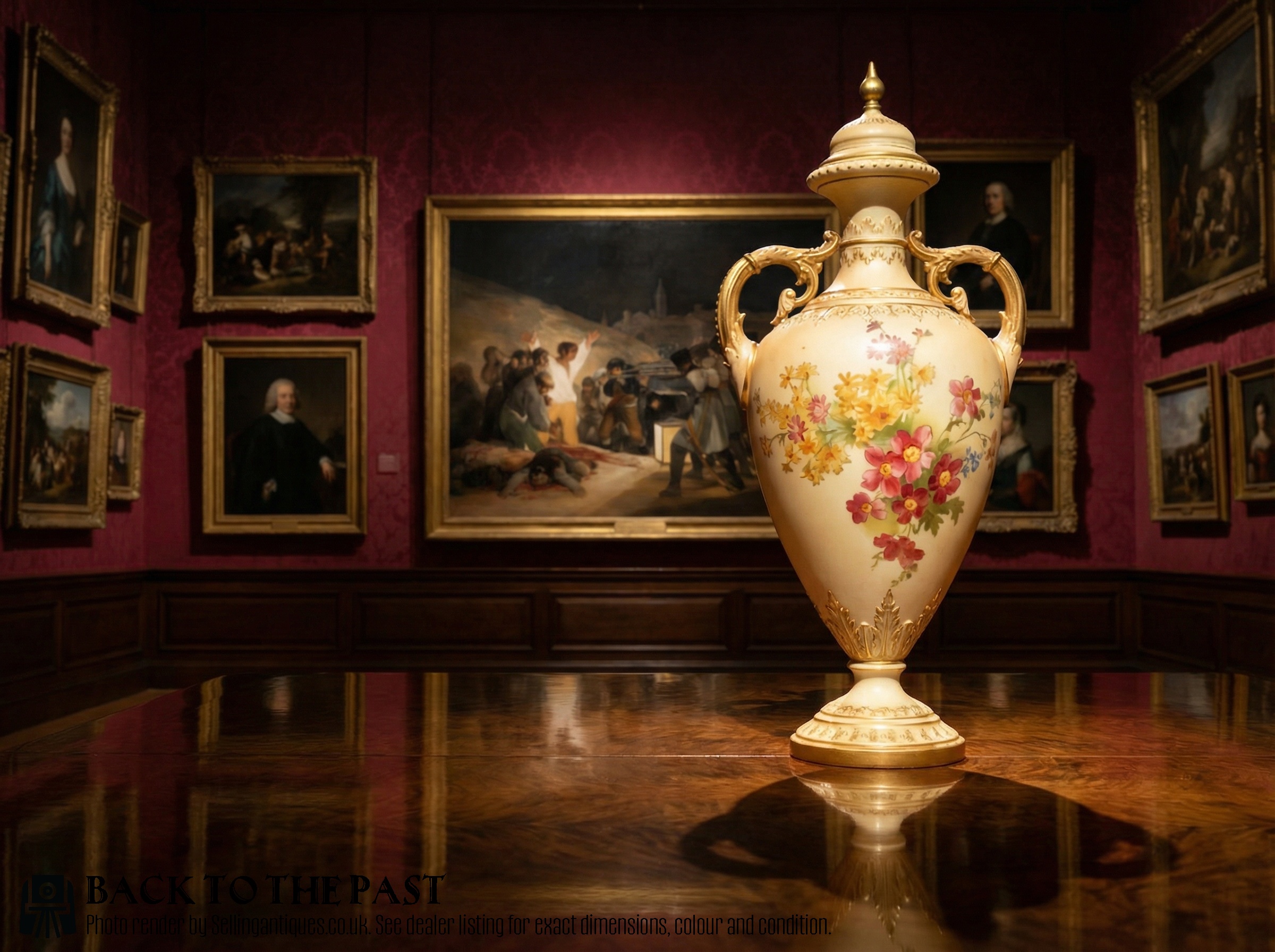
The objects frequently encountered on this page include Royal Worcester blush ivory items, Hadley’s & Sons Worcester pedestal vases, and Doulton Burslem bowls. Collectors appreciate these specific forms for their distinct decorative applications and representative nineteenth-century style.
Materials and production methods
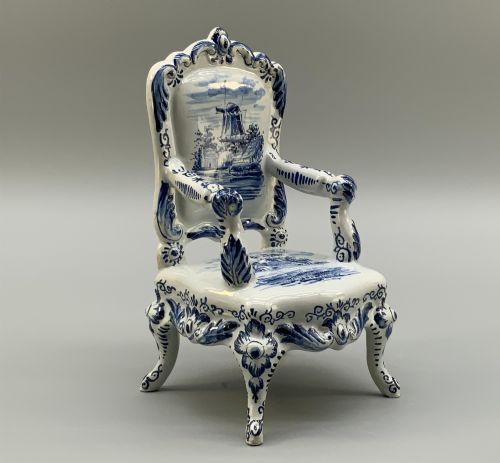
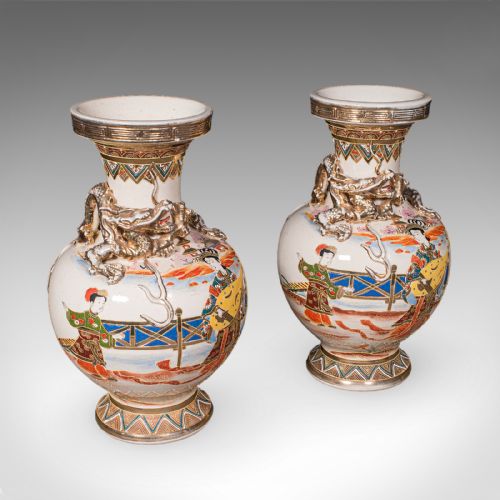
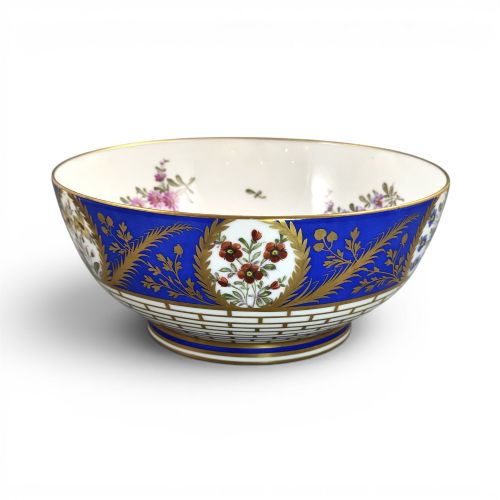
Makers utilised fine ceramic glaze and porcelain as the foundational body for these ornamental vessels and figures. Cobalt glaze provided deep blue colouration, whilst white porcelain bodies offered a smooth canvas for hand-painted landscape scenes and depictions of birds such as robins.
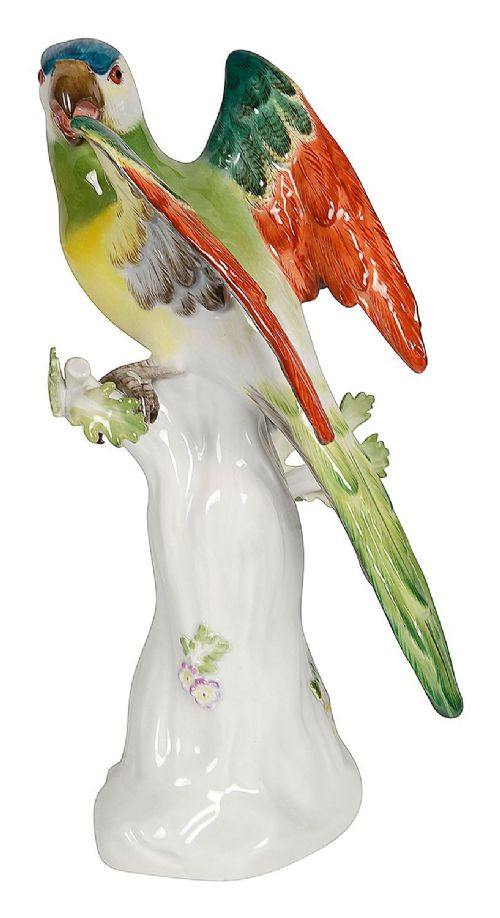
Decoration relied on skilled hand application of enamel, gilded enamel, and delicate gold leaf details. Gilding highlighted raised contours and borders, adding metallic warmth to blush ivory surfaces and blue and white ceramic wares.
Retail Price Guide 2026
Typical UK retail prices for late victorian porcelain, calculated from the Sellingantiques database of over a million retail prices indexed since 2003. This retail price guide relies exclusively on Sellingantiques data; no external sources or auction records are used, so the figures do not describe the wider market.
Listings feature items spanning the nineteenth century up to nineteen hundred, encompassing materials such as porcelain, cobalt glaze, and gold leaf.
Distinctions in quality
Quality in these ceramics rests upon the precision of the hand-painted details, such as finely rendered landscape scenes and hand-painted figures. Superior examples display careful brushwork and harmonious integration of enamel and gilding across the porcelain body.
The refinement of the underlying porcelain form and the execution of specialised finishes, like blush ivory or cobalt glaze, separate standard production items from masterworks. The prestige of specific manufactories also influences the standing of individual pieces within the market.
Doulton Burslem·Hadley’s & Sons Worcester·Royal Worcester·Minton
The Late Victorian Porcelain Glossary
- Cobalt glaze
- A rich blue metallic oxide colouration applied beneath or over the ceramic glaze. It creates deep, uniform blue tones on vessels and jardinières.
- Gilded enamel
- Coloured glass-based paint mixed with metallic particles and fired onto the ceramic surface. This technique adds raised, colourful ornamentation edged in gold.
- Centrepiece
- A large, decorative vessel or bowl intended to sit proudly in the middle of a dining table or sideboard. These items often feature elaborate pedestals or handles.
- Candle extinguisher
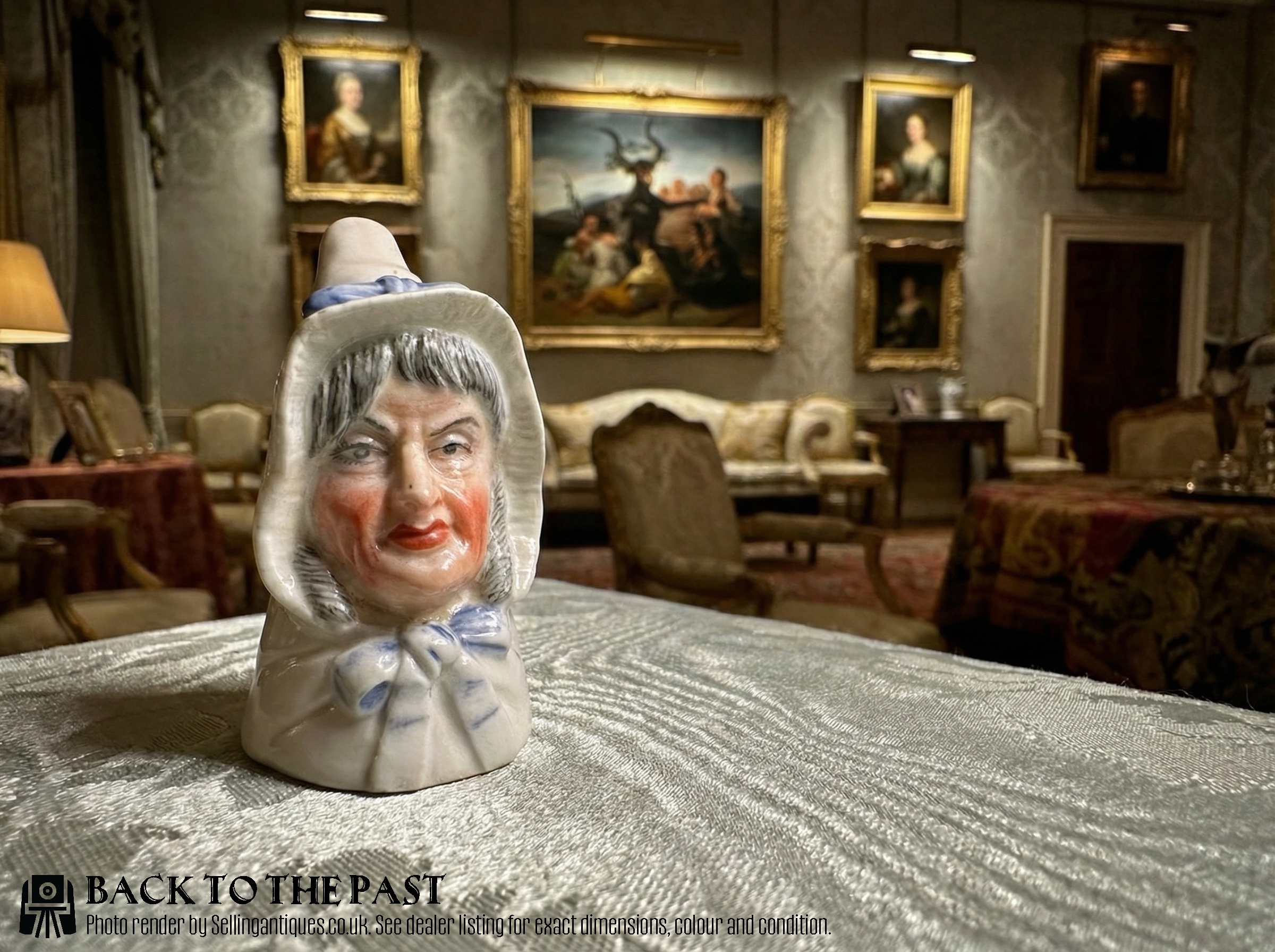
- A small, bell-shaped ceramic figure with a handle, designed to safely snuff out candle flames. Many examples take the form of humorous or characterful Victorian figures.
Frequently Asked Questions
What is late victorian porcelain?
Late Victorian porcelain refers to ceramic decorative objects produced near the end of the nineteenth century during the reign of Queen Victoria. These items embrace styles like the Aesthetic Movement and traditional Victorian ornamentation.
Common forms include vases, bowls, cabinet plates, and small figural candle extinguishers decorated with hand-painted scenes, enamel, and gilding.
How were these porcelain pieces used?
These porcelain items served primarily decorative and social purposes within Victorian homes, displayed on mantelpieces, sideboards, and drawing-room tables. Centrepieces and decorative bowls held fruit or floral arrangements during formal dining.
Smaller items like cabinet plates were exhibited in specially designed display cabinets to showcase artistic taste, whilst candle extinguishers performed the practical task of putting out household candles.
How do I care for antique porcelain?
Antique porcelain requires gentle handling and should be cleaned only with a dry or very slightly damp soft cloth. Avoid using harsh chemical detergents or submerging pieces in water, as this can damage delicate hand-painted enamel and gold leaf gilding.
Keep pieces away from direct sunlight and areas subject to sudden temperature fluctuations to preserve the ceramic glaze and prevent fading of painted landscape scenes.
How do I identify the period of a piece?
Dating late Victorian porcelain involves examining manufactory backstamps, shape numbers, and stylistic markers recorded on the base of the object. Specific marks help narrow production down to the exact decade or year of manufacture.
Stylistic elements, such as blush ivory finishes or Aesthetic Movement motifs, also point towards the eighteen nineties and the turn of the twentieth century.