

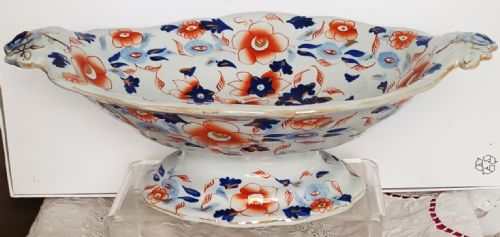
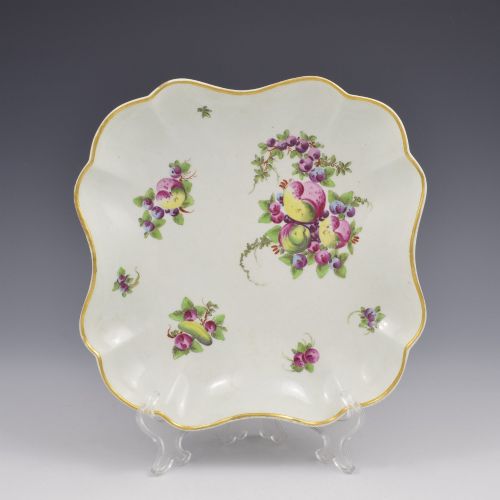
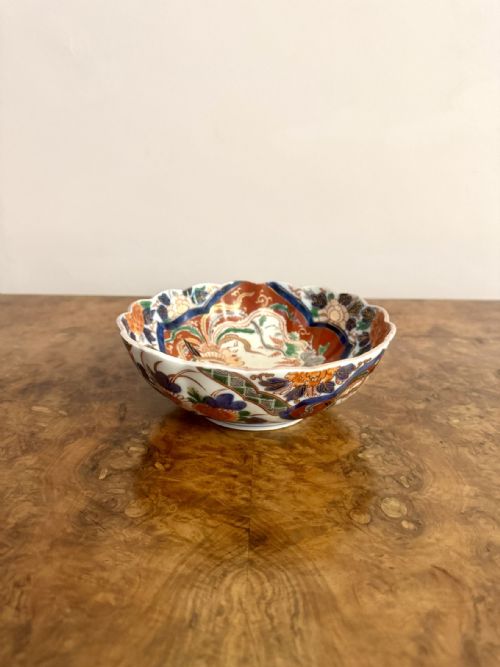
Antique Porcelain Fruit Bowl
An antique porcelain fruit bowl brings weight and colour to a table, offering a centrepiece shaped by centuries of European kilns.
What these pieces are
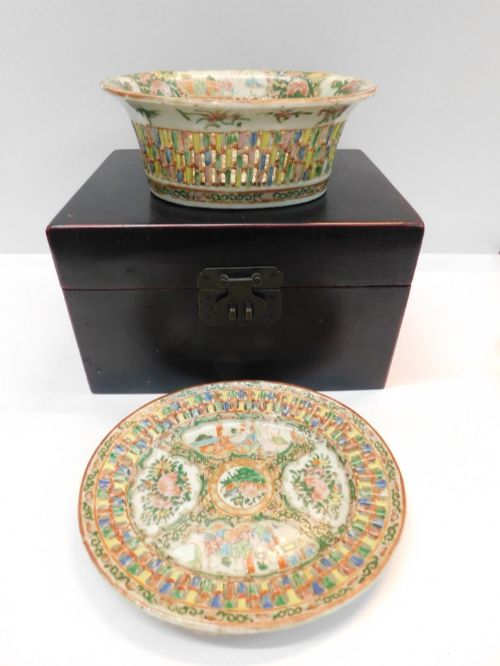
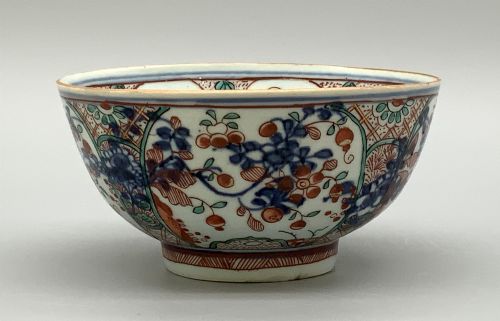
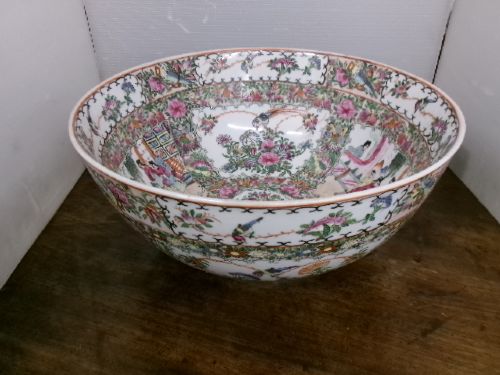
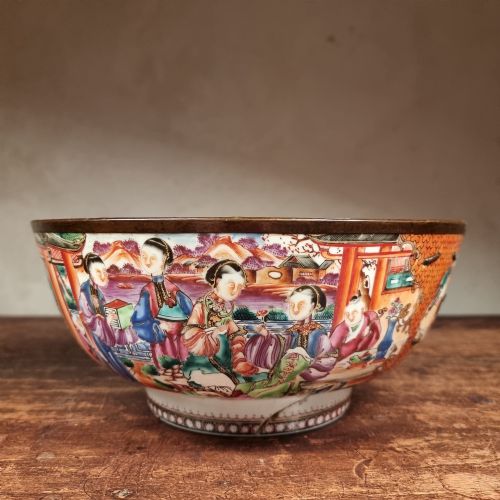
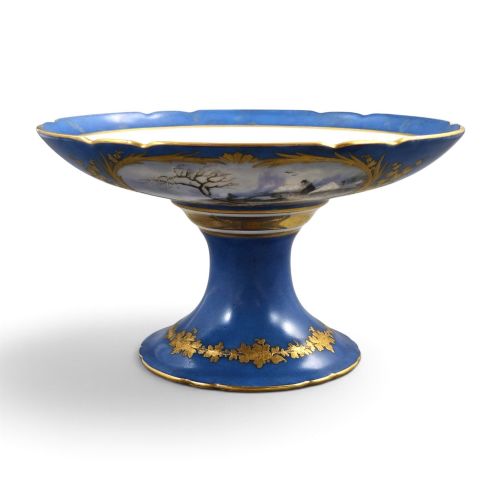
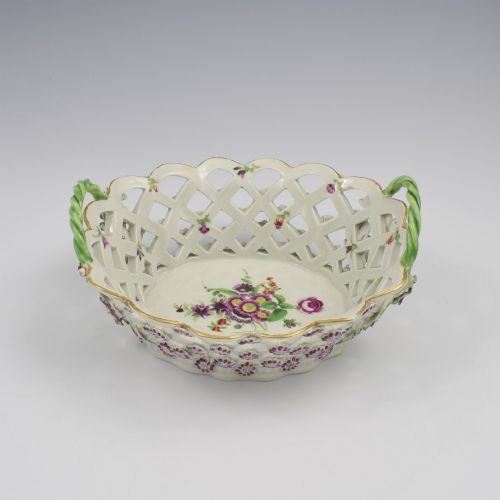
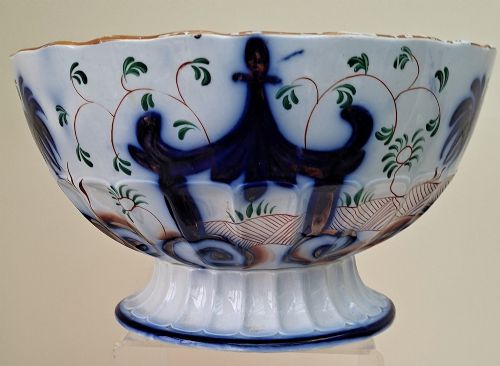
When you search for an antique porcelain fruit bowl, you find vessels designed to hold fruit, flowers, or simply to stand alone as ornamental centrepieces. The pieces recorded here span from the mid-eighteenth century up through the Victorian and Edwardian eras into the mid-twentieth century.
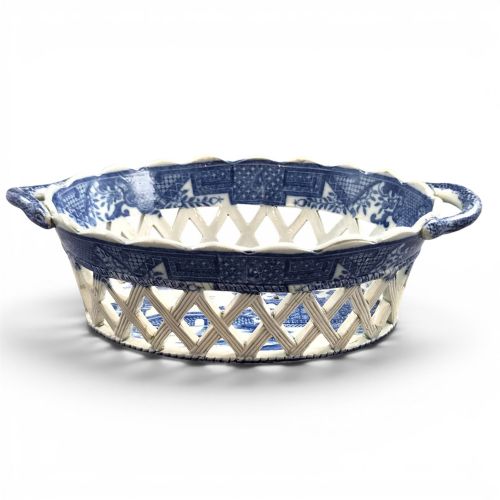
The forms vary from basket bowls and comports to large pedestals and decorative bowls. European makers dominate the record, including factories from England, France, and Germany such as Worcester, Meissen, Sevres, and Doulton Burslem.
How they were made
The material foundation is ceramic and porcelain, shaped into bowls, baskets, and comports. Makers applied glaze to seal the body, often finishing surfaces with hand painting.
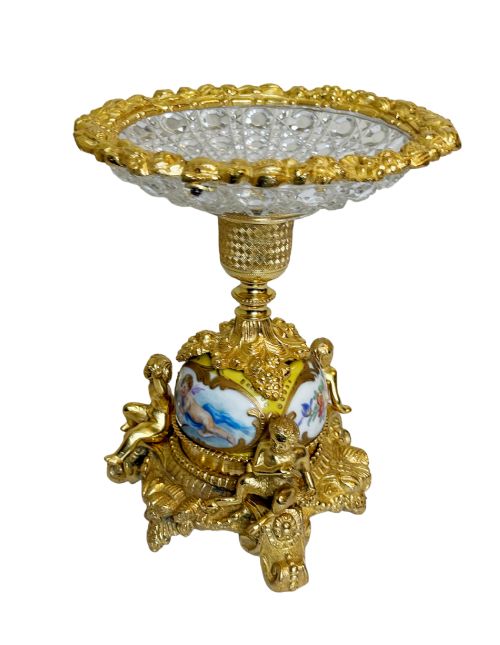
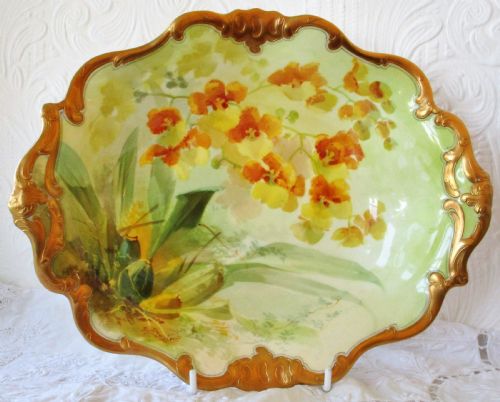
Decoration frequently incorporates gold leaf, gilding, and gilt highlights. Certain examples combine the ceramic body with mounts of ormolu or silver plate.
Retail Price Guide 2026
Typical UK retail prices for porcelain fruit bowl, calculated from the Sellingantiques database of over a million retail prices indexed since 2003. This retail price guide relies exclusively on Sellingantiques data; no external sources or auction records are used, so the figures do not describe the wider market.
Materials appearing in the record include porcelain, ceramic, gold leaf, gilding, gilt, silver plate, glaze, and ormolu.
What varies in quality
Quality rests on the crispness of the porcelain form and the precision of the hand-painted details. Early eighteenth-century pieces demonstrate exceptional potting skill, while later Victorian and continental works rely on elaborate gilding and sculptural flowers.
The distinction between standard production and top-tier execution lies in the depth of the glaze and the refinement of subsidiary metals like ormolu. Maker attribution also plays a role, with established factories achieving greater consistency in their firing and decoration.
Doulton Burslem·C.G. Schierholz and Sohn·Sevres·Worcester·Royal Worcester·Meissen·Haviland
The Antique Porcelain Fruit Bowl Glossary
- Comport
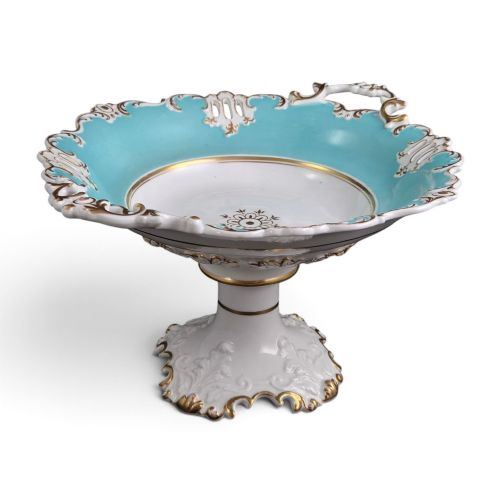
- A pedestal bowl or dish elevated on a foot, traditionally used for serving fruit or sweetmeats at dessert.
- Gilding
- The application of gold leaf or gold dust to the porcelain surface for decorative enrichment.
- Ormolu
- Gilt bronze mounts applied to furniture and decorative objects, frequently found framing or supporting nineteenth-century bowls.
- Rococo Revival
- A nineteenth-century design style mimicking the asymmetrical curves, scrolls, and natural motifs of the eighteenth-century Rococo period.
Frequently Asked Questions
What is an antique porcelain fruit bowl used for?
These vessels serve as table centrepieces for displaying fruit or flowers. They function equally well as standalone decorative objects in a room.
Historically, they occupied the middle of the dining table during formal dessert courses.
How do I date a porcelain bowl?
Dating relies on factory marks, style periods, and the composition of the glaze and paste. Examining the style, such as Rococo Revival or French Empire, provides a broad temporal bracket.
Specific maker stamps help narrow the production year to a particular decade.
What is a comport bowl?
A comport is a raised bowl standing on a pedestal base. It lifts fruit or sweets above the table surface.
They appear frequently among nineteenth-century dining ceramics.
Where were these bowls made?
The recorded pieces originate from major European ceramic centres in England, France, and Germany. Factories such as Meissen, Sevres, and Worcester produced these items.
Production spans from the mid-eighteenth century through the nineteenth and into the mid-twentieth century.