


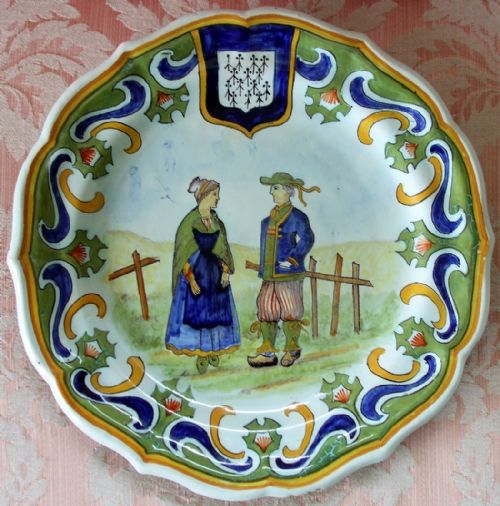
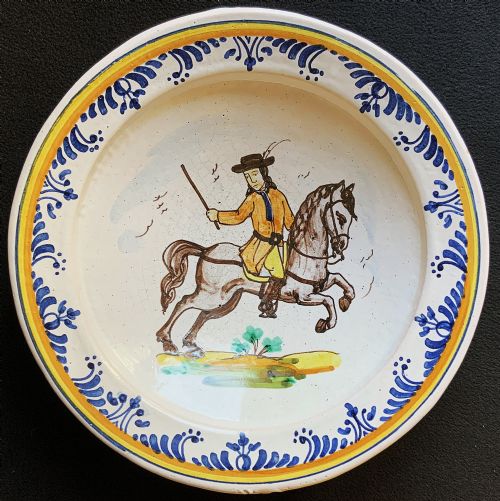
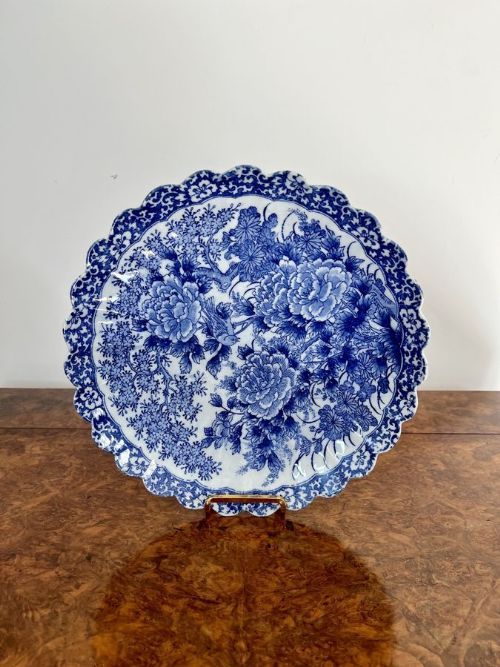


Decorative Blue White Plate
A decorative blue white plate brings centuries of cobalt pigment and hand-painted ceramic craft directly to your wall or table.
Decorative Blue White Plate
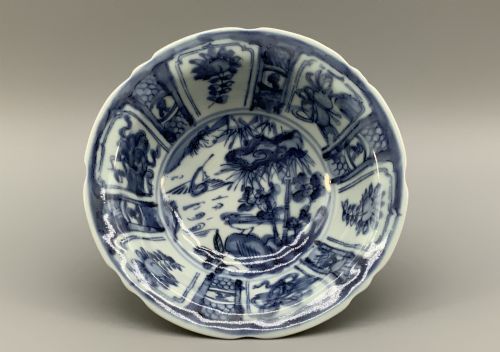
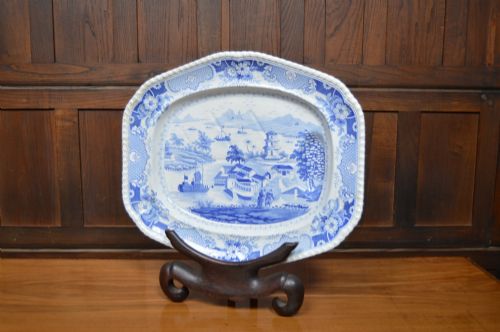
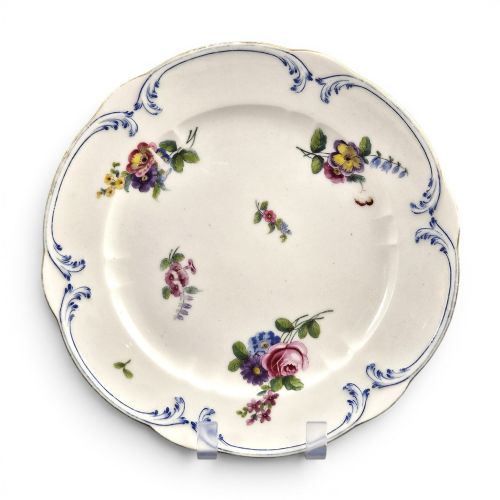
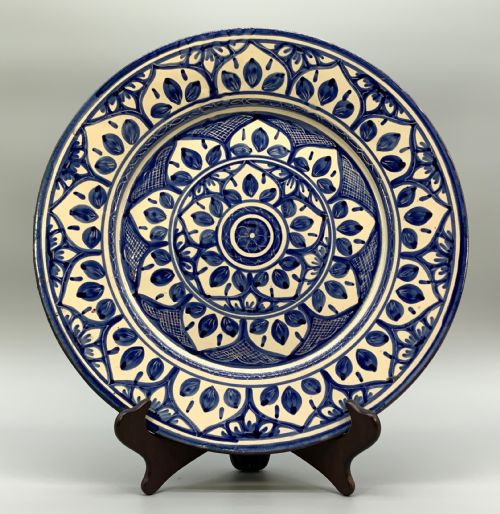
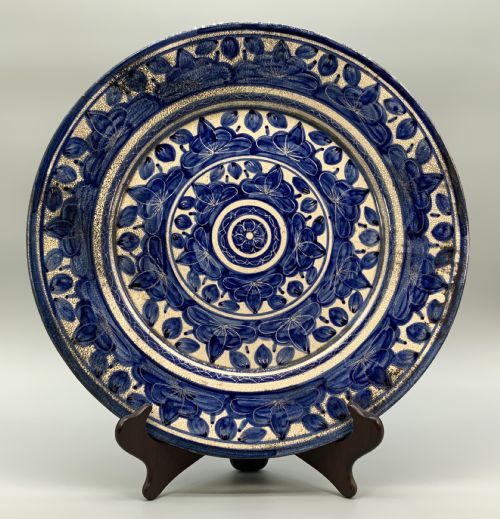
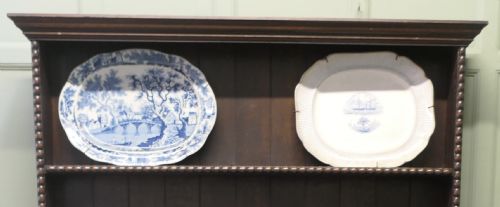
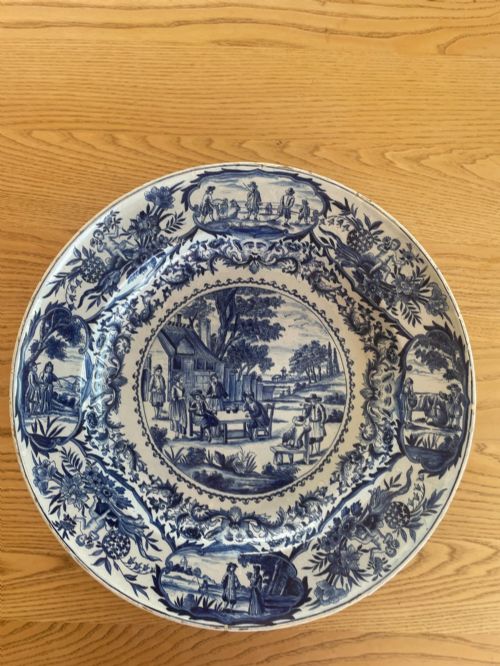
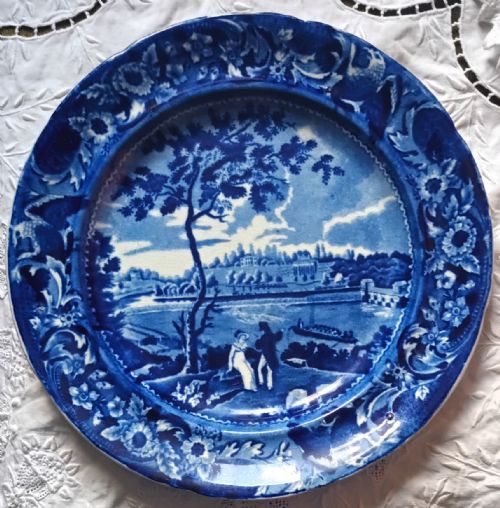
When you search for a decorative blue white plate, you encounter a diverse range of ceramics spanning several centuries of global production. The selection encompasses chargers, serving platters, and dishes originating from English potteries, European delftware kilns, and Asian export workshops.
You are most likely to meet 18th-century English and continental delft chargers alongside 19th-century transferware and Japanese Imari porcelain. These pieces range from modest dinner plates to large wall-hanging chargers measuring significant diameters.
The forms extend beyond simple round vessels to include lobed bowls, scalloped edges, shell shapes, and barbed rims. Each object reflects the specific aesthetic of its origin, whether Dutch Baroque, Chinese Qing dynasty, or Victorian Chinoiserie.
How They Were Made
Makers utilised earthenware, stoneware, and soft-paste or hard-paste porcelain as the physical base for these items. Tin glaze and standard ceramic glaze provided the smooth white or cream surface required for cobalt pigment application.
Decoration relied heavily on hand painting with cobalt oxide before firing, or on transfer printing where engraved copper plates transferred intricate pictorial patterns onto the clay body. Firing took place in kilns at high temperatures to fuse the blue pigment permanently beneath or within the glossy glaze.
Fish and swimming koi carp populate several historic chargers, ensuring your wall display comes with permanent aquatic company.
What Varies in Quality
The depth and clarity of the cobalt blue pigment distinguish finer examples from standard production pieces. Crispness in hand-painted brushwork or sharpness in transfer-printed lines reveals the skill of the original workshop.
The sophistication of the ceramic body and the regularity of the form also dictate the tier of the piece. Superior items display careful moulding, balanced weight, and harmonious composition across scrolling foliate or pictorial scenes.
Ambroise Michel·John Ridgway·Stubbs·William Adams·Don Pottery·Minton·Bassano pottery works
The Decorative Blue White Plate Glossary
- Transferware
- Pottery decorated by printing an engraved design from a copper plate onto paper and then transferring it to the ceramic body before glazing. This technique allowed factories to produce complex pictorial scenes efficiently during the 19th century.
- Tin-Glaze
- A ceramic glaze made opaque by the addition of tin oxide, creating a white surface ideal for painting in blue. It defines traditional delftware and faience production across Europe.
- Imari
- Japanese porcelain decorated in underglaze blue, iron red, and gilt, taking its name from the port of shipment. The style gained immense popularity in Europe during the late 17th and 18th centuries.
- Charger
- A large decorative plate traditionally used for display on a sideboard or wall rather than for dining. These substantial vessels often showcase the most elaborate painting or transfer designs of a particular period.
- Soft-Paste
- A type of porcelain made from a mixture of clay and glass-like frits fired at lower temperatures than hard-paste porcelain. It produces a warm, creamy texture frequently found in 18th-century European manufactories.
Decorative Blue White Plate: Frequently Asked Questions
How were large chargers displayed historically?
Large chargers were traditionally stood on edge on sideboards or hung directly on walls using specialised wire hangers. This allowed households to showcase prized blue and white ceramics as decorative art.
Over time, collectors continued this practice to protect delicate tin-glazed earthenware and porcelain from the wear of daily dining use.
What is Japanese Imari?
Japanese Imari refers to porcelain produced in the Arita area and exported through the port of Imari. It is characterised by a distinctive palette combining underglaze cobalt blue with iron red and gold.
These pieces often feature intricate floral and botanical motifs arranged within complex geometric borders.
Can these plates be used for food?
Most antique plates and chargers from the 18th and 19th centuries are intended for display or collection rather than active culinary service. Historic glazes and soft bodies can be sensitive to modern detergents, dishwashers, and acidic foods.
Gentle hand washing with warm water is recommended if cleaning is necessary.