


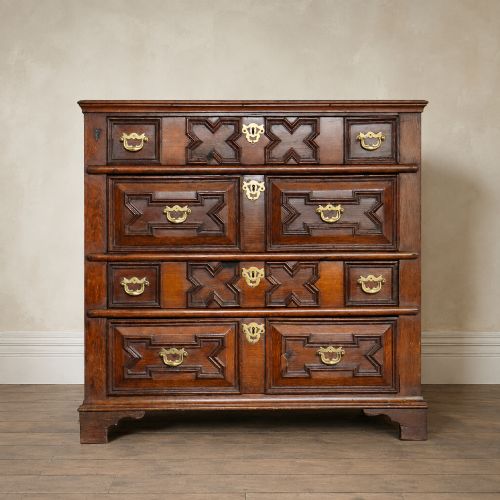
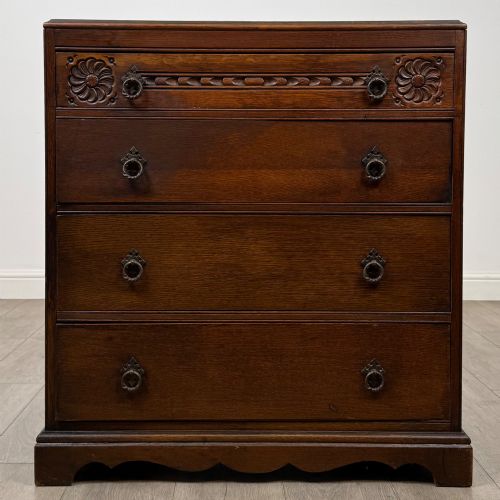
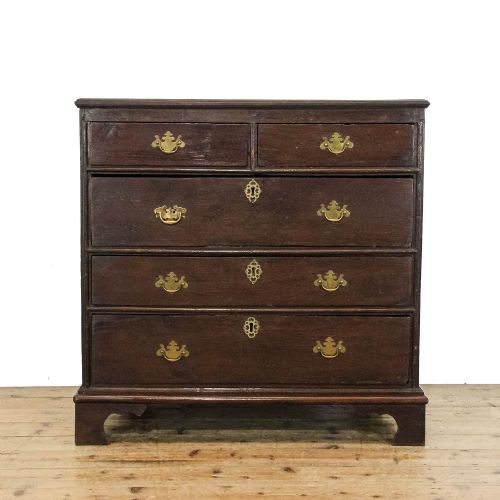
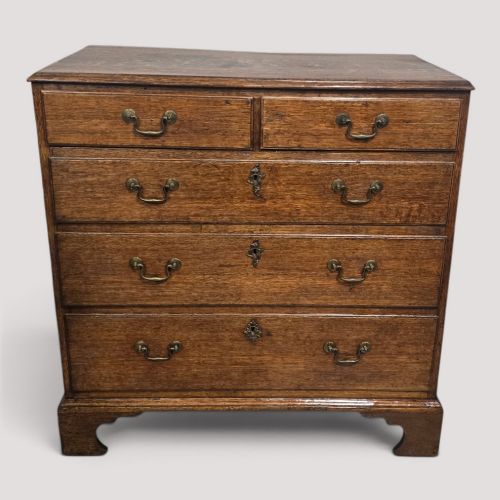
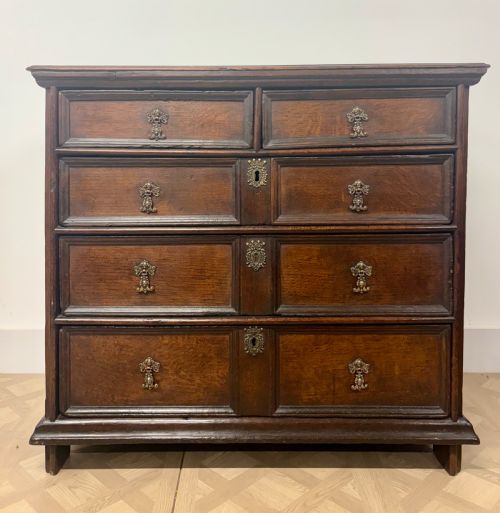
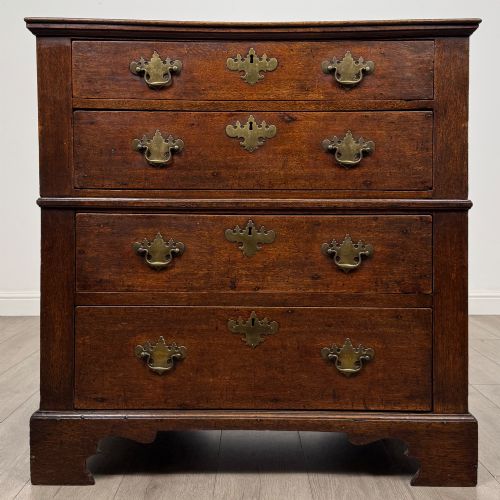
Dark Oak Tallboy
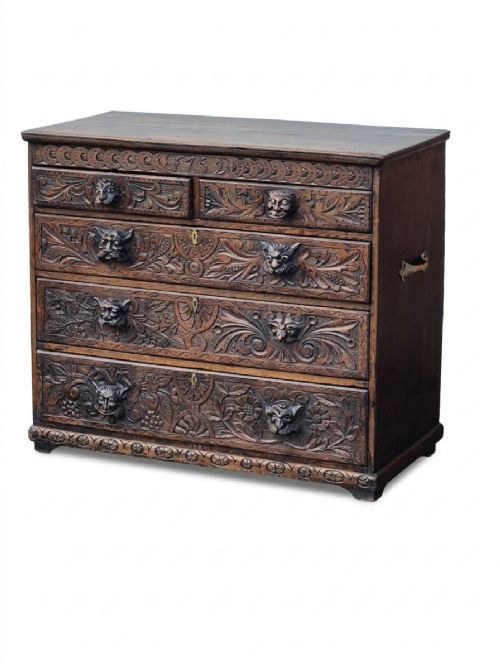
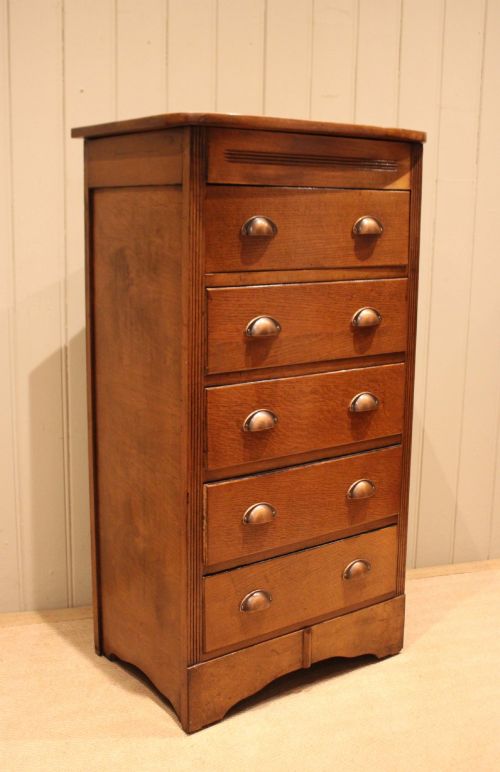
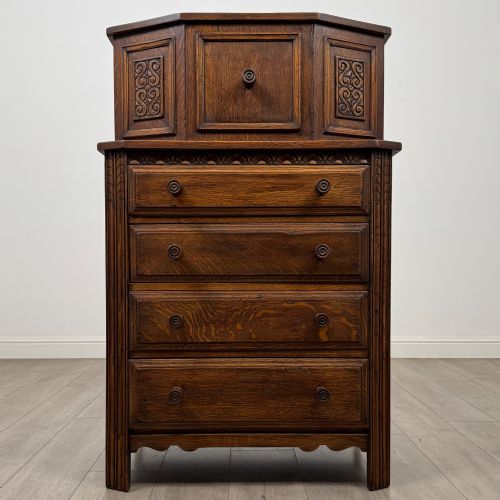
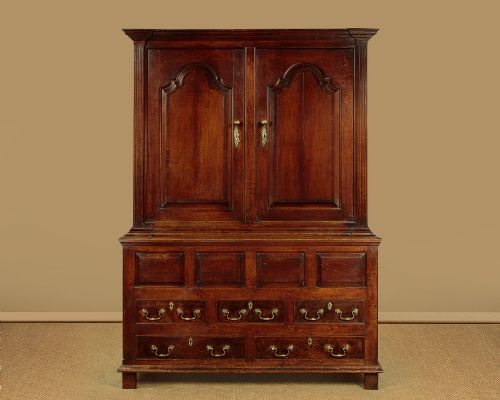
A dark oak tallboy provides vertical storage with historic character, bringing substantial timber and period presence into a modern bedroom.
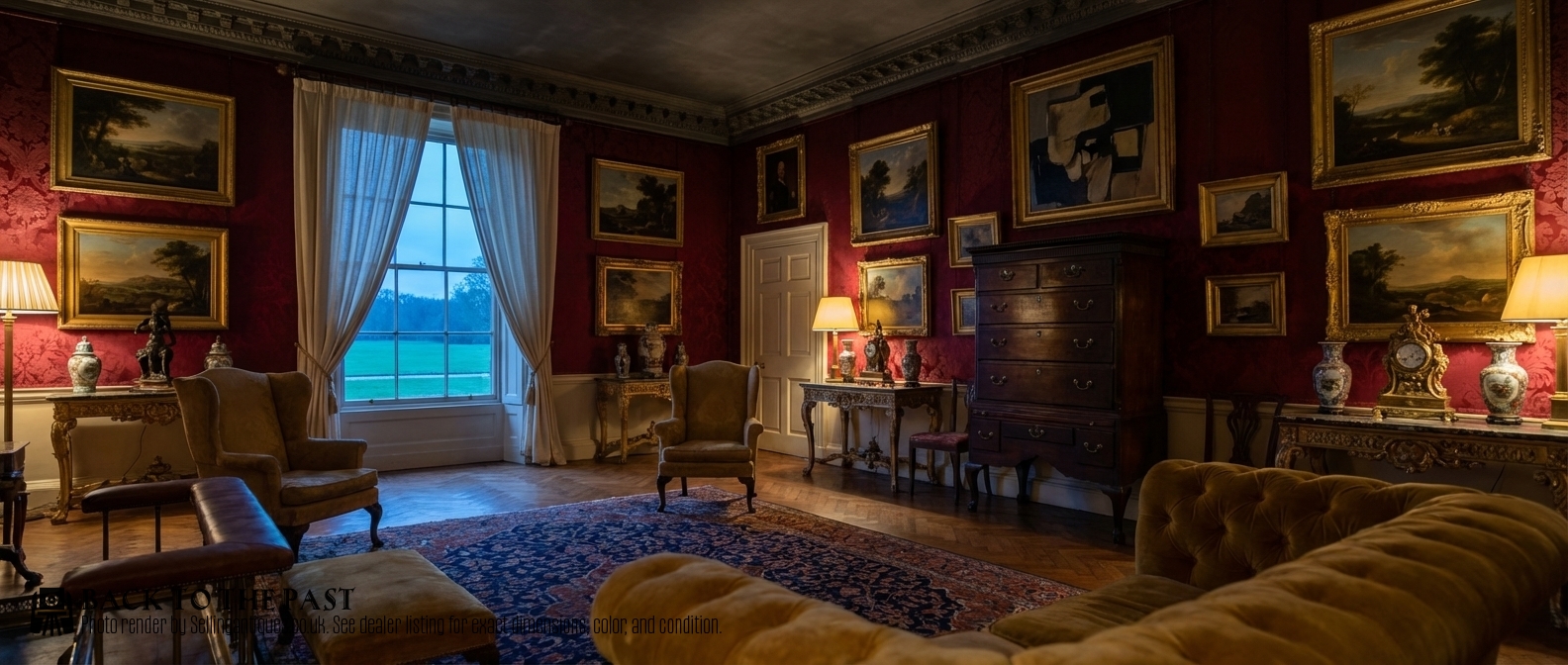
Dark Oak Tallboy
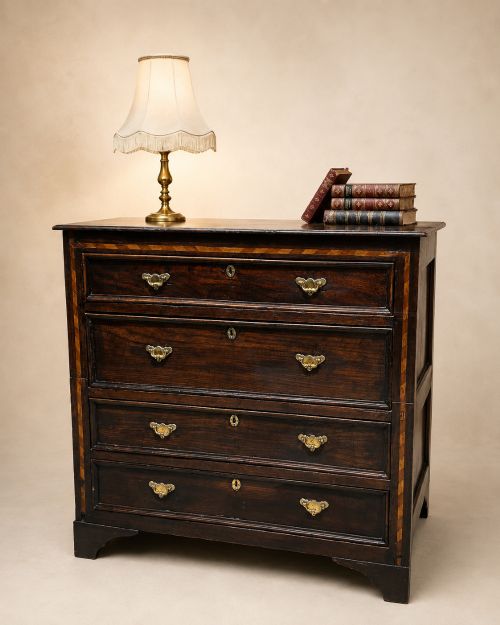
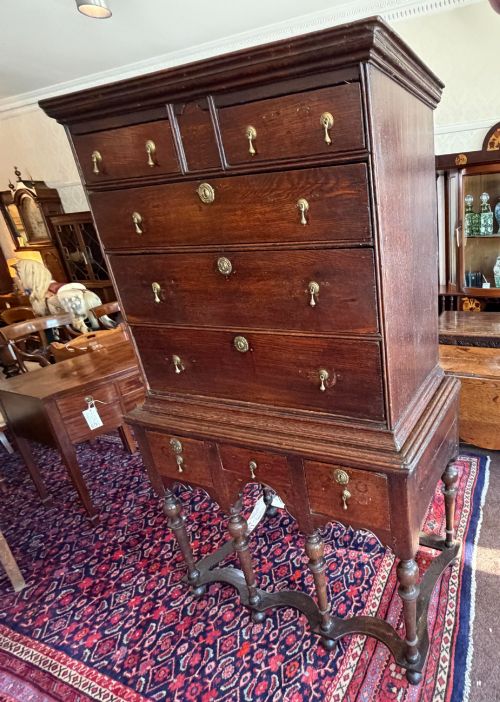
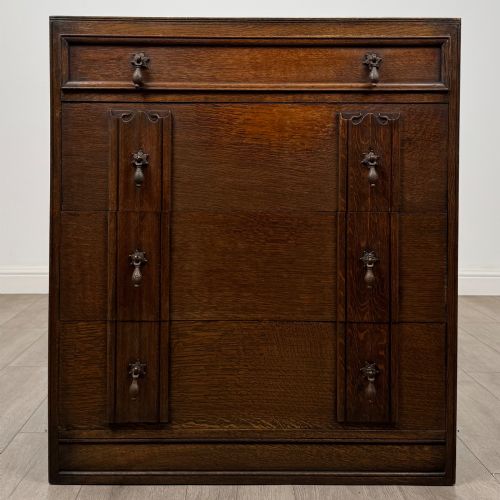
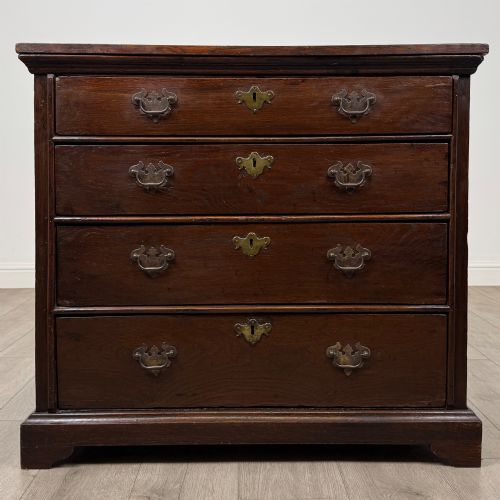
When you search for a dark oak tallboy, you are looking at substantial vertical storage units primarily built during the seventeenth, eighteenth, and early twentieth centuries. The pieces on this page span styles from Charles II and Georgian to Edwardian revivals, taking the form of chests of drawers, chests on stands, and cupboards.
The materials are predominantly solid oak, sometimes combined with walnut, mahogany, or fruitwood inlay, and fitted with brass or iron hardware. These taller storage forms evolved to maximise floor space while offering deep drawer capacities for household linens and apparel.
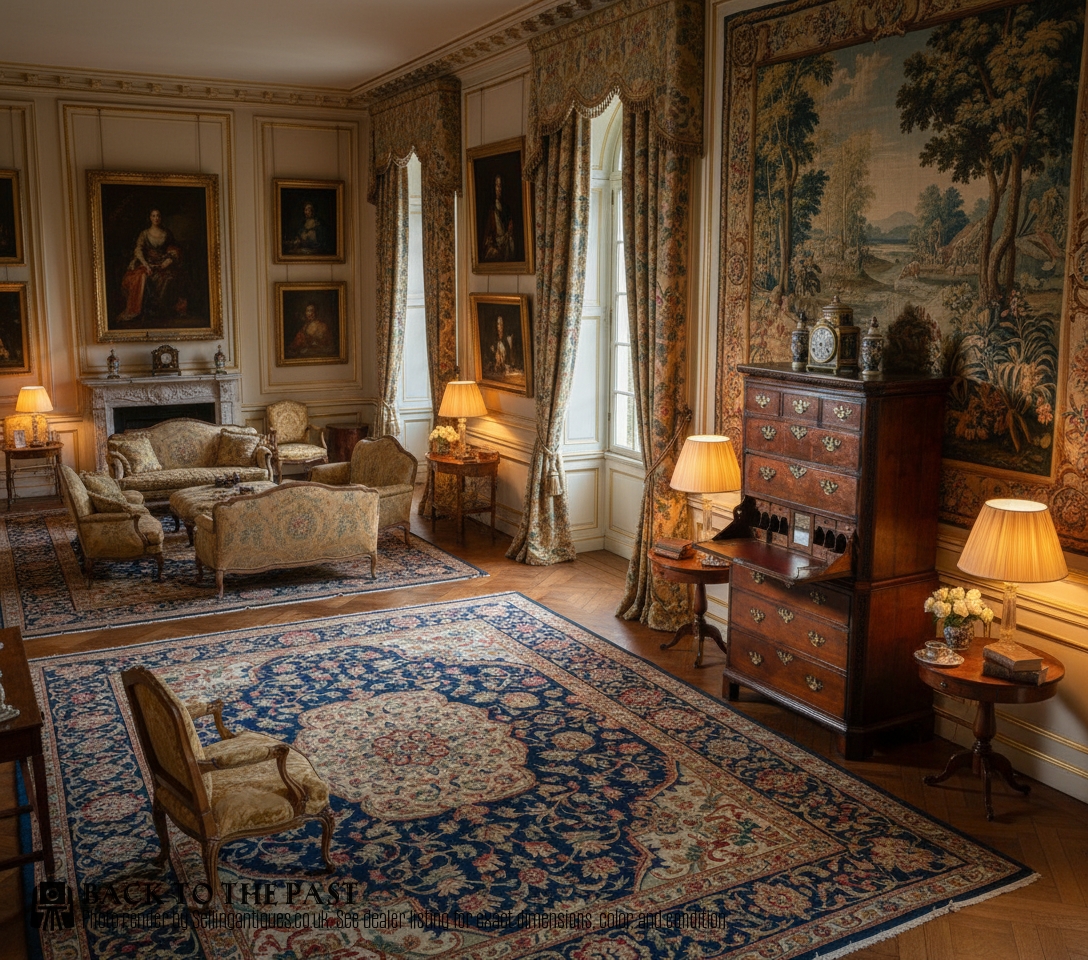
Construction and materials
These pieces are built from solid timber using traditional joinery methods suited to heavy wood. Carpenters relied on oak boards for the main carcase and drawers, often incorporating geometric mouldings or crossbanding in secondary woods like walnut and mahogany.
Metal components such as brass drop handles and iron hinges secure the doors and drawer fronts. Surface finishes developed over centuries through wax and polish applied to the dense grain of the timber.
Dark Oak Tallboy Retail Price Guide 2026
Typical asking prices for dark oak tallboy among the pieces listed under this phrase on Sellingantiques today, from the lower quarter to the upper quarter. They describe what is for sale here now, not the wider market.
Listings feature periods spanning the seventeenth century through to the Edwardian era, constructed primarily in oak with brass and iron fittings.
Distinctions in craftsmanship
Quality separates through the crispness of applied mouldings, the handling of geometric drawer fronts, and the preservation of original surface patination. Pieces featuring well-figured timber and integrated stands display greater joinery skill than later revived interpretations.
The integrity of the original hardware and the smoothness of the drawer action indicate the level of care taken by the maker. Subtle details such as hand-cut dovetails and precise crossbanding elevate the standing of the furniture.
The Dark Oak Tallboy Glossary
- Crossbanding
- A strip of veneer applied across the grain of the primary wood to form a decorative border around drawer fronts.
- Geometric moulded
- A technique where raised mouldings are applied to drawer fronts in rectilinear patterns, typical of seventeenth-century joinery.
- Chest on stand
- A tall case of drawers raised off the floor on a separate frame with legs, popular in the late seventeenth and early eighteenth centuries.
- Patina
- The surface sheen and colour acquired by wood through age, handling, and polishing over many decades.
- Jacobean revival
- A nineteenth and early twentieth-century style imitating the heavy, carved oak furniture of the seventeenth century.
Dark Oak Tallboy: Frequently Asked Questions
How do I care for a dark oak tallboy?
Keep the wood conditioned by applying a traditional beeswax paste occasionally to nourish the dry grain and maintain the surface sheen.
Position the furniture away from direct sunlight and heat sources to prevent the solid timber from splitting or warping over time.
Are these pieces suitable for modern bedrooms?
The vertical orientation offers generous storage capacity while occupying a relatively small floor footprint, making them practical for contemporary rooms.
Their deep drawers accommodate bulky garments and linens easily while introducing centuries of woodworking heritage into the interior.
How do I distinguish seventeenth-century pieces from later revivals?
Early pieces exhibit hand-split oak boards, pegged mortise and tenon joints, and distinct tool marks left by period carpenters.
Revival pieces from the Edwardian era often show more uniform machine sawing and standardised internal framing beneath the historic styling.
What is the difference between a chest on stand and a standard chest?
A chest on stand separates the main drawer carcase from the floor by resting it on a distinct frame fitted with legs.
Standard chests sit directly on the floor with integrated feet or a plinth base, creating a blockier silhouette in the room.