




Turned Leg Chest Stand
A turned leg chest stand offers elevated storage with distinctive charm, combining sturdy bases with practical drawer compartments.
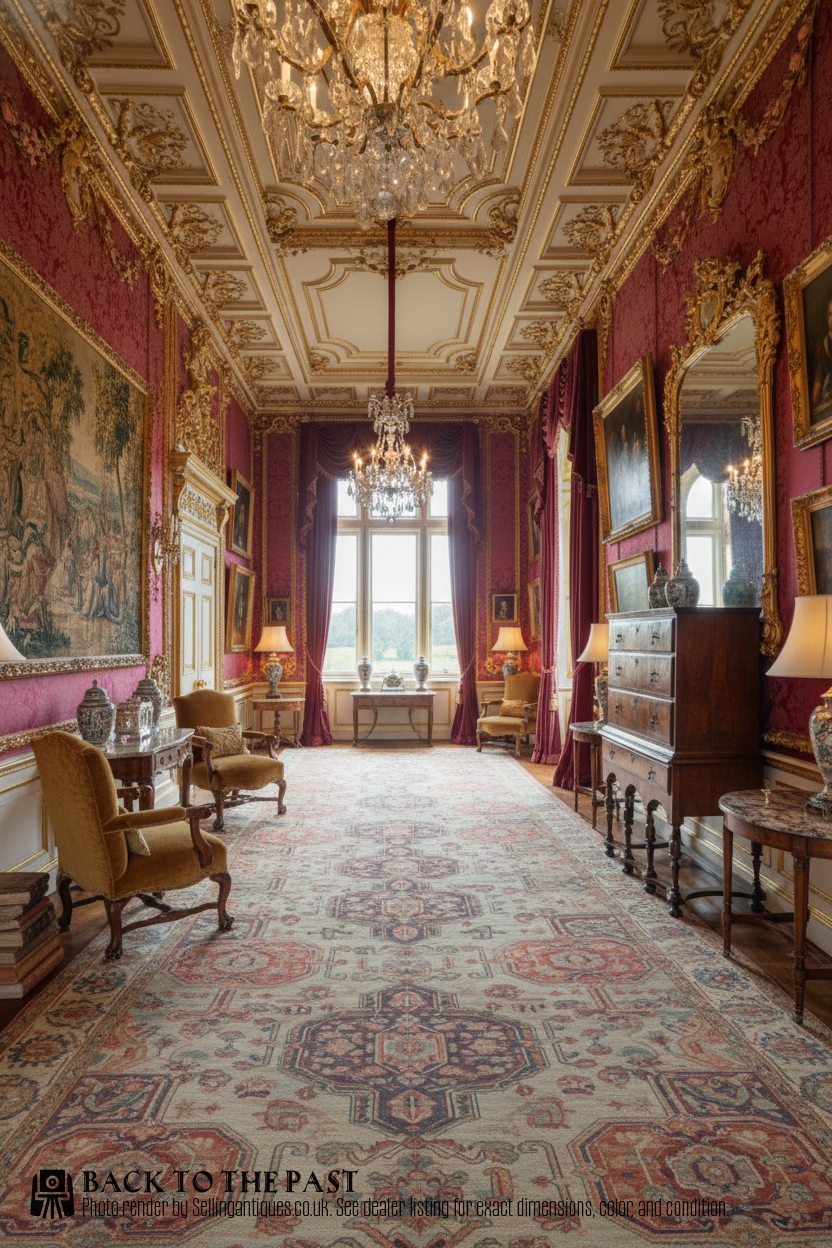
Understanding the turned leg chest stand
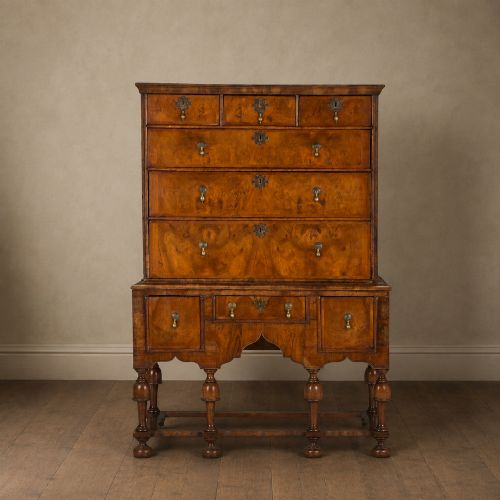
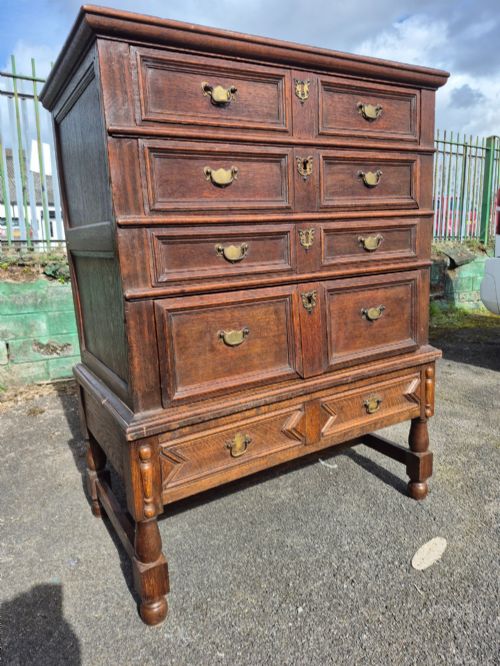
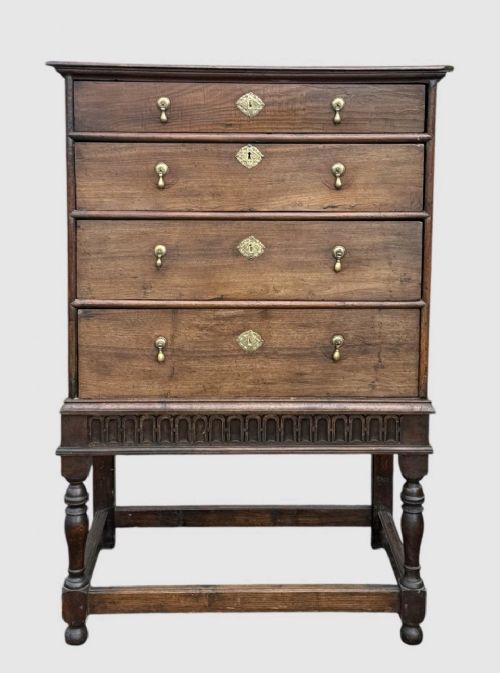
A turned leg chest stand combines a raised upper storage section with robust supports, creating a practical piece for domestic organisation. These items appear across multiple historical periods, showcasing traditional craftsmanship from the seventeenth and eighteenth centuries.
The selections available include compact designs and larger cabinet configurations. Walnut and oak form the foundation of these early examples, while later revivals bring distinct variations to the market.
Buyers encounter forms associated with the Queen Anne and George I eras, alongside earlier seventeenth-century interpretations. Each piece reflects the functional requirements of its original domestic setting through fitted drawers and raised stands.
Materials and construction methods
Cabinetmakers utilised dense hardwoods such as oak and walnut for the primary structure, ensuring durability across centuries of use. Distinctive decorative surfaces occasionally incorporate laburnum veneer arranged in intricate oyster patterns.
Joinery methods rely on traditional techniques to house multiple drawers securely within the main body. The base frames feature individually turned wooden supports that elevate the upper chest off the floor.
Retail Price Guide 2026
Typical UK retail prices for turned leg chest stand, calculated from the Sellingantiques database of over a million retail prices indexed since 2003. This retail price guide relies exclusively on Sellingantiques data; no external sources or auction records are used, so the figures do not describe the wider market.
Listings feature pieces spanning the seventeenth century through to early twentieth-century revivals, constructed in oak, walnut, and laburnum.
Assessing craftsmanship and finish
Quality reveals itself in the selection of timber veneers and the precision of the drawer construction. Superior examples maintain their original wooden surfaces and structural integrity without extensive modern intervention.
The execution of the turned supports and the proportion of the stand relative to the upper chest dictate the visual balance. Finer items display careful attention to detail in every fitted component and structural joint.
The Turned Leg Chest Stand Glossary
- Chest on stand
- A storage cabinet featuring multiple drawers raised upon a separate support frame with legs. This configuration lifts the main storage compartment higher off the floor for easier access.
- Oyster veneer
- Slices of branch wood cut transversely to reveal circular patterns resembling oyster shells. Cabinetmakers arranged these decorative pieces meticulously across drawer fronts during the late seventeenth and early eighteenth centuries.
- Turned leg
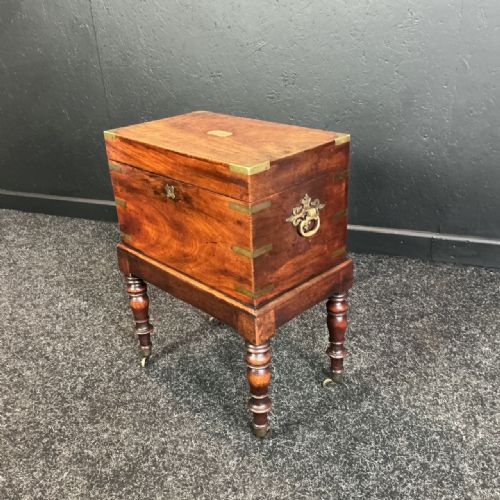
- A wooden support shaped on a lathe to create cylindrical, bulbous, or spiral contours. These elements form the structural foundation of the lower stand.
- Queen Anne style
- A design movement characterised by curved lines, pad feet, and understated elegance. Furniture from this period prioritises domestic comfort and restrained ornamentation.
Frequently Asked Questions
What is a chest on stand?
A chest on stand is a two-part furniture form consisting of a drawer-fitted cabinet resting upon an elevated base frame.
This design provides ample storage capacity while maintaining a lighter visual footprint in a room compared to floor-standing wardrobes.
How do I date these pieces?
Dating relies on examining the timber species, construction joints, and stylistic markers such as leg turning shapes.
Earlier seventeenth-century examples frequently utilise solid oak, whereas walnut and decorative veneers become prominent during the subsequent Queen Anne and George I periods.
Where should I place one?
These cabinets suit hallways, living rooms, or bedrooms where elevated storage and historical character are desired.
Their compact footprint allows them to fit comfortably against walls without dominating smaller interior spaces.
What woods were used?
Craftsmen primarily worked with domestic and imported hardwoods including oak, walnut, and laburnum.
Each timber offers distinct grain patterns and colour variations that define the aesthetic of the period.