




Walnut Highboy Dresser
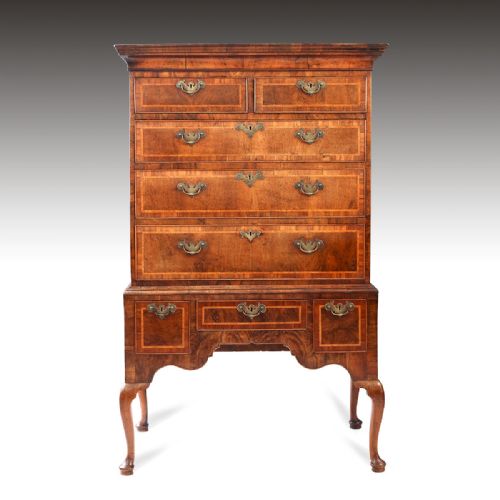
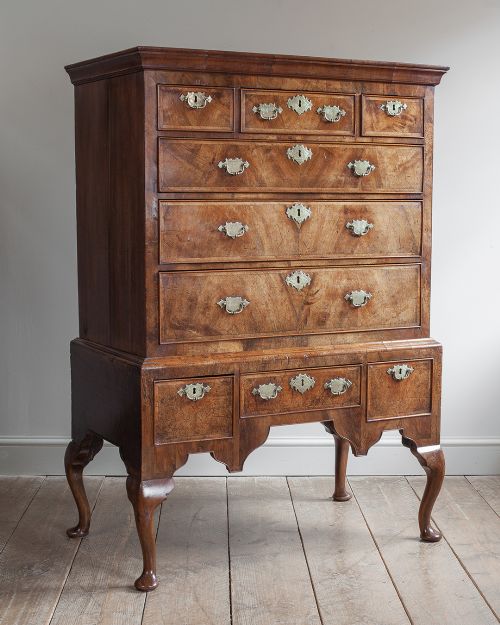
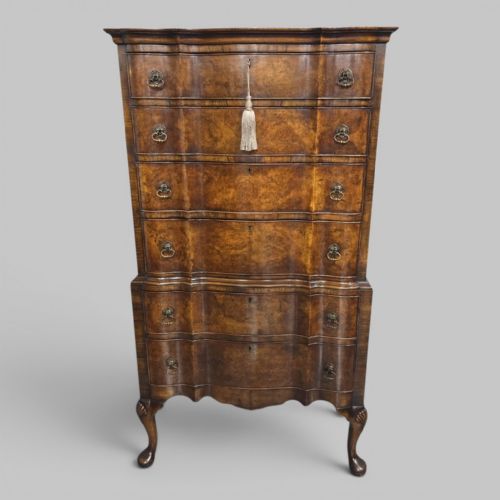
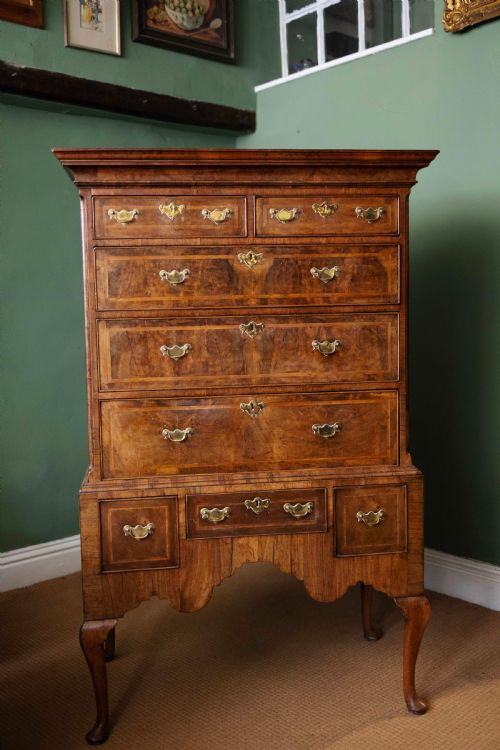
These walnut highboy dresser examples are striking tall chests built in two sections, offering serious presence and deep storage.
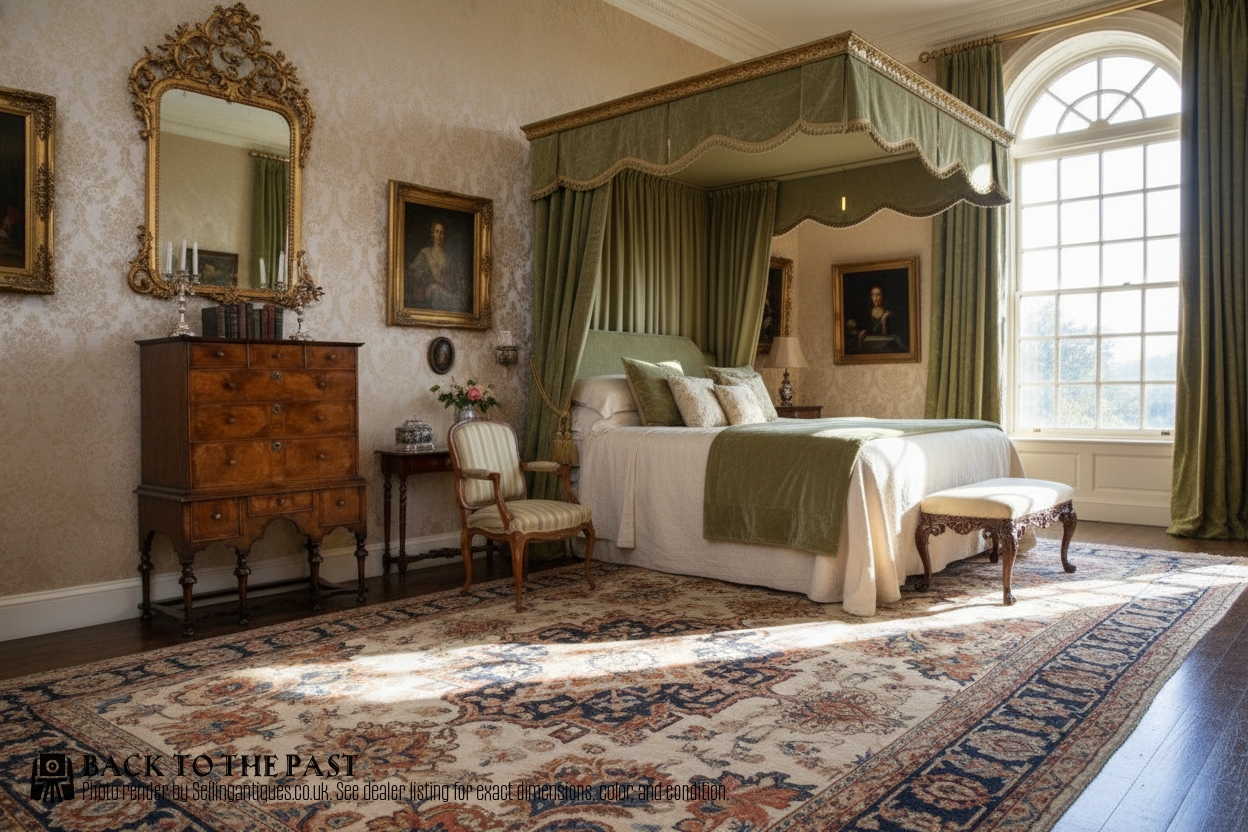
Walnut Highboy Dresser
A walnut highboy dresser typically combines a chest of drawers set upon a separate low stand or frame, creating a vertical silhouette that maximises floor space. The form emerges primarily in the seventeenth and eighteenth centuries, traversing periods from William and Mary through Queen Anne and the Georgian eras.
Buyers meet variations ranging from authentic eighteenth-century walnut veneer constructions to later twentieth-century revivals and nineteenth-century interpretations. These pieces function domestically as principal storage chests, carrying numerous graduated drawers within a substantial framework.
How they were made
Cabinetmakers constructed these pieces using solid timbers like oak alongside figured walnut and burr walnut veneers applied to carcases. Craftsmen also utilised specialised decorative treatments such as oyster veneering to create distinctive circular patterns on the drawer fronts.
Metalwork played a functional and decorative role, incorporating cast brass handles and escutcheons alongside occasional ormolu mounts. Stands frequently terminate in cabriole legs that elevate the upper chest portion from the floor.
Walnut Highboy Dresser Retail Price Guide 2026
Typical asking prices for walnut highboy dresser among the pieces listed under this phrase on Sellingantiques today, from the lower quarter to the upper quarter. They describe what is for sale here now, not the wider market.
Oyster veneer cuts make drawer fronts look like tiny wooden puddles.
What varies in quality
The sophistication of the timber selection dictates visual merit, with burr walnut and figured grain achieving greater depth than plain surfaces. Original matching of veneer patterns across drawer fronts signals superior cabinetmaking intent.
The integrity of the construction between the upper chest and the lower stand defines historical authenticity. Pieces retaining their original stands alongside period brass hardware hold greater consistency than those with later adaptations.
The Walnut Highboy Dresser Glossary
- Highboy
- A tall chest of drawers supported on a separate low stand or frame. This form dominates seventeenth and eighteenth-century case furniture.
- Chest on stand
- An alternative term for a highboy where an upper drawer section rests directly upon a distinct leg frame. It allows for elevated vertical storage.
- Burr walnut
- Timber taken from walnut tree growths that produces intricate swirling grain patterns. Cabinetmakers prized this for veneering primary display surfaces.
- Oyster veneer
- Thin circular slices cut across small branches to form clustered patterns resembling oyster shells. This technique appeared on seventeenth-century pieces.
- Cabriole leg
- A curved furniture leg featuring an outward knee and an inward ankle tapering to a foot. It characterises Queen Anne and Georgian designs.
Walnut Highboy Dresser: Frequently Asked Questions
What is a highboy dresser?
A highboy dresser is a tall chest of drawers built in two parts, usually with an upper chest sitting upon a low supporting stand.
This vertical design provides generous storage while taking up minimal floor space in a room.
How do I date a walnut highboy?
Dating relies on examining construction methods, timber types, and leg styles such as cabriole supports or William and Mary framing.
Earlier pieces from the seventeenth and eighteenth centuries display specific veneer techniques and cabinetwork distinct from nineteenth or twentieth-century revivals.
Where should I place a highboy?
These tall pieces suit bedrooms, hallways, or living spaces where vertical presence adds architectural interest and scale.
Ensure adequate ceiling height and secure the upper and lower sections properly if placing on uneven historical floors.
Are these pieces made of solid walnut?
Most examples utilise supportive secondary timbers like oak beneath decorative walnut veneers and burr walnut surfaces.
Solid virginian walnut or regional hardwoods also appear in specific regional or period constructions.