
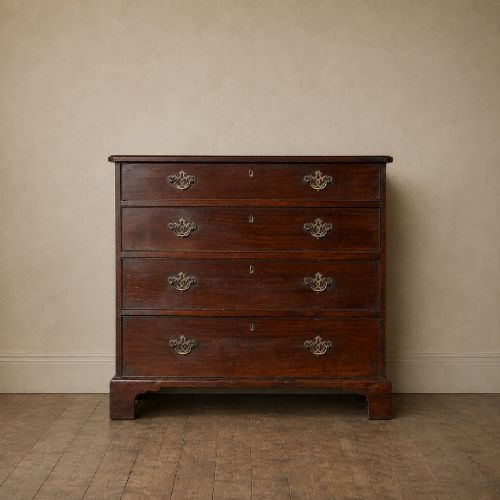
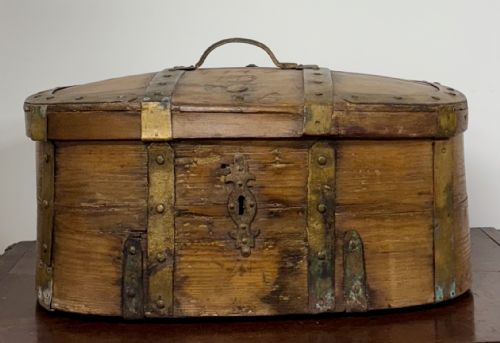
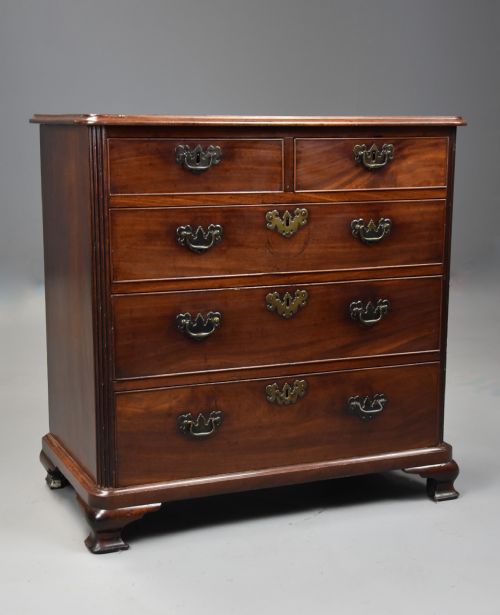
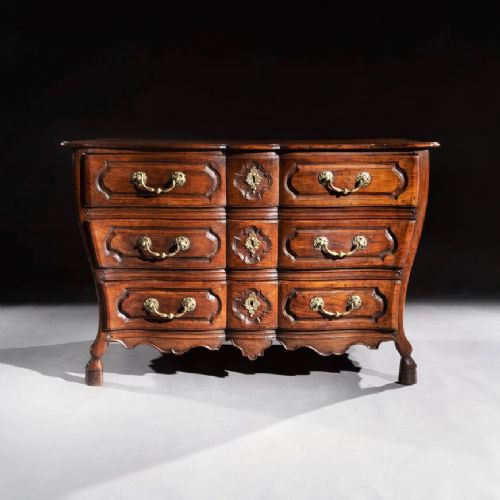
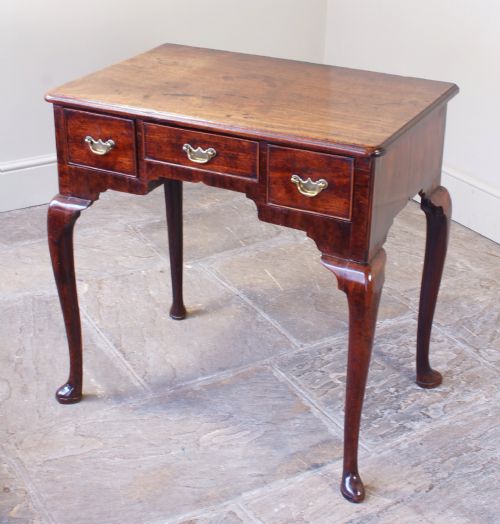
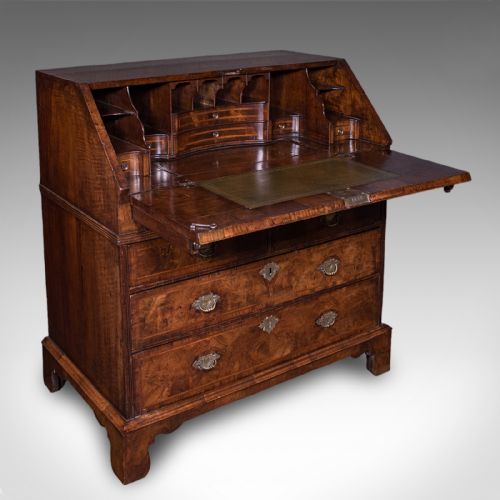
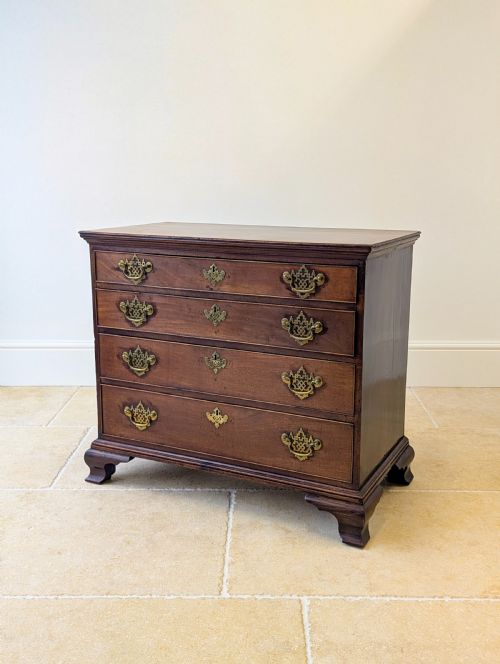

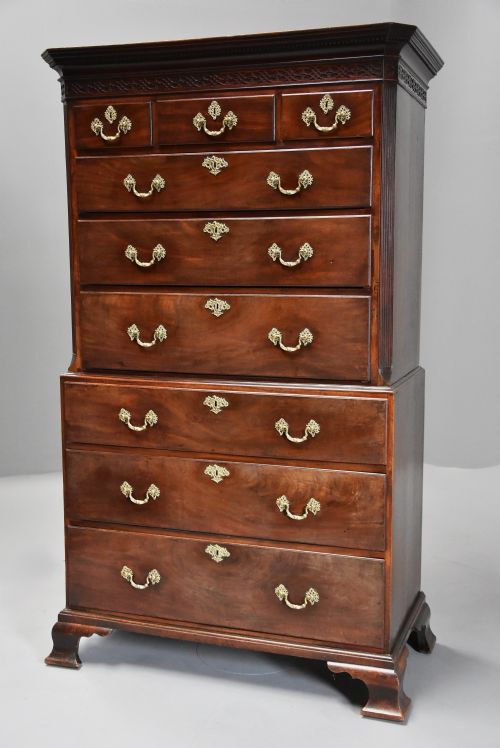
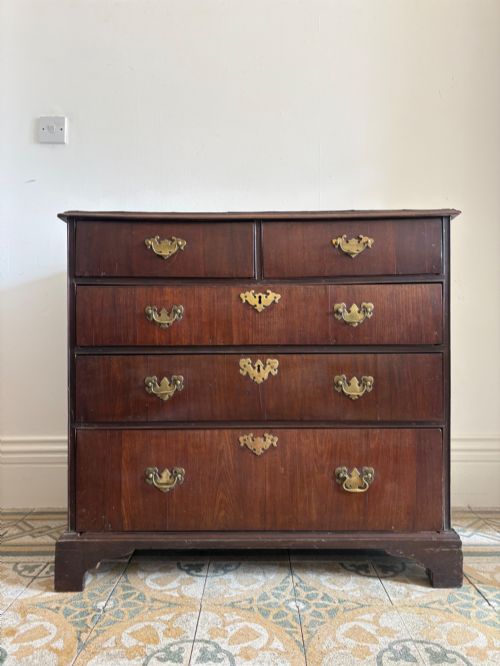


Mid 18th Century Chest
A mid 18th century chest anchors a room with substantial presence, offering period timber and honest proportions for storage.
Forms and Origins of the Mid 18th Century Chest
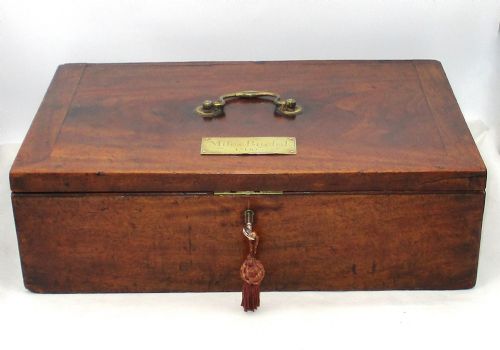
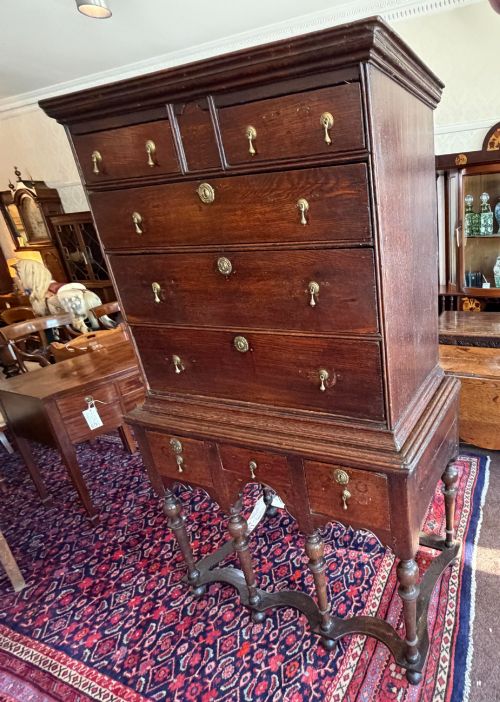
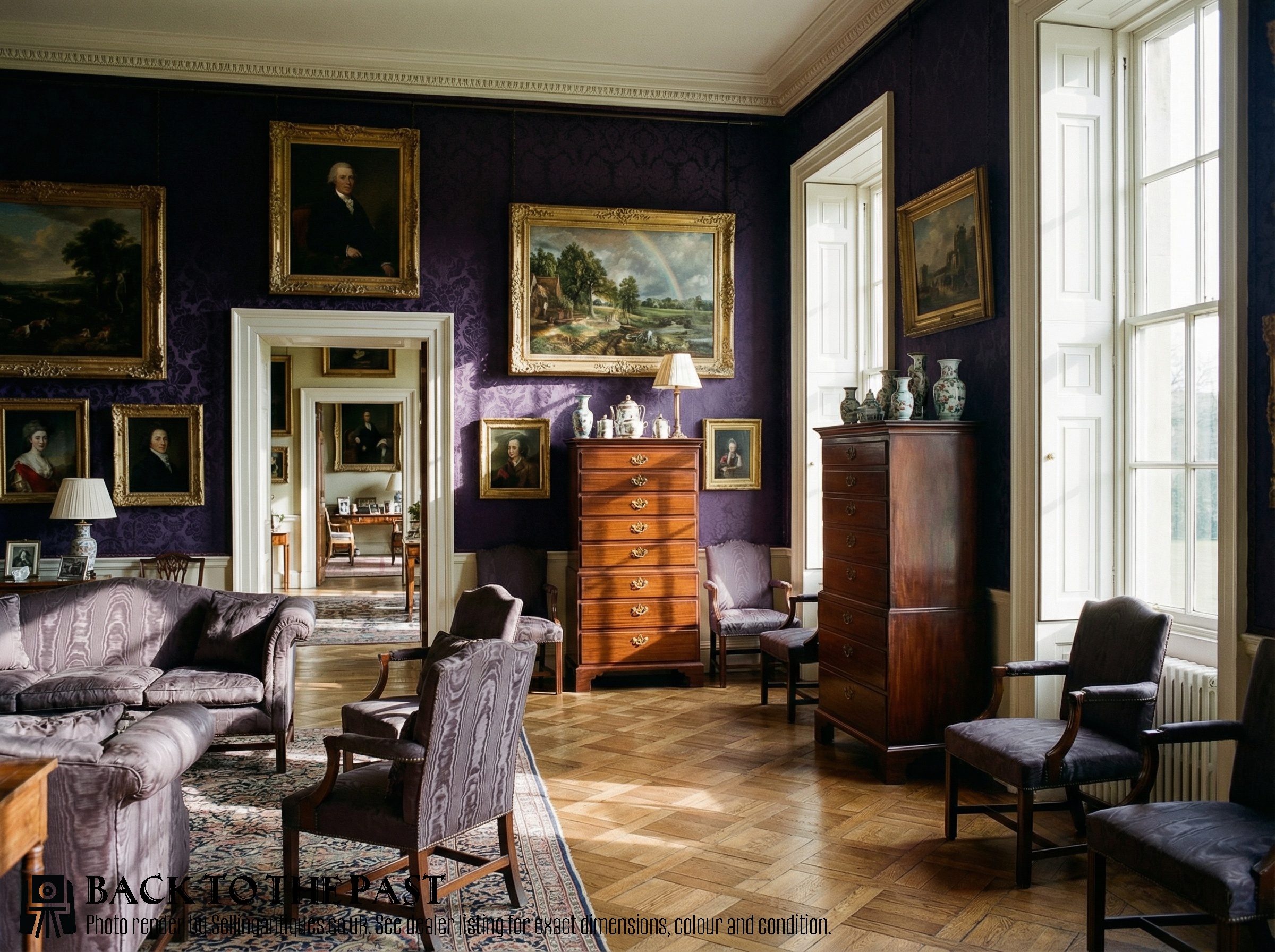
When you search for a mid 18th century chest, you encounter a variety of forms designed for domestic storage, from standard chests of drawers to taller configurations like chests on stands, tallboys, and mule chests. These pieces originate from domestic and regional workshops across England, Scotland, Ireland, and continental Europe, spanning the Georgian era and the mid-1700s.
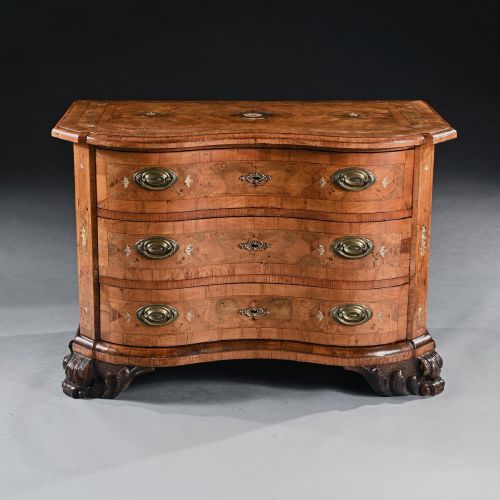
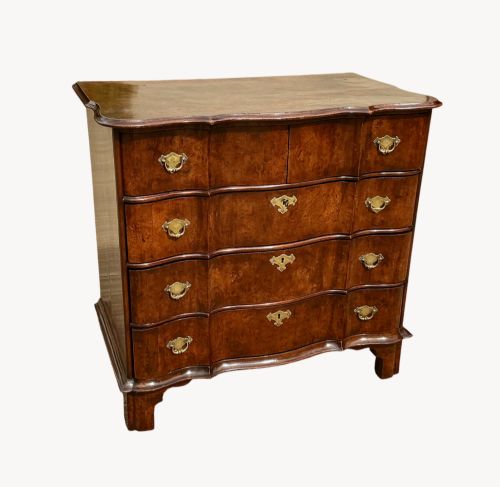
The most common examples on this page are mahogany and oak chests of drawers, often reflecting George II styles or the Chippendale manner. Alongside these standard drawer configurations appear specialised forms such as silver chests, miniature chests, tea chests, and serpentine commodes in walnut and German baroque designs.
Materials and Construction
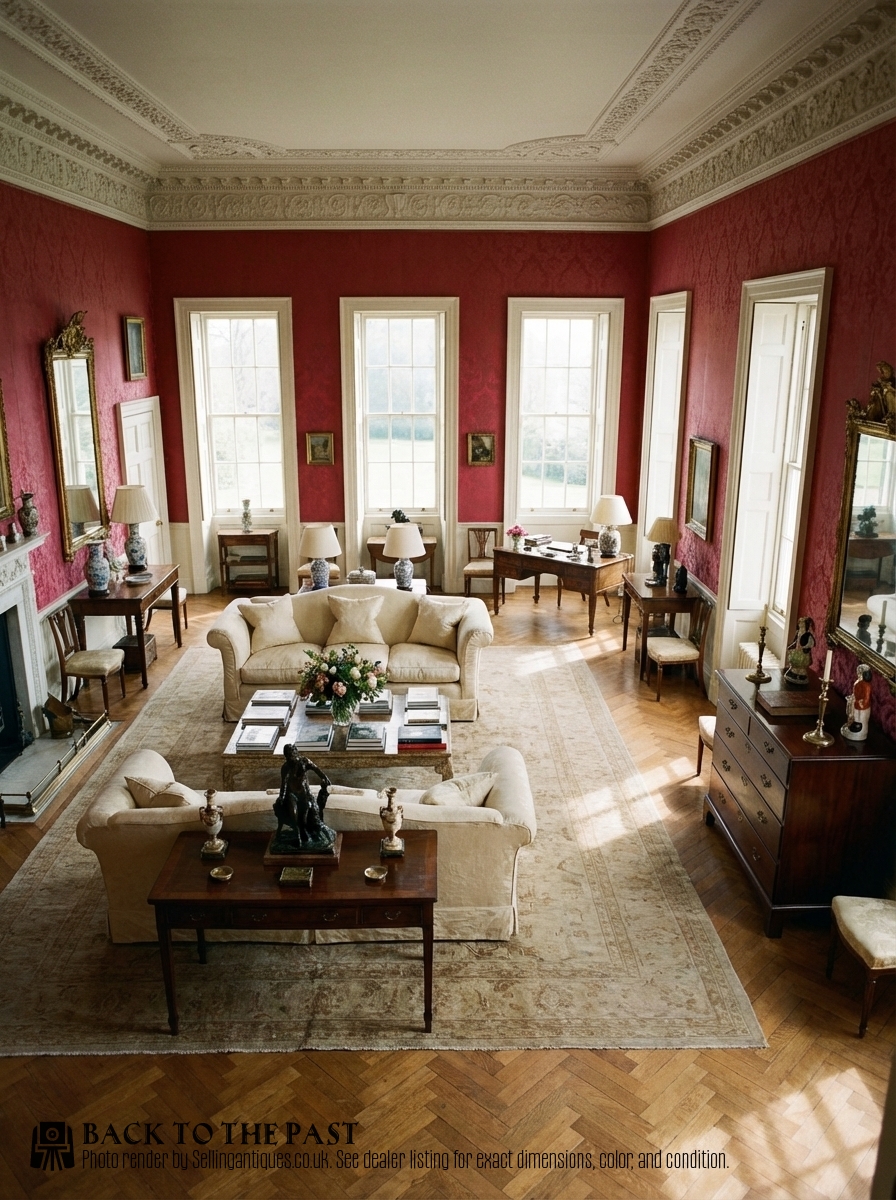
Cabinetmakers of the period built these pieces using solid hardwoods and native timbers, predominantly mahogany, oak, walnut, red walnut, and virginian walnut, frequently paired with secondary woods like pine. Surfaces were shaped into caddy-tops, bow fronts, or serpentine outlines, demonstrating structural joinery suited to daily utility.
Metal hardware such as brass handles and escutcheons completed the construction, while carved ornamentation appeared on specific George II Chippendale pieces, oak chests on stands, and Irish tallboys.
Retail Price Guide 2026
Typical UK retail prices for mid 18th century chest, calculated from the Sellingantiques database of over a million retail prices indexed since 2003. This retail price guide relies exclusively on Sellingantiques data; no external sources or auction records are used, so the figures do not describe the wider market.
Distinctions in Execution
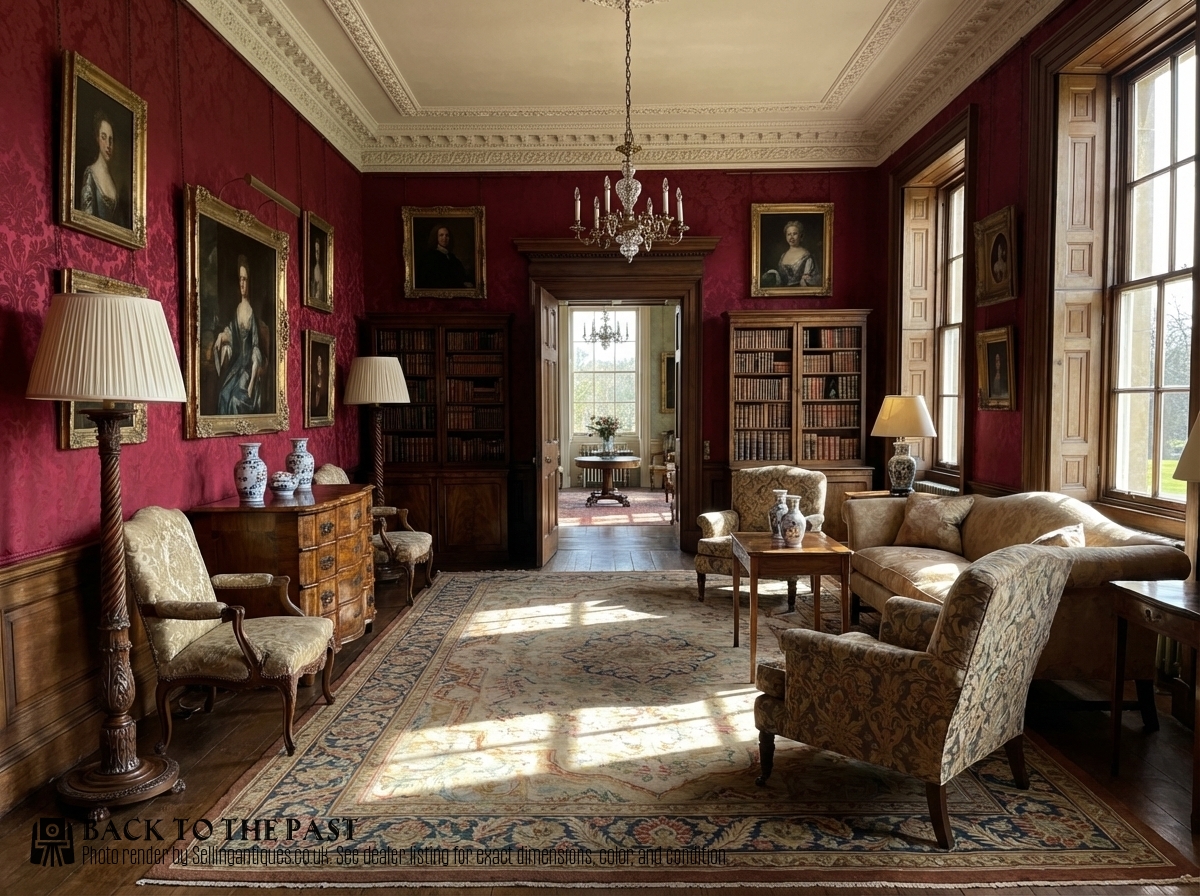
The distinction between standard examples and finer pieces rests in timber selection, such as figured red walnut or richly grained mahogany, and the crispness of carved details on styles like the Chippendale manner. Proportions also dictate quality, with smaller proportions and miniature or small-size chests commanding particular interest for their refined scale.
Surface character defines another tier of quality, seen in the depth of patina developed on oak and walnut surfaces over centuries of use, alongside regional craftsmanship variations evident in Scottish, Irish, and German pieces.
Francis and William Brodie·Walton and Co
The Mid 18th Century Chest Glossary
- Tallboy
- A tall chest of drawers, often built as a chest on chest or a chest on stand, maximising vertical storage.
- Mule chest
- A storage chest fitted with one or more drawers at the base, combining the storage of a coffer with drawer accessibility.
- Serpentine
- A curved front outline shaped in a gentle wave, characteristic of mid-18th century baroque and commode designs.
- Caddy-top
- A moulded table or chest top with a raised edge resembling the lid of a tea caddy.
- Patina
- The surface sheen and mellowed colour developed by timber over long periods of handling and age.
Frequently Asked Questions
What is a mule chest?
A mule chest is a storage piece that combines a traditional lift-lid coffer compartment with one or more drawers built into the base. This layout allowed easier access to stored linens and garments without opening the top.
Such pieces date frequently to the mid-18th century in oak and mahogany, serving practical storage needs in country houses and domestic interiors.
How do I identify a George II chest?
George II chests often feature dense timbers like mahogany or walnut, heavy brass hardware, and occasionally carved bracket feet or applied moulding. The proportions tend to be robust and grounded.
Design influences from this era bridge early Georgian restraint and the emerging carved details of the Chippendale manner.
Where were these chests made?
These chests originated across British and European workshops, with English, Scottish, and Irish examples appearing frequently in mahogany and oak. Continental pieces, such as German baroque commodes and Italian cassones, utilised walnut.
Regional differences in timber availability and decorative carving help distinguish where a workshop operated.
How do I care for antique walnut and mahogany?
Keep wooden chests away from direct sunlight and steady heat sources to prevent timber from drying out or splitting. Maintain a stable indoor humidity level.
Apply occasional gentle waxing using traditional formulations to preserve the surface sheen and natural patina without sealing the wood.